ABS for motorcycles: what is it and how does it work in Oman
Learn what ABS is in motorcycles and how it works in Oman. Understand braking safety, wheel control, and emergency stopping benefits.
11 Sep 2026

When a wheel locks up, it stops rolling and starts sliding — and once that happens on a motorcycle, front or rear, a fall becomes a real possibility fast. Fortunately, there's a technology built specifically to prevent that kind of unplanned slide, letting you stop hard and still stay upright, even on wet or dusty roads.
Anti-lock braking system technology lets you brake hard without losing control of the bike. It used to be reserved for premium-class cars. Now ABS shows up on the vast majority of motorcycles too. Before you commit to a specific model, it's worth browsing current on-road motorcycles for sale and checking which ones actually include it.
Here's what ABS actually does, what it's built from, and how it behaves once you're on the road.
What is ABS on a motorcycle: how the system actually works
So what does ABS mean on a motorcycle, exactly? At its core, it's a system that stops a wheel from locking up under hard braking — instead of the tire skidding uselessly across the pavement, ABS pulses brake pressure on and off dozens of times a second, keeping the wheel just short of locking so it keeps rolling and gripping. That's really the whole ABS motorcycle meaning in one sentence: controlled braking instead of a skid.

Wheel-speed sensors
Sensors positioned at the wheels constantly measure how quickly each wheel is rotating. They commonly work with a toothed or perforated tone ring mounted near the hub. If you are wondering how does ABS sensor on a motorcycle work, its basic job is to turn wheel rotation into data that the control unit can analyse. It can therefore detect a sudden drop in wheel speed before the tyre remains fully locked.
Electronic control unit
The ECU is effectively the brain of the system.
It continuously compares information coming from the wheel-speed sensors. If one wheel decelerates much faster than expected during braking, the ECU recognises that it is approaching lock-up.
Instead of waiting for the tyre to begin a sustained slide, it sends a command to the hydraulic unit to alter brake pressure.
Hydraulic modulator
The hydraulic modulator physically controls brake-fluid pressure.
Its valves can briefly reduce pressure in the affected brake circuit and then allow it to increase again. This process happens repeatedly while the system detects a risk of locking.
How important is ABS on a motorcycle?
How important is ABS on a motorcycle in practice, not just in theory? Genuinely important, and in a handful of specific situations it can be the difference between staying upright and going down:
Emergency braking, where there's no time to modulate pressure manually
Wet asphalt, where grip drops without warning
Sand, dust, or gravel that's blown or tracked onto an otherwise clean road
Painted road markings and manhole covers, which turn slick almost instantly
Panic braking from less experienced riders, who tend to grab the lever hard under stress
In the Gulf region specifically, this matters more than it might elsewhere. Sand blown across paved highways creates sudden, hard-to-spot low-grip patches, and a lot of local riding happens at sustained highway speed where a locked wheel has much less margin for error than it does at 40 km/h in the city.
One important caveat: ABS doesn't create grip that isn't there, and it doesn't replace proper braking technique. It manages a skid better than a human reflex can.
Important things to know about motorcycle ABS
Independent front and rear control
Most road bikes now run dual-channel ABS, watching the front and rear wheel separately rather than treating braking as one combined event.
There's a real reason for that. Hard braking shifts weight forward, so the front tire ends up doing most of the work while the rear gets noticeably lighter — which means the two wheels are dealing with completely different conditions at the same moment. Splitting control lets the system respond to each one on its own terms instead of applying the same logic to both.
Cornering ABS
Higher-end systems add an inertial measurement unit — an IMU — on top of the standard wheel sensors, and that changes what the system actually knows.
The IMU tracks lean angle and overall bike motion, so the ABS controller factors in something a basic system can't: a tire already using some of its grip to hold a corner has less left over for braking. That combination — wheel sensors plus lean-angle awareness — is what people mean by Cornering ABS.
It's a genuinely smarter system. It's not a license to grab the brake mid-corner and assume everything's fine.
Switchable and off-road ABS modes
A few adventure and enduro bikes let the rider adjust how ABS behaves rather than leaving it fixed. Switch into an off-road mode and the rear often backs off — sometimes letting the rear wheel lock entirely while ABS stays active up front.
There's a practical reason for that split. A locked rear wheel is something riders sometimes want on loose terrain — it's part of normal technique there. A locked front wheel is a different story; that one's genuinely hard to recover from no matter the surface.
ABS warning light
The dashboard light is the easiest way to know the system's doing its job. Flip the ignition on and it typically lights up while the system runs its self-check, then goes dark once you're moving and the sensors start registering wheel speed.
If it stays lit, or comes back on mid-ride, that's not something to ignore — it means the system's flagged a fault and it's worth getting checked before you rely on it in an emergency.
Advantages and limitations of ABS on motorcycles
So, do you actually need ABS on a motorcycle? Worth weighing both sides honestly.
Advantages:
Keeps the bike controllable under emergency braking, especially on wet or slick surfaces
Reduces the risk of a low-side crash caused by lost traction
Gives you the confidence to brake hard without second-guessing the outcome
Limitations:
On loose surfaces like deep sand or gravel, ABS can actually lengthen stopping distance, since a briefly locked wheel digs in and forms a wedge that helps it stop
It's not invincible — a very hard, low-speed grab of the front brake can still lock the wheel momentarily
It adds mechanical complexity, which generally means a higher price tag
So is ABS necessary on a motorcycle? For most riding — city traffic, highway commuting, unpredictable road conditions — yes, it's a genuinely valuable safety layer, particularly for newer riders. ABS isn't a substitute for good braking technique. It's a serious active-safety tool that backs you up exactly when things go wrong faster than you can react.
Motorcycles with ABS by Sharmax
If you're specifically shopping for motorcycles with ABS, several current Sharmax models include it as standard:
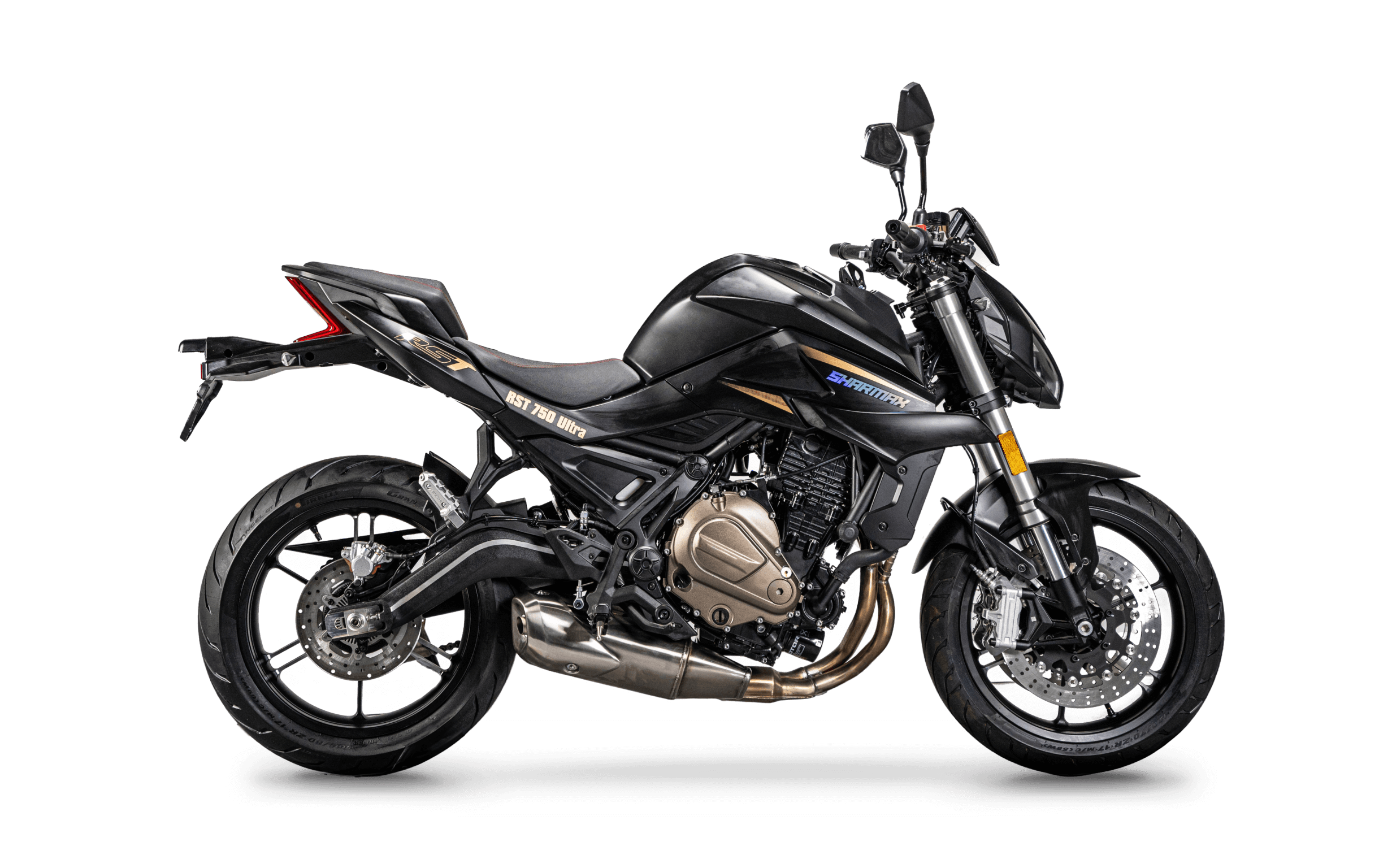
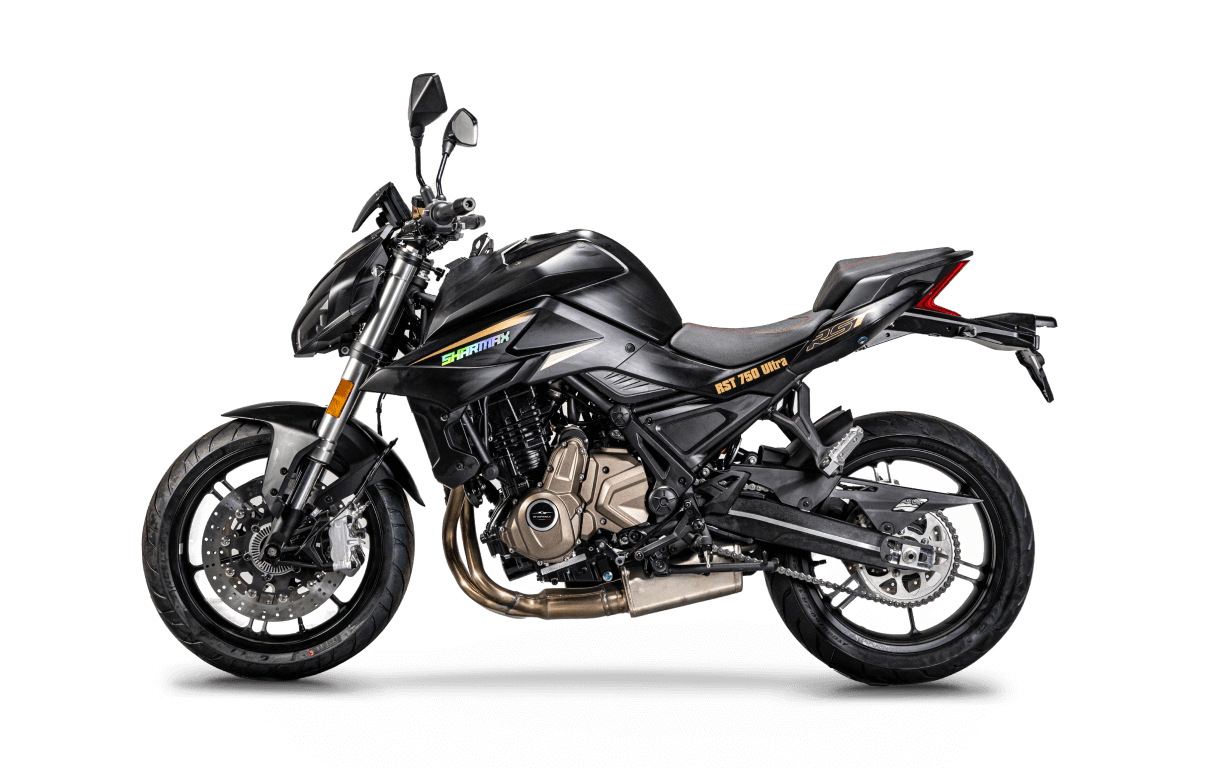
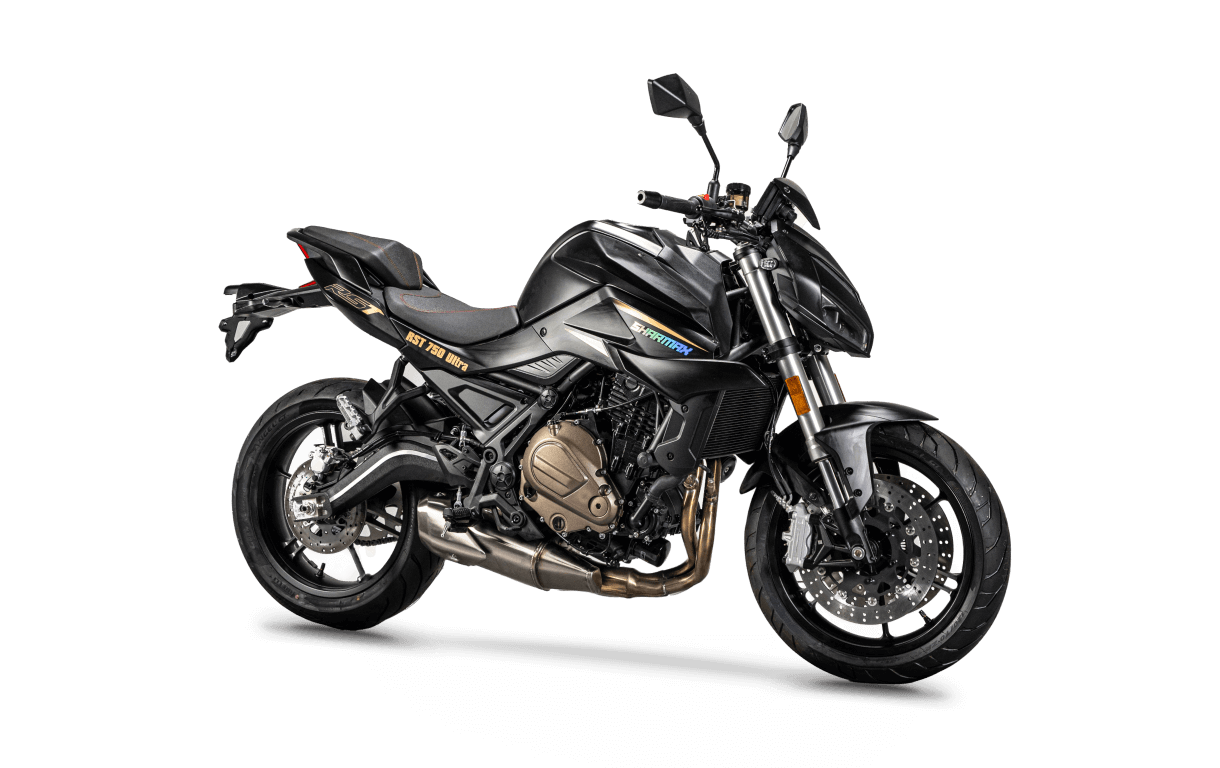
RST 750 Ultra
— a 698cc naked bike equipped with ABS on both its dual-disc front braking system and rear disc.
On-road bike type
Naked bike
Displacement (cc)
698
Front brake
Hydraulic dual disc brakes, 320 mm, ABS
Rear brake
Hydraulic disc brake, 260 mm, ABS
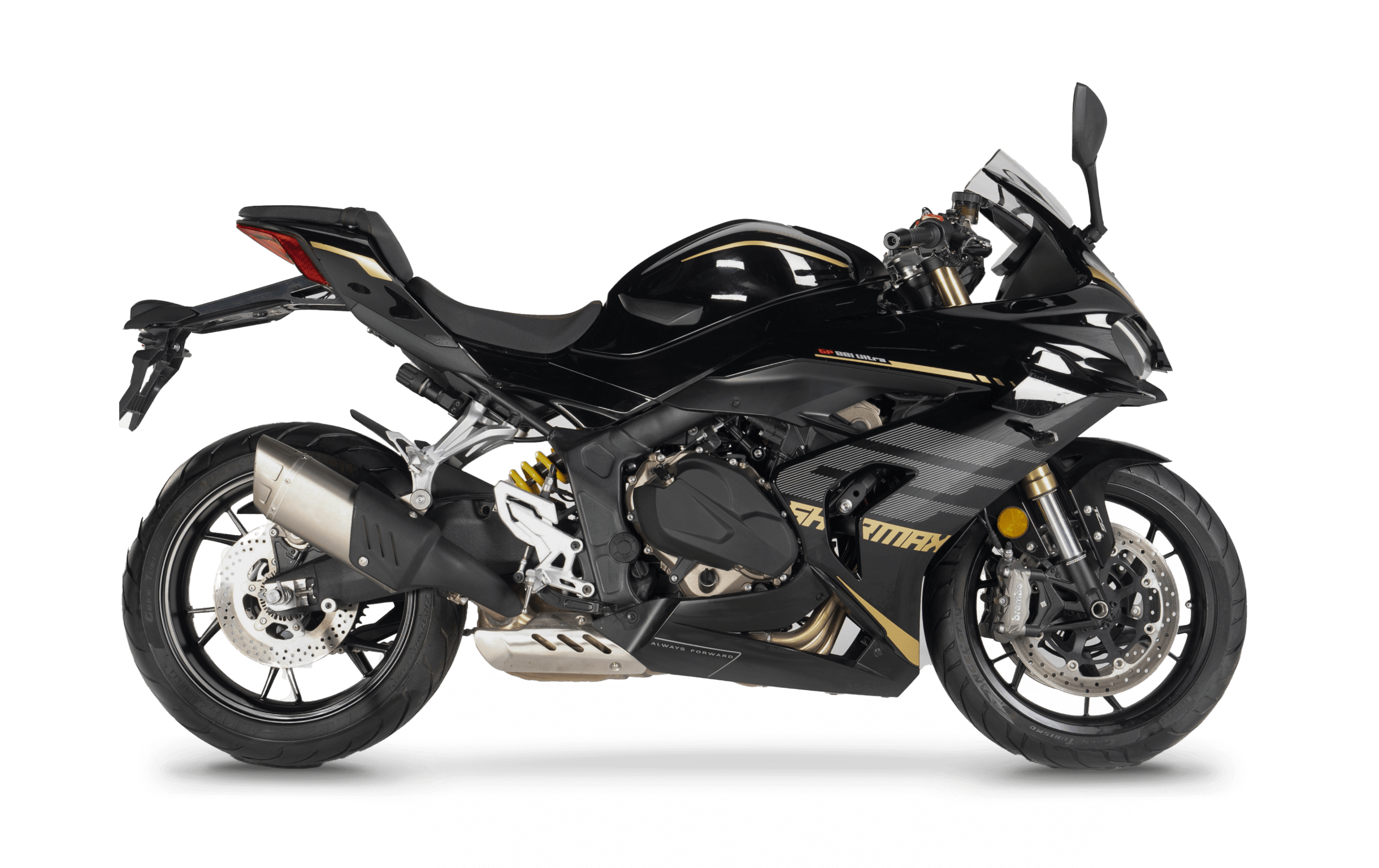
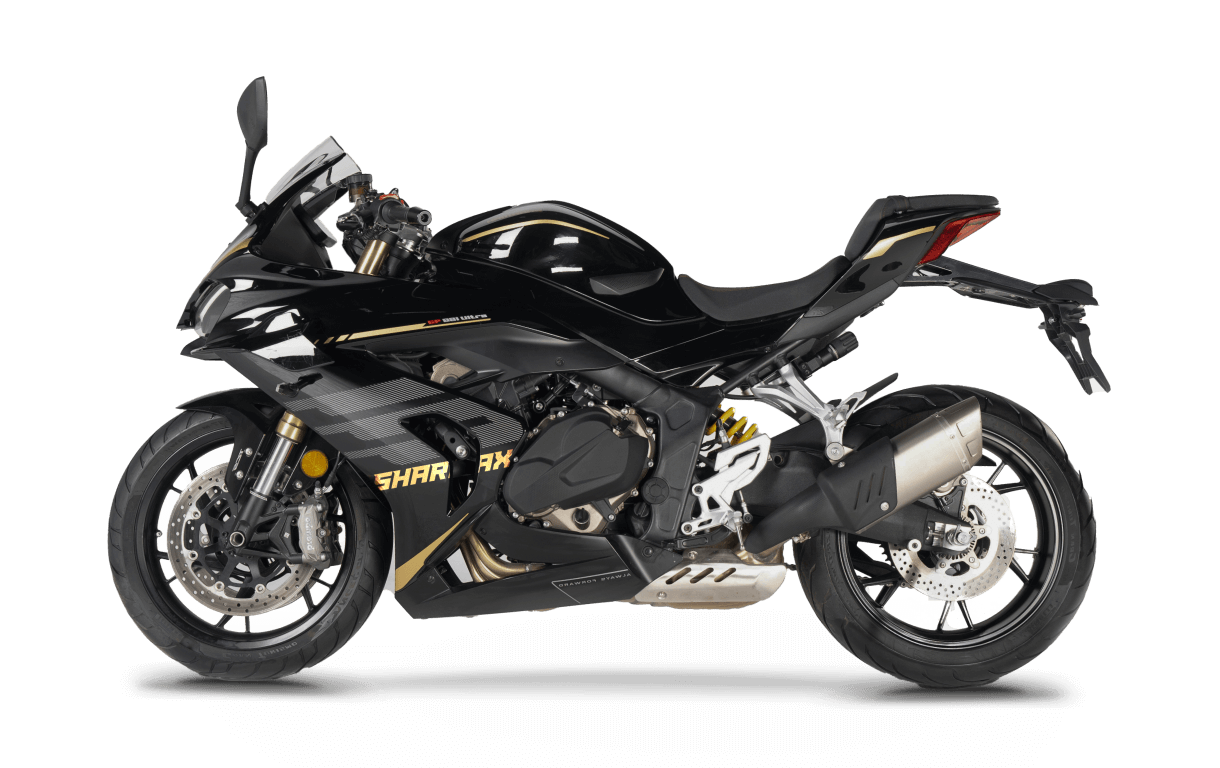
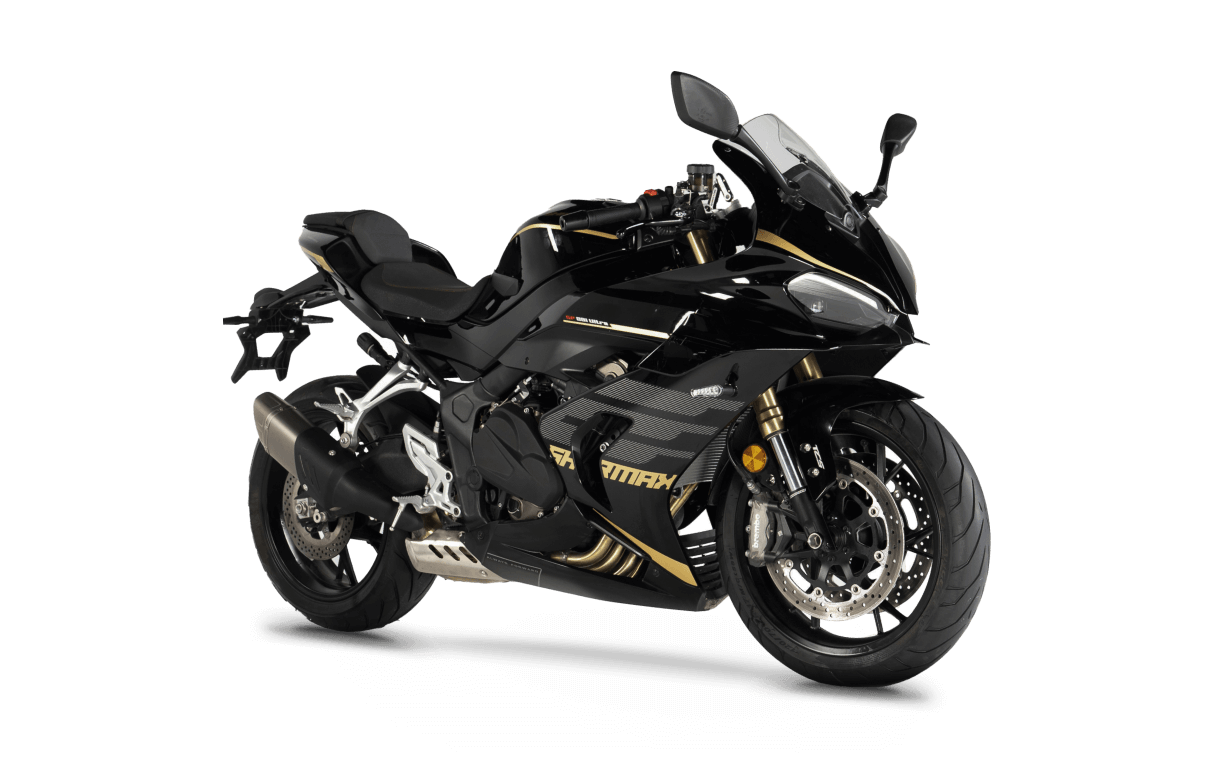
GP 881 Ultra
— super sport category, one of the brand's high-performance road models; with hydraulic dual disc brakes and ABS, paired with EFI for consistent fuel delivery.
Displacement (cc)
778
Fuel supply system
EFI
Front brake
Hydraulic dual disc brakes, 320 mm, ABS
Rear brake
Hydraulic disc brake, 260 mm, ABS
On-road bike type
Super sport
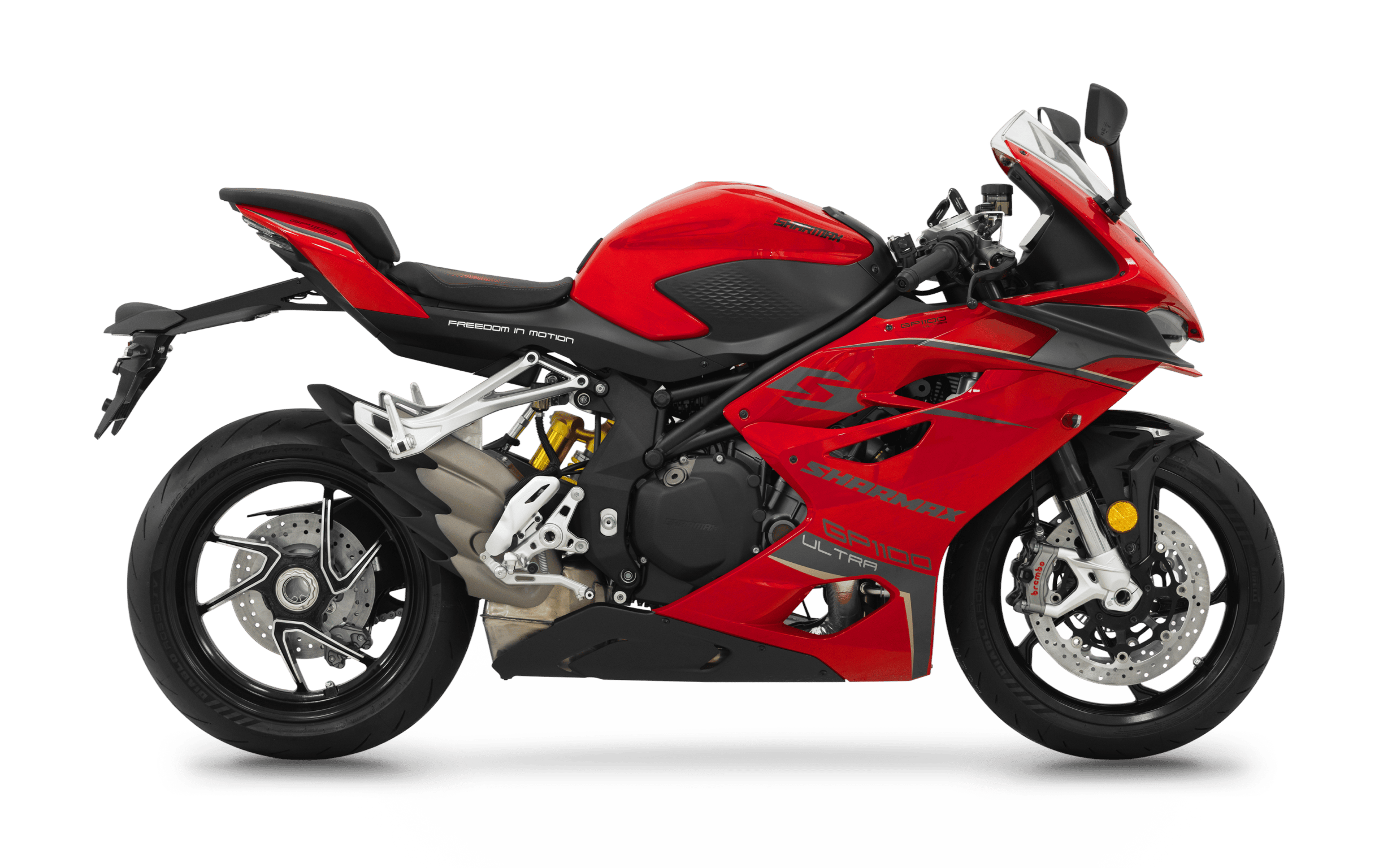
GP 1100 Ultra
— flagship Sharmax super sport, combining an inline-four engine, aerodynamic bodywork, and road-tuned chassis
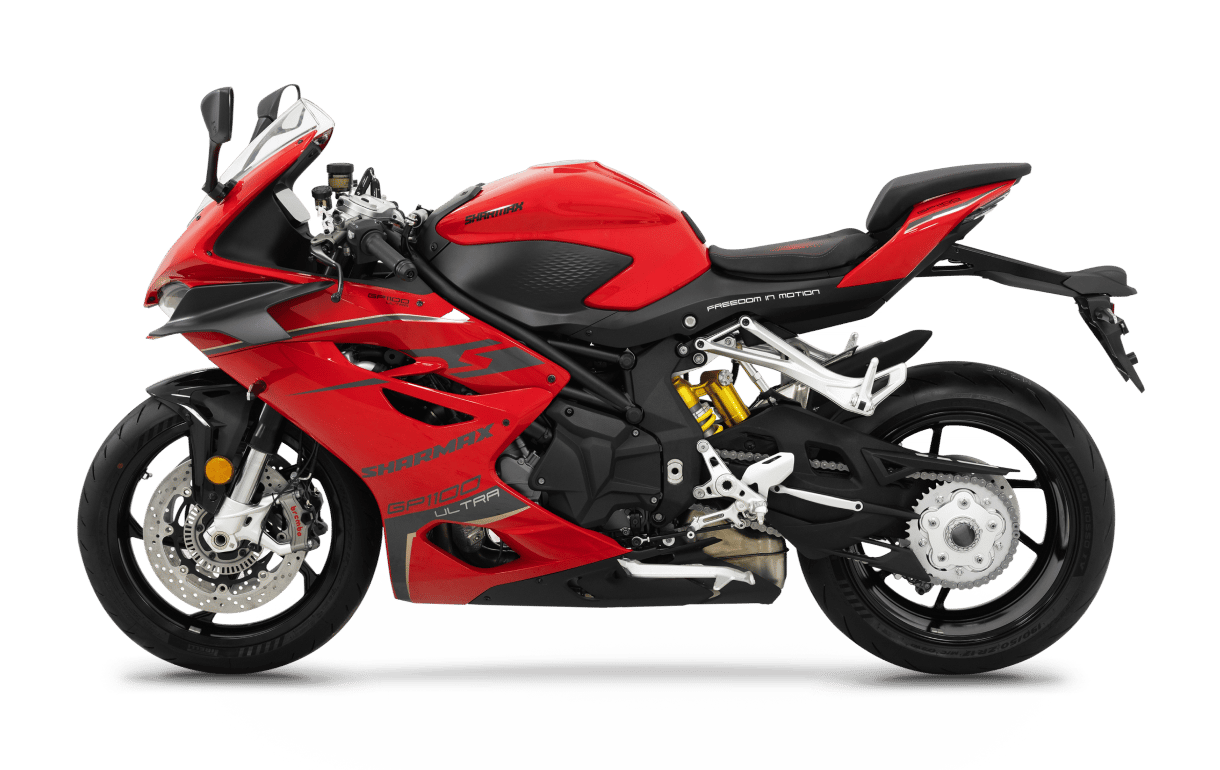
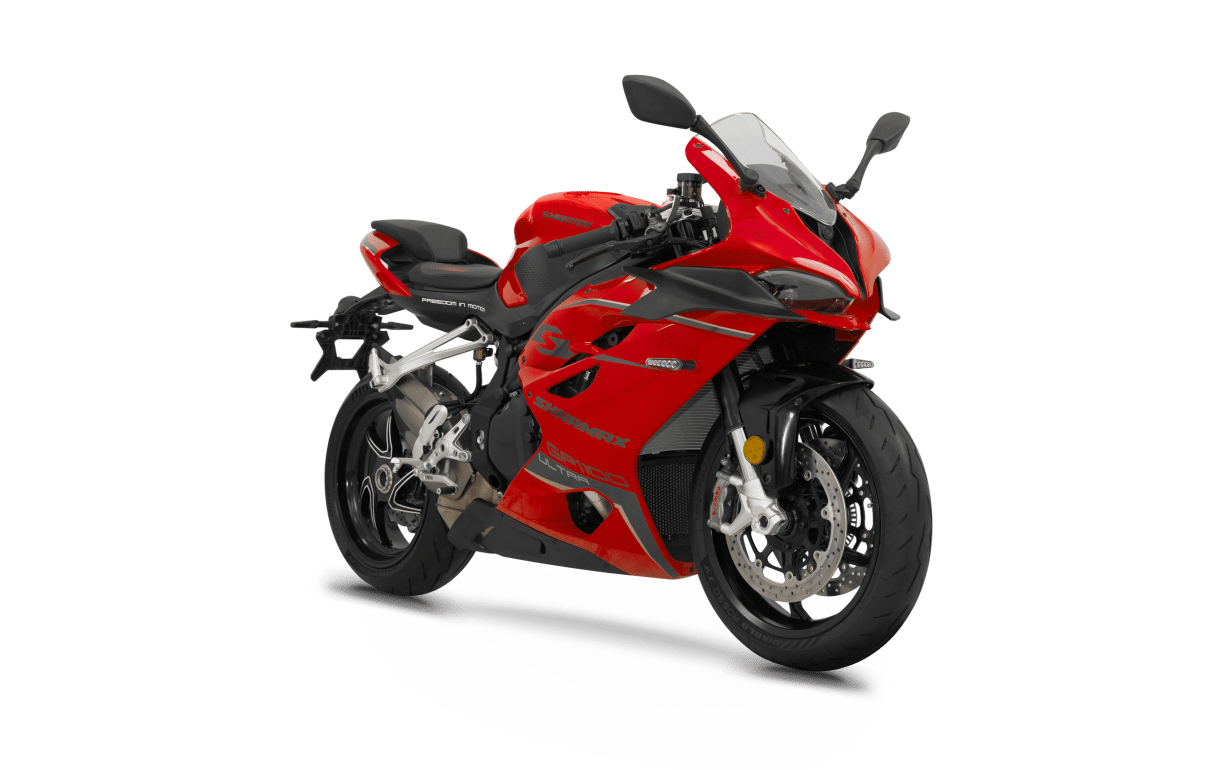
Displacement (cc)
987
Fuel supply system
EFI
Front brake
Hydraulic dual disc brakes, 320 mm, ABS
Rear brake
Hydraulic disc brake, 260 mm, ABS
On-road bike type
Super sport
GL 991 Ultra
— the brand's flagship touring bike, with ABS on both the front dual disc setup and the rear disc brake.
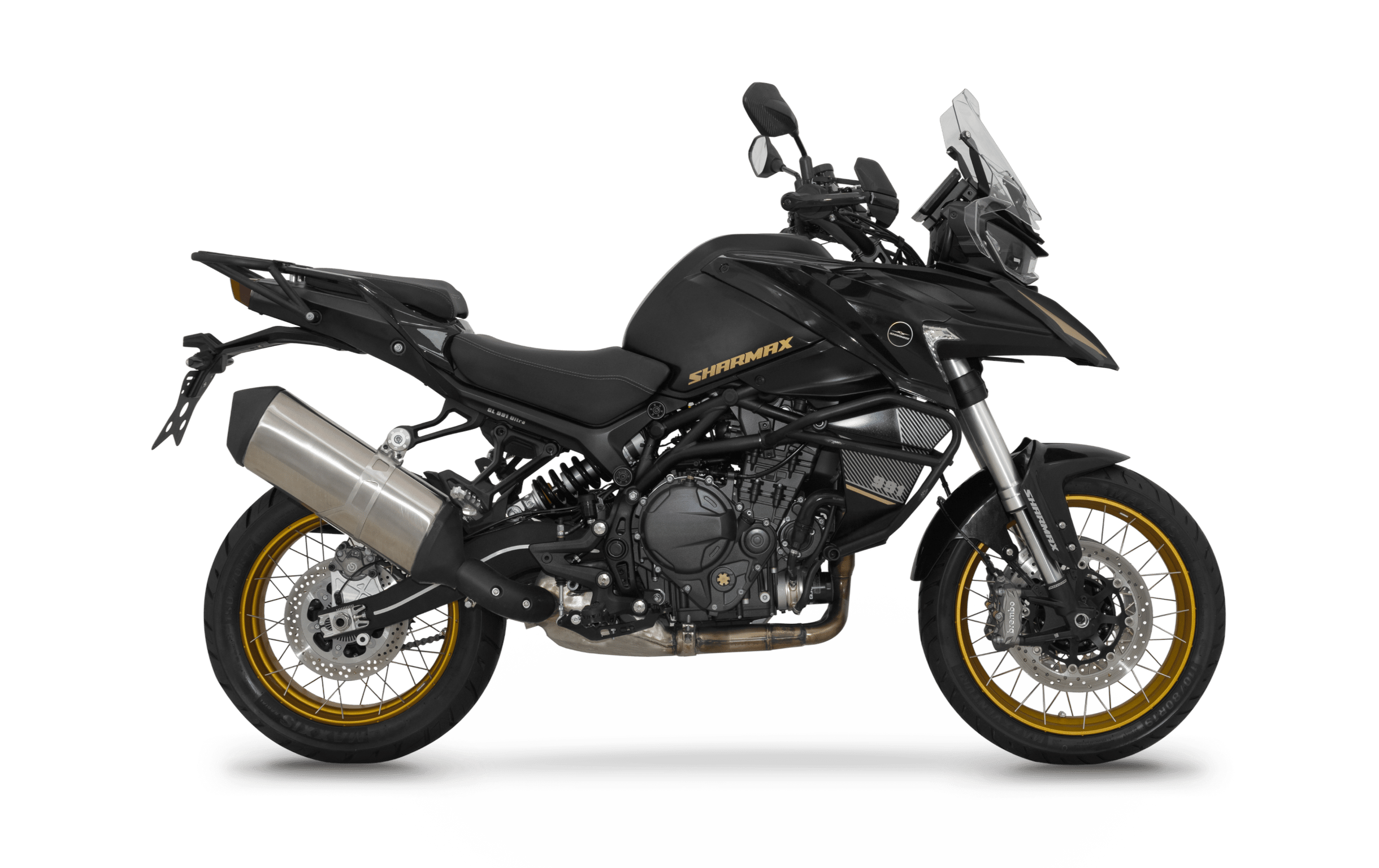
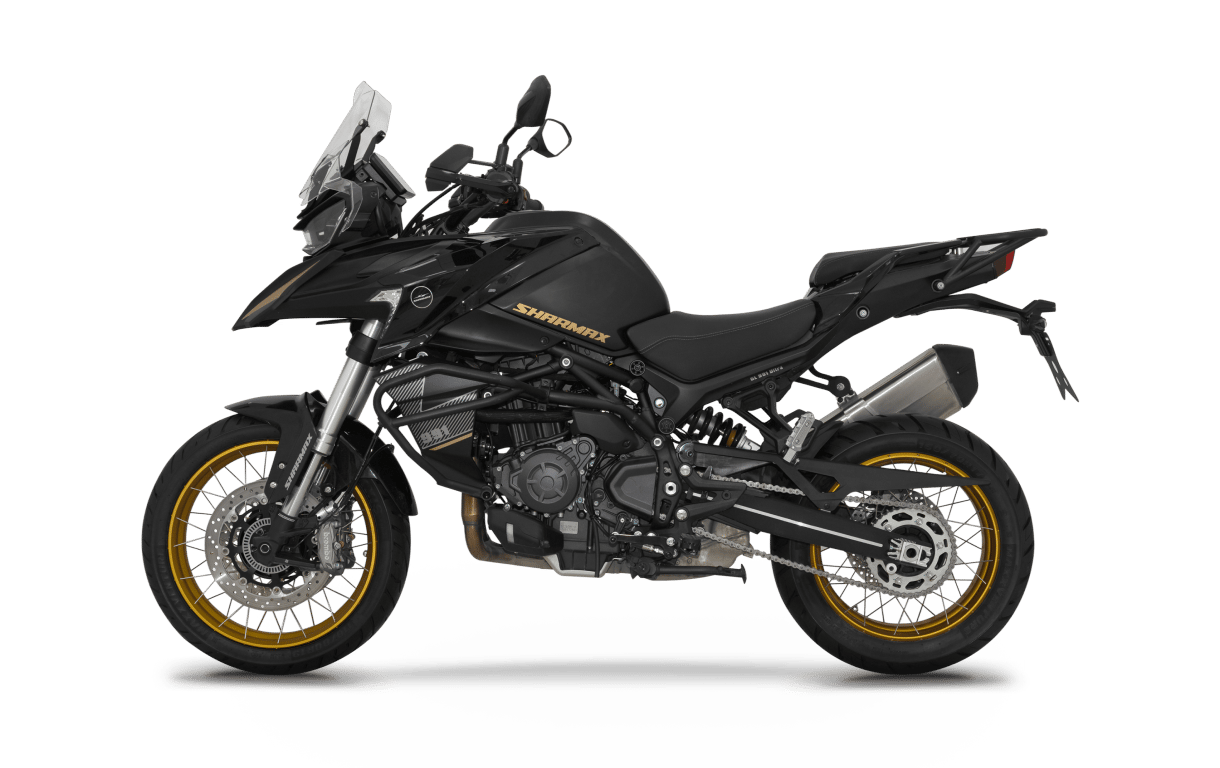
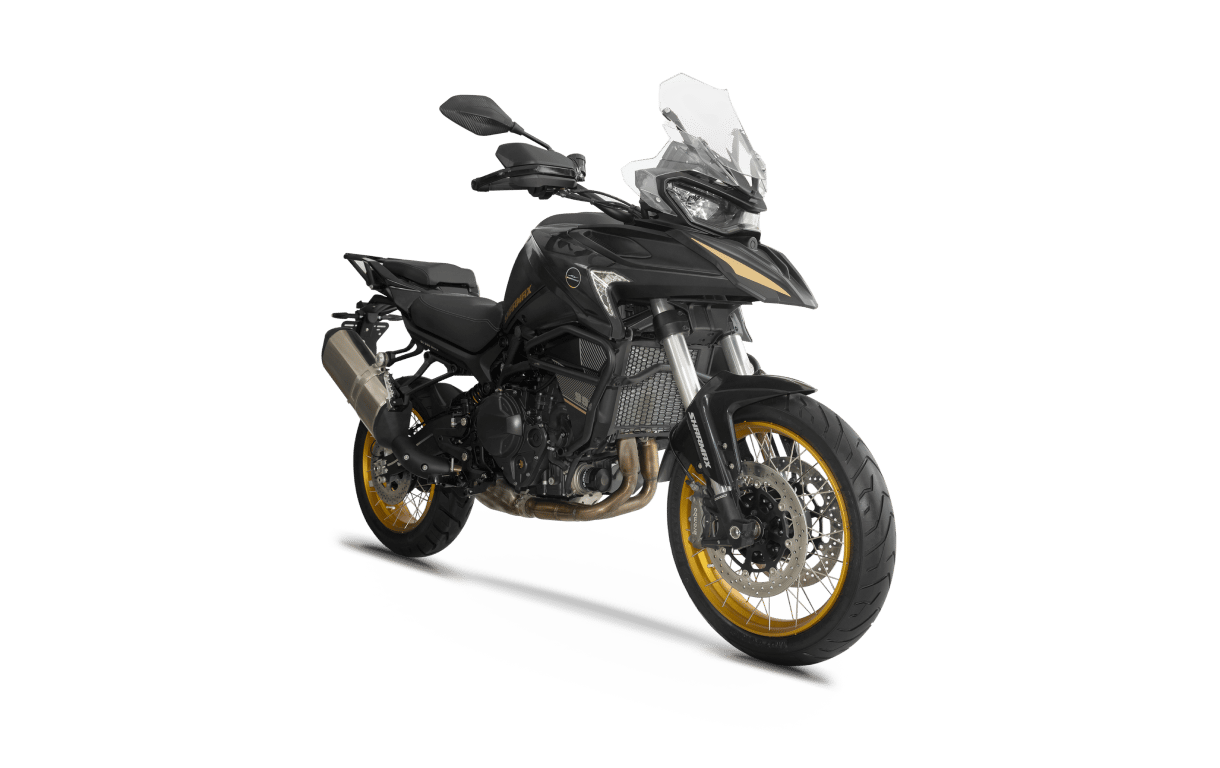
Displacement (cc)
904
Front brake
Hydraulic dual disc brakes, 320 mm, ABS
Rear brake
Hydraulic disc brake, 260 mm, ABS
On-road bike type
Touring bike
RR 801 V Ultra
— a cruiser-style road motorcycle that combines dual-channel ABS with traction control.
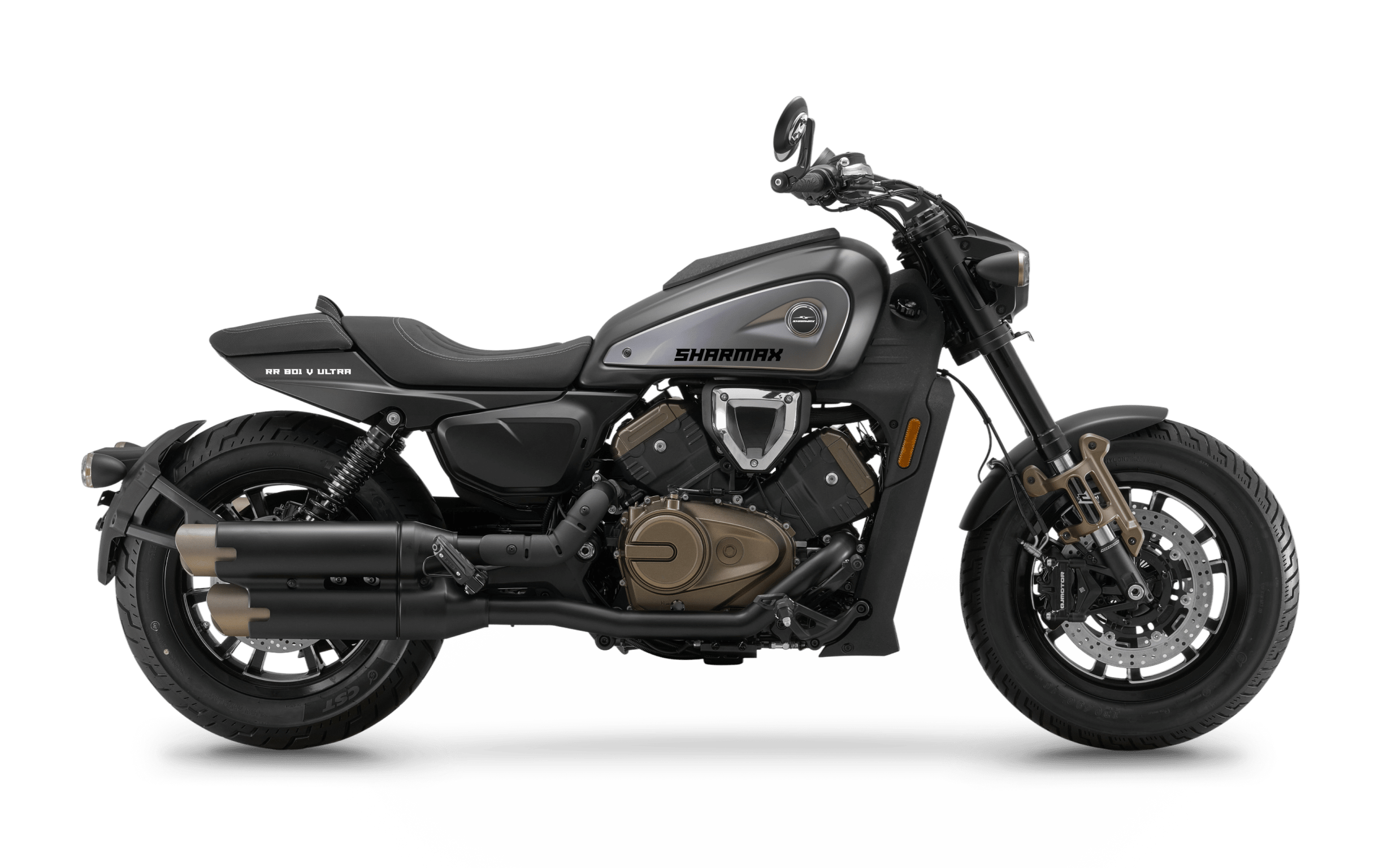
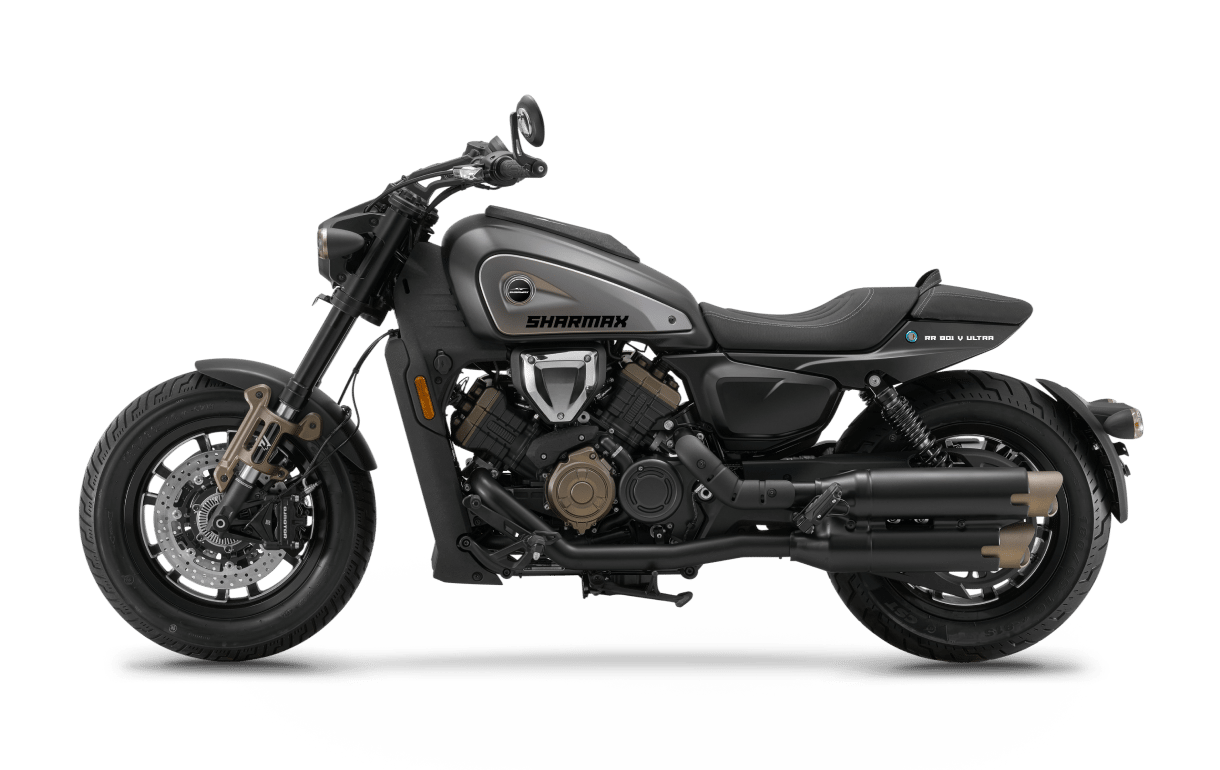
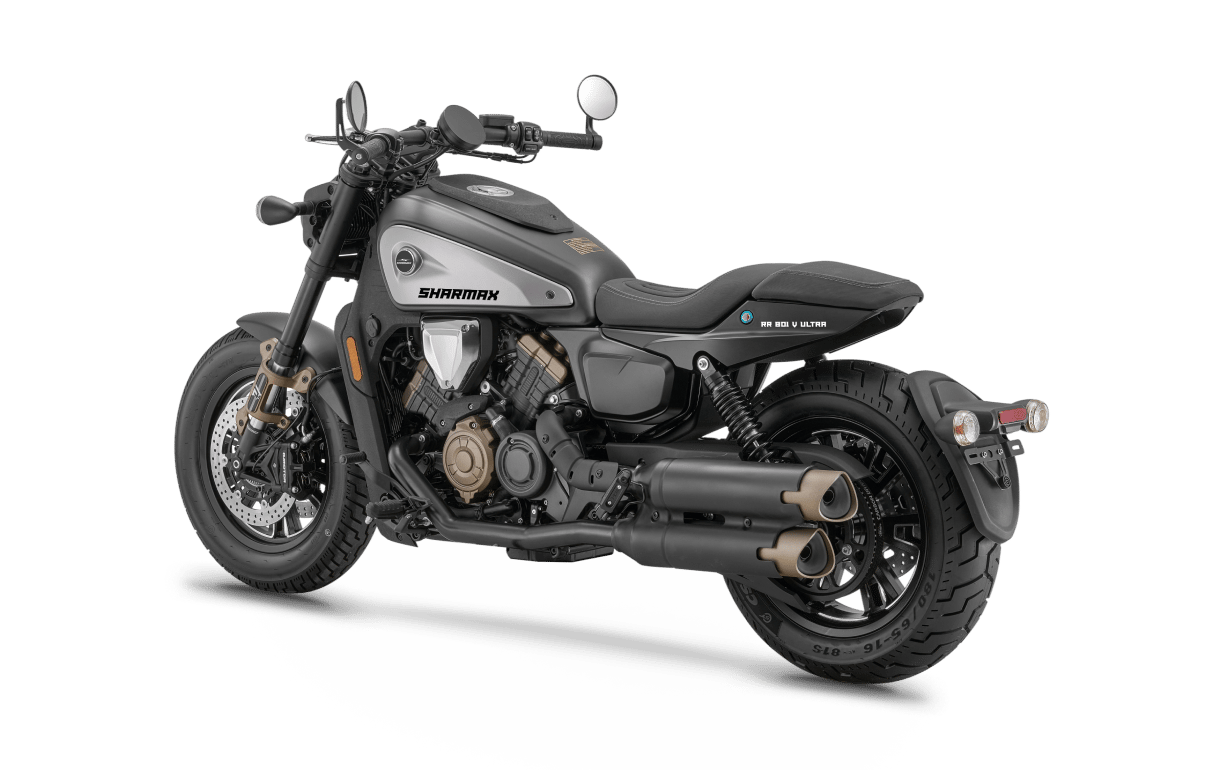
Displacement (cc)
561
Front brake
Double Disc, 300 mm + ABS
Rear brake
Disc, 260 mm + ABS
On-road bike type
Cruiser
Traction control
Yes
Across the board, checking for ABS is one of the simplest ways to filter a shortlist down — it's a small line item on a spec sheet that has an outsized effect on how a bike behaves the one time you really need it to.