Motorcycle vs car: daily commuting in Oman
Compare motorcycle vs car commuting costs in Oman. See differences in purchase price, fuel, licensing, safety, comfort, and everyday practicality.
28 Sep 2026
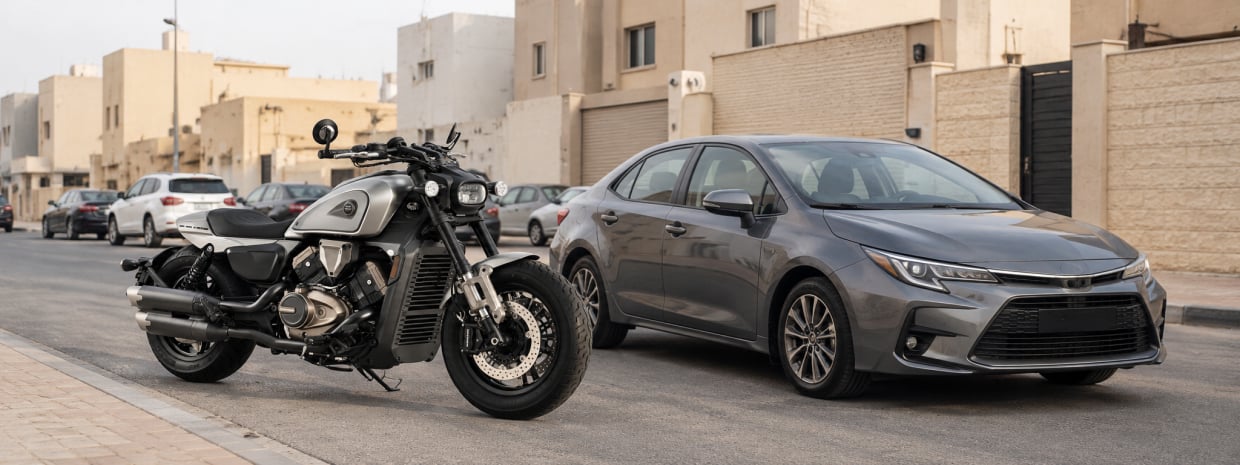
Every commuter eventually asks the same question: motorcycle vs car — which one actually gets you to work faster and cheaper? Both can do this quickly, but the lifestyle the two vehicles imply is totally different, and budget is just one part of it.
In this guide we will break down the motorcycle or car for commuting debate — pros and cons weighed against facts and real-life conditions. These 8 criteria will help you understand whether on-road motorcycles for sale actually make more sense for you than a car.
1. Motorcycle vs car: price comparison
The initial price difference is one of the strongest arguments in favour of a motorbike.
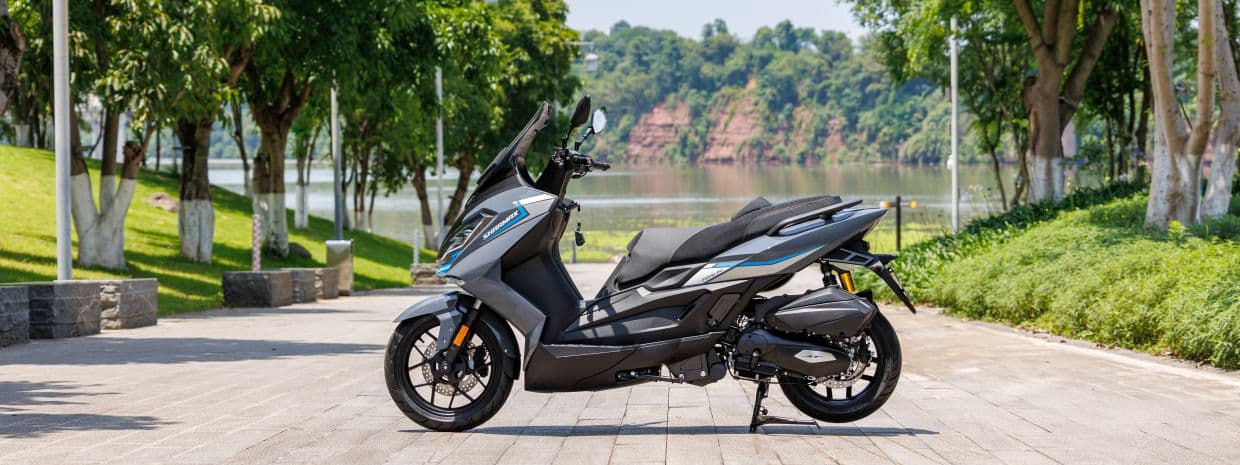
New motorcycles in Oman are available across a wide price range. For example, a commuter-focused option like the Sharmax Tank 150 scooter trades around OMR 600, with warranty and aftersales support included.
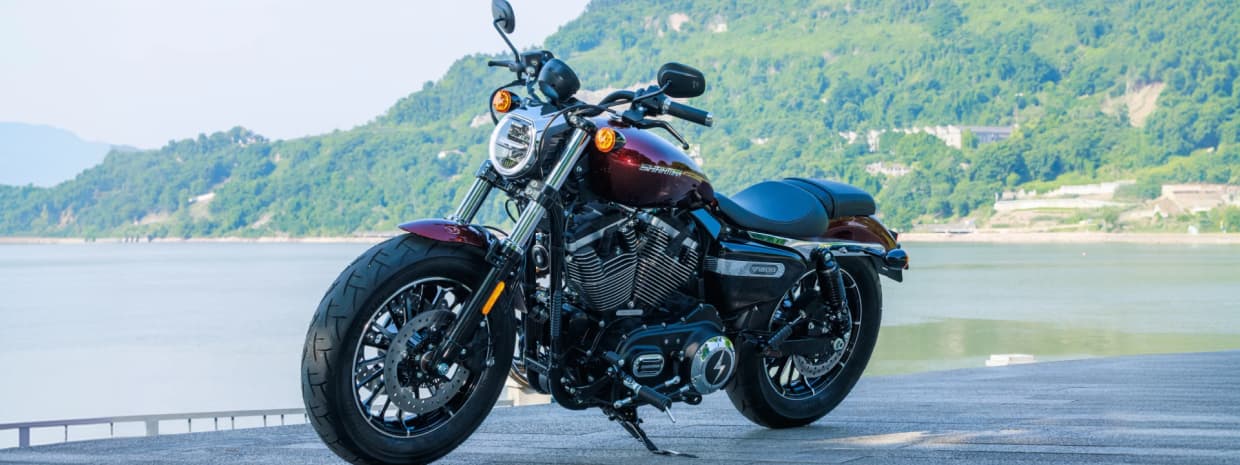
Step up to something with more highway presence, like the Sharmax RR 801V Ultra, and you’re looking at around OMR 3,000.
Compare that to an entry-level commuter car such as a Nissan Sunny, starting from around OMR 6,550, or a Toyota Corolla, starting from around OMR 7,200, and the motorcycle vs car price gap remains substantial.
| Item | Motorcycle | Car |
|---|---|---|
| Commuter model | OMR 590–1,690 | — |
| Mid-size road bike | OMR 2,790–3,790 | — |
| Entry-level sedan | — | OMR 6,550–8,300 |
| Compact sedan | — | OMR 7,200–9,500 |
Motorcycle: a commuter scooter can cost less than one-tenth of an entry-level car.
Car: far higher upfront cost, but a much broader range of passenger and cargo capabilities.
Additional entry costs:
Motorcycle licence: the official learner’s permit costs OMR 5 through a service centre or OMR 6 through the ROP app. Training costs depend on the instructor or driving school.
Car licence: the same official learner’s permit fee applies, while the total cost depends on the amount of training required.
2. Motorcycle vs car commute: running costs
Once you’re on the road, the daily commute transport comparison generally shifts in the motorcycle’s favour.
As of 2026, Mogas 95 costs 239 baisa per litre in Oman. The main difference comes from fuel consumption and everyday ownership costs.
| Cost item | Motorcycle (OMR/month) | Car (OMR/month) |
|---|---|---|
| Fuel (20 km/day commute) | ~4–5 | ~6–7 |
| Paid parking permit in Muscat | up to 20 | up to 20 |
| Registration | lower | higher depending on engine size |
Fuel consumption is where motorcycles have the clearest advantage. Across the current Sharmax range, many models use approximately 3–5 litres per 100 km, while a petrol Toyota Corolla uses around 5.9 litres per 100 km depending on the version.
A motorcycle also has fewer and smaller consumable components. Two tyres cost less than four comparable car tyres, and smaller engines generally require less oil and other fluids.
Overall, motorcycles are cheaper to run. They use less fuel, usually cost less to register, and have lower maintenance needs. Parking costs are about the same, so the main savings come from fuel and upkeep rather than day-to-day fees.
3. Which is better, motorcycle or car? Legal and licensing rules
Legal points specific to motorcycles:
Both the rider and passenger must wear a safety helmet.
A passenger may only be carried if the motorcycle is fitted with a proper passenger seat.
Motorcycles must be registered and insured before they can be used on public roads.
A motorcycle must meet the applicable registration and roadworthiness requirements set by Royal Oman Police.
Using a mobile phone while riding is prohibited under Oman’s traffic rules.
Legal points specific to cars:
Children under four must use appropriate child restraint.
Passenger numbers must not exceed the vehicle’s approved seating capacity.
Seat belts are compulsory for drivers and passengers.
Private vehicles may require technical inspection as they get older, including during registration renewal.
Note: Neither option has a major legal advantage. Both require a separate licence, registration and insurance, with the minimum licensing age set at 18. Motorcycles come with stricter rider and passenger safety requirements, while cars have more rules around passengers, child restraints and inspections as the vehicle gets older.
4. What is safer on the road: motorcycle or car?
Riders are statistically far more exposed than drivers, but the picture is more nuanced than raw fatality figures suggest.
A few key facts help put the safety difference between motorcycles and cars into perspective:
Full protective gear — helmet, jacket with armour and gloves — can reduce injury severity in many low-to-moderate speed incidents.
Motorcycle collisions in urban traffic often happen at intersections and during lane changes, where the smaller size of a bike can make it harder for other drivers to notice.
Cars offer passive protection through airbags, crumple zones and seat belts.
That does not mean motorbikes cannot be ridden responsibly. It means the consequences of an error, poor road surface or collision can be considerably more serious.
In short, a car offers a stronger physical safety package. A motorcycle requires greater exposure management from the rider.
Practical risk-reduction steps for riders:
Keep headlights on and make yourself visible to other road users.
Wear high-visibility gear, especially for early morning or evening commutes.
Avoid riding in trucks’ blind spots.
Refresh riding skills periodically, especially after a break from riding.
Note: both the motorcycle rider and passenger are required to wear a helmet in Oman. Riding without one can result in a OMR 35 fine and two black points.
5. Car vs bike commuting: practicality in traffic
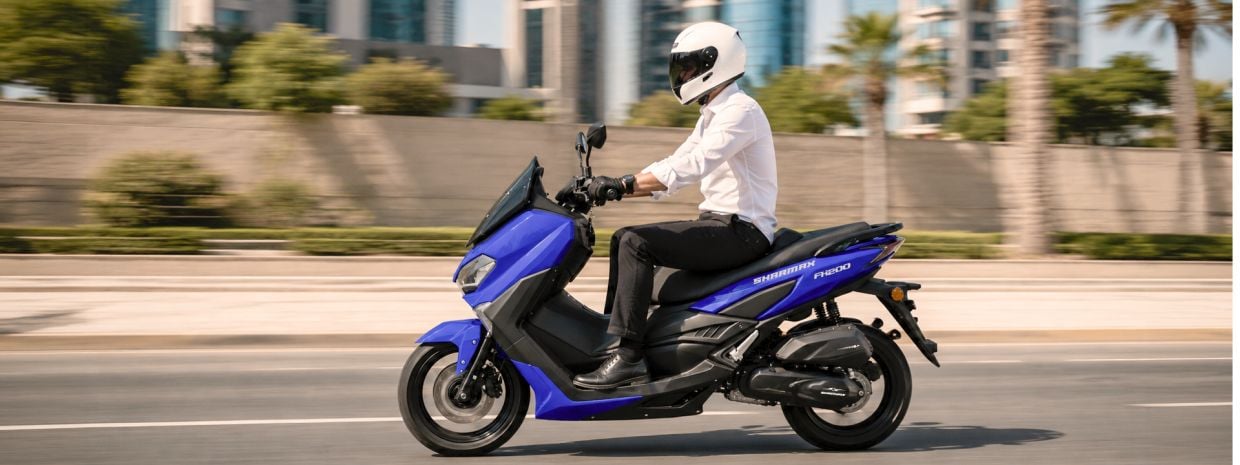
This is where the car vs bike commuting debate gets personal — it depends entirely on your route and what you’re carrying.
Motorcycle advantages:
Easier parking near offices and shops because of the smaller vehicle footprint
Easier movement in busy urban traffic
Lower fuel consumption, but that advantage has to be balanced against Oman’s summer heat
Car advantages:
Actual cargo space — groceries, work equipment and multiple passengers
Climate control, which becomes especially important during the hottest months
Practical for school runs or commuting with colleagues or family
Motorcycles can become more practical with a top box, panniers or other luggage solutions, but there is still a limit to how much they can replace a car.
For a single rider, that limitation may barely matter. For a family, it can determine the entire decision.
6. Motorcycle or car for commuting: insurance & fines
Insurance costs are another part of the motorcycle vs car comparison.
For cars, third-party insurance in Oman can start at around OMR 40–55 per year, depending on the insurer, driver age and included cover. Comprehensive insurance is considerably more expensive: published rates for private cars start from around 1.6–1.8% of the vehicle value, with minimum premiums around OMR 100–110 per year for drivers over 25.
Motorcycle insurance is usually cheaper in absolute terms because the insured vehicle value is generally lower, especially for commuter bikes. However, the exact premium depends on engine capacity, rider profile and whether you choose third-party or comprehensive cover. Oman’s Financial Services Authority lists motorcycle insurance separately by vehicle type and coverage level.
Traffic fines do not create the same cost advantage: most offences are charged according to the violation itself rather than whether you are driving a car or riding a motorcycle.
So in this category, a motorcycle is generally cheaper to insure, while traffic fines are broadly comparable for both.
7. Emissions and the future of commuting
Motorcycles generally use less fuel per kilometre than a standard petrol car, although the gap narrows against hybrid and electric vehicles.
Electric motorcycles can also make sense for shorter city routes because of their low energy and maintenance requirements, while electric cars increasingly offer another alternative to conventional petrol commuting.
The basic trade-off remains similar: smaller two-wheelers generally require less energy to move, while cars provide far more enclosed space, passenger capacity and comfort.
8. Emotions and riding appeal: what are you really looking for?
This is the most subjective part of the comparison, but for many people it is also one of the most important.
A motorcycle offers something that is difficult to measure purely in terms of cost or practicality:
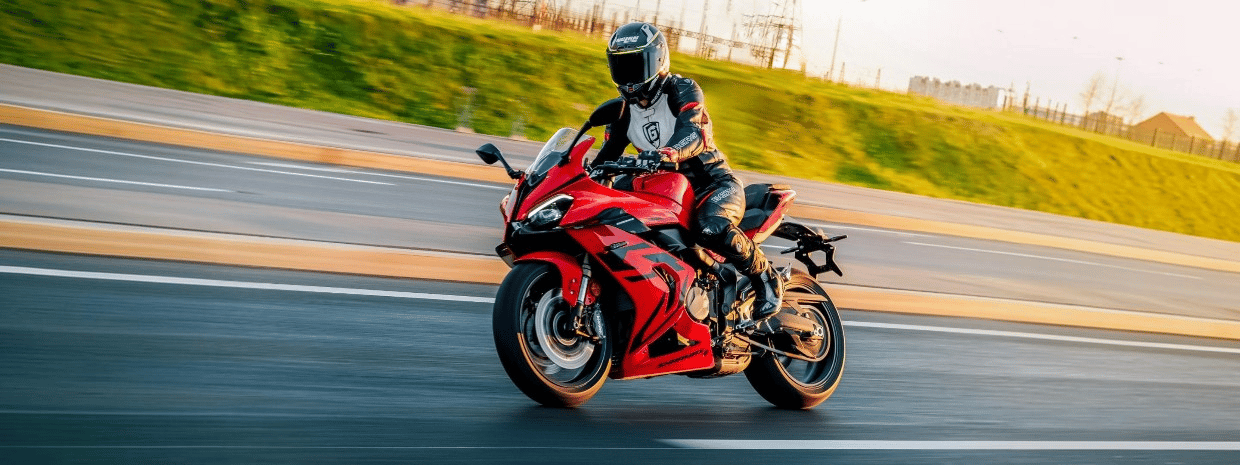
A stronger sense of freedom. Riding is much more direct and involving than driving a car. The rider feels the road, the movement of the bike and the surrounding environment much more closely.
A stronger community aspect. Motorcycle culture often comes with group rides, clubs and a sense of belonging that is less common among ordinary car owners.
More emotional involvement. For many riders, the motorcycle is not simply a way to get from one place to another. The ride itself becomes part of the experience.
A car offers a very different kind of appeal:
Family comfort. It is far easier to travel with children, friends, pets, shopping or luggage.
Entertainment and technology. Modern cars can offer Apple CarPlay, premium audio systems and a wide range of connected features.
Everyday comfort. Climate control, cruise control and a fully enclosed cabin make longer journeys and difficult weather conditions much easier.
This is also why many motorcycle owners do not see the bike as a complete replacement for a car. Instead, the two often serve different purposes: the car covers practical everyday needs, while the motorcycle is chosen for the experience of riding itself.
Final verdict: what to choose
Ask yourself:
Is your commute mostly city traffic, or long highway stretches?
Can you tolerate riding in extreme summer heat?
Do you need to carry passengers or cargo daily?
How much do you want to spend on the vehicle and licensing?
Are you prepared to obtain a separate motorcycle licence?
If most answers point toward comfort, cargo and passengers, a car is the practical choice.
If your commute is short, urban and cost-sensitive, a motorcycle can offer a significantly lower entry price and lower fuel consumption.
For some Oman residents, the two vehicles can also serve different purposes: a car for family and practical use, and a motorcycle for solo commuting and recreational rides.
Visit the Sharmax showroom in Oman or its online catalog and explore on-road motorcycles starting from OMR 590. The range includes different classes of bikes, from compact scooters to larger road and sport motorcycles, with warranty and after-sales support available. Test rides are also available for riders with a valid licence.