The ultimate guide to properly storing your motorcycle in the UAE
Learn how to store your motorcycle properly in the UAE. Discover tips to protect the engine, battery, tires, and overall condition.
16 Aug 2026
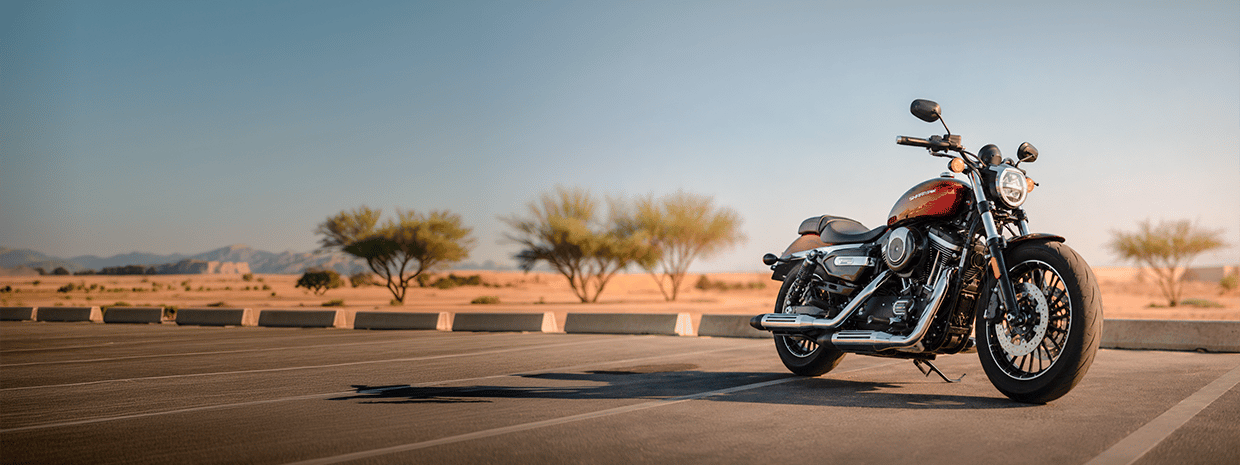
Everywhere else, riders put their bikes away for winter. In the Middle East, the story is the opposite — the season you're hiding from is summer, and by July most riders would rather park their bikes away rather than fry themselves on a ride at midday. The problem is that parking isn't the same as storing. Leave a bike sitting on the street through the hottest months and you'll pull the cover off in October to find a battery that's given up and tires that have started cracking. This motorcycle storage guide explains how to protect the bike during weeks or months of inactivity and bring it back onto the road safely.
Why outdoor parking can damage your motorcycle
When looking at a motorcycle for sale, the last thing you worry about is where to store them because bikes are all about easy parking – just leave it and go, right? Not exactly. If you plan to skip the summer heat or plan a trip home for a month or more, you need to know exactly where and how you are going to store your motorcycle in the UAE.
A shaded spot works fine in most climates. However, in the Gulf countries, this doesn't work so easily. Extreme heat drains batteries faster than anywhere temperate, dries out tires until they crack, speeds up corrosion, and turns anything flammable into a genuine hazard if it's not stored properly. Here's what actually happens if you skip proper motorcycle storage preparation and just leave the bike sitting outside:
- Overheating: rubber seals, gaskets and tires dry out and split under direct sun; paint fades and plastics go brittle
- Battery drain: a small motorcycle battery discharges far quicker than anything in a car, and two or three months of summer idle time is enough to kill one outright
- Dust and sand: fine desert grit clogs air filters, carburetors and throttle bodies, and it'll scratch chrome and paintwork too if it sits there long enough
- Moisture and corrosion: humidity is the main enemy riders forget about as it quietly starts rusting anything unprotected. Coastal Gulf cities regularly see summer humidity climb into the 80 to 90 percent range, and mornings can push close to 95 percent, which is more than enough to corrode exposed metal over a long storage stretch
Short-term vs long-term motorcycle storage
Not every bike needs the full treatment, and knowing how long it's going to be stored changes what's actually worth doing.
Short-term storage – up to one month: For a few weeks, basic preparation is usually enough:
- clean and dry the bike;
- check tyre pressure;
- lubricate the chain;
- connect a compatible battery maintainer;
- use a breathable cover.
Medium storage – one to three months: add a fuel stabiliser, an oil change, and a proper cover into the mix.
Long-term motorcycle storage – more than three months: this is where you do it properly:
- Complete all pre-storage checks.
- Remove the battery and store it separately.
- Place the motorcycle on paddock stands to lift both wheels.
- Arrange for someone to inspect the bike once a month instead of leaving it untouched until the riding season returns.
Storing a motorcycle long term requires some preparation and additional equipment.
Motorcycle storage preparation before parking
The work completed before storage usually determines how easily the motorcycle returns to service. These motorcycle storage tips cover the main jobs.
Clean and dry the motorcycle
Wash away insects, road grime, chain lubricant residue, and salt deposits. Dirt can hold moisture against the surface and hide developing corrosion.
Dry the bike carefully, paying attention to bolt heads, radiator edges, electrical connections, and areas beneath the seat. Do not cover the motorcycle while it is still damp.
A protective wax can be applied to suitable painted and metal surfaces. Avoid getting wax or dressing products on tyres, brakes, foot controls, or the seat.
Protect the fuel system
Fuel-storage procedures differ between models. Some manufacturers recommend filling the tank and adding the correct amount of fuel stabiliser before running the engine briefly so the treated fuel circulates through the system.
Never store a motorcycle near open flames, pilot lights, sparks, or equipment that may ignite fuel vapour. Fuel safety is an essential part of any motorcycle storage checklist.
Change old engine oil when required
Used oil contains contaminants produced during normal engine operation. When the service interval is close, changing the oil before long-term motorcycle storage prevents the engine from sitting for months with degraded lubricant.
Run the engine only as directed during preparation. Starting it occasionally for a few minutes without allowing it to reach proper operating temperature may create condensation rather than help the bike.
Lubricate the chain and exposed parts
Clean and lubricate the drive chain before parking. This protects the links from corrosion and prevents old dirt from hardening around the rollers.
Check exposed cables, pivots, and metal fasteners. Use only products suitable for the component. Keep lubricants away from brake discs and tyre surfaces.
How to store a motorcycle battery safely
Battery care deserves its own place in any motorcycle storage guide.
For a conventional motorcycle, you can either connect a manufacturer-approved maintainer or remove the battery if the bike will remain parked for several months. Store a removed battery upright in a dry, temperature-controlled space and check its charge periodically.
Do not place it beside fuel, solvents, direct heat, or flammable materials. Confirm the correct charging procedure for lithium and lead-acid batteries, as they require different equipment.
Motorcycle storage tips for tires
Rubber compounds break down fast under sustained heat and UV, and motorcycle tires are more exposed to this than most people realize — hardened tread or a split sidewall from months of neglect can turn into a blowout the first time you push speed again.
A few practical steps make the difference:
- Fill tires to the correct pressure before storage — underinflated tires flatten faster and unevenly
- Use a paddock stand to lift the tires off the ground entirely, taking weight and heat stress off the rubber
- Cover tires with a breathable cloth rather than plastic, since plastic traps heat rather than blocking it
- Check the manufacture date stamped on the sidewall, and retire anything older than five years regardless of tread depth
- Inspect for cracks or bulges before the first ride back, not after
- Keep tires away from direct sunlight.
Fluids to include in a motorcycle storage checklist
Engine oil
Check the oil level before parking. When replacement is due soon, change the oil and filter before storing the motorcycle long term.
Coolant
Inspect the expansion tank and look for leaks around hoses, clamps, and the radiator. Use only the coolant type specified by the manufacturer.
The cooling system will be particularly important when the bike returns to UAE roads. A low level or blocked radiator may quickly become a problem during the first ride in warm weather.
Brake fluid
Check the fluid level and colour. Brake fluid absorbs moisture over time, which can reduce its boiling performance and contribute to corrosion inside the system.
Replace it according to the manufacturer's service interval rather than judging it only by mileage.
Best ways to store a motorcycle in the UAE
Choosing the right location is just as important as preparing the motorcycle itself.
Climate-controlled motorcycle storage
A professional indoor facility is often the safest option for valuable motorcycles or extended periods. Look for controlled access, ventilation, fire protection, and clear insurance terms.
Climate control can reduce exposure to extreme heat and humidity, but the motorcycle should still undergo full motorcycle storage preparation.
Private garage
A clean private garage provides convenient access for monthly checks. The room should remain dry and reasonably ventilated.
Do not run the engine in a closed garage. Keep the motorcycle away from heaters, electrical equipment that produces sparks, and stored chemicals.
Ventilated warehouse
A warehouse can work for long-term motorcycle storage when it is secure and protected from dust. Check whether the bike will be moved by staff and whether insurance covers accidental damage.
Covered residential parking
Covered parking is better than leaving the bike in direct sunlight, but it offers limited protection from humidity and windblown sand. Use a high-quality breathable cover and secure it so that it cannot rub against the bodywork.
For several months of inactivity, residential parking is rarely the best way to store a motorcycle unless no indoor alternative is available.
Equipment that makes motorcycle storage easier
Paddock stands
Paddock stands keep the motorcycle upright and reduce prolonged pressure on the tyres. They also make it easier to inspect the chain and wheels during storage.
Use stands designed for the motorcycle's weight and lifting points. The floor must be level and stable.
A breathable motorcycle cover
A good cover blocks dust and UV exposure while allowing moisture to escape. A cheap non-breathable cover may trap condensation and cause more harm than it prevents.
Wait until the exhaust and engine are cool before fitting it. Make sure the inside of the cover is clean so that trapped sand does not scratch the paint.
Battery maintainer
A compatible maintainer can keep a conventional battery charged during motorcycle storage. Confirm that it suits the battery chemistry and does not rely on an unsafe extension-cable arrangement.
Moisture-control products
Moisture absorbers can help in enclosed storage rooms, but they do not replace proper ventilation. Position them where leaking liquid cannot reach the motorcycle.
Final motorcycle storage checklist
Before leaving the bike, work through this motorcycle storage checklist:
- Wash and dry the motorcycle completely.
- Check for fluid leaks.
- Protect the fuel system as instructed by the manufacturer.
- Change the oil when the service interval is close.
- Lubricate the chain.
- Set the correct tyre pressure.
- Use suitable stands when available.
- Connect or remove the battery correctly.
- Cover the cooled motorcycle with a breathable cover.
- Secure the bike and record every preparation step.
- Inspect it monthly during extended storage.
Writing down what you changed, disconnected, or covered will also help when the time comes to return the bike to service. Harley-Davidson similarly recommends keeping a list of the storage work as a reference.
Preparing for the first ride after storage
That first ride after months in storage is statistically the one where things go wrong, so don't skip the once-over.
- Remove the cover and inspect the motorcycle in good light. Look beneath it for leaks. Check the tyres for pressure loss, cracking, or flat spots. Test the brakes before entering traffic.
- Reconnect and secure the battery where applicable. Check the lights, horn, controls, and warning indicators. Inspect the chain for rust and adjust or lubricate it when required.
- Start the engine according to the owner's manual. Let it settle into a stable idle and listen for unusual sounds. Ride gently at first so the tyres, brakes, and engine can return to normal operating conditions.
- Replace any component showing cracking, corrosion, leakage, or electrical damage. The purpose of motorcycle storage is to protect the bike, but the final inspection confirms whether that protection worked.
Get storing a motorcycle long term right, and the bike that goes into the garage in June comes out in October ready to ride, not ready for a workshop bill. A little discipline now is what keeps the fun part of riding actually fun once the weather turns.
Final thoughts
The best results come from three things: a suitable location, careful preparation, and occasional checks. Following this motorcycle storage guide helps prevent a dead battery, damaged tires, fuel-system trouble, and corrosion. More importantly, it ensures that the first ride after summer begins with confidence rather than an unexpected repair bill.