How to choose a commuter motorcycle for daily riding in Saudi Arabia’s heat
Learn how to choose a commuter motorcycle for daily riding in Saudi Arabia’s heat. Compare cooling, engine size, comfort, fuel use, and suitable Sharmax models.
09 Nov 2026
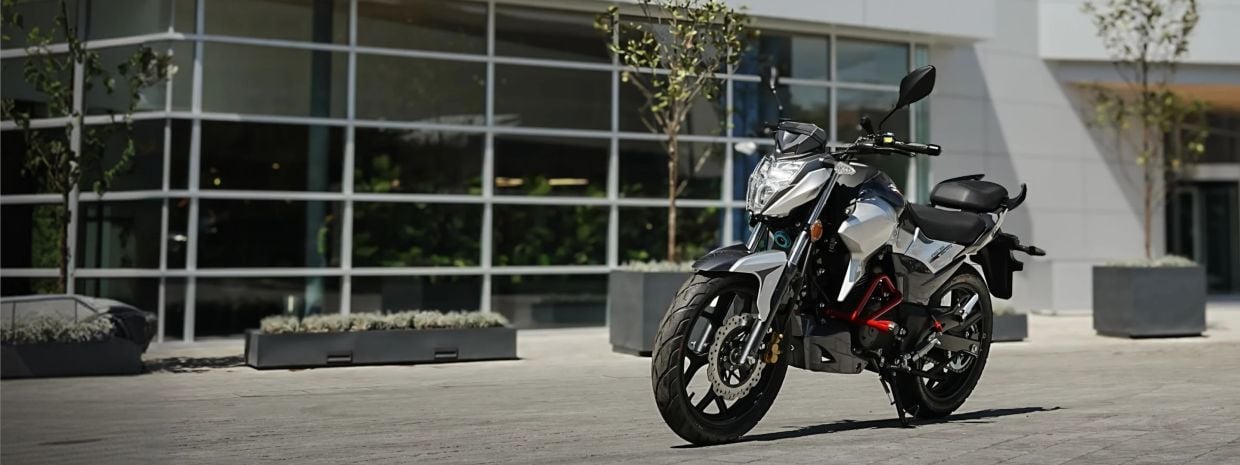
A good commuter motorcycle in Saudi Arabia must handle daily traffic, high temperatures, and frequent stops without becoming uncomfortable or expensive to maintain. Engine cooling, fuel efficiency, riding position, and the distance you travel matter more than maximum speed alone. Browse motorcycles for sale in Saudi Arabia to compare models that suit your everyday route.
Choose a motorcycle based on your daily route
Before comparing specifications, consider how far you travel and what roads you use.
| Daily route | What to look for |
|---|---|
| Short city trips, around 5–15 km | A lightweight motorcycle or automatic scooter that's easy to park and handle in traffic |
| Mixed city roads, around 15–40 km | Comfortable seating, manageable power, good fuel efficiency, and reliable brakes |
| Longer commutes with highways | Sufficient power for the road's permitted speeds, wind protection, and a comfortable riding position |
These distances are examples, not strict engine-size categories. A 150 cc scooter may work well for city errands but lack the performance needed for faster routes. Always consider the motorcycle's actual capabilities and the roads on your commute.
Engine cooling: air-cooled vs liquid-cooled motorcycles
Cooling is particularly important when choosing a commuting motorcycle for Saudi Arabia. During summer, slow-moving traffic can reduce airflow around the engine.
Air-cooled engines
Air-cooled motorcycles use airflow around the engine to remove heat. They generally have fewer cooling-system components, which can simplify maintenance.
These engines can be suitable for daily commuting when the motorcycle is designed for the intended conditions. However, prolonged idling and heavy traffic can make heat management more demanding.
Liquid-cooled engines
Liquid-cooled motorcycles use coolant, a radiator, and often a fan to manage engine temperature. The system can provide more consistent temperature control in stop-and-go traffic.
For a daily commuter spending significant time in congestion, liquid cooling is worth considering. However, the radiator, coolant, hoses, and fan also need regular inspection.
Neither system guarantees trouble-free riding in extreme heat. The motorcycle's overall design and maintenance condition are more important than the cooling label alone.
Engine performance and gearing
For mostly urban commuting, motorcycles in the 125–250 cc range are often worth considering. They can be easier to manage in traffic and typically have more modest fuel requirements than larger performance bikes.
For regular highway travel, a 250–500 cc motorcycle may offer more flexibility, depending on its power, gearing, weight, and rated performance. Larger engines can provide additional power, but they also affect purchase and running costs.
Transmission matters too. Automatic scooters remove the need for frequent gear changes, while manual motorcycles give riders more direct control. Neither is automatically better; the right choice depends on your route and preferences.
Riding position and comfort
A comfortable motorcycle should allow you to reach the handlebars naturally, operate the controls without stretching, and place your feet securely when stopping.
For everyday riding, look for:
- Seat height: Common road-bike seat heights vary widely; around 760–800 mm is a useful comparison range, but fit depends on your leg length.
- Weight: A motorcycle around 100–150 kg may be easier to move around a crowded parking area than one weighing over 200 kg.
- Riding posture: An upright position generally puts less strain on the wrists and back during longer commutes.
- Wind protection: A windshield or fairing can reduce wind pressure on faster roads, although it may also affect airflow around the rider.
Try sitting on the motorcycle before buying. A bike that feels comfortable for five minutes may not be suitable for a 40-minute commute.
Fuel consumption and everyday costs
A motorcycle for daily use should be economical over months of regular riding, not just affordable to purchase.
For example, consider two motorcycles covering 1,000 km per month:
- At 3 L/100 km, fuel use is approximately 30 liters.
- At 5 L/100 km, fuel use is approximately 50 liters.
That is a difference of 20 liters per month. Actual consumption depends on traffic, engine size, vehicle load, and riding style.
Also consider servicing intervals, tire replacement, brake wear, insurance, and the availability of replacement parts. These expenses can affect the total cost of a daily commuter.
Five Sharmax motorcycles to consider in Saudi Arabia
The Sharmax Saudi Arabia catalog includes scooters, touring motorcycles, cruisers, and naked bikes. The following five models suit different commuting needs.
FX 200
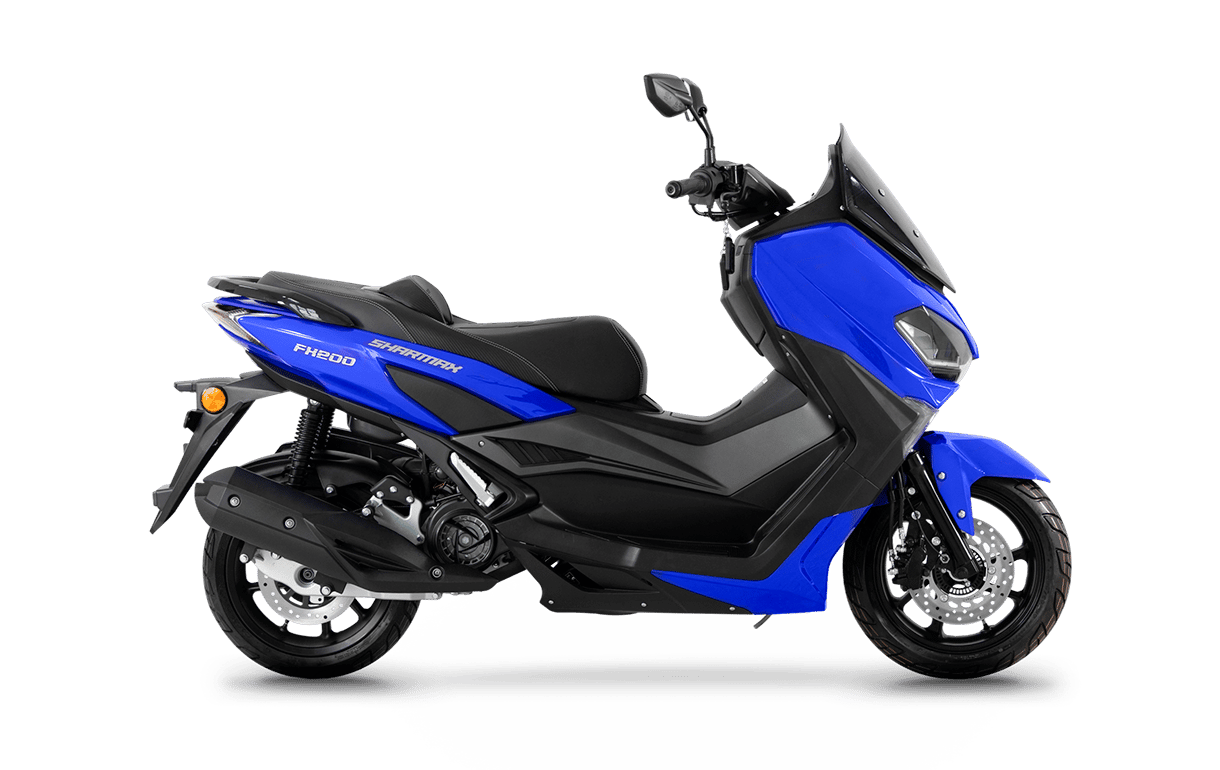
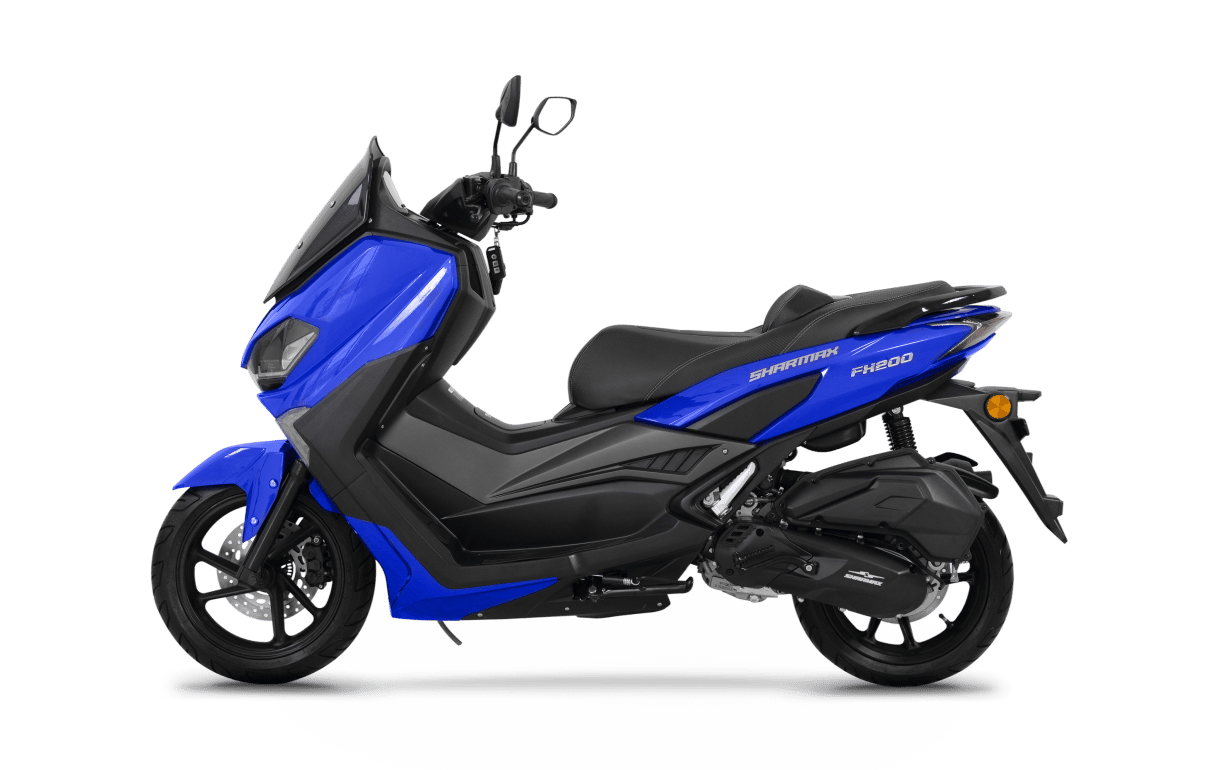
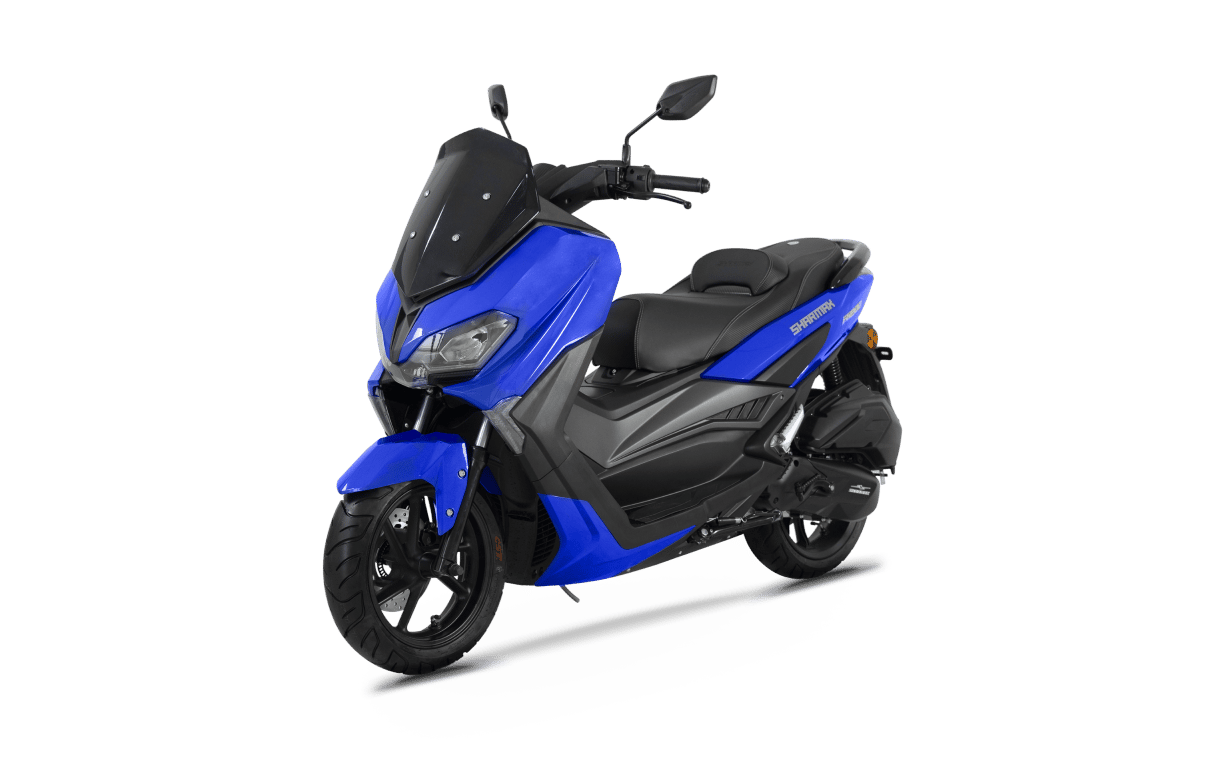
Despite its model name, the FX 200 has a 150 cc engine in the Saudi Arabia specifications. Its automatic CVT transmission makes it practical for stop-and-go traffic.
This maxi scooter is worth considering if you prefer an easy-to-use transmission, a comfortable two-seat layout, and manageable dimensions. Its 128 kg curb weight also helps with parking and low-speed maneuvering.
It is primarily a city commuter rather than a motorcycle for regular high-speed highway travel.
Displacement (cc)
150
Power (hp)
18
Cooling system
Air-cooled
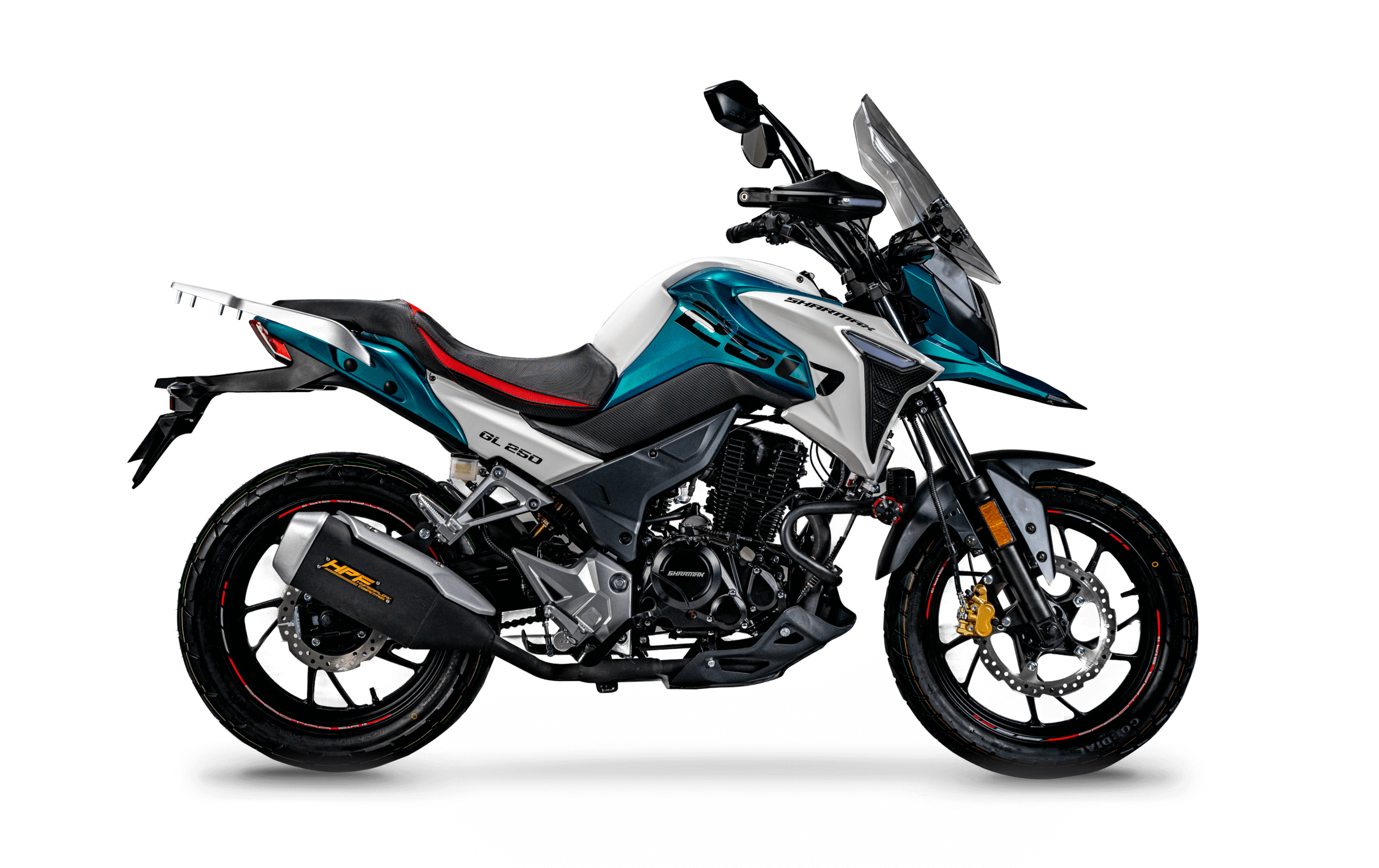
GL 250 Dubai
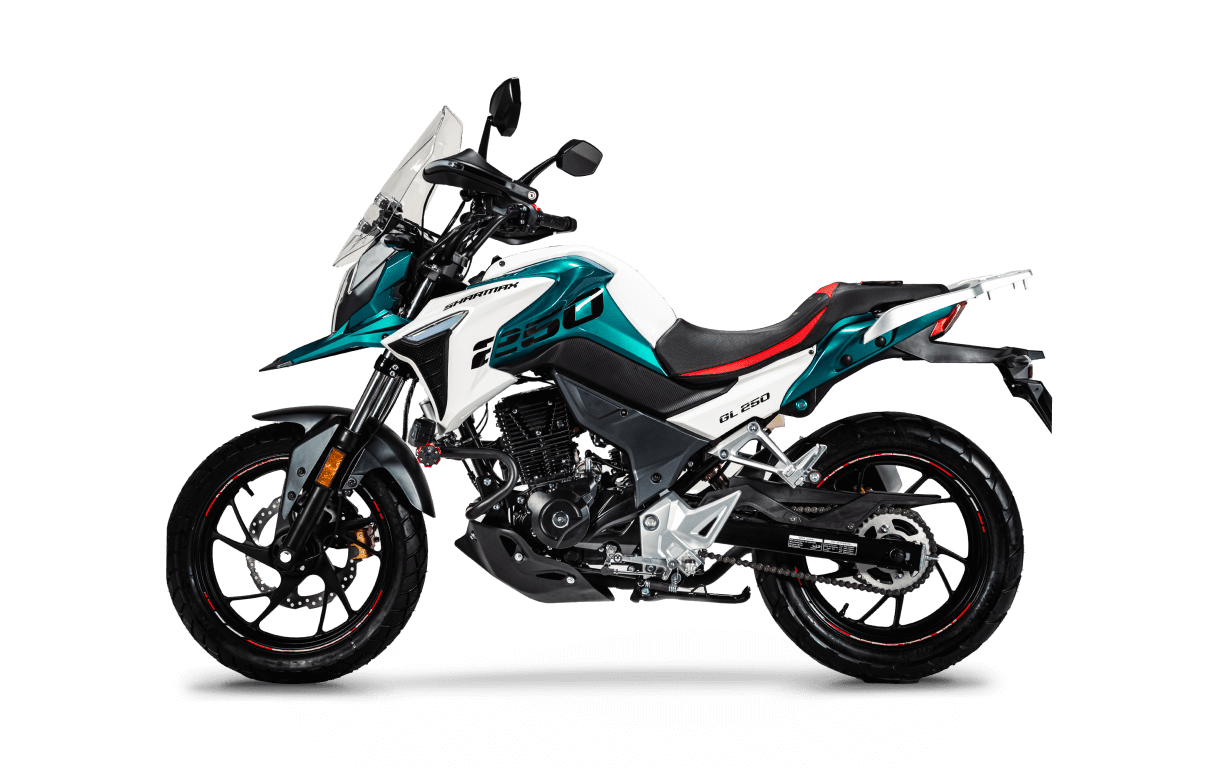
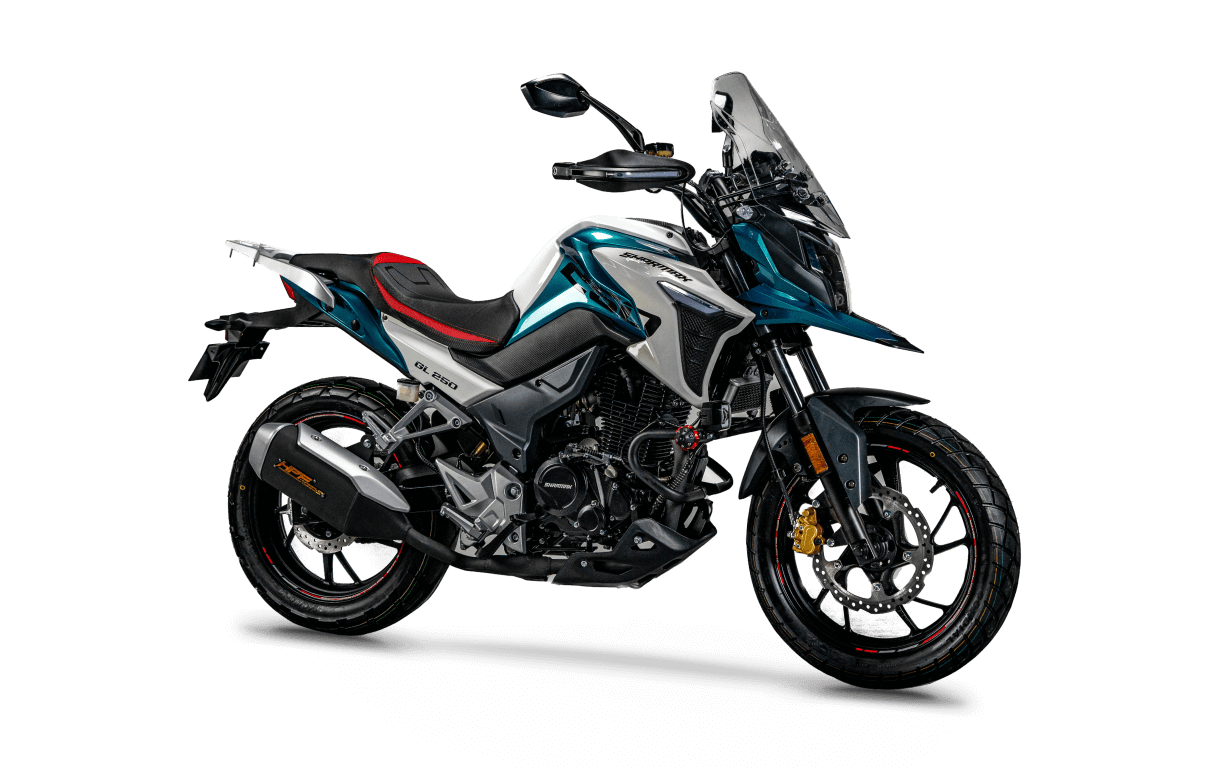
The GL 250 Dubai combines a 250 cc engine with a touring-oriented design. At around 147 kg, it remains relatively manageable for a touring-style motorcycle and can suit commutes that combine city streets with longer paved-road sections.
Its upright riding position, windscreen, and six-speed manual gearbox make it a practical middle-ground option between a small city bike and a heavier touring motorcycle.
Riders planning frequent high-speed highway travel should still check whether its performance matches their regular route.
Displacement (cc)
250
Power (hp)
25
Cooling system
Air
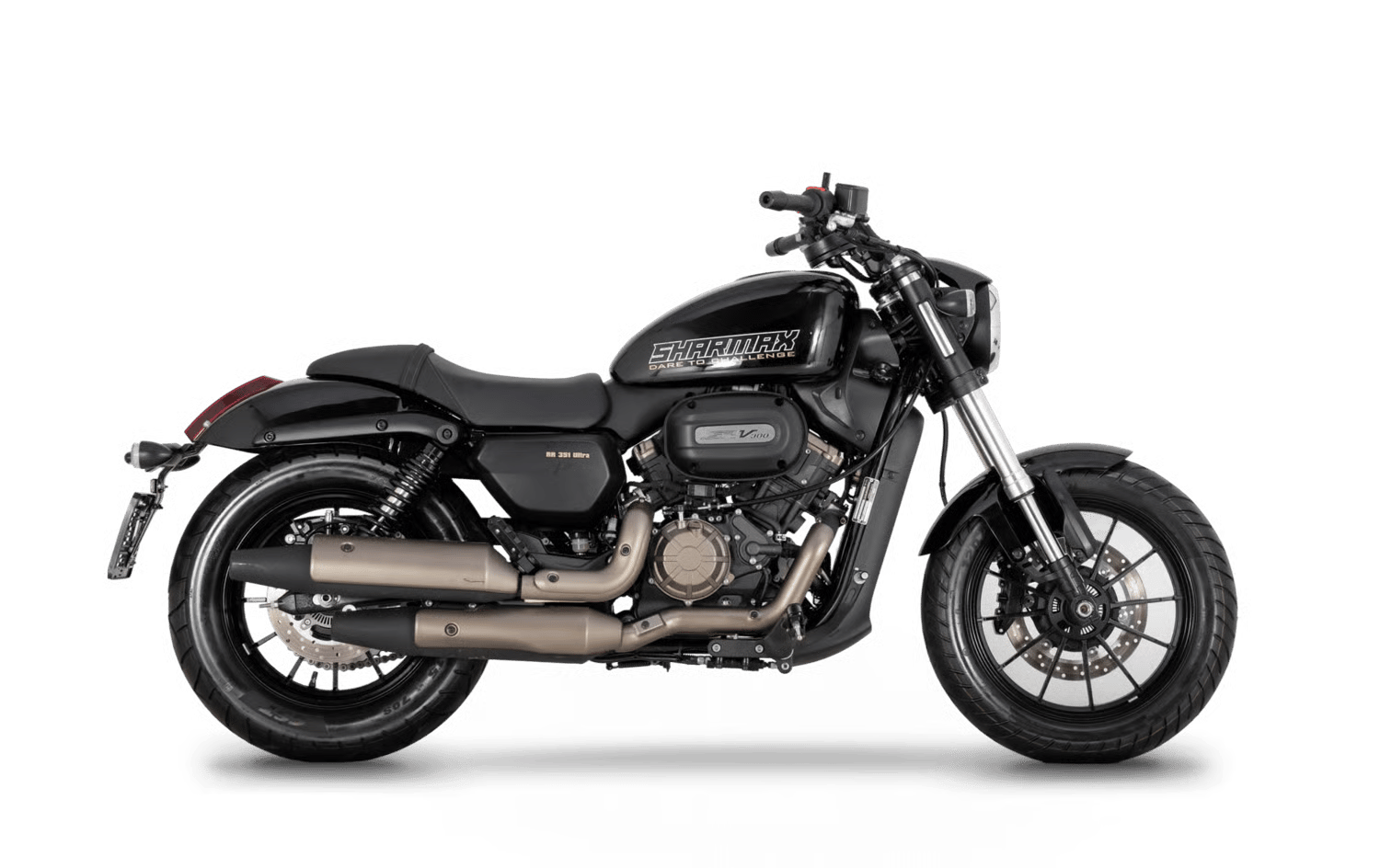
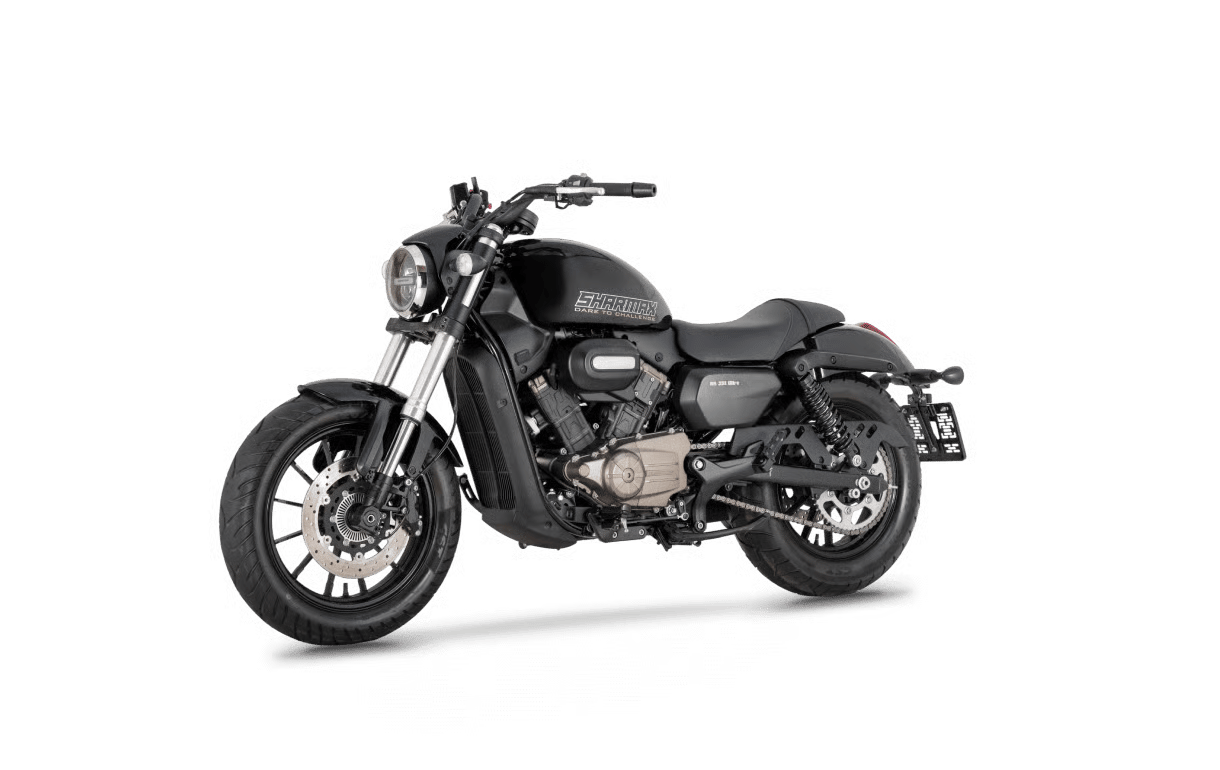
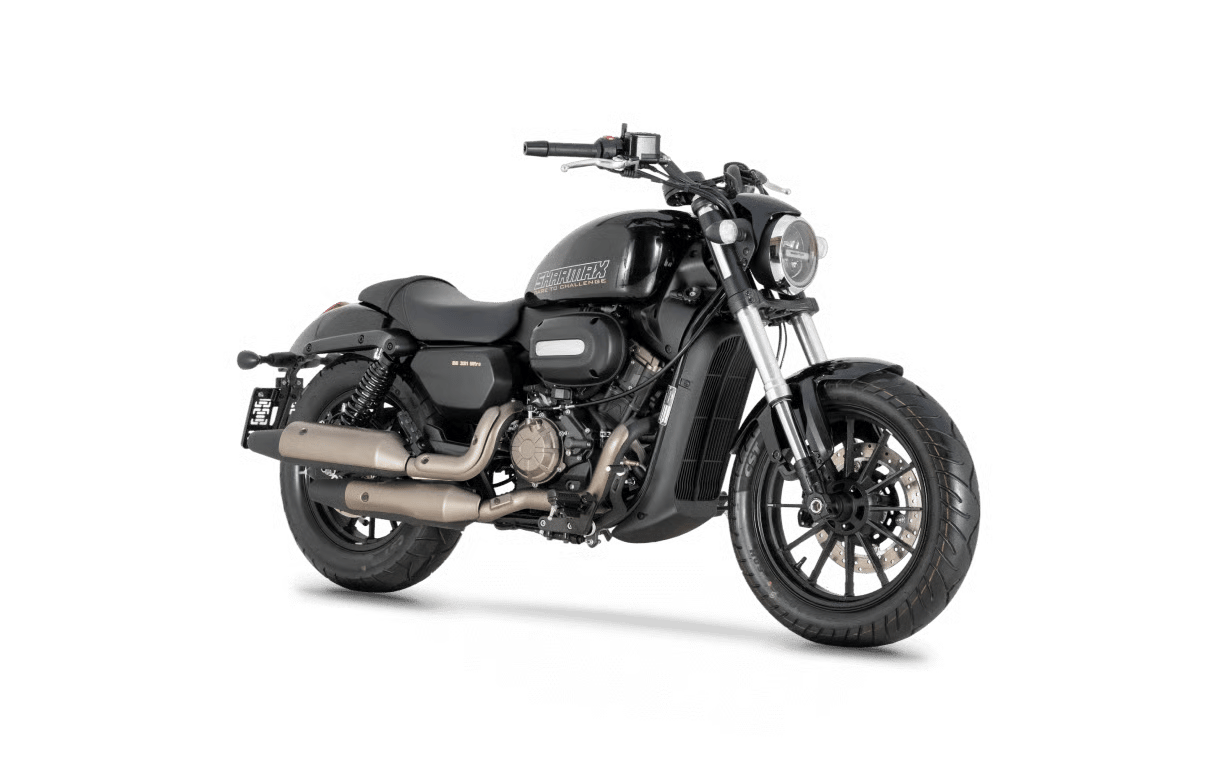
RR 351
The RR 351 is a cruiser-style road motorcycle with a 296 cc V-twin engine producing 30 hp and a six-speed manual transmission.
Its 700 mm seat height and relaxed riding position may appeal to commuters who prefer a lower motorcycle. At approximately 164 kg, it remains more manageable than many larger cruisers, although its weight and handlebar reach should be checked in person.
The RR 351 is worth considering for daily city trips and relaxed paved-road riding. Its moderate engine size and relaxed ergonomics make it a practical middle ground between a small commuter and a larger cruiser.
Engine configuration
V-twin, 4-stroke, DOHC, 4 valves per cylinder
Displacement (cc)
296
Power (hp)
30
Cooling system
Liquid-cooled
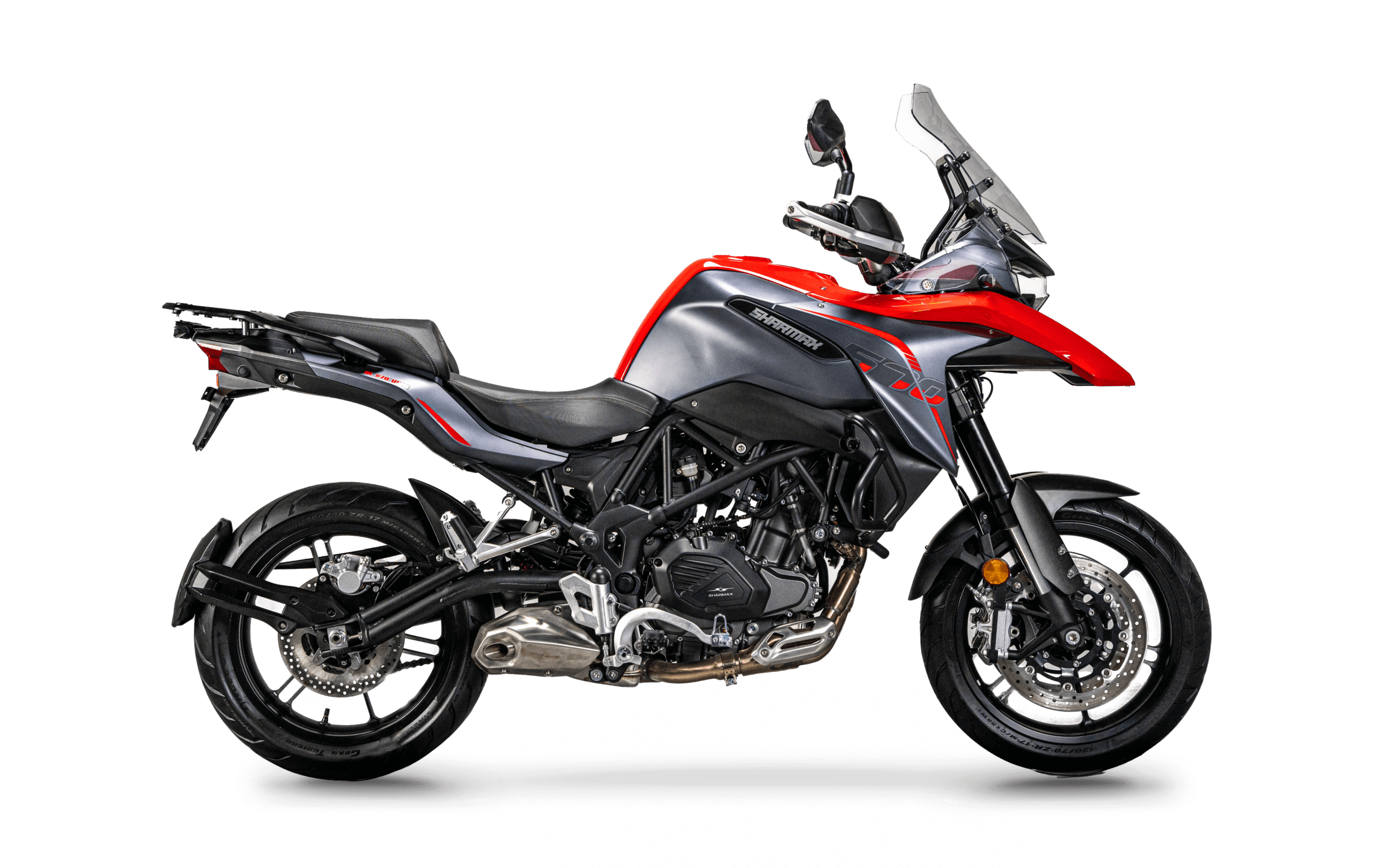
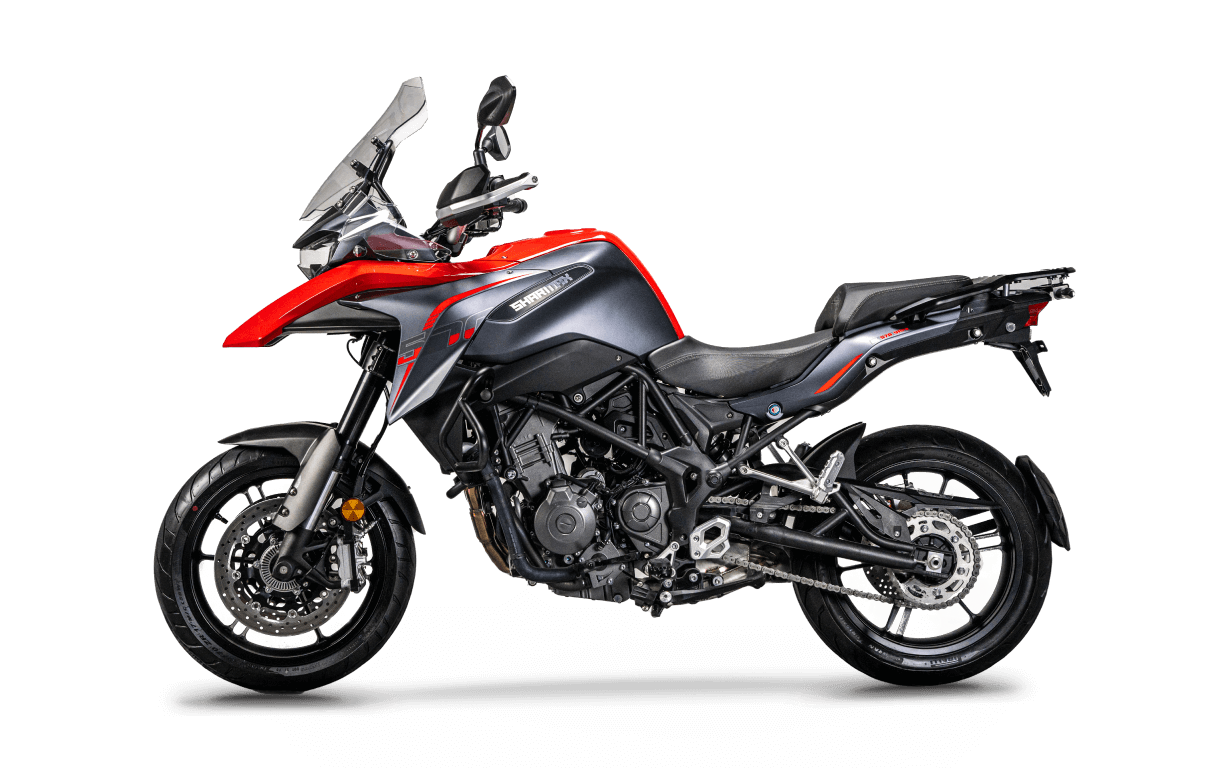
GL 570 Ultra
The GL 570 Ultra has a 554 cc, liquid-cooled engine and a touring-oriented layout. Its larger engine, wind protection, and road-focused design make it more relevant to longer commutes.
At approximately 235 kg, it is considerably heavier than a small scooter, so parking and slow-speed handling require more effort.
It is a practical comparison option for riders who regularly cover longer distances and want a motorcycle that can also handle weekend touring.
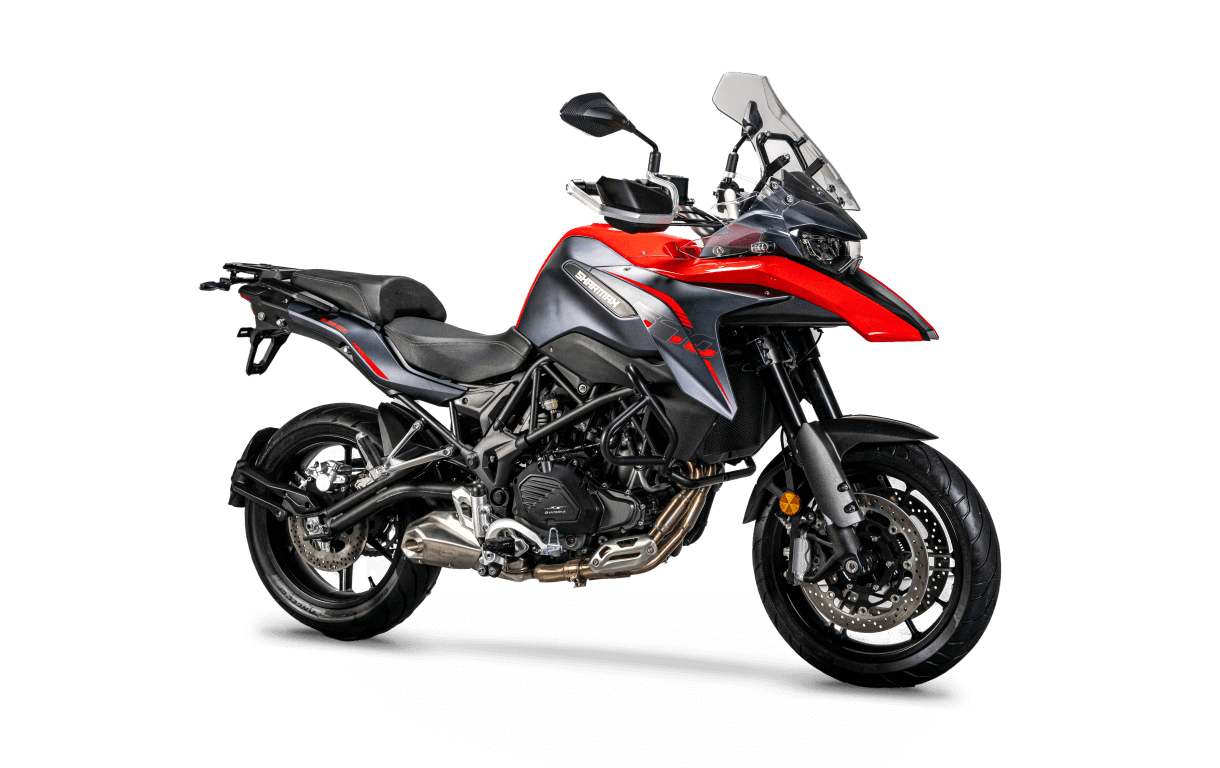
Displacement (cc)
554
Cooling system
Liquid-cooled
Power (hp)
48
Street Bike 175 ME Max Ultra
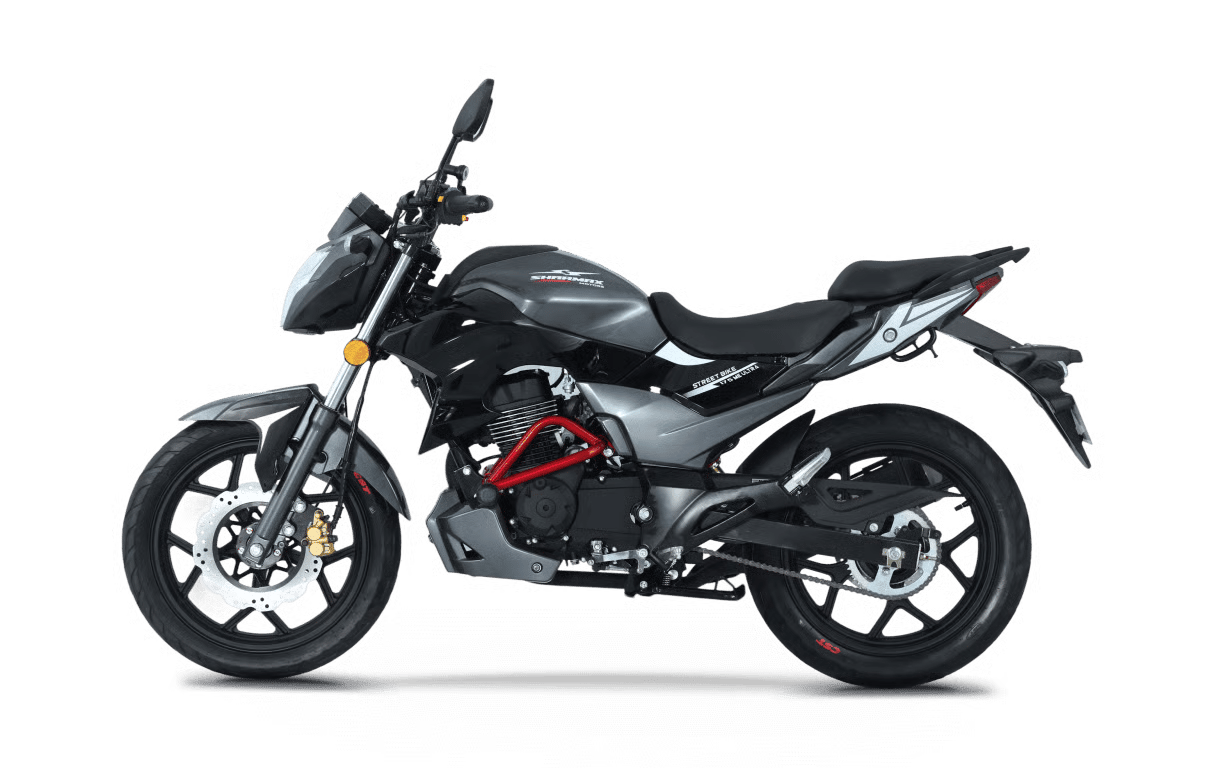
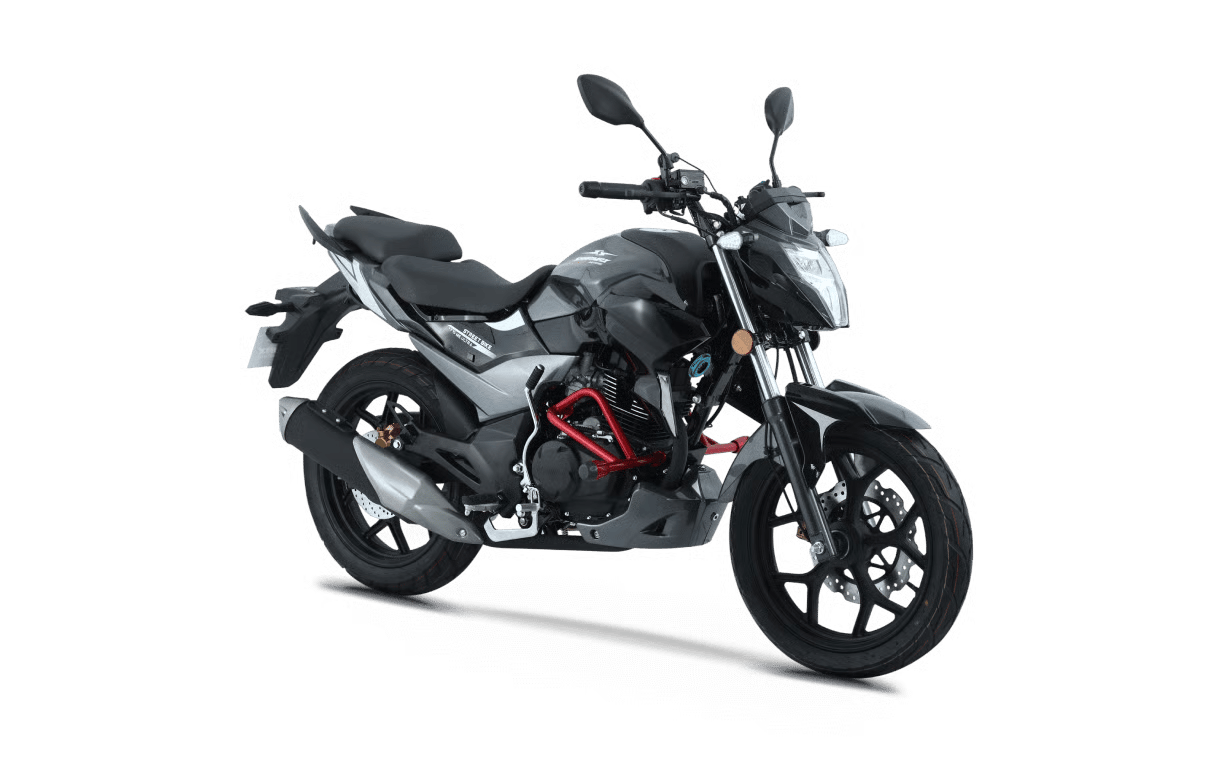
The Street Bike 175 ME Max Ultra is a lightweight street motorcycle built around daily commuting, with a 175 cc engine, around 12 hp, and a five-speed manual transmission.
Its upright layout, manageable output, and simple controls make it a more approachable option for everyday city riding.
Its low fuel use and commuter-focused setup make it well suited to regular urban trips, especially when running costs and easy control matter more than outright performance.
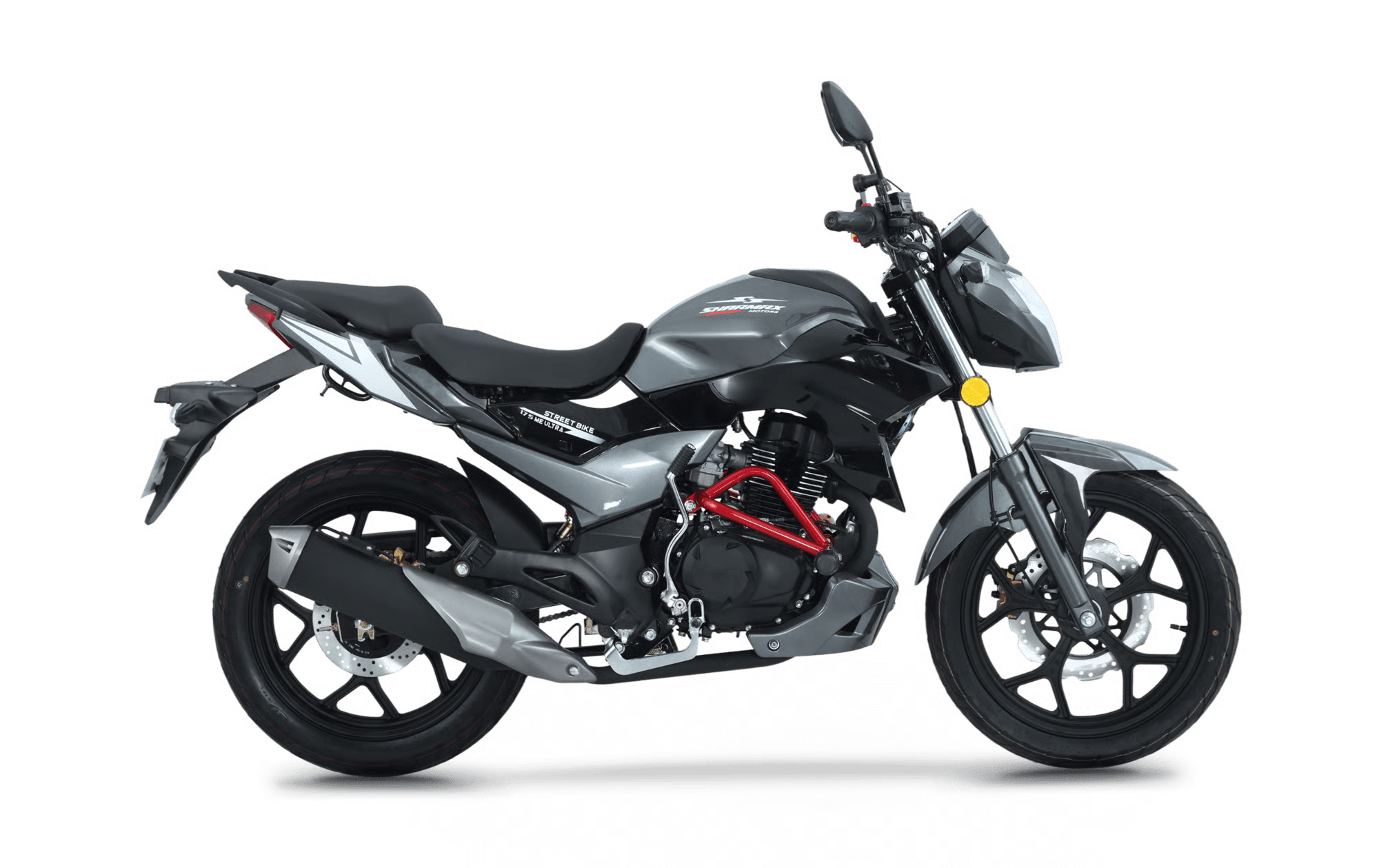
Displacement (cc)
175
Power (hp)
12
Cooling system
Air-cooled
| Model | Engine displacement | Cooling | Best considered for |
|---|---|---|---|
| FX 200 | 150 cc | Air | Urban commuting with automatic transmission |
| GL 250 Dubai | 250 cc | Air | Mixed city and longer paved-road trips |
| RR 351 | 296 cc | Liquid | City commuting with relaxed cruiser ergonomics |
| GL 570 Ultra | 554 cc | Liquid | Longer routes with regular highway travel |
| Street Bike 175 ME Max Ultra | 175 cc | Air | Urban commuting with low running costs |
How to prepare a motorcycle for daily riding in hot weather
High temperatures and stop-and-go traffic put extra strain on motorcycles and riders. These precautions can make daily commuting in Saudi Arabia safer and more comfortable.
Check the cooling system before riding
Before riding in 40°C heat, check the engine oil and coolant levels where applicable. Keep radiator fins and cooling-air passages free of dust, and check that the cooling fan works correctly.
Avoid unnecessary engine heat in traffic
Slow traffic reduces airflow around the engine. Avoid prolonged idling and aggressive acceleration. If stopped for an extended period, switch off the engine when safe and appropriate.
Use the correct engine oil
Use the oil viscosity and specification recommended by the manufacturer, such as 10W-40 where approved. Check the oil level regularly and follow the service schedule.
Plan your commute around extreme heat
Whenever possible, travel earlier in the morning or later in the evening. Choose routes with fewer prolonged traffic delays to reduce heat exposure.
Park in the shade and use a motorcycle cover
Choose covered or shaded parking to reduce sun exposure. A breathable, UV-resistant motorcycle cover can also protect the seat, paint, and plastic parts. Allow the engine and exhaust to cool completely before covering the bike.
Carry water and stay hydrated
Carry drinking water, preferably in an insulated bottle, even on shorter commutes. Take water breaks in the shade, especially during temperatures above 40°C. Wear ventilated protective riding gear to help manage body heat.
Watch for signs of overheating
Pay attention to temperature warnings, coolant leaks, or unusual engine behavior. If the motorcycle overheats, stop safely and switch off the engine. Let it cool and never open a hot radiator cap.
Final thoughts
The best commuter motorcycle is the one that matches your actual daily journey.
For short city trips, a lightweight scooter can be practical and economical. For mixed routes, a manageable road motorcycle or a comfortable cruiser may provide a better balance of handling and performance. Longer highway commutes can justify a larger touring or naked motorcycle, provided the rider is comfortable managing the additional weight and power.
Prioritize suitable cooling, comfortable ergonomics, reliable brakes, and affordable maintenance. Compare available options in the Sharmax Saudi Arabia on-road motorcycle catalog before making a decision.