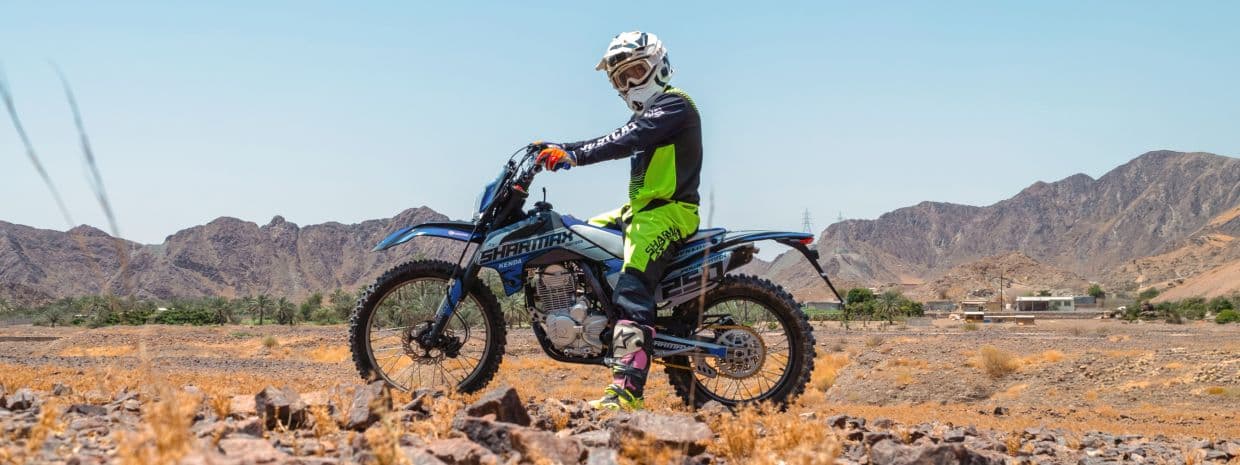
Best motorcycles for long-distance touring in Qatar
Discover the best motorcycles for long-distance touring in Qatar. Learn comfort, range, stability and features for smooth long highway rides.
12 Oct 2026
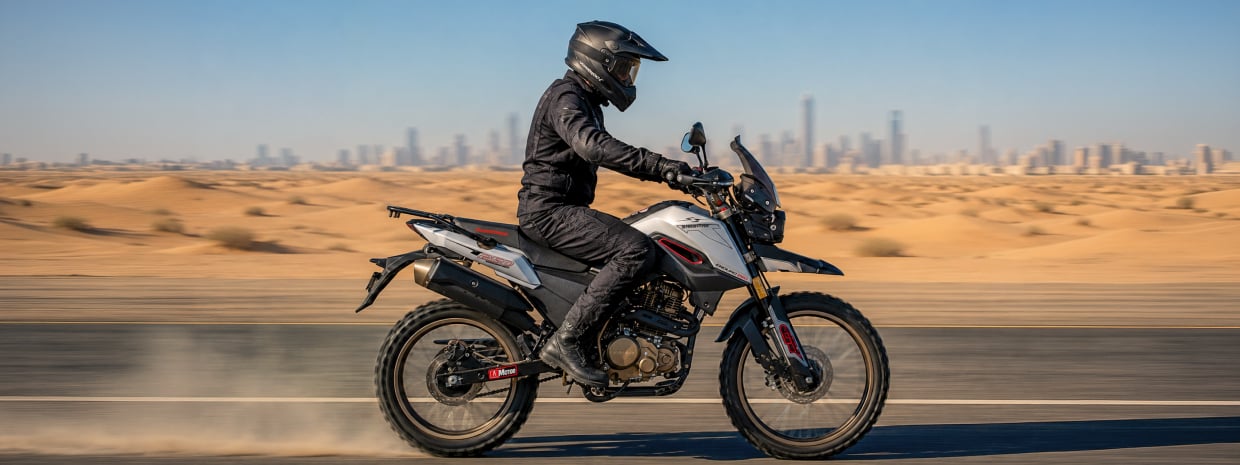
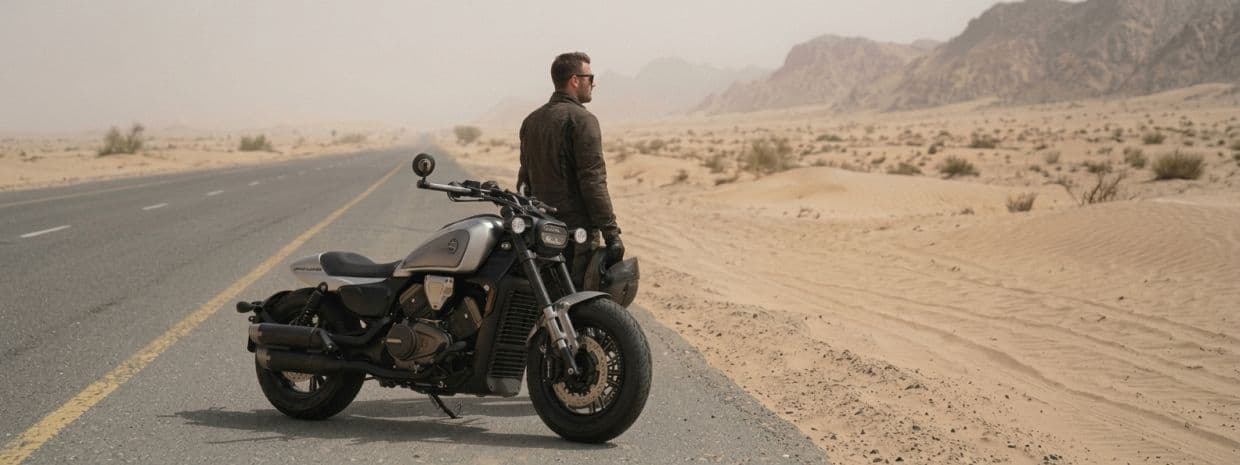
Qatar is compact, but long rides still add up quickly. Doha to Dukhan is around 90 km one way, so a return trip can easily mean close to 180 km on the road. Motorcycles for long-distance touring are built to make this kind of highway riding more comfortable and less tiring.
Sharmax has created the GL lineup of touring motorcycles for sale across several engine and performance classes for exactly this type of use. Below, we get into what actually makes a good long-distance motorcycle and which Sharmax model fits which kind of rider in Qatar.
Motorcycle long-distance comfort: what really matters?
Seat and riding position
Ask any rider what they think about first when it comes to motorcycles long distance comfort, and it's almost always the seat. A touring seat needs enough width to actually support you, and enough room that you can shift around without running out of space.
Handlebar height and footpeg position do a lot of the quiet work too. Sit more upright and your wrists, back, and knees thank you a few hours in — hunched-forward sportbike posture just isn't built for that kind of mileage.
Seat height and rider fit
Seat height changes how confident you feel at a stop just as much as it changes comfort on the move, especially once the bike's loaded up.
Most touring bikes land somewhere between 780–830 mm, which works fine for average-height riders. Go lower and it's easier to plant your feet; go taller and you usually pick up legroom and ground clearance in return.
Weight plays into this just as much. Mid-size tourers typically run 200–240 kg, and the larger ones push up toward 250–270 kg. A heavier motorcycle for long distance riding tends to feel planted and stable once you're actually moving on the highway, but that same weight makes itself known the moment you're walking it backward out of a parking spot or wrestling it around with bags on.
Wind protection
Past a certain speed, wind stops being a minor annoyance and becomes the main thing wearing you out. A tall windscreen and front fairing take that pressure off your chest and helmet and route it around you instead — at 100–120 km/h over several hours, it's the kind of difference you actually feel in your shoulders by the end of the ride.
Adjustable windscreens are worth the extra cost for this reason alone — being able to tune the height or angle for your own riding position beats a fixed screen built for an "average" rider who probably isn't you.
Fuel tank size and range
A bigger tank means fewer stops on the way. Somewhere in the 18–24 liter range is a solid target for a long distance motorcycle. Actual range still comes down to consumption, speed, and how loaded the bike is, but tanks in that range generally get you through a long highway stretch without constantly watching the fuel light.
If you're regularly riding outside Doha or doing longer weekend routes, that extra tank capacity stops being a nice-to-have and starts being the thing that actually shapes your trip.
Engine size and highway performance
Touring doesn't call for a monster engine — it calls for enough reserve that overtaking and holding highway speed doesn't feel like work.
For most regular long-distance riding, something in the 500–900cc range hits that mark. It's enough to cruise comfortably at 100–120 km/h without the engine feeling stretched the whole time.
Twin-cylinder setups show up constantly in touring bikes for good reason — smooth delivery, decent torque low and mid-range, nothing peaky about them. Liquid cooling matters more here too, especially in Qatar, where it keeps temperatures from creeping up during slow traffic or a long hot afternoon on the highway.
Luggage and storage
A real touring bike needs to carry more than a backpack strapped to the seat.
The usual setup looks like:
- Side panniers, roughly 25–35L each
- A top box around 30–50L
- A tank bag for the small stuff — phone, documents, water
- Soft bags added on for longer trips
Hard panniers and a top box tend to win out over soft luggage for one simple reason: they lock, and they keep dust and weather out, which matters more than people expect once you're a few hours into a desert crossing.
Suspension for long-distance riding
Suspension starts mattering a lot more the moment you add a passenger or a full set of luggage.
Most touring bikes run a telescopic or inverted front fork paired with a rear monoshock, and adjustable preload earns its keep here — it's what lets the rear end get dialed in for the extra weight instead of sagging under it.
Road-focused tourers usually sit around 120–170mm of travel, while adventure-leaning ones stretch to 170–220mm for rougher roads and gravel. Rebound and compression adjustments help too, keeping the bike settled as the load shifts. The goal was never the plushest ride possible — it's a setup that stays composed with rider, passenger, and luggage all on board at once.
Best motorcycles for long distance: Sharmax touring options
Sharmax currently offers six dedicated touring motorcycles in Qatar, ranging from a 250 cc entry model to a 904 cc flagship.
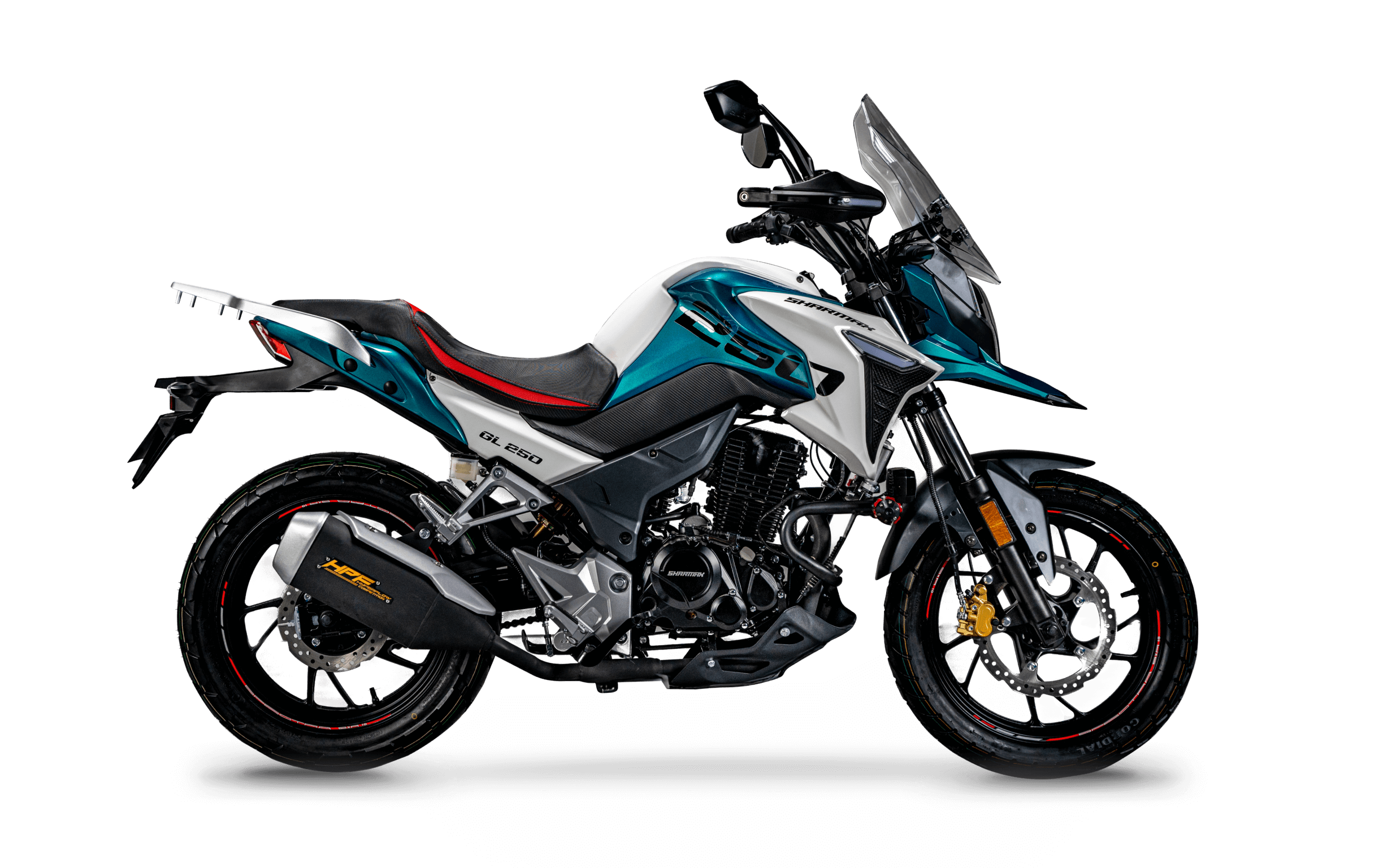
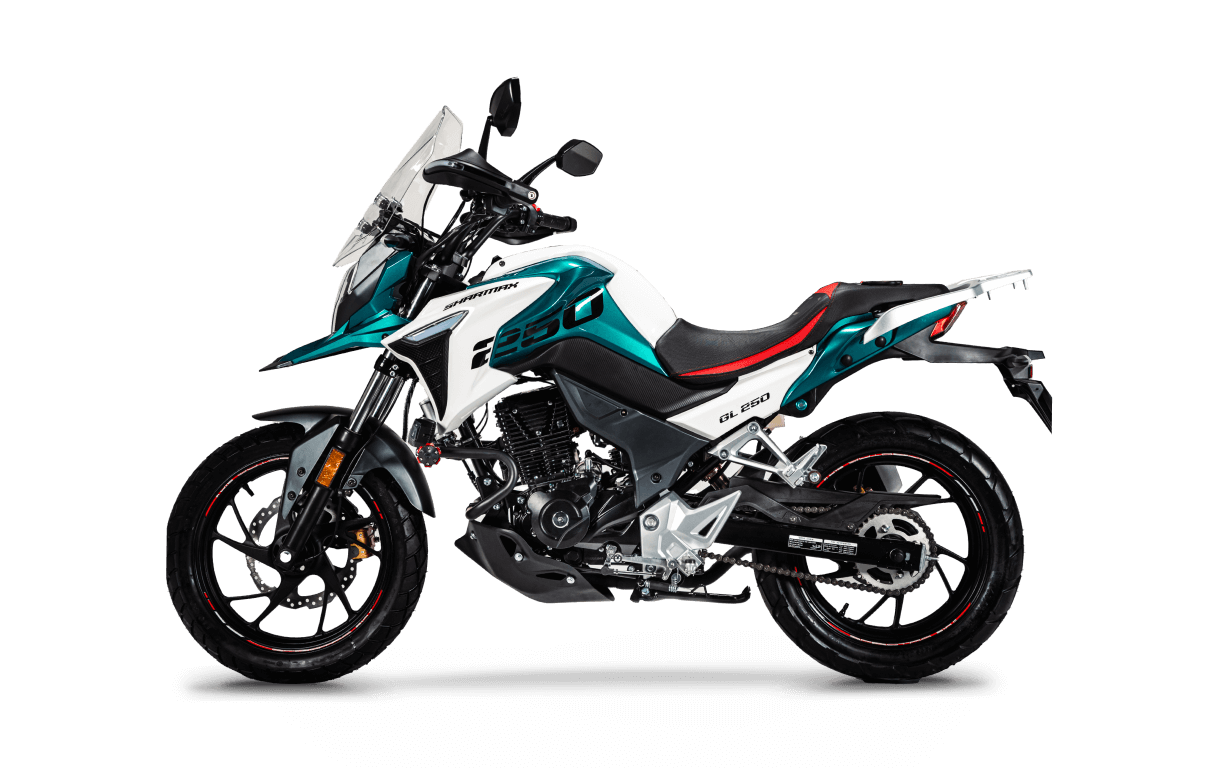
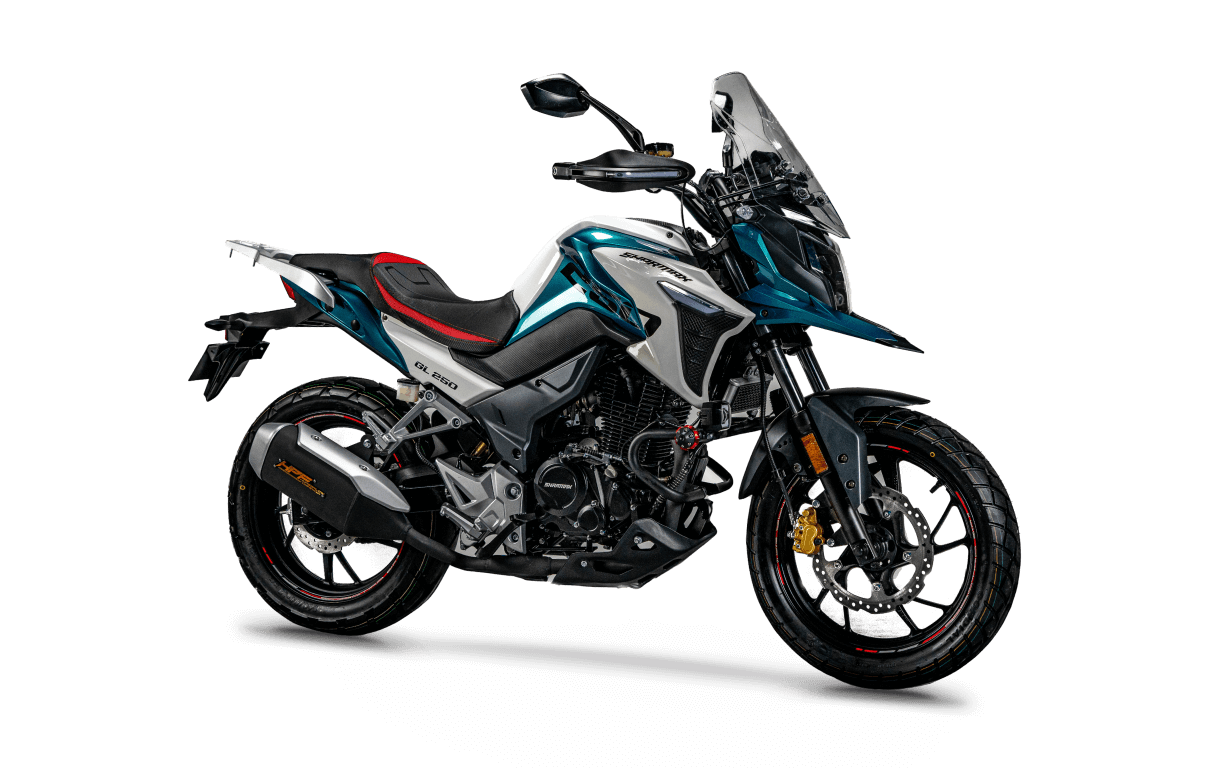
1. GL 250
— a practical motorcycle for long distance for beginners
The GL 250 is the easiest bike in the range to start with, and it makes sense for anyone moving from city riding into their first longer rides.
The numbers back that up: a 250cc engine putting out 25 hp, a top speed of 120 km/h, and a weight of around 147kg — light enough that it's nowhere near as intimidating at low speed as the bigger touring bikes. That's really the whole pitch for this one as a motorcycle for long distance riding: it's not about output, it's about not fighting the bike while you're still learning what touring actually feels like.
Curb weight (kg)
147
Displacement (cc)
250
Ground clearance (mm)
170
Seat height (mm)
760
Power (hp)
25
Fuel tank capacity (L)
14
Makes sense if you want:
- A first touring bike
- Weekend rides outside Doha
- Something light and easy to control
- A bike that still earns its keep on everyday rides
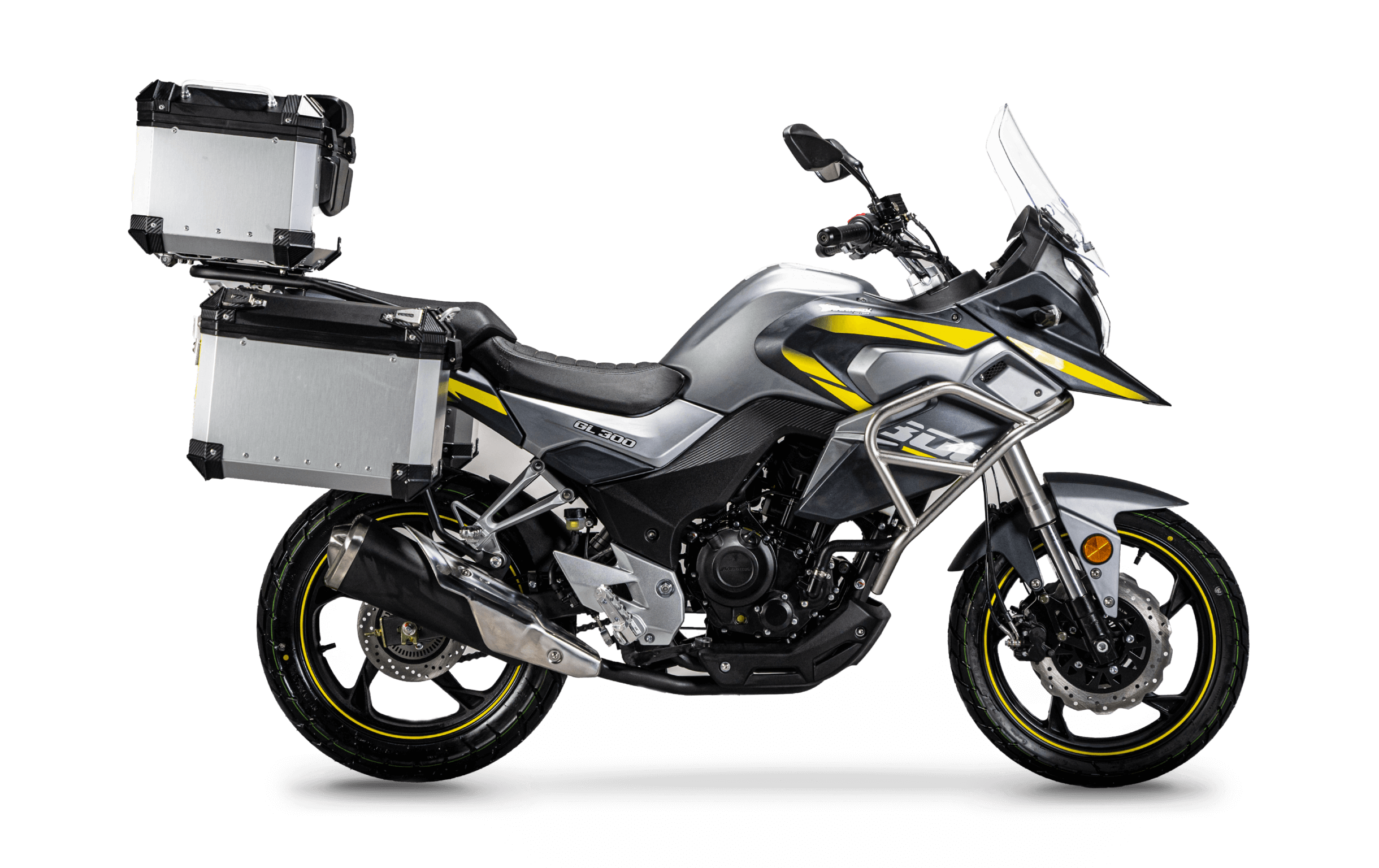
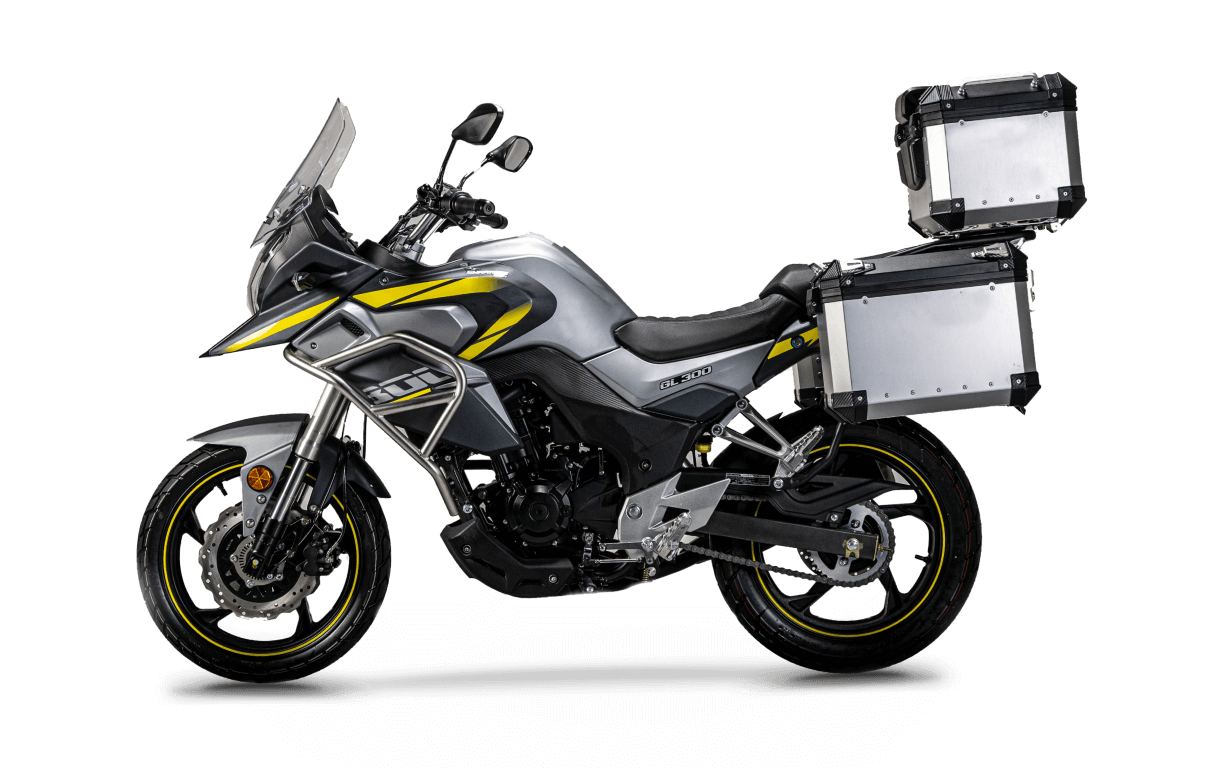
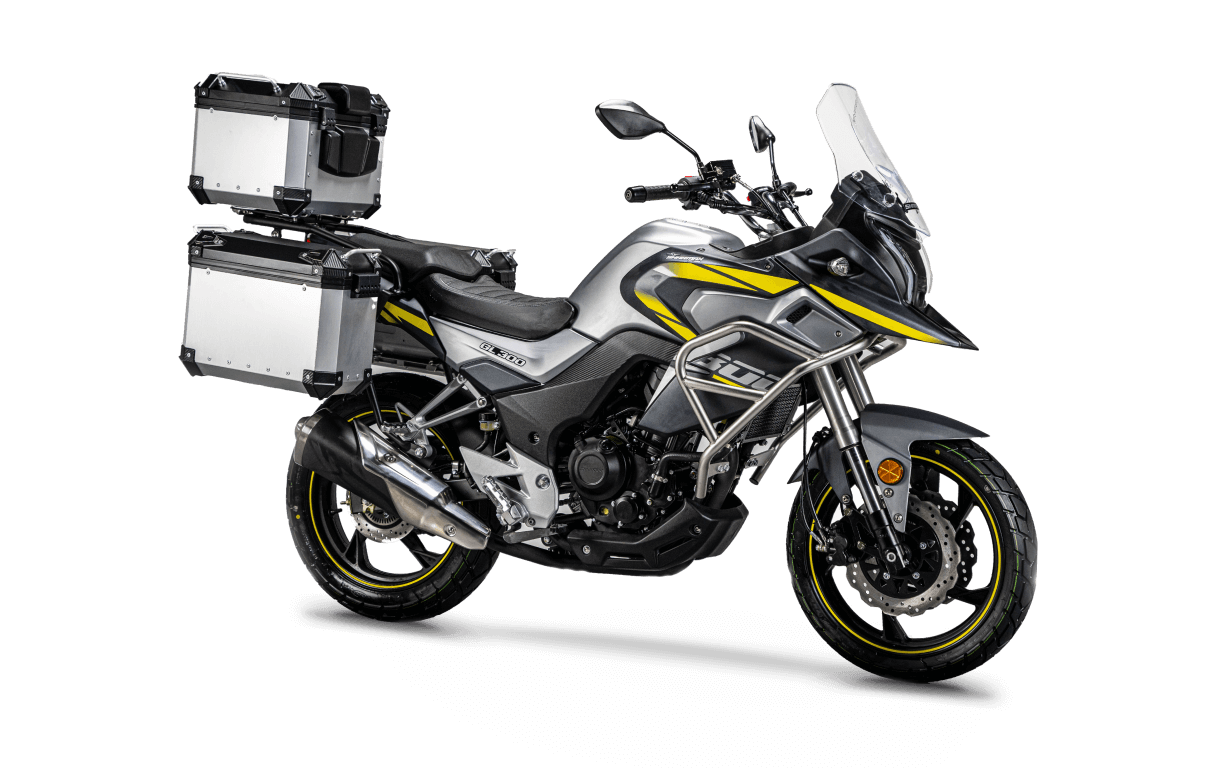
2. GL 300
— more comfort and storage for longer trips
The GL 300 is the next step up for riders who want more touring comfort without moving to a much heavier bike.
It uses a 300 cc, 27 hp engine with liquid cooling and EFI. The bike weighs 155 kg, has a 790 mm seat, and carries a 16-liter fuel tank. Factory side panniers and a top box give it useful storage for weekend trips.
For riders looking for a motorcycle for long distance use with built-in luggage, the GL 300 is a practical middle step between the GL 250 and the larger touring models.
Curb weight (kg)
155
Displacement (cc)
300
Ground clearance (mm)
140
Seat height (mm)
790
Power (hp)
27
A good choice if you want:
- More storage without a heavy touring bike
- A 790 mm seat and manageable 155 kg weight
- Factory side panniers and a top box
- Weekend trips and everyday riding
3. GL 400
— a practical mid-size option for touring
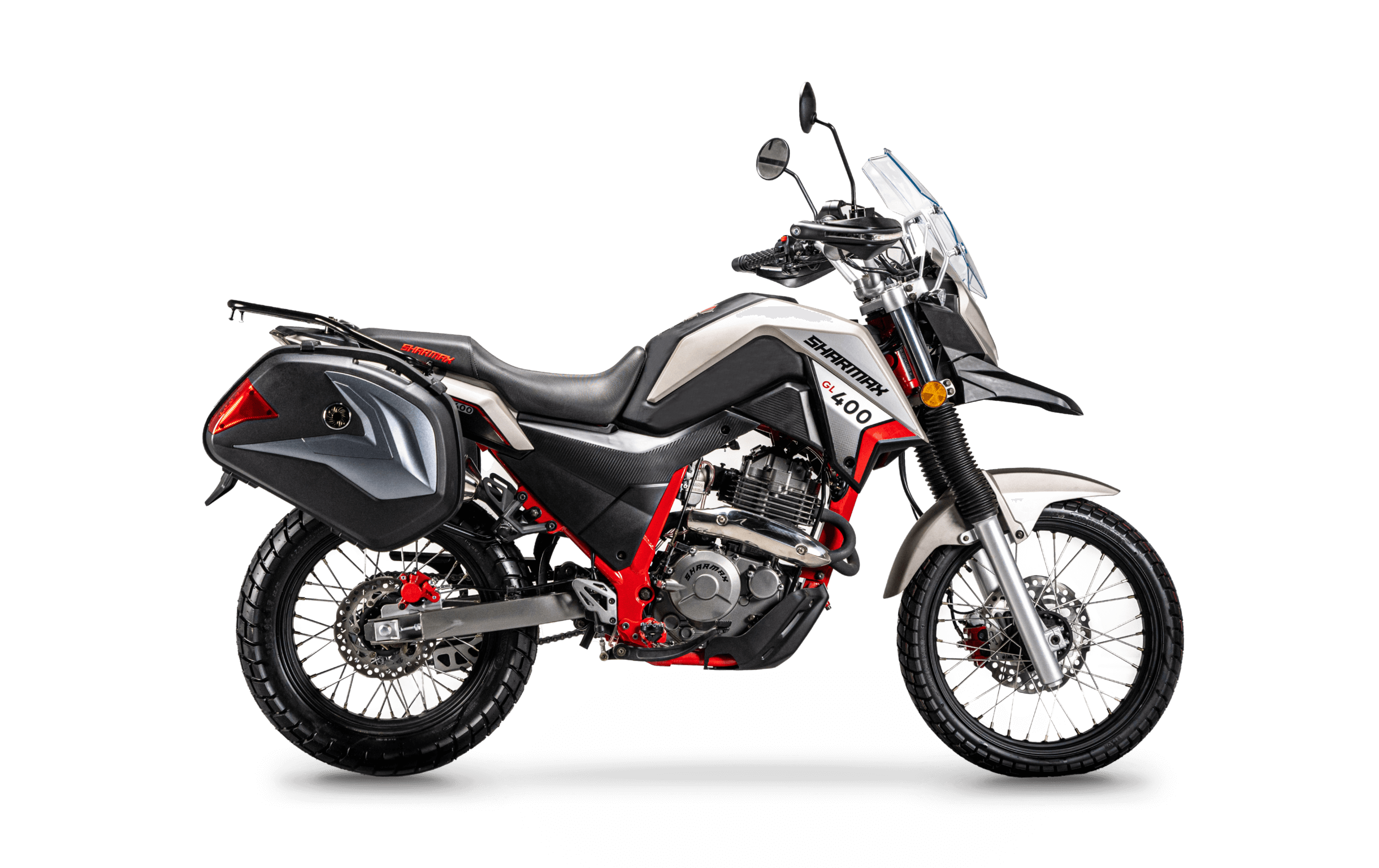
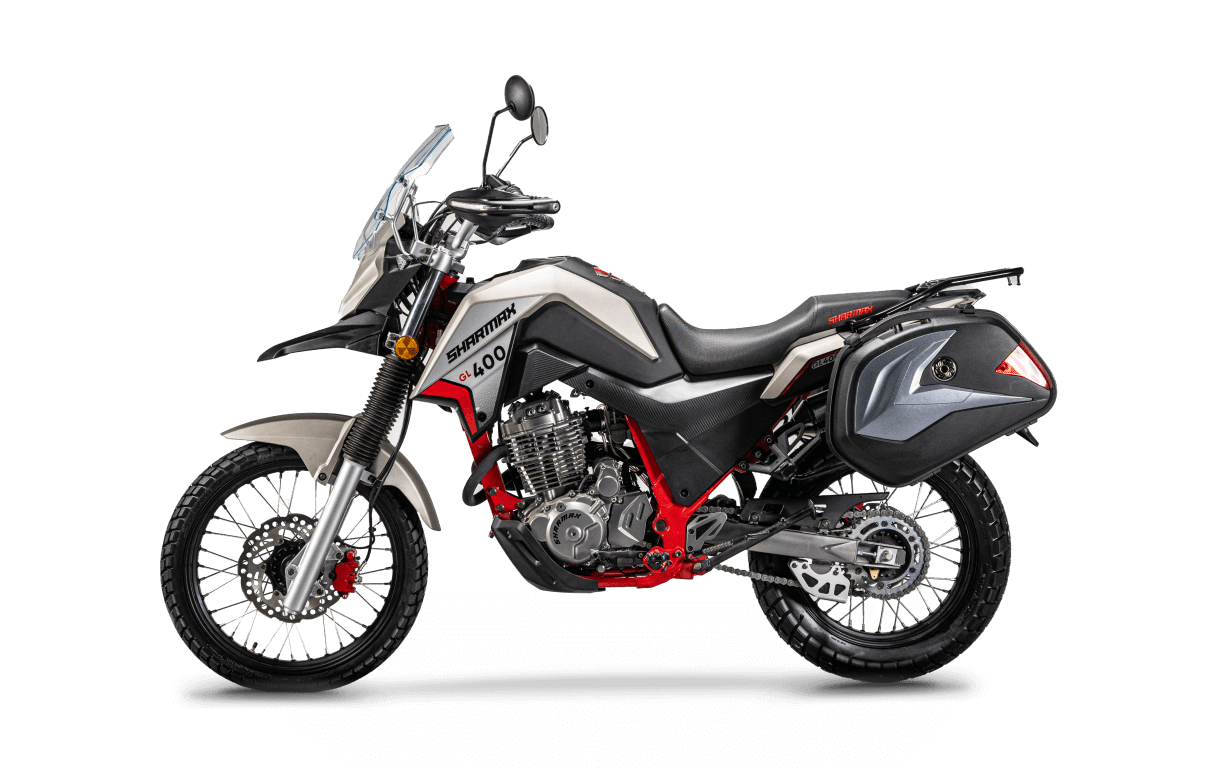
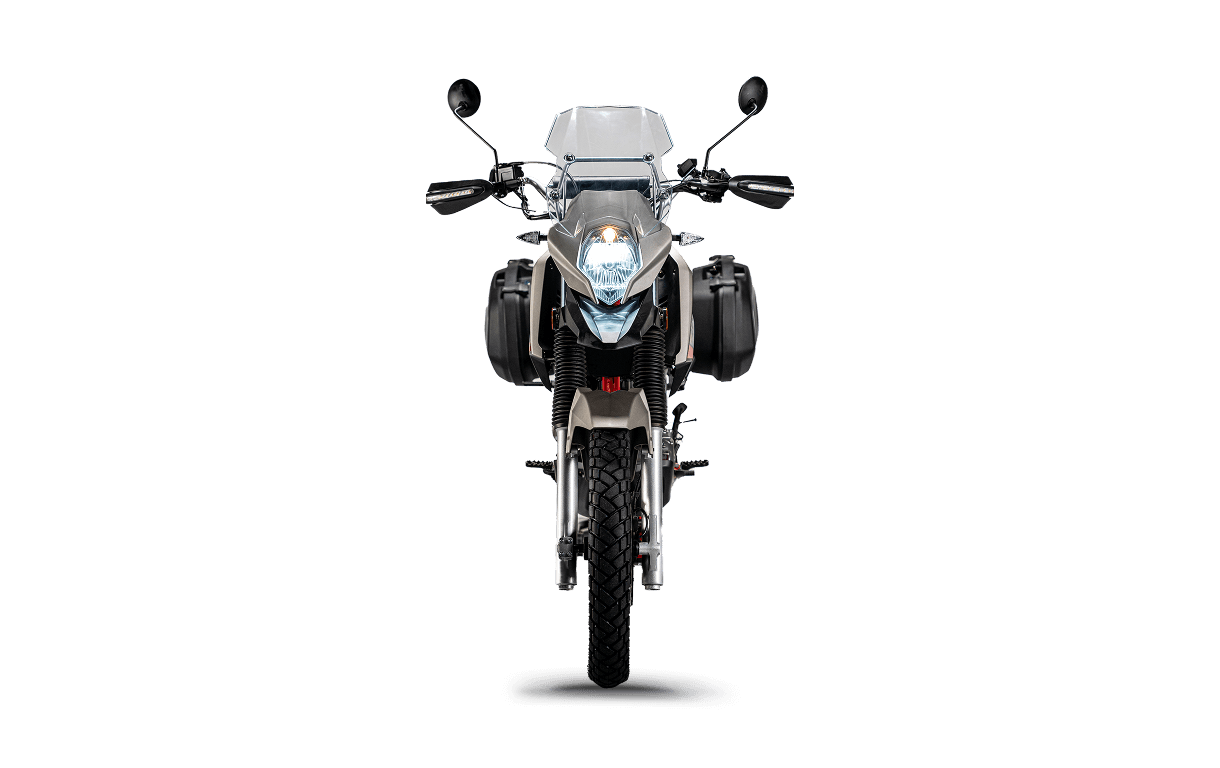
The GL 400 adds more displacement and ground clearance while keeping the setup simple and road-friendly.
Its 397 cc engine produces 27 hp and reaches up to 137 km/h. The bike has a 15-liter fuel tank, an 850 mm seat, and 240 mm of ground clearance. Air cooling and a carburetor keep the mechanical setup straightforward.
For riders who want a motorcycle for long distance trips without moving to a much larger touring bike, the GL 400 gives you more road presence and extra clearance than the smaller GL models.
Displacement (cc)
397
Ground clearance (mm)
240
Seat height (mm)
850
Power (hp)
27
A good choice if you want:
- A mid-size bike for everyday and weekend touring
- More ground clearance for uneven roads
- A 137 km/h top speed for highway use
- A simple engine and fuel system
4. GL 570 Ultra
— probably the easiest long-distance motorcycle to recommend
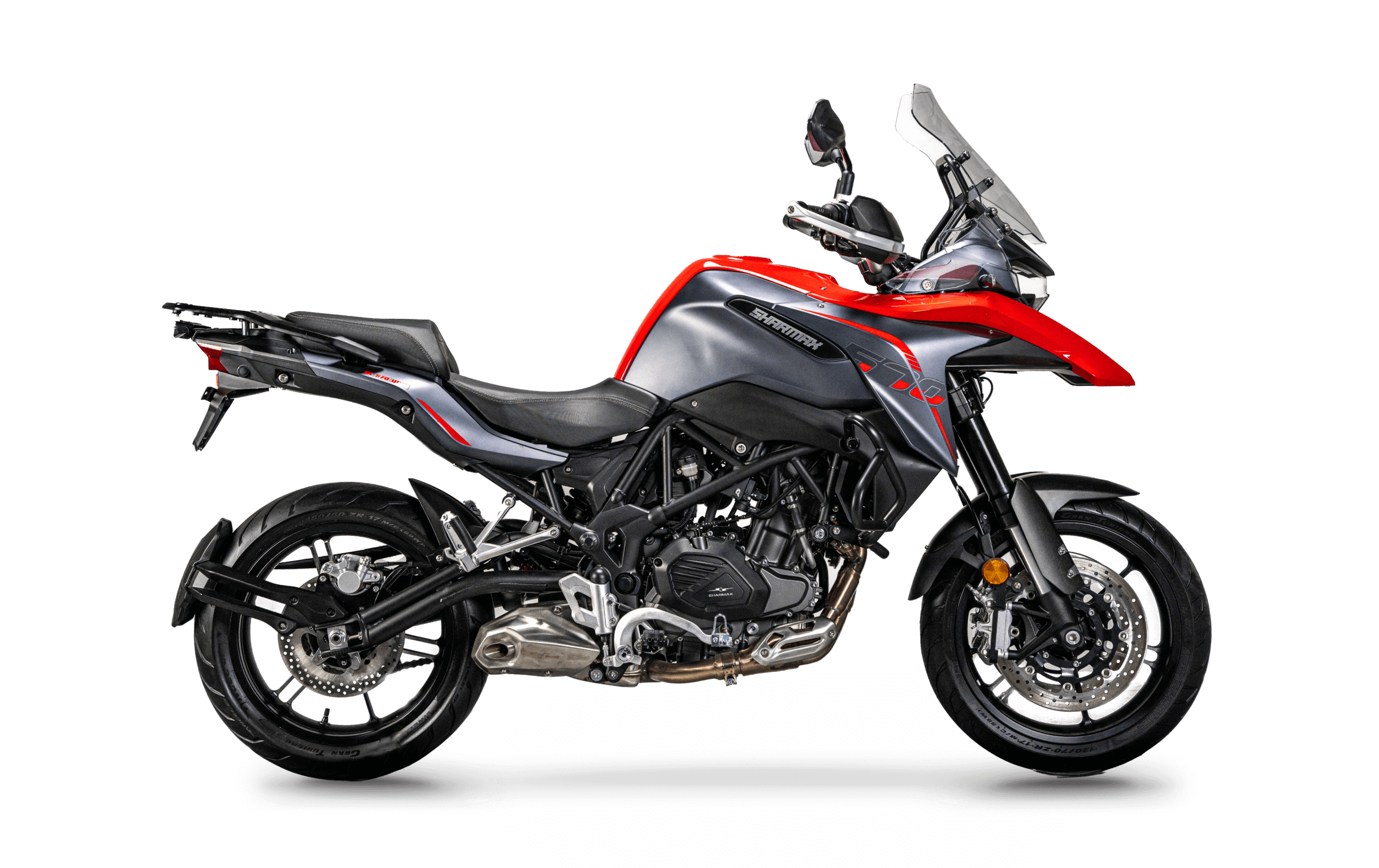
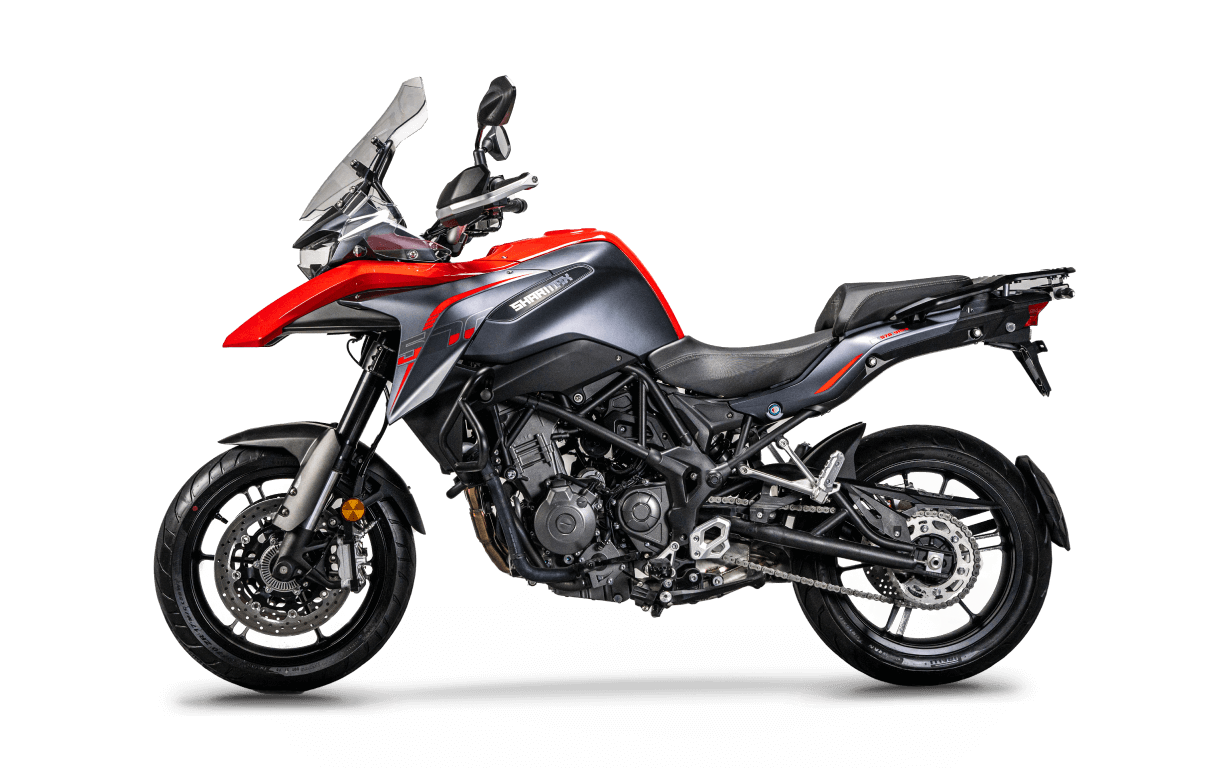
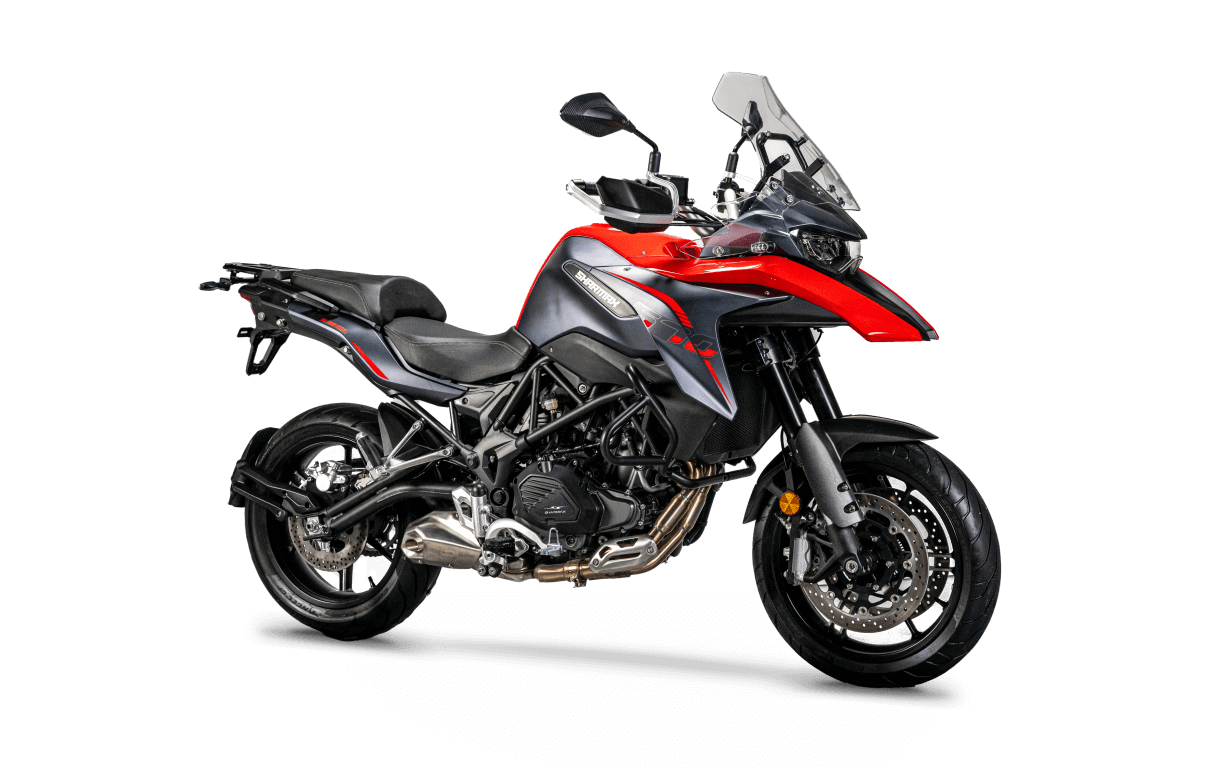
The GL 570 Ultra sits in the middle of the lineup, and it's honestly the one most riders should look at first if they want a real touring bike without jumping straight to the 700–900cc class.
Under the hood is a 554 cc twin-cylinder engine with liquid cooling, putting out 48 hp. A 19.5-liter tank is enough to cover up to around 400 km on one fill. The 17/17 wheel setup tells you what it's built for — this is a road bike through and through, not something meant for rough surfaces.
If you're after the best long distance motorcycle for straightforward road touring, this is the one that balances manageable performance against real touring capacity without tipping too far either way.
Curb weight (kg)
235
Displacement (cc)
554
Ground clearance (mm)
190
Seat height (mm)
795
Power (hp)
48
Fuel tank capacity (L)
19.5
A good choice if you want:
- A mid-size touring bike for regular road trips
- More power than an entry-level model without moving to a much bigger bike
- Good riding range with few stops on the way
- A road-focused setup for highways and paved routes
5. GL 770 Ultra
— more performance for long distance riding
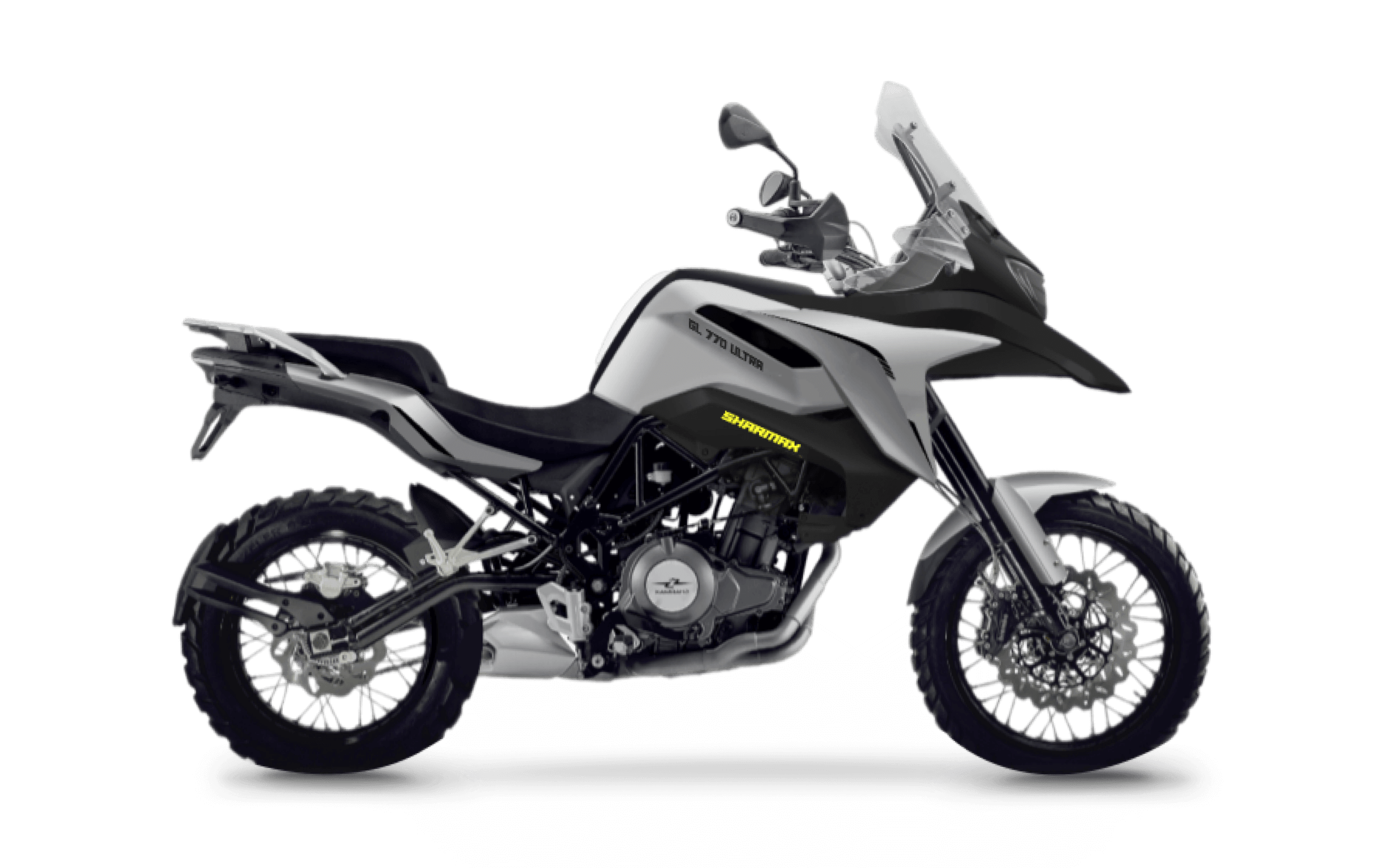
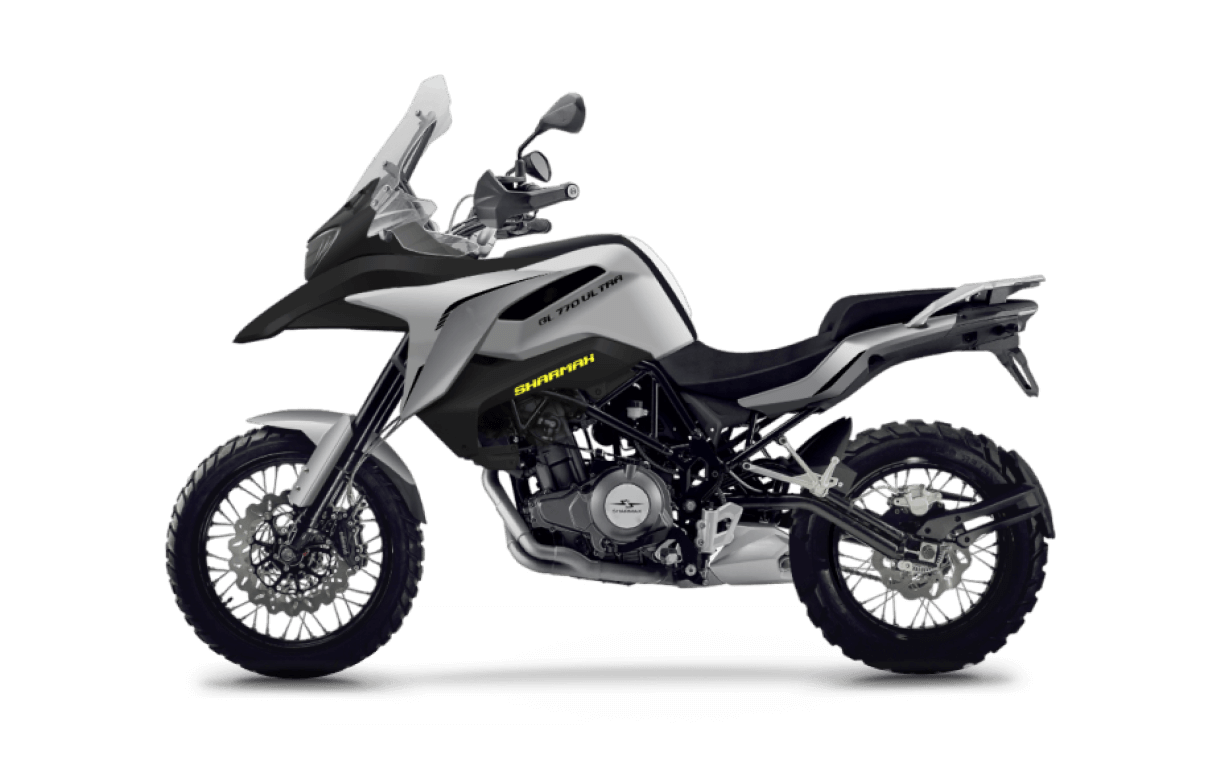
Step up to the GL 770 Ultra and the numbers jump noticeably. A 698cc twin makes 73 hp here, which gives you a lot more in reserve for overtaking or just holding a strong pace for hours on the highway. Sharmax built this one specifically around long-distance road travel and keeping the bike planted at speed.
The seat stays at a reasonably accessible 795mm despite the bigger platform, so it's not punishing for a full-size tourer — but the extra power is clearly aimed at riders who already know what they're doing.
Curb weight (kg)
235
Displacement (cc)
698
Ground clearance (mm)
190
Seat height (mm)
795
Power (hp)
73
Good fit if you want:
- Regular highway touring
- Stronger acceleration on tap
- A more substantial bike under you
- Enough performance for longer highway trips across Qatar
6. GL 991 Ultra
— the most comfortable option for bigger trips
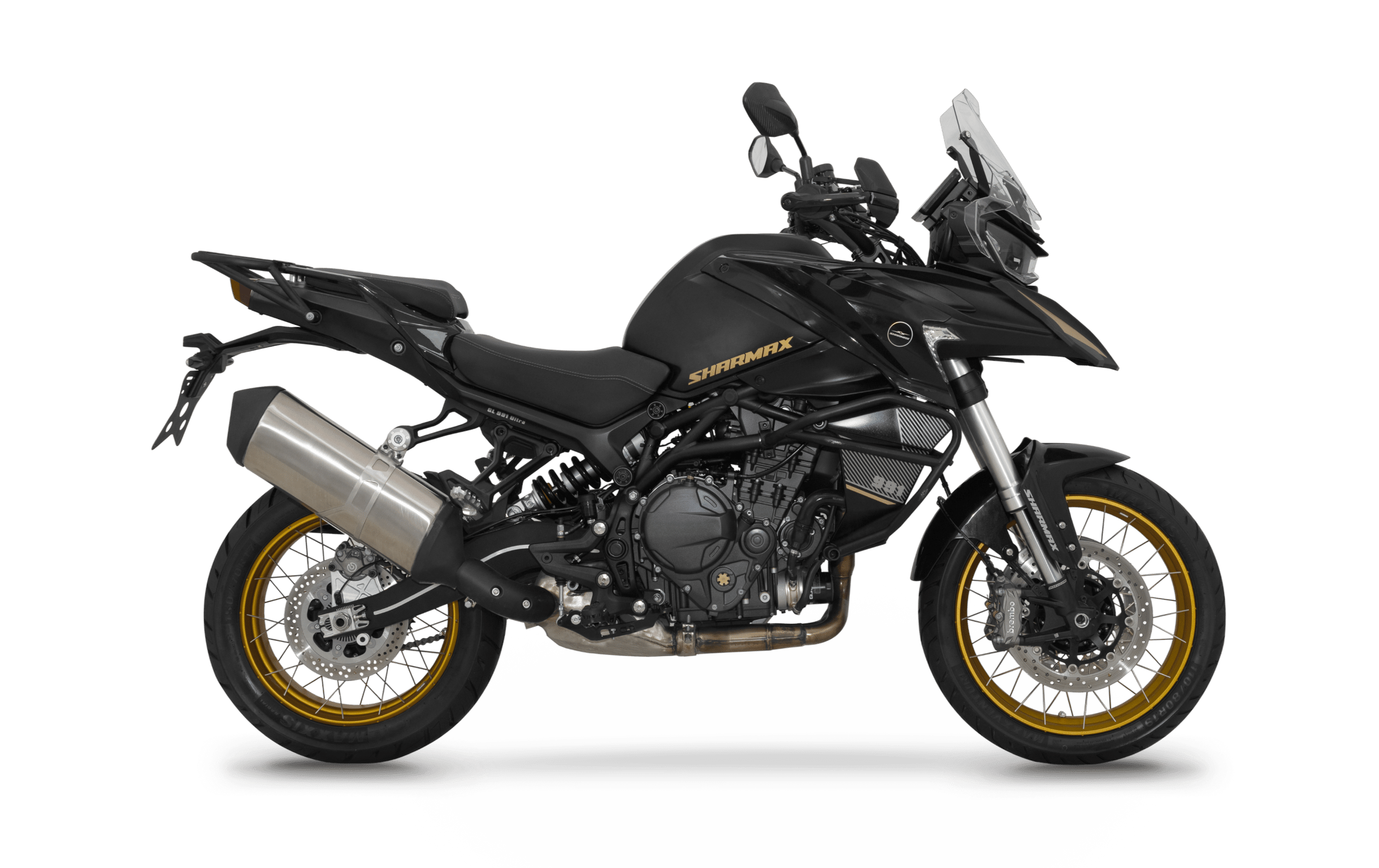
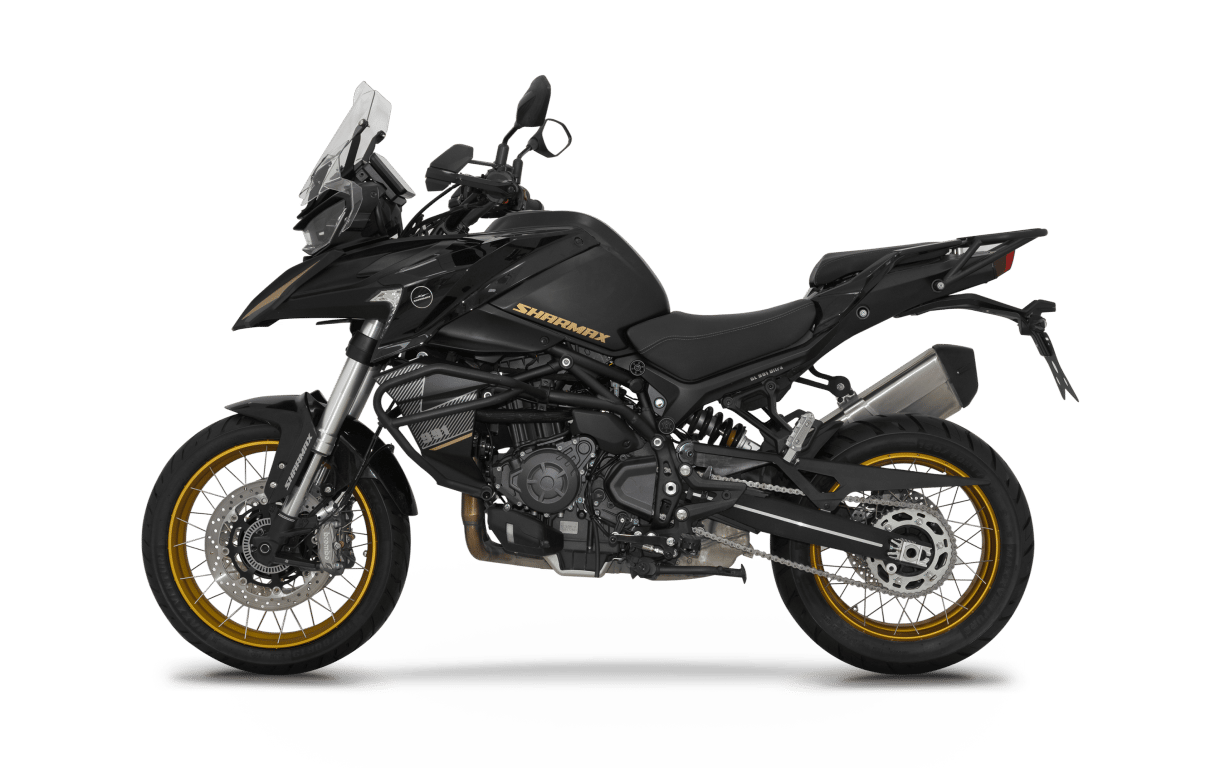
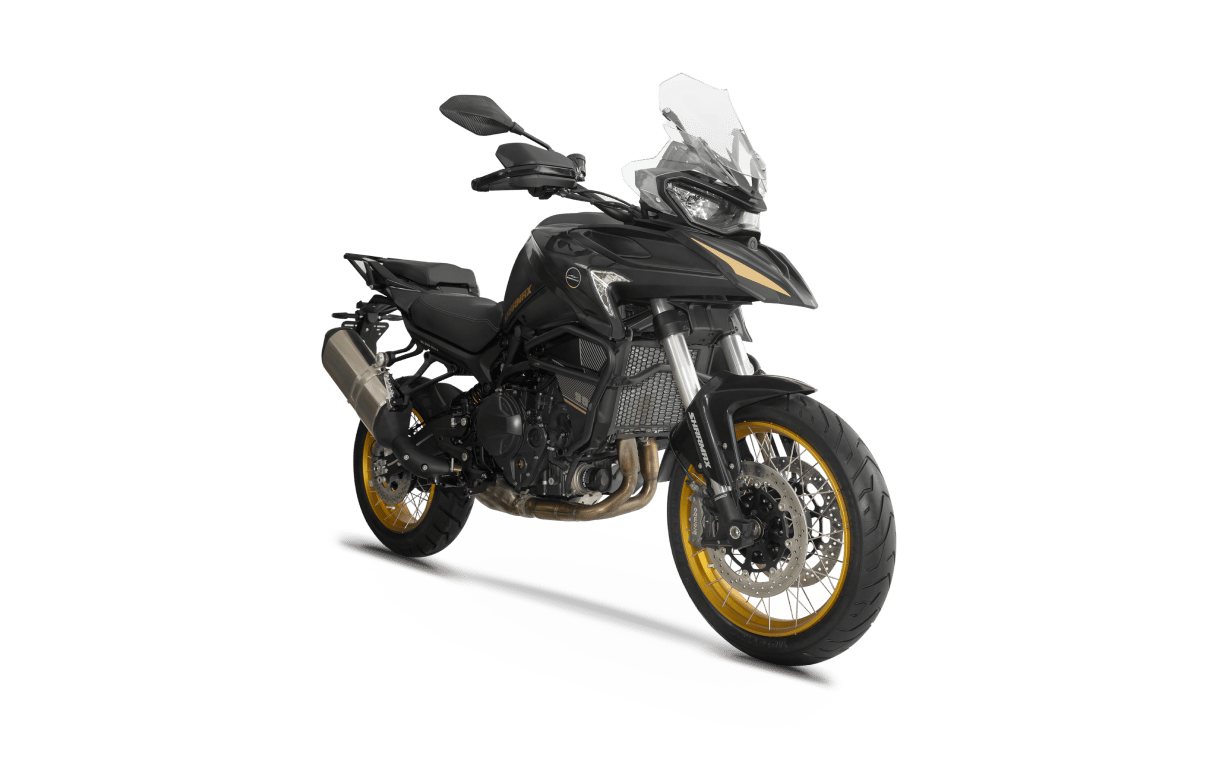
The GL 991 Ultra tops the current Sharmax touring range, and it's built for exactly that role. The 904 cc twin-cylinder engine produces 92 hp and 90 Nm of torque. The bike carries a 24-liter fuel tank, which suits longer trips. Ground clearance is 210 mm, giving it more room over uneven roads. It also supports a maximum load of 220 kg, which is useful when riding with a passenger or luggage.
That load figure is where this bike earns its keep — once you're carrying a passenger, luggage, or both, it has the margin smaller bikes don't. The bigger 19-inch front wheel also gives it a bit more flexibility when the road surface isn't perfect.
For anyone chasing the most comfortable long distance motorcycle for heavier loads and longer hauls, this is the flagship, and it rides like one.
Curb weight (kg)
264
Displacement (cc)
904
Ground clearance (mm)
210
Seat height (mm)
835
Power (hp)
92
Fuel tank capacity (L)
24
A good choice if you want:
- A larger touring bike for longer trips
- More comfort when riding with a passenger
- Extra load capacity for luggage
- A bigger fuel tank for fewer stops
- More stability on highways and uneven roads
Best motorcycle for long distance riding comparison
| Specification | GL 250 | GL 300 | GL 400 | GL 570 Ultra | GL 770 Ultra | GL 991 Ultra |
|---|---|---|---|---|---|---|
| Engine | 250 cc | 300 cc | 397 cc | 554 cc | 698 cc | 904 cc |
| Power | 25 hp | 27 hp | 27 hp | 48 hp | 73 hp | 92 hp |
| Seat height | 760 mm | 790 mm | 850 mm | 795 mm | 795 mm | 835 mm |
| Curb weight | 147 kg | 155 kg | 163 kg | 235 kg | 235 kg | 264 kg |
| Fuel tank | 14 L | 16 L | 15 L | 19.5 L | 19.5 L | 24 L |
| Ground clearance | 170 mm | 140 mm | 240 mm | 190 mm | 190 mm | 210 mm |
| Best for | First touring bike, lighter riders | Everyday touring, weekend trips, built-in luggage | Daily and weekend touring, higher clearance | Balanced road touring | Faster long-distance highway riding | Passenger, luggage and maximum touring capacity |
So, the GL 250 is the easiest choice for newer riders. The GL 300 adds more comfort and built-in storage without a big jump in weight. The GL 400 gives you more displacement and ground clearance in a simple touring setup. The GL 570 Ultra adds more power and range, the GL 770 Ultra suits stronger highway riding, and the GL 991 Ultra is the best option for longer trips with luggage or a passenger.
The best motorcycle for long distance riding is simply the one that matches your experience, route, and how much comfort and power you actually need.
How to choose among good long-distance motorcycles
When comparing good long distance motorcycles, look at the whole package rather than one specification.
A bike with more power may be less comfortable for a shorter or less experienced rider if it is also much heavier. Likewise, a lighter motorcycle may be easier around town but less relaxed when carrying a passenger and luggage over several hundred kilometers.
A useful way to narrow the choice is to ask:
- Will I mostly ride solo or with a passenger?
- Are my trips 100–200 km or closer to full-day touring?
- Do I need luggage?
- Will I stay on paved roads?
- How much motorcycle can I comfortably manage at low speed?
The best motorcycle for long-distance touring is the one that still feels easy to control after several hours in the saddle.
Which long-distance motorcycle is actually right for you?
There's no outright winner — these six bikes are built for different kinds of riders.
Newer to touring? The GL 250 is the easiest option. The GL 300 adds more comfort and built-in storage without much extra weight. The GL 400 gives you a larger 397 cc engine, more ground clearance, and a simple touring setup for everyday and weekend use. The GL 570 Ultra is the balanced mid-size option for paved roads. The GL 770 Ultra brings stronger highway performance, while the GL 991 Ultra is built for longer trips with a passenger, luggage, or both.
The real question is what the trip actually demands. A 90 km solo ride and a full-day return trip with a passenger and luggage ask different things from a bike.
If comfort's what you're after, the GL 570 Ultra is worth a look if you'd rather have a lower 795mm seat and less bike to wrestle around. Want more range, more capacity, and more engine in reserve instead? That's the GL 991 Ultra's territory.
Once you've settled on the bike, the next question is where you're taking it. Our guide to the 10 best motorcycle roads in Qatar you need to ride covers coastal roads, desert highways, and longer routes that suit different types of touring motorcycles.