Manual vs automatic motorcycles: what should you choose in Qatar
Compare manual and automatic motorcycles in Qatar. Learn differences in control, comfort, learning curve and riding experience to choose best.
09 Oct 2026
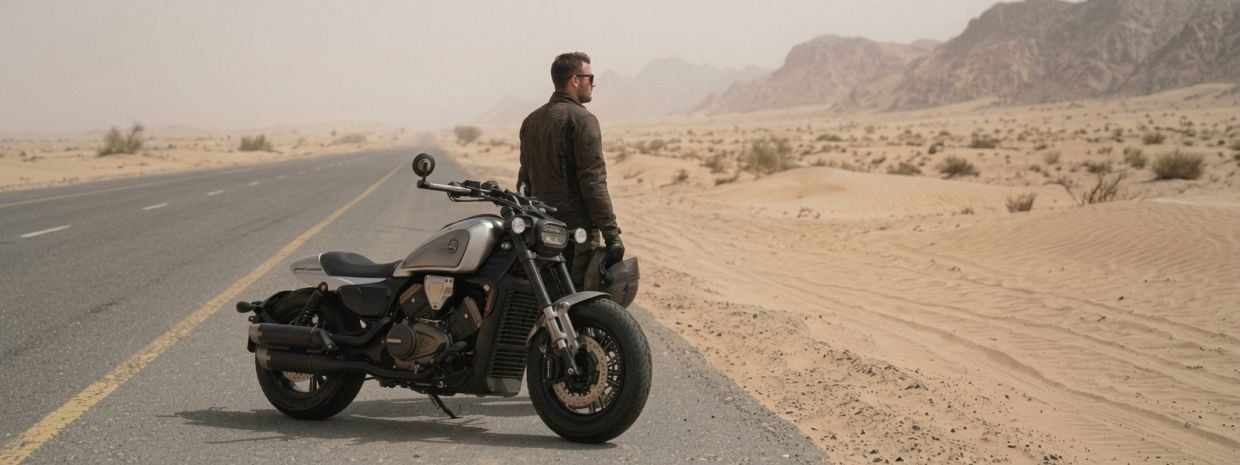
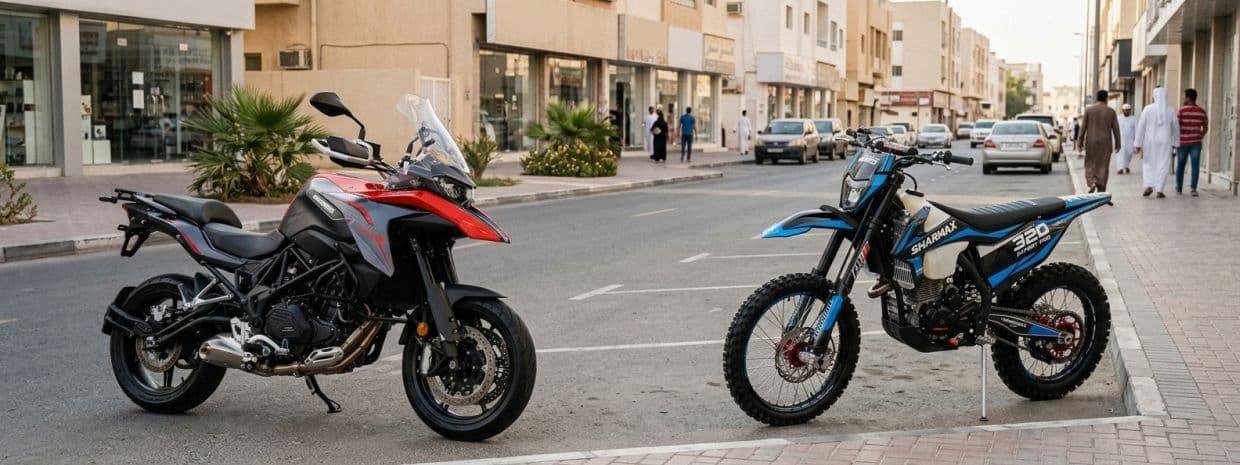
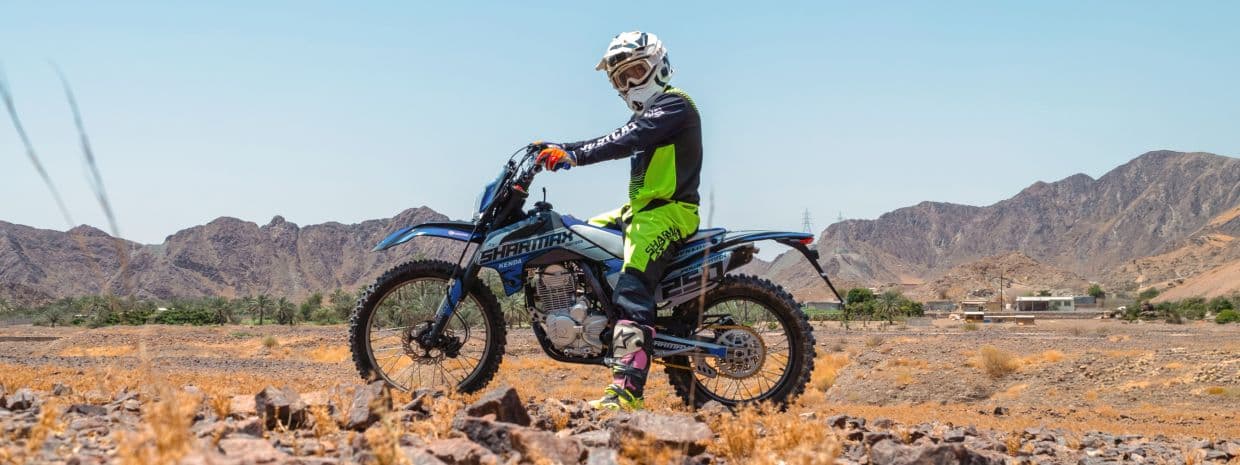
Are motorcycles automatic or manual? The manual gearbox setup is currently the default option on most modern bikes. Among current motorcycles for sale in Qatar, most full-size models are fitted with 5- or 6-speed manual transmissions. This includes both on-road and off-road motorcycles.
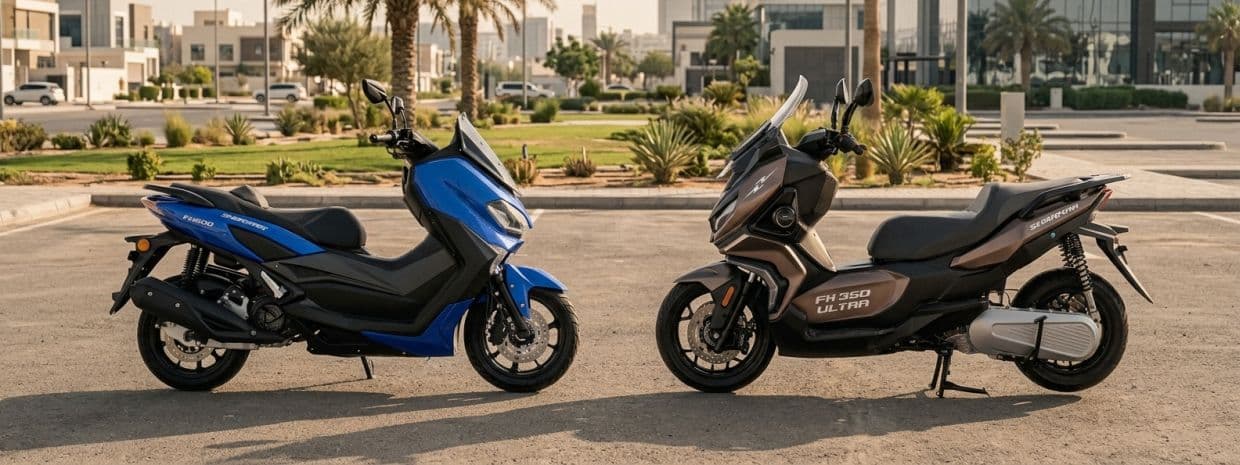
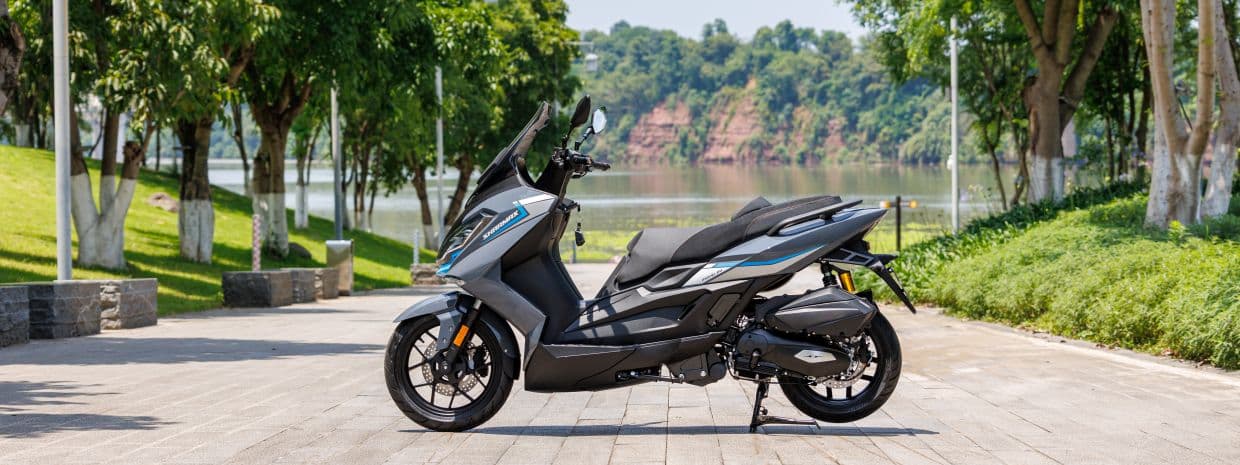
But automatic options also exist and these are mostly scooters and maxi scooters. Both types exist to offer different riding experiences. New clutch-assist technologies are also creating a middle ground between the two.
In this article, we are going to explain the difference between manual and automatic motorcycles, compare their advantages, and look at which option makes more sense for different riders.
Automatic vs manual motorcycle: the basic difference
The real difference comes down to who's doing the work — you or the bike.
On a manual, you've got a clutch lever and a foot shifter, and both are yours to manage. You pick the gear, you work the clutch, you decide exactly when to shift. That gives you more direct control — over acceleration, over engine braking, over how the power actually comes through.
An automatic takes most of that off your hands. Most of the time there's no clutch lever to worry about at all. You're left focusing on throttle, brakes, balance, and where you're positioned on the road — not what gear you're in.
That's exactly why automatic scooters do so well in cities. In stop-start traffic, not having to work the clutch constantly makes the whole ride less tiring.
Difference between manual and automatic motorcycle
| Aspect | Manual | Automatic |
|---|---|---|
| Gear shifting | The rider shifts gears manually | The system manages shifting or drive delivery |
| Clutch control | The rider uses a clutch lever | Usually no clutch lever in daily use |
| City riding | More work in traffic | Easier in stop-and-go movement |
| Rider control | More direct | More relaxed |
| Learning curve | Takes more practice | Easier to start with |
| Common use | Sport, touring, cruiser, off-road and adventure bikes | Scooters, commuters and some flagship models |
Manual motorcycles ask more from the rider. Automatic motorcycles reduce the workload, especially at low speed and in traffic.
Manual vs automatic transmission motorcycle: how each feels on the road
A manual transmission motorcycle just feels more involved. You decide when to shift, how much power to put down, how the bike reacts in a given moment — and that makes the whole ride feel more connected to what's actually happening under you.
That kind of control matters most on open roads, mountain routes, sport riding, off-road sections, and longer tours, where managing engine braking and power delivery precisely actually changes how the bike behaves.
An automatic transmission motorcycle feels a lot simpler by comparison. No clutch and gear lever to coordinate every time you stop. In traffic, that makes riding noticeably less demanding — and it's a big part of why automatics work well for people who want two-wheel mobility without first learning full manual control.
Manual vs automatic motorcycle advantages
Advantages of a manual motorcycle
A manual setup gives the rider more control. You choose the gear, manage the clutch and decide how the bike should respond.
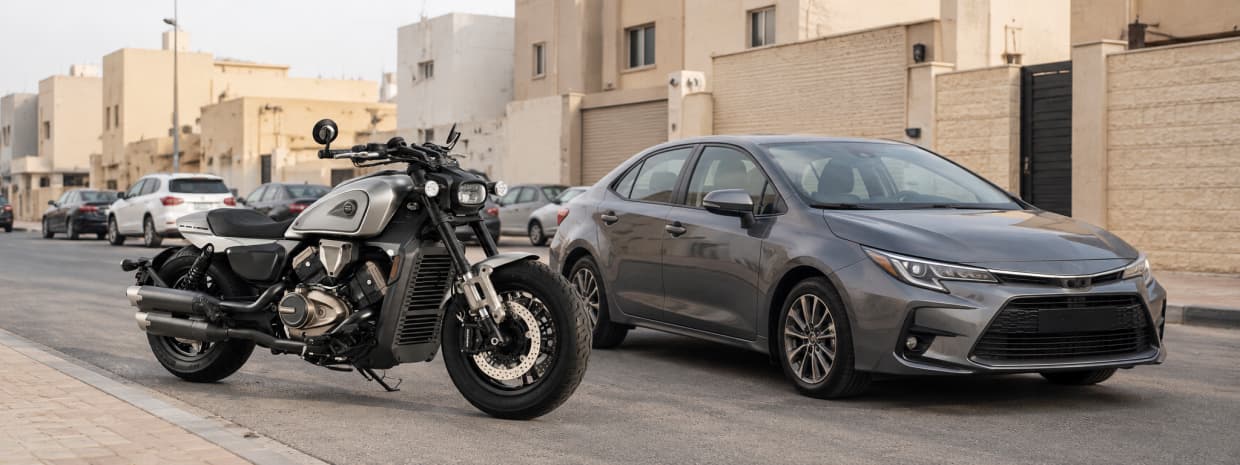
Manual motorcycles are also more common across many categories. If you want a sport bike, touring bike, cruiser, adventure bike or off-road motorcycle, you will often find more manual options than automatic ones.
They can be a good choice for riders who want:
- direct control over the bike;
- stronger long-term riding skills;
- more involvement during the ride;
- better control over engine braking;
Advantages of an automatic motorcycle
An automatic motorcycle or scooter is easier to manage in daily traffic. The rider does not need to think about clutch timing or gear changes at every stop.
This is useful in cities, where rides often include traffic lights, slow movement, parking and short trips.
Automatic motorcycles and scooters can be a good choice for riders who want:
- easier city riding;
- less clutch work;
- a shorter learning curve;
- simple commuting;
- less fatigue in traffic.
Manual or automatic motorcycle for beginners
For beginners, automatic motorcycles and scooters can feel easier at first. The rider does not need to learn clutch timing, gear changes and low-speed clutch control at the same time.
But that does not mean every beginner should avoid manual transmission.
A manual motorcycle teaches important riding skills from the beginning. The rider learns how to shift, how to use engine braking and how to control the vehicle at low speed. This is useful if the rider later wants to move into touring, sport, cruiser or adventure categories.
So the better choice depends on the goal. For simple city commuting, automatic can be easier.
For long-term riding skills, a manual setup gives a stronger foundation.
Are automatic motorcycles better than manual?
They can be a better choice for some use cases. In traffic and commuting, automatic transmission can make life easier. It reduces the number of actions the rider needs to repeat again and again.
Manual motorcycles still have a strong advantage for riders who want more control. They also remain the standard choice in many motorcycle categories where power delivery, gear choice and rider involvement matter more.
So the real question is not “which one is better?” It is “which one fits your riding style better?”
Sharmax smart clutch system: manual control with less workload
New clutch-assist systems are creating a middle ground between the two worlds.
Sharmax Smart Clutch is one example of this direction. It does not turn a motorcycle into a full automatic. The motorcycle still keeps its manual gearbox and standard clutch lever. The rider can use the clutch lever whenever needed.
In the Sharmax lineup, SSC is used across different categories. On the GL 601 and GL 801 adventure bikes, it supports easier control on climbs, rough surfaces, and slow technical sections. On the RR 801 V cruiser, it helps reduce repeated clutch operation when riding a larger motorcycle at low speed or in traffic.
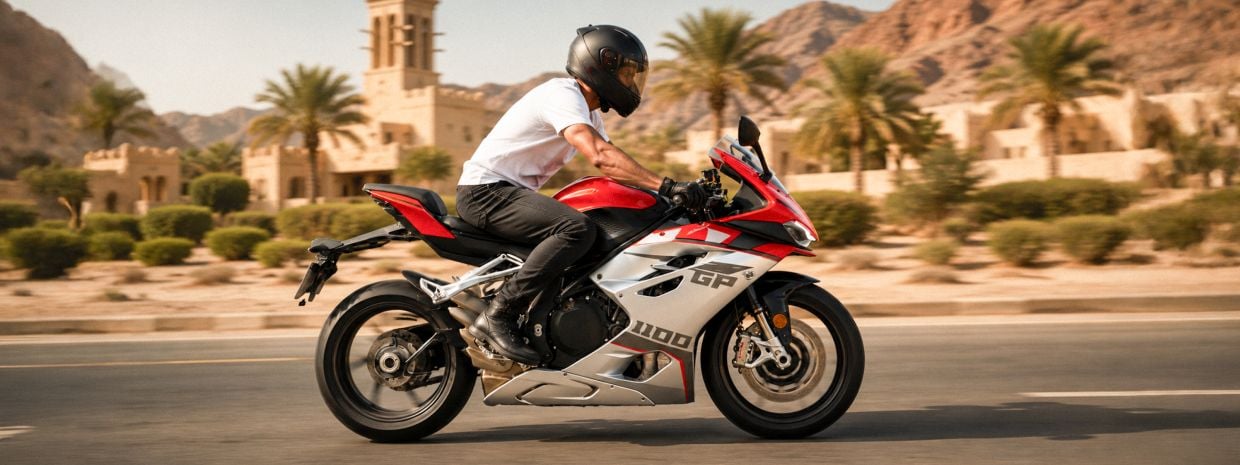
The system is also used on flagship models such as the GP 1100 Ultra, a supersport bike, and the RST 1100, a flagship naked bike. This shows how the same clutch-assist idea can support different riding styles, from adventure and cruiser use to high-performance road motorcycles.
Should I get an automatic or manual motorcycle?
Choose an automatic motorcycle or scooter if you want easy daily transport. It makes sense if most of your riding happens in the city and you want less effort in traffic.
Choose a manual bike if you want more control and a more involved riding experience. It also makes sense if you plan to ride bigger motorcycles, travel longer distances or move into sport, cruiser, adventure or off-road riding.
A simple way to decide:
| Choose automatic if you want | Choose manual if you want |
|---|---|
| Easy city riding | More direct control |
| Less clutch work | Stronger riding skills |
| Simple commuting | More model options |
| Less fatigue in traffic | Better control over gear choice |
| Scooter-style convenience | A more involved ride |
Which is better: automatic or manual motorcycle?
There is no single better option. A manual motorcycle is better for riders who want control, involvement and a wider choice of motorcycle types. It is also the stronger choice for riders who plan to build long-term riding skills.
An automatic motorcycle or scooter is better for riders who want easier city mobility and less work in traffic. It is practical, simple and comfortable for daily use.
At Sharmax Qatar, riders can compare motorcycles in various categories, including those with Smart Clutch, all in one place. All models come with a three-year warranty and are available for a test ride.