ATV & UTV – three-letter words with one letter difference. They both denote something off-road on four wheels, and that is largely where similarity ends. The two machine types serve different purposes and are structurally built in different ways. This article will help you understand why the Sharmax Force 1100 ATV, for example, is not the same as the Sharmax Race 580 UTV, even though they are both positioned as capable all-terrain vehicles. Learn more about how to distinguish UTVs from ATVs and how to pick the right four-wheeler.
Why ATVs are "bikes on four wheels" and why UTVs are off-road carts
Both machines have the all-terrain component in them. The all-terrain vehicle (ATV) and the utility task vehicle (UTV) might sound like they do the same thing, and to some extent, they do. Yet, there are nuances.
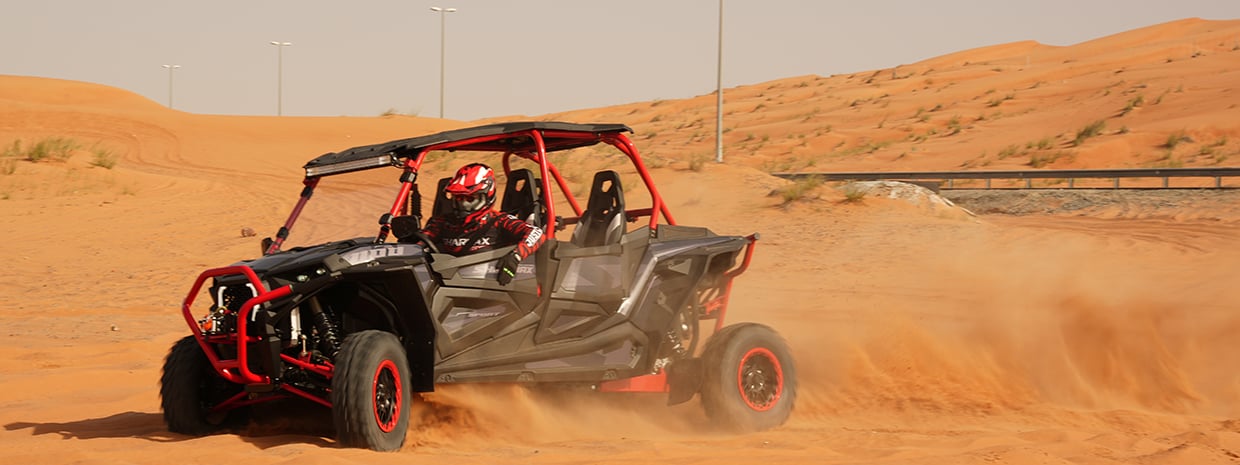
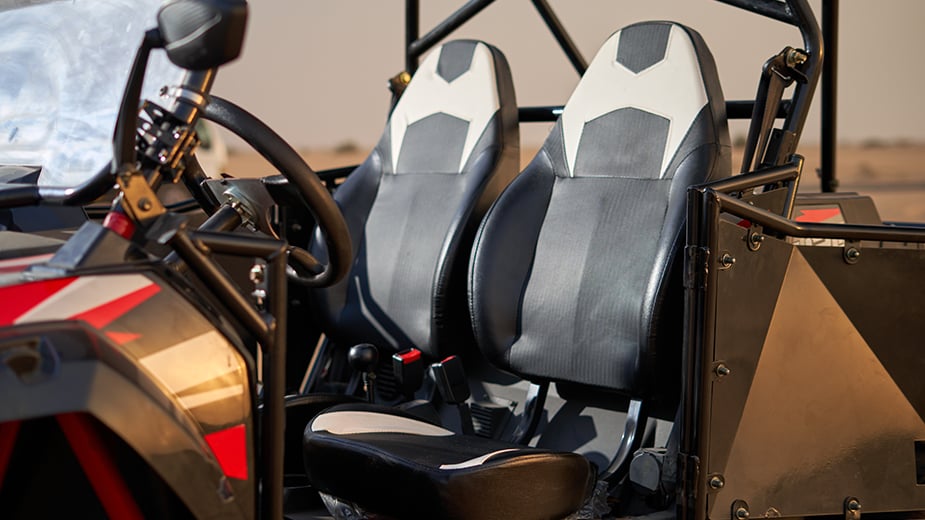
➡️ To understand what is a UTV vs ATV, think of a UTV as a small car with no walls. Side-by-side seats, a steering wheel, and pedal controls are the features that make its layout resemble a car even more. A reinforced frame with front and rear bumpers and higher ground clearance give it the distinct wild, off-road nature. Also, "buggy" is another very common name for this category. There might be some confusion, though, since not every utility side-by-side can be called a buggy.
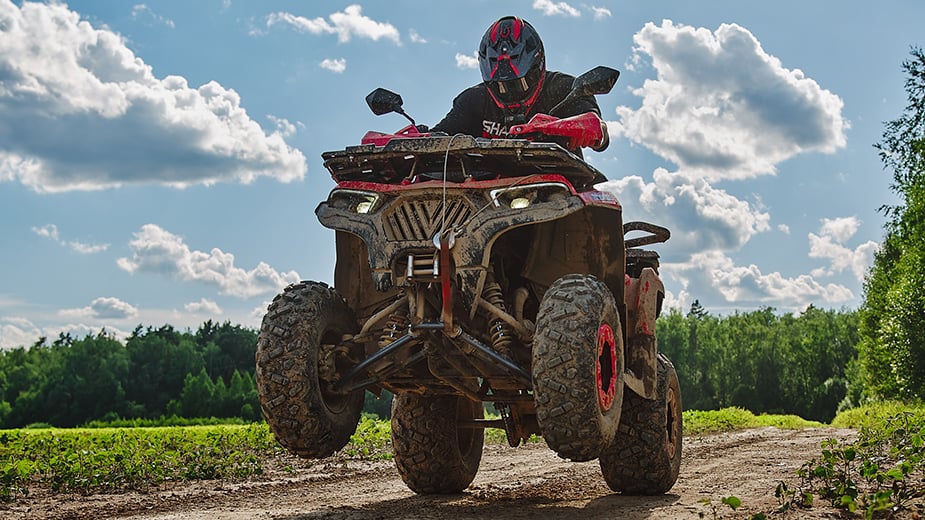
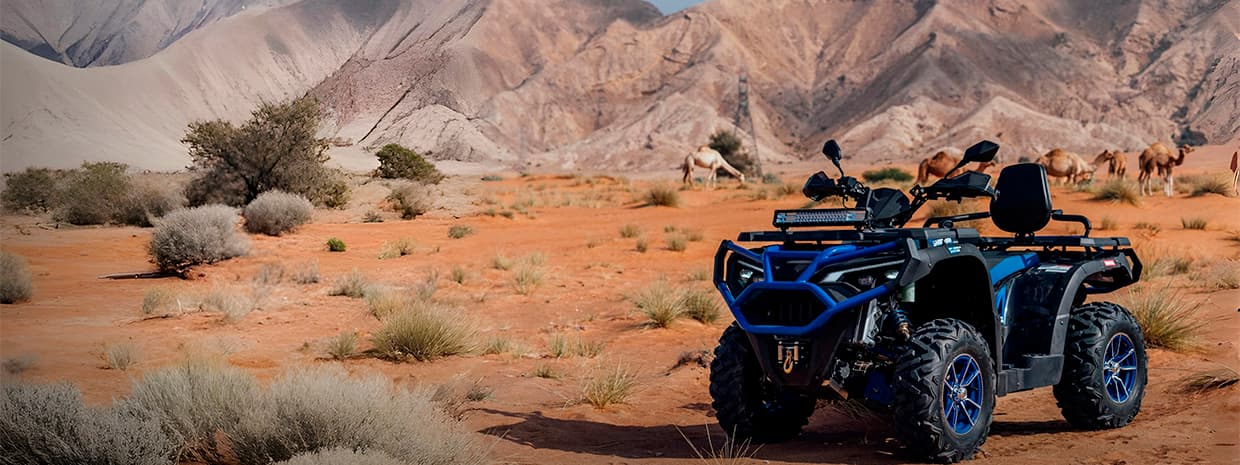
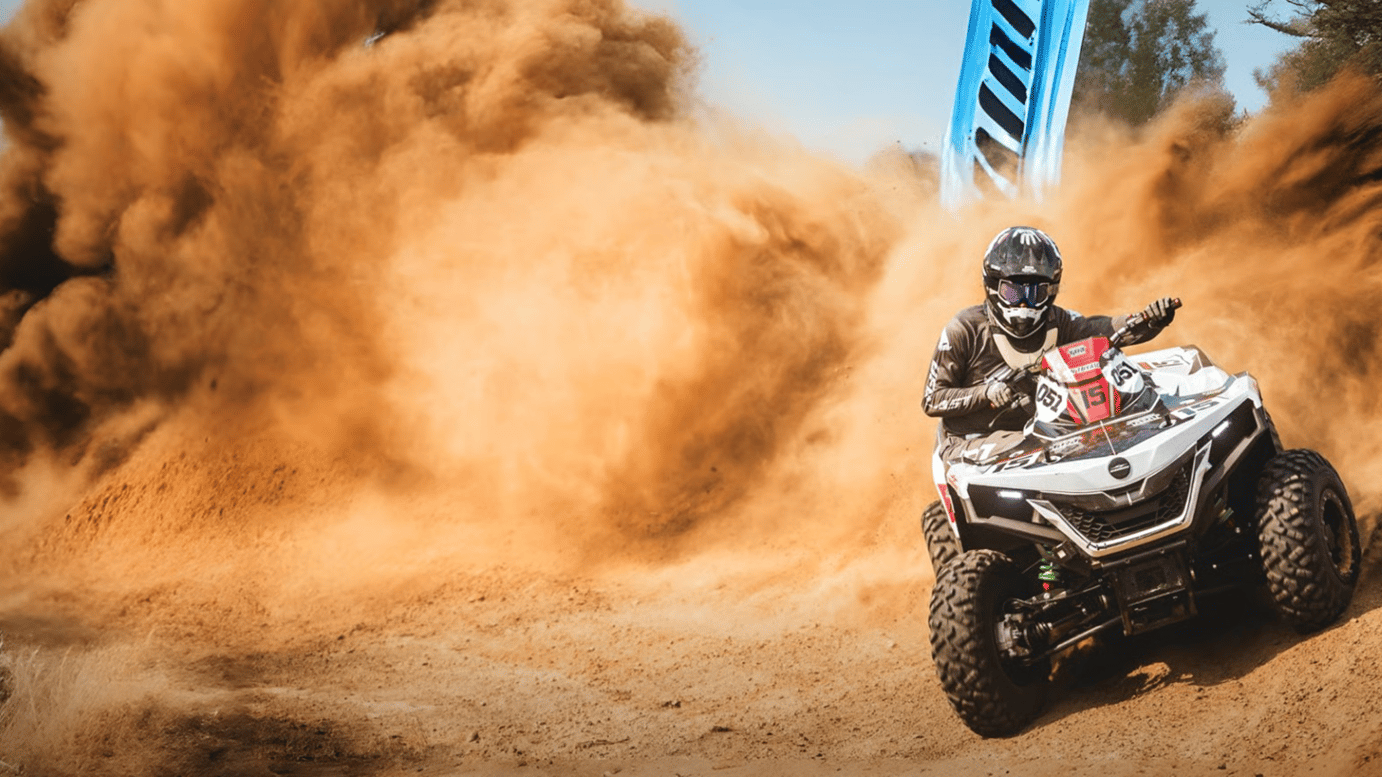
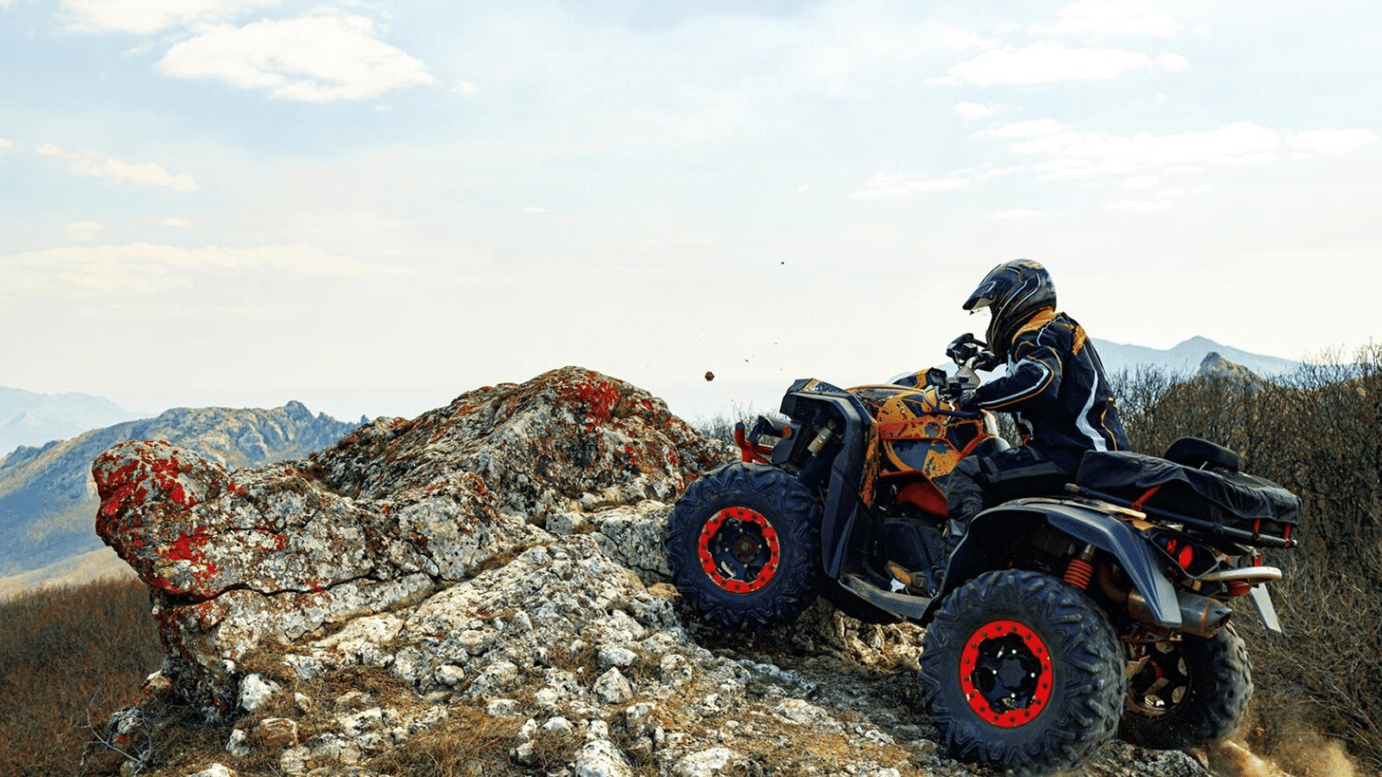
➡️ An ATV is built more like a motorcycle on four wheels. The rider puts their legs on both sides of the vehicle and controls it with handlebars, and often uses a foot lever for gear shifting, depending on the model.
These structure differences stem from their origin. Buggies evolved from racing karts and agricultural off-road vehicles, with the first models appearing in the 1960s for farmers. Their original purpose was practical: to carry cargo or passengers across rough terrain with more comfort.
Quad bikes developed from three-wheeled off-road motorcycles such as the Honda ATC models of the 1970s, which were originally created for recreation and sport. Only later were they adapted for utility work.
That history still shapes the difference between ATV and UTV today: UTVs lean toward carrying, comfort, and stability, while ATVs stay closer to active, motorcycle-style control.
ATV vs UTV difference: Sit astride or sit inside
So what is the major difference between an ATV and a UTV? All riddles aside, it is clearly visible in their exterior at the first glance, and you can hardly confuse them. The seating position of a rider tells it all.
➡️ On an ATV, the rider sits astride the seat with one leg on each side, like on a motorcycle. No surprise, the second most commonly used name for an ATV is a "quad bike."
➡️ On a UTV, the rider has a car-like position with a passenger seat placed to their right, which explains the "side-by-side" naming.
That design part is the main difference between an ATV and a UTV, that you can confidently use as your compass.