10 motorcycle Maintenance Tips for Summer in Oman
Follow these 10 motorcycle maintenance tips for summer in Oman. Keep your bike cool, reliable, and ready for long rides in hot weather conditions.
26 Jun 2026
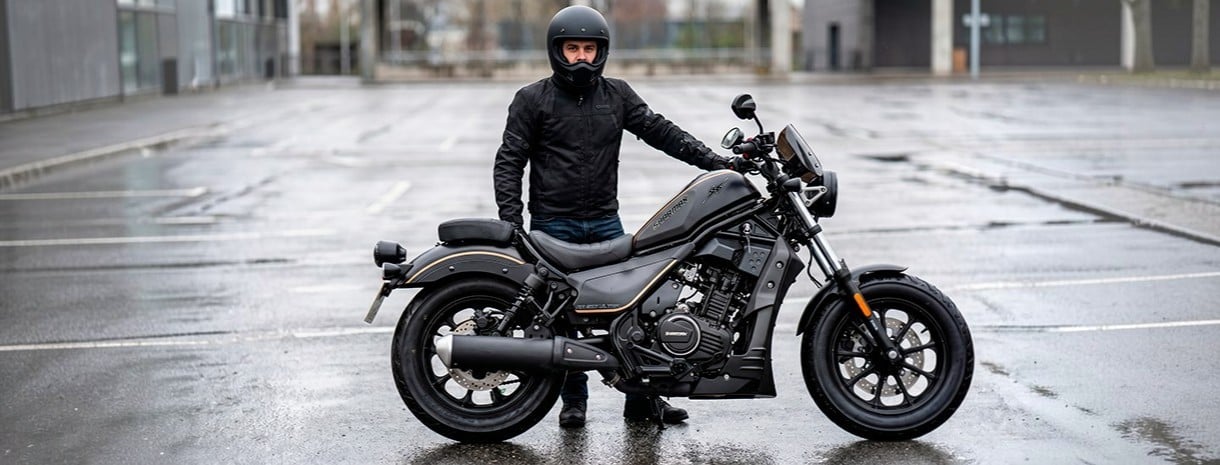
In summer heat, everything is tested for durability. Motorcycles, despite being made of steel and rubber, may also suffer from sun rays and dust. In fact, during the high summer season, the bike may require even more attention than ever. Below, we have prepared for you ten summer motorcycle maintenance tips that will help you protect your motorcycle from heat and avoid breakdowns.
1. Check Tire Pressure and Condition
Summer heat changes tire behavior fast. Heat raises pressure, so if you check right after a ride, the numbers will lie. Use your manual's cold PSI and check in the morning. Re-check about once a week during peak heat. It's one of the simplest motorcycle summer checklist habits. Don't drop pressure randomly "for comfort" on the street.
Next, look at the tire itself. Hot asphalt eats rubber, so inspect for cracks, flat spots, and uneven wear. Check sidewalls and tread blocks after long rides, and replace tires if the tread is close to the wear bars. Don't ignore small cuts if you ride fast highways.
Do: check tires when they are cold, then re-check once a week in peak heat, inspect sidewalls and tread blocks after long rides.
Don't: drop pressure randomly "for comfort" on the street, ignore small cuts or cracking.
2. Change Oil on Time
Oil breaks down faster in heat and intense use. If you're stuck in stop-and-go, the engine cooks its oil. Follow the manual, but be more strict in summer. This is core motorcycle care in summer heat.
Oil should stay clean, without any metal glitter or dirt. Check the level often, and keep it between MIN and MAX.
How Often Should You Change Oil:
- Motocross / enduro: every 10–20 engine hours, or after 2–3 hard rides
- Street / sport bikes: every 3,000–6,000 km (depends on model + riding style)
- Touring bikes / choppers: every 5,000–7,000 km
For enduro and motocross in dusty conditions, "often is better" really works when it comes to oil change. Use manufacturer-approved oil like the Sharmax engine oil W50 to be on the safe side.
Do: check oil level regularly and look at the oil condition (clean vs dirty).
Don't: stretch oil intervals in peak heat, especially after dusty or aggressive rides.
3. Wash Your Motorcycle
In many regions, sand and dust are daily life during summer time. Dirt blocks cooling fins, wears chains faster, and kills moving parts. Washing is an important part of how to maintain a motorcycle in hot weather.
Some Useful Washing Tips:
- Let the engine cool before washing. Hot metal + cold water is a bad combo.
- Start with the dirtiest parts first (wheels), so you don't spread grime upward.
- Avoid high-pressure washing. It can damage radiators, coolers, chains, and bearings.
- Dry the bike well. Wipe from the top down (tank, plastics, seat) with clean microfiber.
- Blow out tight areas with compressed air: chain and sprockets, around the engine, under fenders, and plastic mounts.
- After washing, roll forward/back and lightly brake to dry the discs.
This is a simple motorcycle service checklist hot weather habit that pays back fast.
Do: wash more often after dusty rides and dry the bike properly.
Don't: spray high pressure at radiators, bearings, chain, or electrical connectors, and don't wash the bike while it's still hot.
4. Check Cooling System
Overheating is the fastest way to ruin a ride. Whether your bike is liquid-cooled or air-cooled, it needs extra attention during heat. This is a key part of how to prepare your motorcycle for summer.
For Liquid-Cooled Bikes:
- Check coolant level in the reservoir when the bike is cold.
- Look for leaks around hoses and clamps.
- Make sure the fan actually turns on when the bike gets hot.
- Keep radiator fins clean (dust blocks airflow fast).
For Air-Cooled Bikes:
- Keep the cooling fins clean (dust acts like a blanket).
- Avoid long idling in traffic — air cooling needs airflow.
- Watch for "hot signs": rough idle, power drop, strong heat smell.
Do: clean radiator/fins gently (soft brush, low pressure water), and verify the fan works.
Don't: open a hot radiator cap. Ever. Also don't pressure-wash straight into the radiator fins.
5. Keep the Radiator and Oil Cooler Clean
Even if your coolant is fine, blocked fins mean poor cooling. Dust can turn your radiator into a blanket. This gets worse in summer traffic and on sandy roads, because the fan has to work harder and heat builds up faster. Also check the oil cooler (if your bike has one). It clogs the same way. A quick look after a dusty ride can save you from overheating later.
Do: do a quick visual check after dusty rides and clean gently with low-pressure water or a soft brush.
Don't: bend fins with aggressive pressure or scrape them with hard tools.
6. Clean and Lube Chain More Often in Summer
Heat dries lube. Dust turns it into grinding paste. So chain care becomes a weekly job for many riders. This is one of the most important motorcycle maintenance for long rides in summer.
The chain affects both safety and drivetrain life. Lube it every 300–500 km. If you rode in rain or washed the bike, lube it again after it dries. Use only a proper motorcycle chain lube that matches your riding conditions.
Also watch chain tension. Too tight overloads bearings and sprockets. Too loose can slip and even jump off. A practical check interval is every 500–1000 km. A common free play range at the lowest point is 2–4 cm, but always confirm your exact spec in the owner's manual.
If you see rust, serious sag, stiff links, or hooked sprocket teeth, it's usually time to replace the chain (often chain + sprockets as a set).
Do: lube every 300–500 km, and check slack every 500–1000 km (aim around 2–4 cm free play if your manual matches).
Don't: use random oils as "chain lube," and don't ride with a chain that's too tight or visibly sagging.
7. Check Brake Pads and Brake Fluid
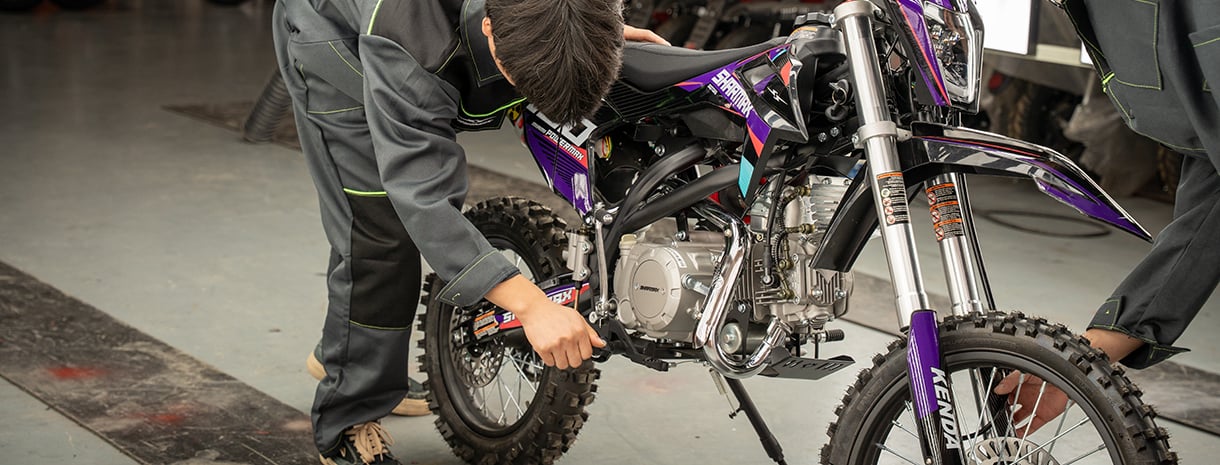
Summer heat plus traffic means more braking. Pads wear faster than you think. Brake fluid also ages, and old fluid can feel soft when things get hot. Put this on your motorcycle summer checklist.
Pads should be replaced when the friction material is down to about 1.5–2 mm. A typical pad lifespan is roughly 10,000–20,000 km, but it depends heavily on riding style. Brake fluid should be changed every 1–2 years no matter the mileage, because it absorbs moisture over time. That lowers its boiling point and can lead to brake fade when you brake hard in heat.
Also inspect brake discs for deep grooves or cracks. Check disc thickness too: if it's at or below the minimum thickness stamped on the disc, it's time to replace it.
Do: check pad thickness and disc condition regularly; change brake fluid every 1–2 years.
Don't: ignore squealing, vibration, or a spongy lever — especially in hot weather.
8. Check Battery and Charging
Heat is brutal for batteries. If starts feel weaker, don't wait for a "dead in the parking lot" moment. This is a small part of summer motorcycle maintenance, but it saves big headaches.
Check the basics: terminals should be clean and tight. Look for white/green corrosion. If your bike sits outside in the sun, the battery can age faster. If you don't ride often, a simple trickle charger helps a lot.
Do: check terminals for corrosion and make sure connections are tight.
Don't: ignore slow starts or leave a weak battery "until it dies."
9. Prep for Long Rides Carefully
Before longer summer rides, do a quick scan. It prevents stupid problems far from home. This is the simplest motorcycle maintenance for long rides summer routine.
Quick Pre-Ride Checklist:
- Tires: pressure + visible damage
- Chain: slack + lube
- Fluids: oil level, coolant level (if applicable)
- Brakes: lever feel, pad glance
- Lights: headlight/brake light (night rides happen)
This is also the most practical answer to how to prepare a motorcycle for summer without turning maintenance into a full-time job.
10. Park Smart: Summer Storage and Shade
Direct sun bakes the seat, plastics, tires, and even fuel in the tank. Shade makes a bigger difference than most riders expect. This is a simple part of how to protect a motorcycle from heat.
Main Points:
- Park in shade whenever possible (covered parking, garage, even partial shade helps).
- If shade isn't available, use a breathable cover (so it doesn't trap heat and moisture).
- Avoid parking next to hot walls or metal surfaces that radiate heat back onto the bike.
- If the bike sits all day, a reflective cover helps reduce heat soak.
Do: park in shade and use a breathable cover.
Don't: leave it under direct sun for hours or use an airtight tarp.
Quick "Heat Stroke" Emergency Guide
The motorcycle service checklist in hot weather provided above is a really good foundation to follow and stay on track in summer.
Yet, if despite all precautions, the bike actually starts overheating mid-ride, do this:
1. Get Airflow, Then Stop Safely
If you're in traffic, try to roll to a spot with airflow. If the temp keeps climbing, pull over.
2. Don't Shut It Off Instantly
If it's safe, let it idle for 20–40 seconds so heat can move through the system. If it's clearly boiling or the warning is severe, shut it down.
3. Kill the Heat Source
Turn off extra load (heated grips, extra lights). Let the bike cool.
4. Never Open a Hot Radiator Cap
Wait until it's cooled down. Hot coolant can spray out and burn you.
5. Check the Obvious
Look for coolant leaks, a wet hose area, or a fan that never turns on. If you see coolant on the ground, don't keep riding.
6. Top Up Only When Cool (and Only If Needed)
If the bike is liquid-cooled and fully cooled, check the reservoir. Top up with the correct coolant (or distilled water in a real emergency). Ride gently to the nearest safe place.
7. If It Overheats Again, Stop and Call It
Repeated overheating can warp parts fast. Better a tow than a cooked engine.
Look after your motorcycles as a living being and it will pay you back with gratitude. Enjoy the summer riding season and stay safe!