Types of Off-Road Motorcycles Explained
Compare enduro bikes, motocross bikes and other off-road motorcycle types. Choose according to terrain, experience and intended riding.
20 Aug 2026
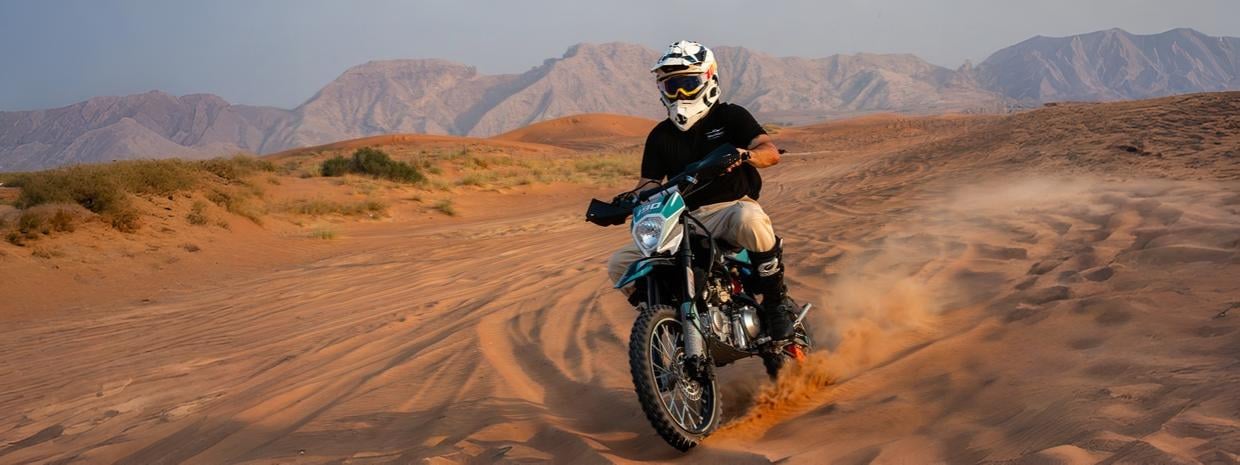
If you love riding motorcycles, perhaps one day you'll look beyond the asphalt and consider trying trails. Sand and open terrain give the ride a different feel, but the variety of off-road bikes can make getting started confusing: enduro, motocross, or pit bike?
This guide explains the differences between the types of bikes, what each excels at, and who they are suitable for. The goal is to help you choose a bike that allows you to enjoy the trail and develop your skills, not just one that looks like the bikes you see in videos.
What attracts riders to the off-road roads in Egypt?
The variety of surfaces—from sand and rock to dedicated trails—makes off-road motorcycling a different experience from city walks. And in cooler weather, spending more time outdoors is more comfortable. But choosing the right place is part of the journey: use designated riding areas, respect reserves, property, and local restrictions, and don't assume every open space is open to bikes. Proper planning and the right company will make the adventure more enjoyable.
Main types of off-road bikes
They may all seem the same to a beginner, but the seat, wheels, suspension, and engine serve different purposes. These are the most important categories you'll encounter when comparing them:
Enduro bikes
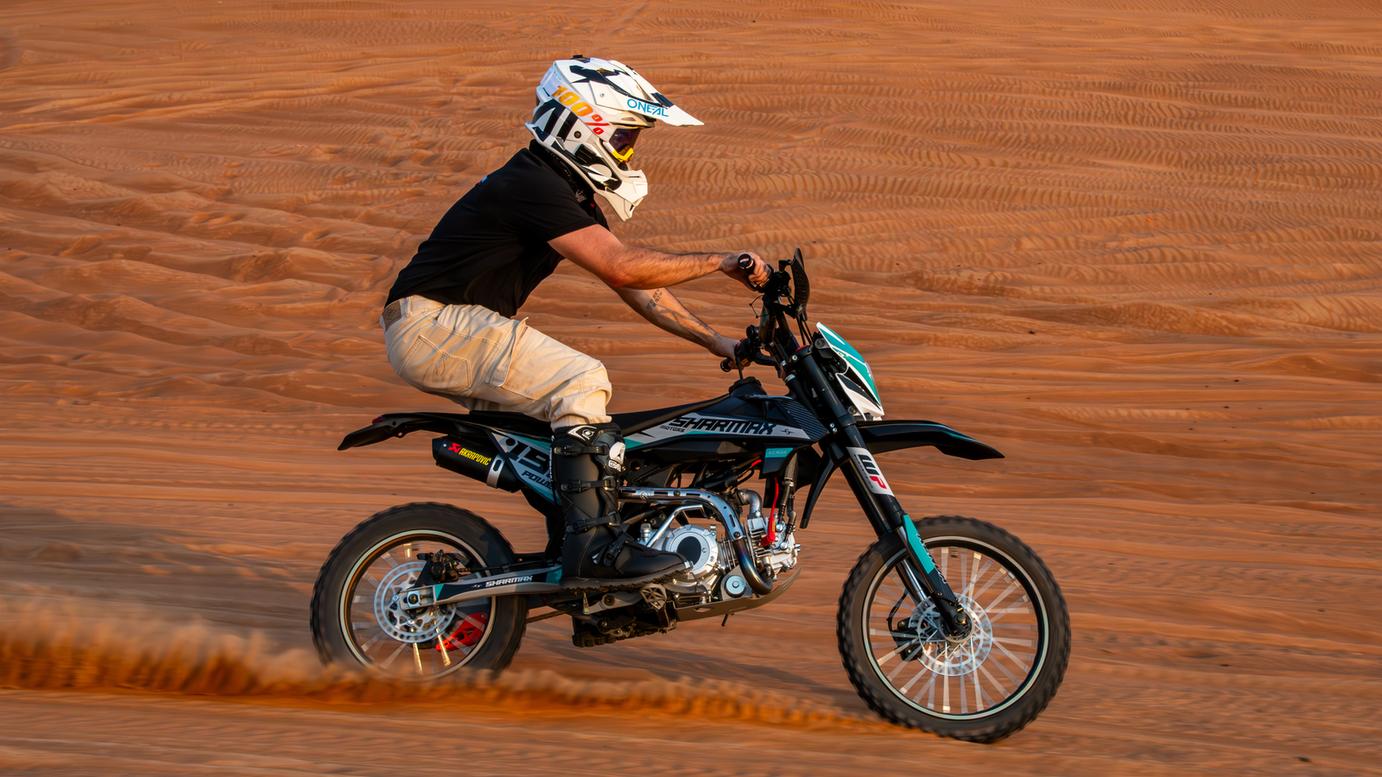
Enduro bikes combine the ability to handle varied terrain and maintain a longer track than a short lap on a circuit. Lighting, fuel tank, and seat configurations vary depending on the model. The Sharmax Power Max 250 exemplifies the off-road trend and is a worthwhile comparison when considering a full-size motorcycle. Ultimately, the choice depends on your experience and the nature of the terrain; the term "enduro" alone doesn't guarantee that every model is suitable for beginners or street-legal.
Motocross bikes
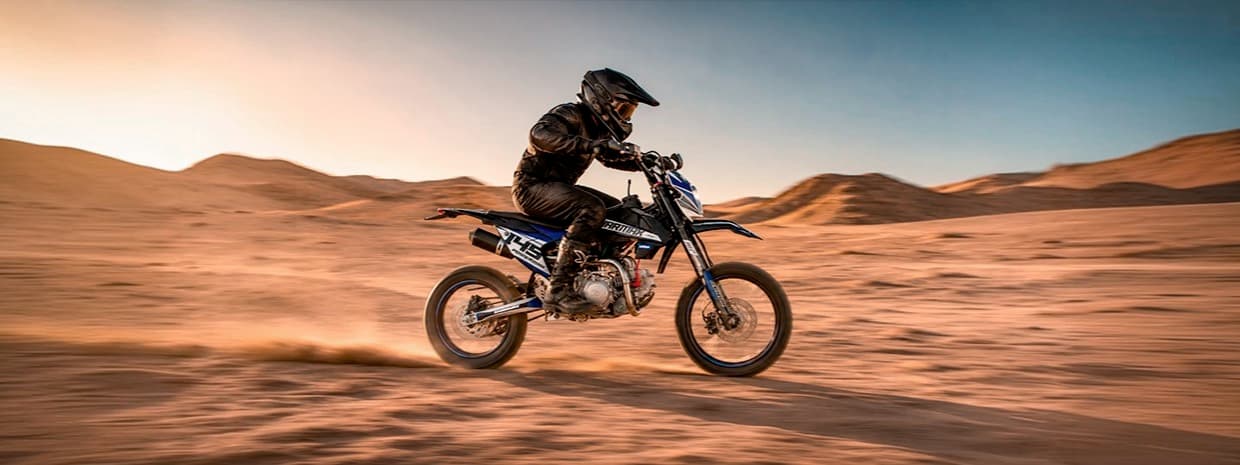
MX bikes are designed for closed circuits, turns, and jumps, prioritizing weight, responsiveness, and suspension over travel. They often lack mirrors, indicators, and a seat designed for extended use. Sharmax's lineup includes off-road models like the Expert Pro 320, but the specific configuration and intended use determine whether a bike is suitable for training or competition. Jumps are not a starting point; they are a skill acquired gradually in a dedicated environment.
Pit Bikes
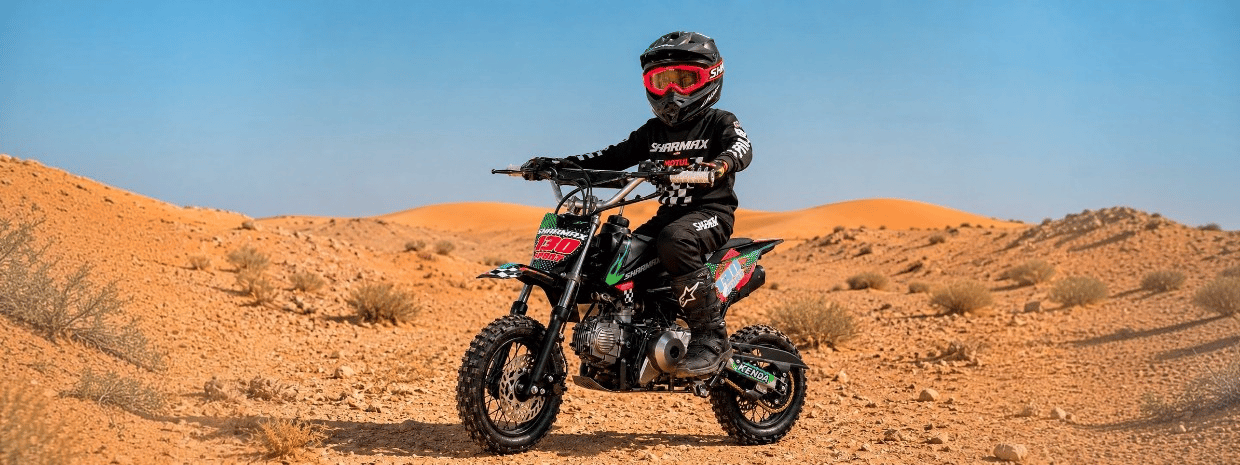
Pit bikes are small, but they offer real fun on suitable trails. The low seat and compact dimensions help riders learn to handle them when they are the right size. The Sharmax Sport 130 Mini is a prime example, demonstrating the concept of a small bike for both training and recreation. An experienced rider might also choose it as a second bike for a small track, but not as an enduro alternative for a long sand ride. For younger riders, adherence to the specified age and size requirements, supervision, and proper equipment are essential.
Recreational trail bikes
Trail bikes prioritize relatively quiet riding and practicality over racing performance. Their engines and responsiveness are often better suited to gradual riding, making them a good comparison option for beginners. A suitable 150-250cc model can help you learn to handle light gravel or easy dirt tracks, provided its weight and seat are appropriate. The goal is to learn the technique and enjoy the ride, not to feel like the bike is pushing you into a race you're not prepared for.
Dual-use motorcycles
This category combines on-road capability with some off-road use, featuring amenities such as lighting, mirrors, a seat, and luggage options depending on the model. The Sharmax Enduro 300 Travel exemplifies this trend within the lineup. It's worth considering for those who want to use it for daily commutes and trips on varying terrain, but its suitability for deep sand differs from that of a light dirt road. Overall performance depends on the version's certification and registration in Egypt, not just the presence of lights.
Practical differences between enduro, motocross, and pit bike
Let's put three clearly track-oriented categories side by side. Similarity in tires and shape does not mean that the driving experience, maintenance, or suitability will be identical.
What makes enduro unique?
Enduro is moving towards longer and more varied routes: uphill, uneven terrain and constant changes in grip, rather than focusing on fast laps on a single track.
Key features:
- A relatively lightweight structure and long-travel suspension to handle uneven ground.
- Engine response and transmission ratios suit the control and climb, with different personalities between models.
- The possibility of fitting protections for the engine, hands, and parts exposed to impacts, depending on the use.
Strengths and limitations:
- Flexibility in handling diverse terrains and trail trips, when you choose the right model and equipment.
- The weight and equipment may exceed that of a specialist competition bike, and narrow tracks or jumps may require different preparation and skill.
What makes motocross unique?
Motocross prioritizes performance on a dedicated track, not extended rest. Its design caters to intense effort, rapid changes in direction, and sporty suspension.
Key features:
- Relatively low weight and responsive steering for handling turns and changes of direction.
- A sports suspension tuned to the nature of the track and the rider's skill level, with the need for proper setup.
- Limited additional equipment; focus on performance rather than luggage, travel comfort, or road equipment.
Strengths and limitations:
- Suitable for training and competitions on dedicated tracks, with gradual skill development and preparation.
- Less suitable for long distances and asphalt; the sitting and hanging position may tire you, and it is not supposed to be suitable for public roads.
What Makes a Pit Bike Different?
The focus of the Pit Bike is on compact size, training, and entertainment. There are models for children and others for adults, and the compact size alone does not determine the appropriate age or strength level.
Key features:
- A compact seat and dimensions may facilitate access to the ground if they are proportionate to the rider.
- Simple construction and lighter weight than full-size bikes in many models.
- Performance varies from version to version; choose the appropriate response for training, not just the smallest form.
Strengths and limitations:
- Suitable for learning the basics on a permitted training area or private track, with protection and supervision when needed.
- The wheels, suspension travel, and fuel tank limit its suitability for large terrain and long journeys. It's more of a fun, focused workout than a long-distance expedition.
How to choose an off-road bike in Egypt?
To choose what helps you rather than hinders your learning, look at the big picture. These six criteria are more important than the category name alone:
Driver experience
Don't start with a 450cc engine just because your friend has one. A properly sized pit bike, a quiet trail bike, or a small enduro might suit you, depending on your body and training. As your skill develops, you can compare to the higher-performance 250-450cc classes, but the transition should be determined by your ability to handle the bike, not just how long you've owned it.
Purpose of use
If you're looking for track laps and athletic training, compare suitable motocross bikes. If your idea is a longer route through varied terrain, an enduro bike is worth considering due to its suspension, setup, and range. For basic training and recreation in a small space, a pit bike might be more suitable than a larger motorcycle. Decide what you want to do before choosing a motor.
Terrain type
In Egypt you may encounter sand, rocky ground and dirt tracks, each requiring different equipment and skill:
- In soft sand, tires, suspension, control, and trip planning become essential elements.
- On rocky trails and climbs, compare ground clearance, engine response, transmission ratios, and weight; large capacity alone does not make the climb easier.
- In small training spaces and tracks, the compact size and suitable seat help in learning the basics without the need for a long journey.
The rougher and more varied the track, the more important the suspension, brakes, protection, and proper setup become, regardless of the category you choose.
Technical specifications
More horsepower doesn't automatically mean more fun. Focus on:
- Engine character: A smooth and predictable response that helps the beginner more than a sharp, forceful one.
- Suspension: Choose and adjust it for the rider's weight, terrain and level of training.
- Brakes and equipment: Electric operation, suitable protections and good brakes; and in some dual-use models there are ABS systems depending on the version.
A motorcycle you can confidently control allows you to learn better than a model where you spend the whole ride resisting its power or weight.
Maintenance and spare parts
Before purchasing, find out where maintenance will be performed and how routine parts are ordered. This becomes especially important with frequent use in dusty and sandy environments or intensive training. The oil, filter, chain, and suspension schedule varies depending on the model and usage intensity, and having this information clear from the start helps you manage your time and budget.
Budget
A pit bike is often a less expensive entry-level option than a more advanced enduro or motocross bike, but when comparing bikes in Egypt, you should consider current prices in Egyptian pounds. Add to that the cost of a helmet, boots, gloves, protective gear, maintenance, and transportation if needed. It's better to choose a simpler model that suits your needs and allocate a budget for equipment, rather than spending everything on the bike and then compromising on basic protection.
Frequently Asked Questions
What are the important safety features on an off-road motorcycle?
Brakes and suspension are in good condition, and the equipment is suitable for the track, with appropriate engine and hand guards depending on the model. Lighting is helpful on versions designed for specific uses. However, training, rider equipment, and handling skills remain essential; equipment alone does not guarantee track safety.
Which off-road motorcycles can be licensed for road use in Egypt?
The determining factor is the version's certification and registration and licensing procedures, not the Enduro name or the presence of a license plate holder. Dual-use versions designed for road use may be available, while many competition and pit bikes are used only on tracks and trails.
What type is suitable for a beginner?
A bike with the right size, weight, and responsiveness after training. It could be a pit bike, a quiet trail bike, or a small enduro in the 200–250 cc range, but no single capacity or category guarantees a fit for everyone. Start with what you can handle, not a competition model that exceeds your needs.
What is best for long desert trips?
You need to balance range, weight, and luggage with the difficulty of the terrain. A properly equipped enduro bike is useful for touring challenging trails, while a touring enduro or dual-use bike might serve less rugged mixed roads. A large tank alone doesn't make a heavy bike suitable for deep sand; planning, companionship, and permits are all part of the choice.
In summary: Choose the bike that suits your journey and skill level.
There's no single best bike for everyone. When you understand the differences between the types, your choice becomes calmer and more precise: what suits your body, experience, budget, and the route you'll be using. Start with a bike you enjoy and control, and leave the upgrades to experience. To compare Sharmax models and options in Egypt, contact the New Cairo showroom at +20 10 4040 4039.