Motorcycle Cleaning: Dos & Don'ts
Learn how to clean a motorcycle while protecting electrical parts, finishes and moving components. Avoid common washing mistakes and follow model guidance.
28 Aug 2026
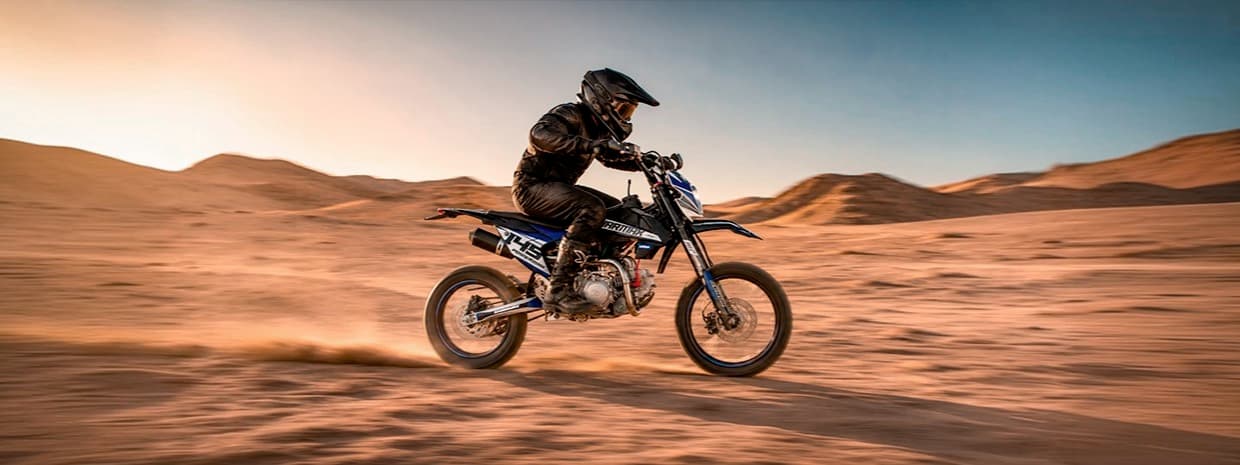
After every sandstorm, which are common in the Middle East, you look at your motorcycle and wonder, "Do I need to wash it again?" The answer is yes—even for city bikes, cleaning is essential, let alone motocross and enduro bikes. Sand and dirt accumulate in tiny crevices, clog filters, and can cause bolts, joints, and mechanisms to fail over time. We've put together a quick guide to motorcycle care tips so you can learn how to clean your bike without damaging it.
Why isn't a pressure washer always the ideal solution?
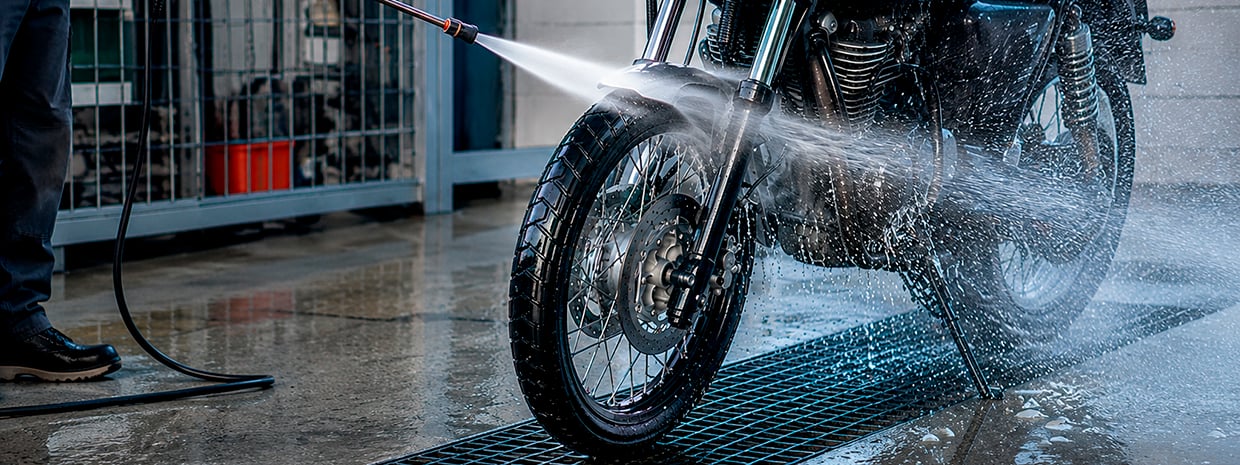
A pressure washer may seem like a quick way to remove all the dirt. Used carelessly, however, its concentrated jet can damage a motorcycle rather than clean it safely.
What distinguishes motorcycles, unlike cars, is their numerous exposed parts that are vulnerable to moisture. High pressure can force water into undesirable areas. Furthermore, water, combined with dirt, can damage seals or affect electrical connections.
The best approach here is to use this tool wisely, prepare the bike before washing it, and follow the tips below.
Tips and guidelines for washing motorcycles
These basic motorcycle cleaning tips will help you clean it properly without causing new problems.
Get ready to clean
Don't wash your motorcycle anywhere. Check local regulations first. In some areas, washing vehicles outside of designated areas is prohibited because oil, fuel residue, and chemical cleaning agents can leach into the soil or drainage system. Using a motorcycle wash equipped with a wastewater collection system is the safest option.
Protect the air inlet according to your model's design and manual instructions. Use the airbox wash cover if your model requires one; do not place any cloth or loose material inside the inlet. Remember to remove any cover or plug before operation.
A suitable exhaust plug can be used if recommended by the cleaning manual, but allow the engine and exhaust system to cool down first. Do not force water into the pipe, and remove the plug before starting the engine.
Close the fuel tank tightly. Make sure the fuel tank cap is securely closed. This is a crucial step, but it helps prevent water from entering the fuel system.
Remove any extra accessories. Take out side bags, soft bags, phone holders, cameras, and any removable electronic devices. Rain is one thing, but the direct pressure of water from the pressure washer is another.
Don't wash a motorcycle while it's hot. Let the engine and metal parts cool down first. Cold water on hot metal can cause cracks or damage to protective coatings. After all, you're washing a motorcycle, not trying to make a sword.
How to clean motorcycle parts without damaging them
Start with the Chain
Clean the chain before the frame to prevent oil from splashing onto clean surfaces. Turn off the engine and secure the bike properly, then use a soft brush and a cleaner compatible with the chain type and its links. Do not run the engine to move the wheel while cleaning the chain.
Do not use a pressure washer to clean the chain. Thick layers of mud and grease accumulate on the chain, and dirt also builds up on the gears. But a pressure washer is not a magic solution. High pressure can damage seals, remove lubricants, and accelerate chain wear. If the dirt is stubborn, clean it by hand instead of spraying it with water.
Protecting sensitive areas
Avoid: Submerging electrical components, air filters, the carburetor, or the radiator with water. This may seem obvious, but water seeps into exhaust pipes, connectors, and filter areas more easily than you might think. A key motorcycle cleaning tip is to avoid direct pressure on switches, wires, spark plug areas, the carburetor, the radiator, bearings, and seals.
Do not spray pressurized water inside the exhaust pipe. The exhaust can be cleaned from the outside. The inside does not require a personal shower.
Clean the engine gently
Tip: Treat the engine like the heart of the motorcycle. Many motorcycles have exposed engine parts, cooling fins, and small gaps where dust accumulates. Use a sponge, a soft brush, and warm water with a small amount of motorcycle shampoo. This method is slower than using high-pressure water, but it's the best way to clean motorcycle engine parts without damaging them.
Wash the frame and plastic parts
After cleaning the sensitive parts, move on to cleaning the frame. Once you've finished the chain and other delicate areas, clean the frame, plastic parts, fenders, and guards. Motocross and enduro bikes typically require more attention because mud and sand accumulate everywhere. But road bikes also need regular maintenance, especially after dust storms, sandstorms, or long summer rides.
Tip: Use appropriate motorcycle cleaning products. For removing accumulated dirt from vertical surfaces, a gel cleaner is recommended as it stays on longer and allows enough time to break down the dirt before rinsing. Avoid using harsh household chemicals, as they may damage the paint, rubber, aluminum, and protective coatings.
Don't forget the lights, mirrors, and windshield.
Lamps, mirrors, and windshields collect insect and dust residue. Soften stains with water and a suitable surface cleaner or a damp microfiber cloth, then gently wipe and rinse. Do not use a product that may darken clear plastic.
Do not scrape dried insect tracks off plastic or painted surfaces unless you enjoy adding scratches for decoration.
Choose the right motorcycle cleaning products
Tip: Choose motorcycle cleaning products according to the type of surface. There's a cleaner for almost everything: the chain, engine, frame, glass, chrome, plastic, and seat materials. The problem arises when someone buys a single "miracle all-in-one" product and expects it to clean their entire motorcycle equally effectively.
Avoid using harsh chemicals on aluminum, chrome, rubber, or seat materials. Strong alkaline cleaners can be too harsh on aluminum parts. Chrome can also react negatively to the wrong product. Some car shampoos even have a "Not suitable for motorcycles" warning printed in small print on the back label.
The paint can be protected with a suitable product after drying, keeping in mind that matte paint may require different care than glossy paint. Do not apply wax or oil-based polishes to the seat surface, control knobs, tire treads, or brakes; slipping in these areas is dangerous.
Dry the motorcycle thoroughly
Tip: Dry your bike after washing. Washing is only half the job; drying is just as important if you want to clean your motorcycle without damaging it. A soft chamois cloth or a clean microfiber towel is perfect for painted parts, plastics, and the seat.
Dry the water around screws, switches, footrests, and openings. A gentle blower or low-pressure air can be used from a safe distance; avoid forcing water into connectors, bearings, and seals. Do not direct the airflow toward yourself or other people.
Check the brakes after washing. In a safe area, move at very low speed and gently apply the brakes to check their response. Do not resume normal riding until braking feel and performance have returned to normal.
After the chain dries, apply the appropriate lubricant and wipe off any excess according to the product instructions. Keep the spray away from the tires, discs, and brake pads. If the brakes become contaminated with oil, a quick wipe and driving are not sufficient; proper cleaning and inspection are required.
Your quick motorcycle cleaning checklist
Pre-rinse the motorcycle
Start with a generous rinse using clean water from a hose. This removes loose dust, sand, and dirt before you touch the bike with a sponge.
Prepare two buckets
Mix motorcycle-safe shampoo with water in one bucket. Keep clean water in the second bucket for rinsing the sponge, so you don’t rub dirt back onto the bike.
Wash from top to bottom
Apply the foam gently and work from the upper parts down. Pay attention to tight areas, but don’t force water into electrical parts, bearings, air intake, or the exhaust.
Clean the wheels and chain separately
Use a wheel cleaner for rims and a proper chain cleaner with a chain brush. Don’t blast the chain with high-pressure water, and don’t forget to lubricate it after drying.
Rinse off all shampoo
Wash away all foam with clean water. Make sure no cleaner stays on paint, plastics, rubber, chrome, or aluminium parts.
Dry the bike properly
Use a soft microfiber towel or chamois cloth. Don’t leave the motorcycle to dry under direct sun, because water spots can appear on paint, plastics, mirrors, and the seat.
Finish with care products
After drying, apply suitable care products to the surfaces specified by their instructions. If your bike has a chain drive, add fresh chain lube and wipe off the excess. Keep polish and oil off the seat, grips, tyre tread and brakes, and remove any wash covers and exhaust plug before starting.
Frequently Asked Questions
Can a pressure washer be used on a motorcycle?
Handwashing at low pressure is the most conservative option. If your model's manual allows a pressure washer, adhere to the specified distance and pressure, and do not direct the jet towards the chain, bearings, seals, radiator, electrical system, or air intake and exhaust.
How often do I need to clean my motorcycle?
Clean your bike according to how dirty it is and how it's been used, especially after riding in sand, mud, or other corrosive substances. A dirt bike might need cleaning after a ride, while a clean bike doesn't require a full wash on a fixed schedule.
Are all cleaning products safe for motorcycles?
No. Use appropriate motorcycle cleaning products and always check the label, as harsh chemicals can damage aluminum, chrome, rubber, paint, or seat materials.
What is the best way to clean a motorcycle chain?
Switch off the engine and secure the motorcycle. Use a soft brush and cleaner compatible with the chain and its seals. Once dry, apply the specified lubricant and wipe off excess, keeping it away from tyres and brakes.
How do I dry my motorcycle after washing it?
Use a microfiber towel or soft cloth, then air dry any narrow openings if possible. After drying, inspect the brakes and chain.