5 ATVs for Farm Work in Egypt
Compare 5 Sharmax ATVs for farm work in Egypt. Explore engines, payloads and equipment for hauling, towing and working on rough property roads.
03 Sep 2026
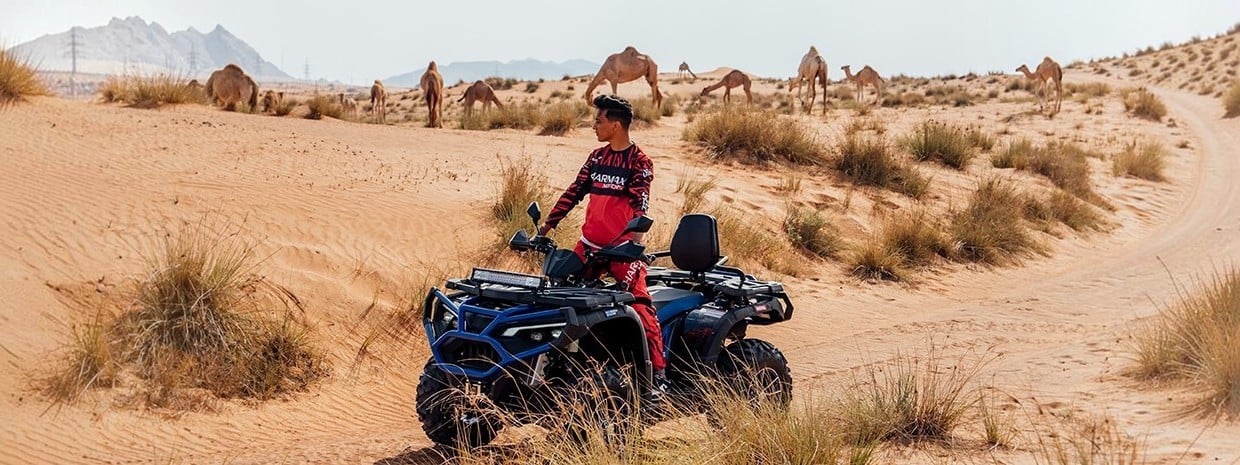
As farm work picks up, it’s worth remembering that an ATV isn’t only for tearing up trails. It can also be a seriously useful helper for everyday chores. From hauling tools and supplies to moving around rough property roads, the best ATV for farm work is the one that saves your time and effort without overcomplicating the job.
In this guide, we’ll break down what ATVs for sale are actually good on a farm, what features matter most, and which models make the most sense for real-life tasks. If you’re wondering what is the best atv for farm use, you’re in the right place.
How a farm ATV can be useful to you
Throughout the agricultural season, there is always something to do outside the city. A visit to your land may combine work with the activities you enjoy, such as exploring or reaching a suitable fishing spot where access is permitted. That is where a good ATV for farms starts making practical sense: it helps with daily chores and movement around the property.
In peak season, you easily rack up dozens of kilometers around the property and nearby roads. Public transport outside the city is often limited, and not everyone wants to “sacrifice” their car to broken tracks and muddy shortcuts.
Farm quad bikes for everyday chores can cover a surprising amount of real-life tasks, for example:
- moving supplies, water and tools between storage and work areas on the property
- reaching remote parts of the land and rough tracks that are difficult to access by car
- buying and transporting building materials
- moving harvest and boxes for sale at a local market
- delivering crops and supplies between work areas on the property
- collecting household waste and taking it to a disposal point
This is why people look for a farm ATV for sale: it is not only about off-road fun but also about saving time and keeping the car away from rough property tracks.
Choosing an ATV class for farm work
For rural chores and mixed terrain, utility models are usually the smartest pick. The best utility atv for farm work is designed to carry loads, handle poor roads, and stay stable when you add racks, a trailer, or extra equipment. In other words, it’s built for hard work first.
Benefits of choosing a utility model as an atv for farms
- Higher load capacity: Great for carrying hay, firewood, building materials, tools, and supplies — the stuff that “somehow always weighs more than it looked.”
- Better off-road ability: Handles dirt roads, ruts, soft ground and mud after irrigation or rain, within the machine’s limits and the rider’s ability.
- Real versatility: Works for chores during the week and for weekend rides when you finally have time to breathe.
- Easy to equip for work: A winch, tow hitch, cargo boxes and compatible utility attachments can expand what the ATV does. Each attachment must match the model’s instructions and load limits; being able to mount it is not enough.
Downsides of utility atvs to keep in mind
- Higher price than sport models: Utility ATVs for farm use cost more than sports models because they’re usually built with more power and weight for better durability.
- Not the fastest machines: They focus on traction and pulling power. If you want speed records, you’re looking in the wrong shed.
Technical criteria for choosing the best ATV for farm
Even if you focus on utility models, it’s hard to pick the right one instantly. Start by listing the exact tasks you expect from the machine: hauling firewood, carrying tools, towing a small trailer, moving across muddy tracks after rain, or doing quick supply runs. That’s how you find the best atv for farm work for your real routine.
Enough pulling power
For light “family” use and basic chores (quick rides, store runs, smaller loads), around 200cc with air cooling can be enough.
For heavier work or longer periods under load, compare the engine, cooling system and approved towing capacity together. Liquid cooling and air cooling with an additional oil cooler are different systems; suitability depends on the model and operating conditions. Carry a passenger only on a version designed and approved for two-up use.
Here are practical engine ranges:
- 200–300cc: light chores, one rider, smaller loads
- 400–700cc: the “most farms” sweet spot for hauling and towing
- 900–1100cc: heavy hauling, deep mud, bigger trailers, tough terrain
Towing limits vary substantially between models. Do not estimate trailer capacity from engine size or vehicle weight: use the limit in the model’s manual and the correct hitch. Include the trailer’s own weight as well as its load, and follow the specified speed and terrain restrictions while towing.
Moderate speed
For farm riding, high speed is unnecessary and often unsafe. Utility ATVs typically run in the 60–90 km/h range, which is more than enough for property roads and rural routes. For an atv for farms, traction and control matter more than top speed.
Weight and stability under load
Utility ATVs tend to be heavier than sport models. Their construction supports working equipment, but weight alone does not determine stability: load distribution, track width, tyres and terrain matter too.
Typical weight ranges (rough benchmarks):
- lighter ATVs: ~250–320 kg
- utility ATVs: ~320–450+ kg
Do not assume a heavier ATV is less likely to roll over. High loads, corners and slopes can change its balance quickly. Keep loads low and evenly distributed, stay within the manual’s limits and adjust your speed and riding technique to the terrain.
Strong load capacity
A practical ATV should carry both rider and equipment.
- Many utility ATVs handle 150–200 kg payload (rider + cargo).
- With two-up models, remember: the passenger weight counts as payload.
- With a trailer, treat towing capacity, hitch load and the ATV’s own payload as separate limits. Do not add the figures together to create a new permitted load.
If you are browsing a farm atv for sale, always check payload and towing limits, not just engine size.
Real off-road capability
For rural roads and seasonal mud, aim for:
- ground clearance of 200 mm+ for typical conditions
- 250–310 mm if your roads are rough and rutted
- For soft ground, compare models with selectable four-wheel drive. A differential lock can help in specified conditions when used as instructed; it does not replace suitable tyres or correct riding technique.
If you’re asking what is the best atv for farm use, drivetrain options and clearance are often more important than speed.
Wide tires with proper tread
Utility models usually come with wider tires and stronger tread for dirt and mud. For farm tasks, look for:
- tire sizes around 25–28 inches
- deeper tread (mud-style) if you deal with wet soil or clay
This helps the ATV stay stable and move confidently across soft ground.
Suspension and comfort
Look for:
- independent suspension
- longer travel (for example 200–240 mm) for rough roads
- adjustable shocks if you ride long distances with cargo
Comfort is not a luxury here. It reduces fatigue and improves control.
Equipment: base vs extended
You can find ATVs on the market in both a basic setup and a more extended package. The extended versions offer more functionality, and they may include useful extras in addition to the ATV itself, for example:
- Front and rear cargo racks (important if you plan to carry loads on an atv for farms)
- Tow hitch (useful if you want to attach a small trailer)
- Lighting equipment (a must if you plan to ride or work after dark)
- Heated grips, if available for the model and useful for cold early starts or winter work
- Passenger backrest (more comfort for longer trips, and extra support when riding two-up)
That’s why the best atv for farm use is often the model that arrives ready for work, not the one that needs upgrades before it becomes useful.
5 Sharmax Models to Compare for Farm Work in Egypt
Start with these five models from the Sharmax ATV catalog. They offer different levels of power, payload and equipment for different farm tasks. Availability of the version and delivery timing are confirmed in the Sharmax Egypt offer.
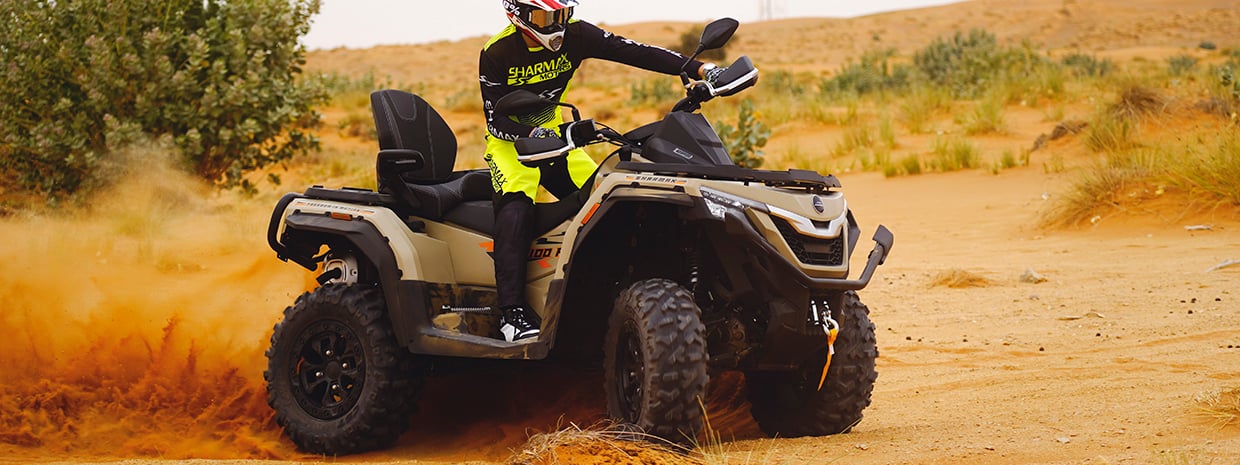
1. Sharmax Hummer 320 RX LTD
The Hummer 320 RX LTD is the “get-things-done” entry point: simple, practical, and friendly for everyday property riding. If you need an atv for farms for light hauling, short supply runs, and moving around rough tracks without overthinking specs, this one fits the role well. It’s compact enough for tight spaces, but still has real clearance for rural roads.
Characteristics:
- Power: 25 hp
- Engine displacement: 286 cc
- Fuel system: Carburetor
- Cooling: Combined
- Ground clearance: 300 mm
- Max load: 260 kg
Top Features: Philips LED headlights, air-oil cooling concept, and a Mikuni carburetor, passenger backrest, front and rear cargo racks.
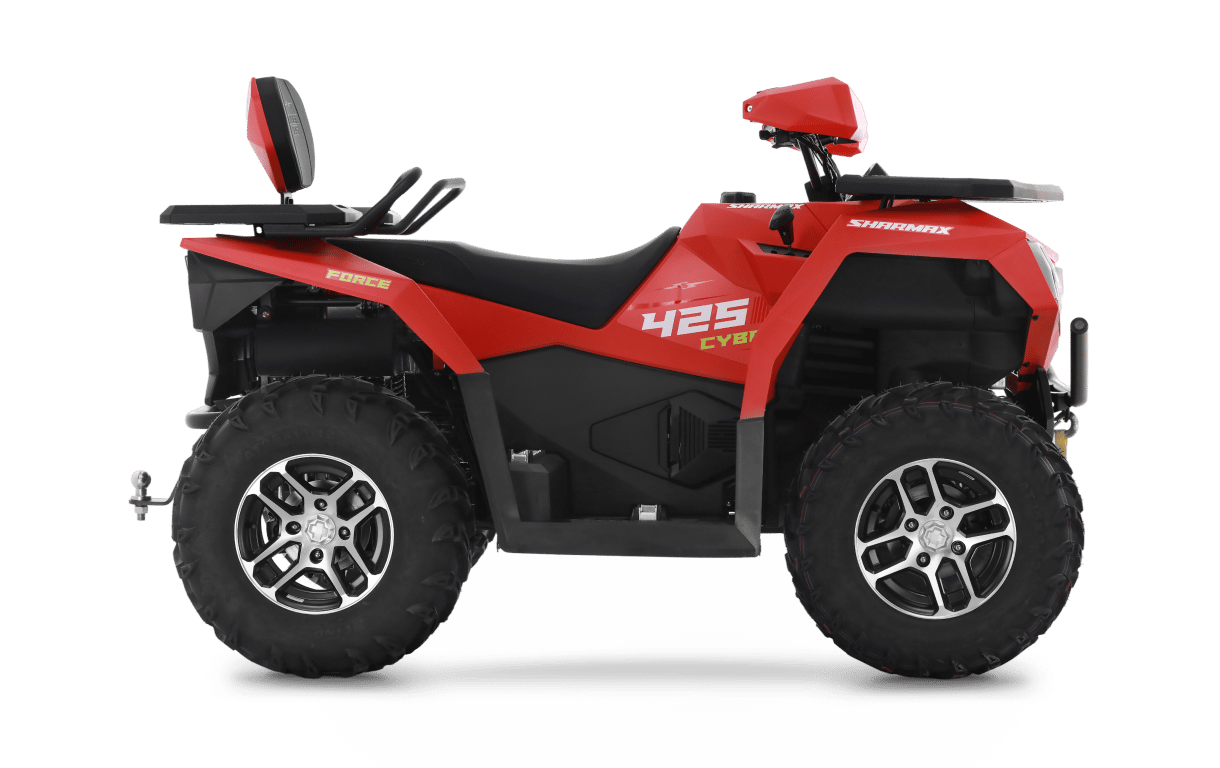
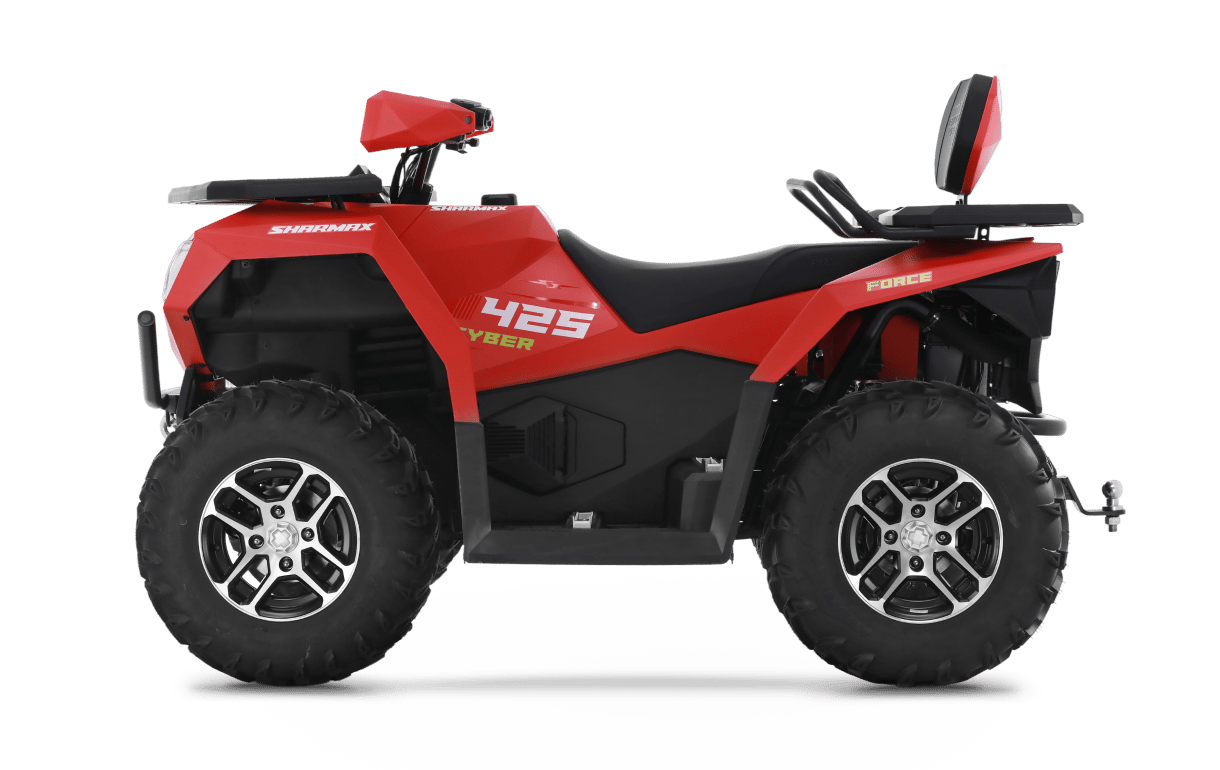
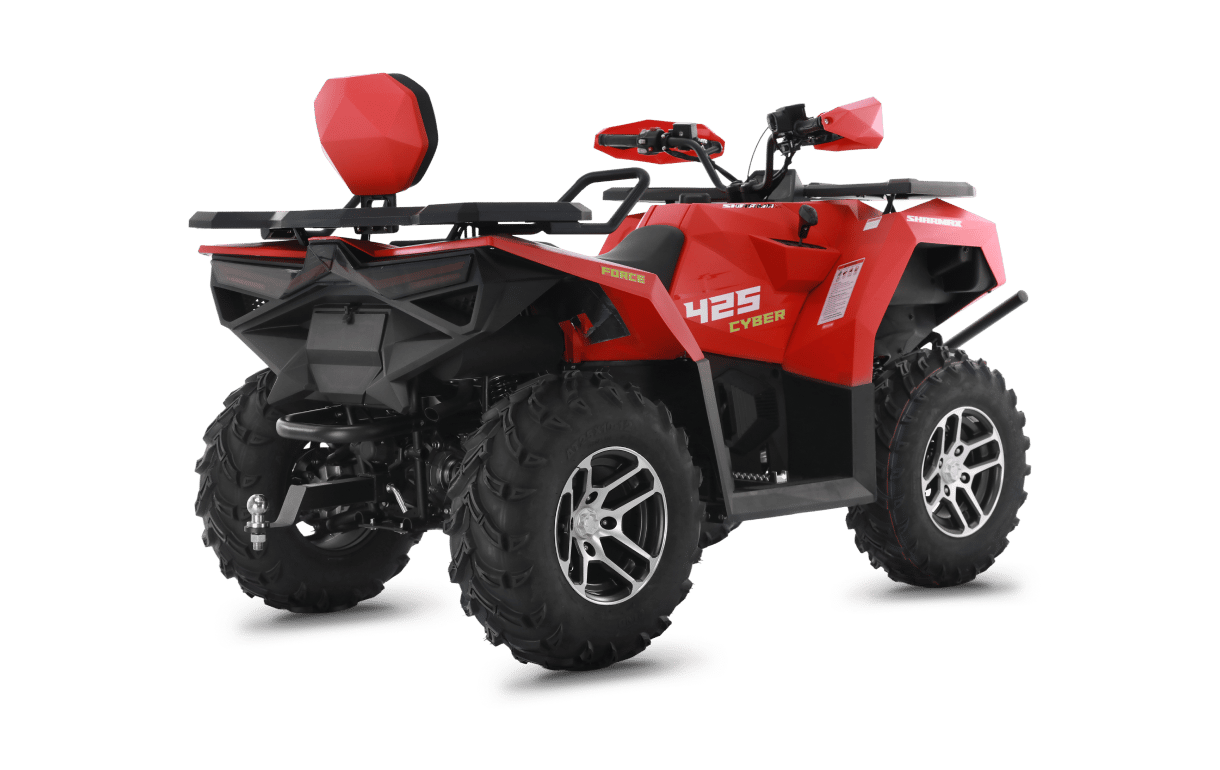
2. Sharmax Force 450 Cyber
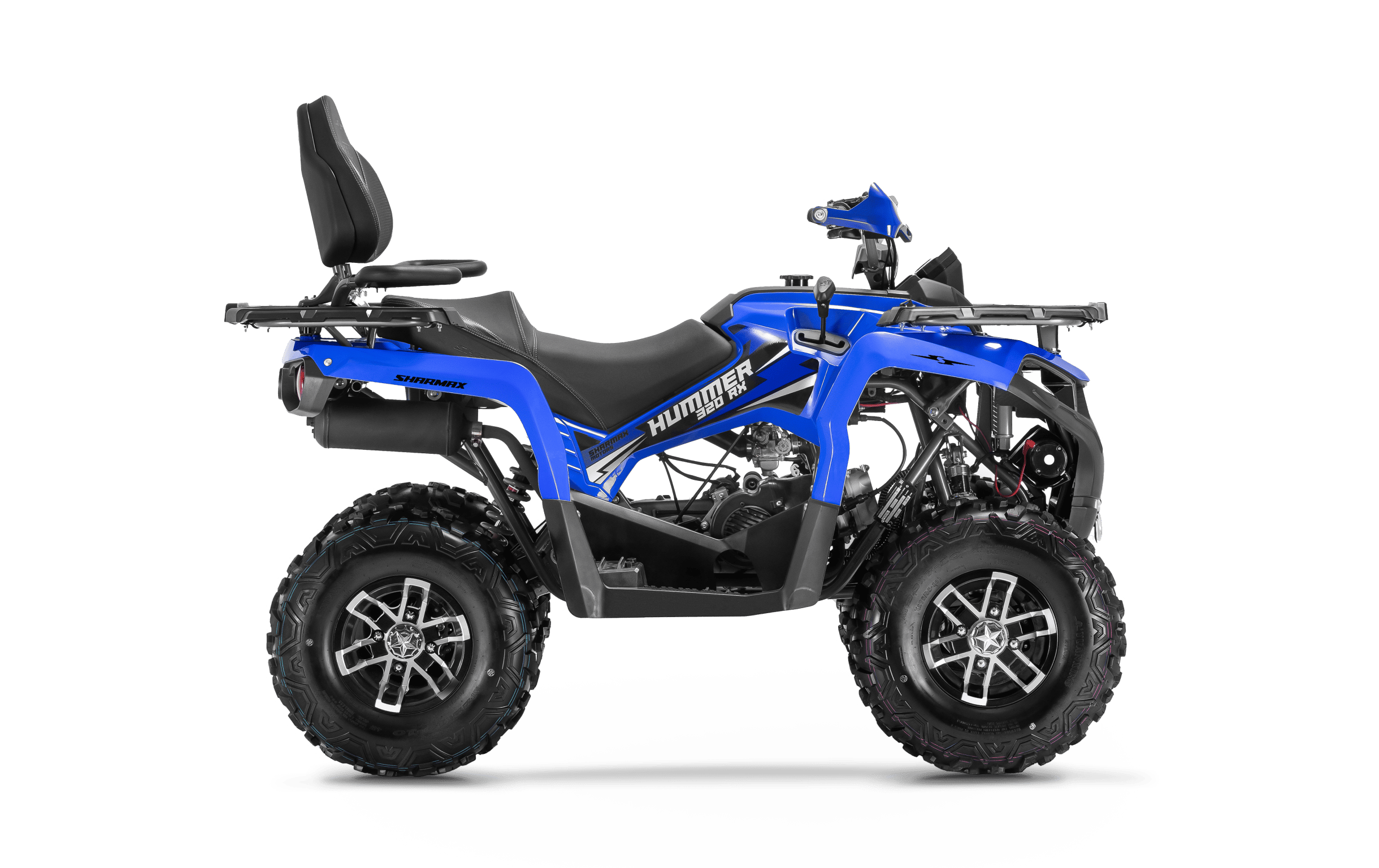
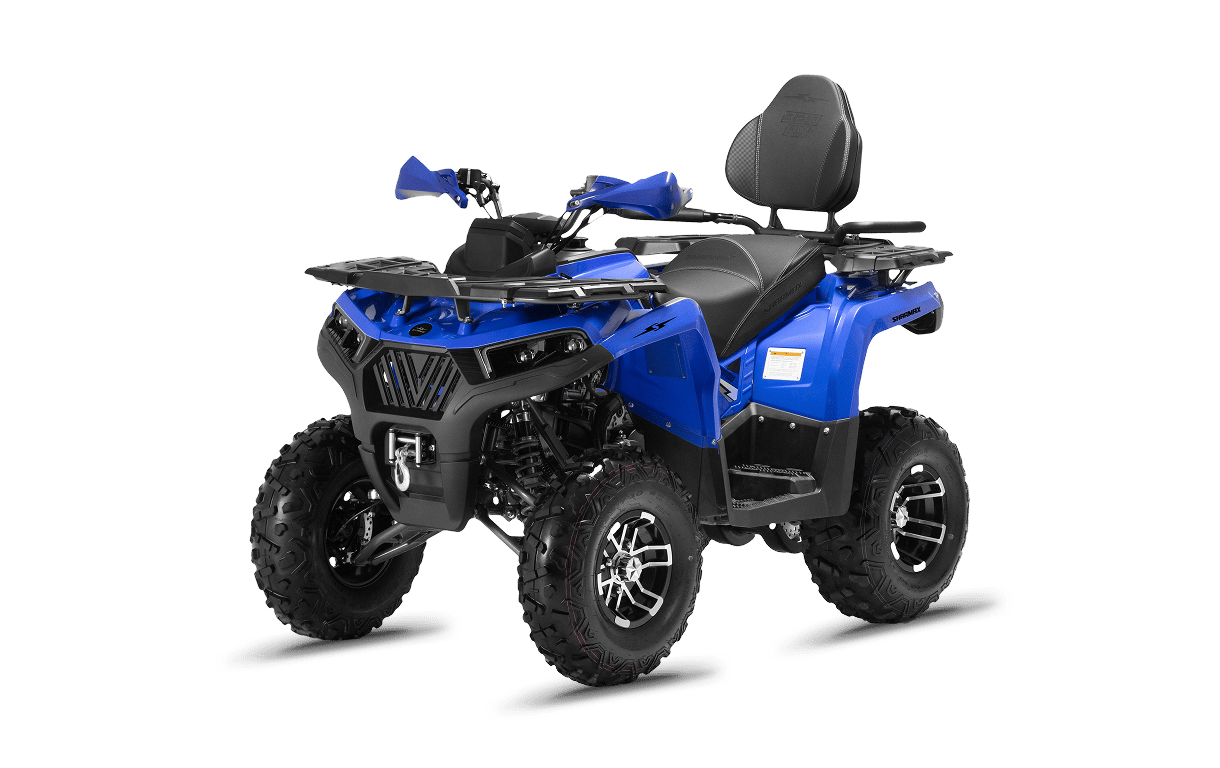
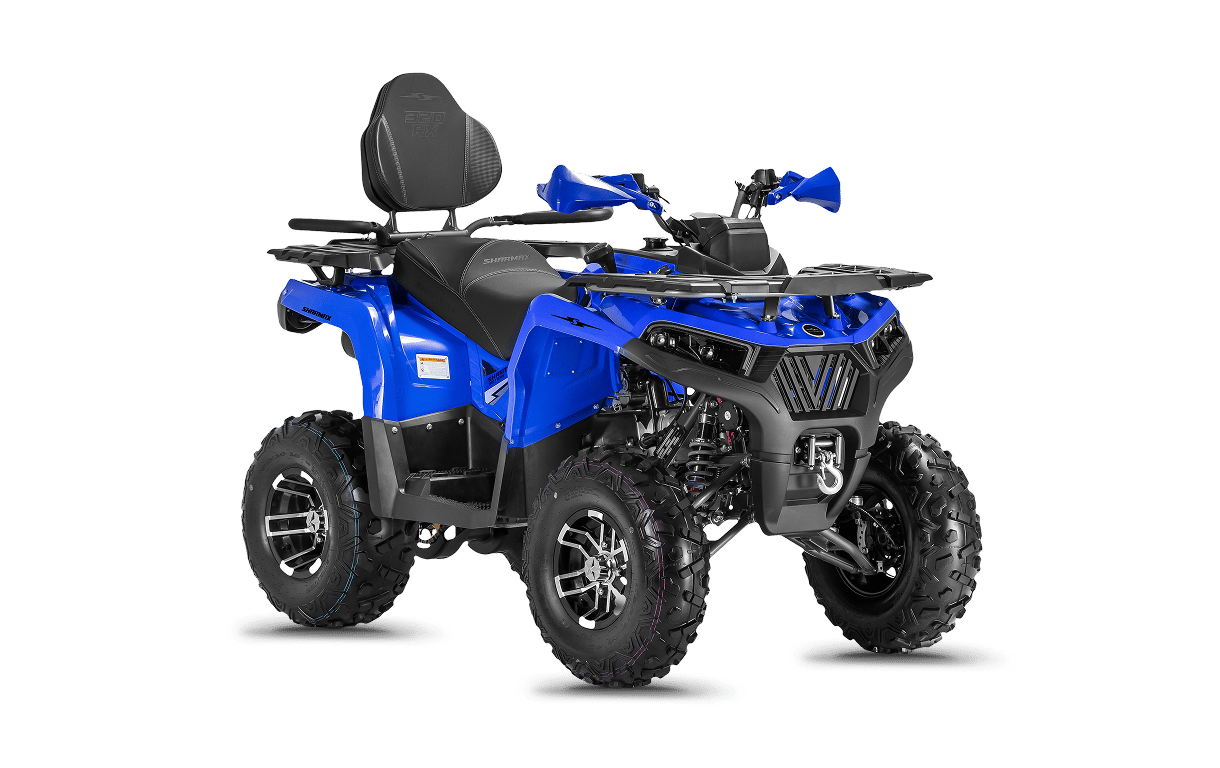
The Force 450 Cyber is a modern utility ATV that balances “work mode” and “ride mode.” For many buyers asking what is the best atv for farm work, this kind of mid-power 4x4 platform makes sense: it’s capable enough for property chores, but still easy to live with day to day.
Characteristics:
- Power: 27 hp
- Engine displacement: 287 cc
- Cooling: Liquid
- Ground clearance: 270 mm
- Max load: 250 kg
- Fuel consumption: 4–6 L/100 km, depending on operating conditions
Top Features: Selectable 2WD / 4WD, front differential lock, electric winch, reinforced cargo racks, and underside protection — a very “farm-ready” toolkit when you’re moving supplies and working on mixed terrain.
3. Sharmax Force 650 EFI EPS
The Force 650 EFI EPS is the classic “workhorse middle.” Strong enough for regular hauling, stable on rough ground, and still manageable for everyday riding. If you’re looking for the best utility atv for farm work, this is the kind of model that usually lands on the shortlist.
Characteristics:
- Power: 44 hp
- Engine displacement: 570 cc
- Fuel delivery system: Injector (EFI)
- Cooling; Liquid
- Ground clearance: 310 mm
- Max load: 250 kg
Top Features: Comes with utility-friendly highlights like EPS (easier steering control in tight spots), an electric winch rated at 1.5 tons, and EFI + passenger backrest and cargo racks.
4. Sharmax Force 720 Rage
The Force 720 Rage is the stronger “all-round farm” pick: more power, higher load rating, and a serious drivetrain for difficult terrain. If your daily routes include ruts, soft ground, and real hauling, this model starts to look like the best atv for farm use for heavier chores.
Characteristics:
- Power: 52 hp
- Engine displacement: 599 cc
- Ground clearance: 295 mm
- Max load: 280 kg
- Fuel system: Injector (EFI) + liquid cooling
Top Features: 2WD / 4WD / 4WD Lock and controllable front and rear differential locks — great when the farm road turns into a mud test.
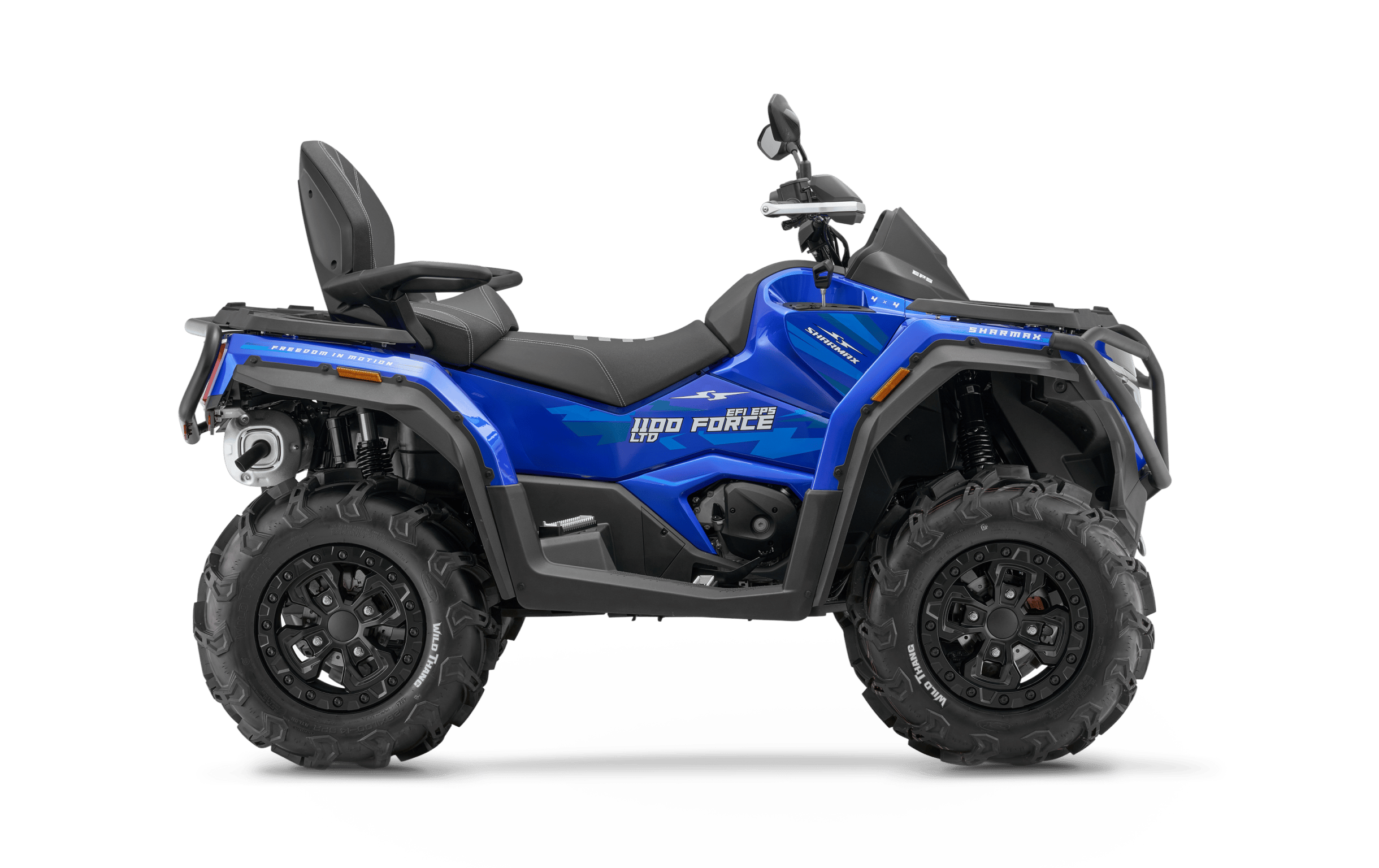
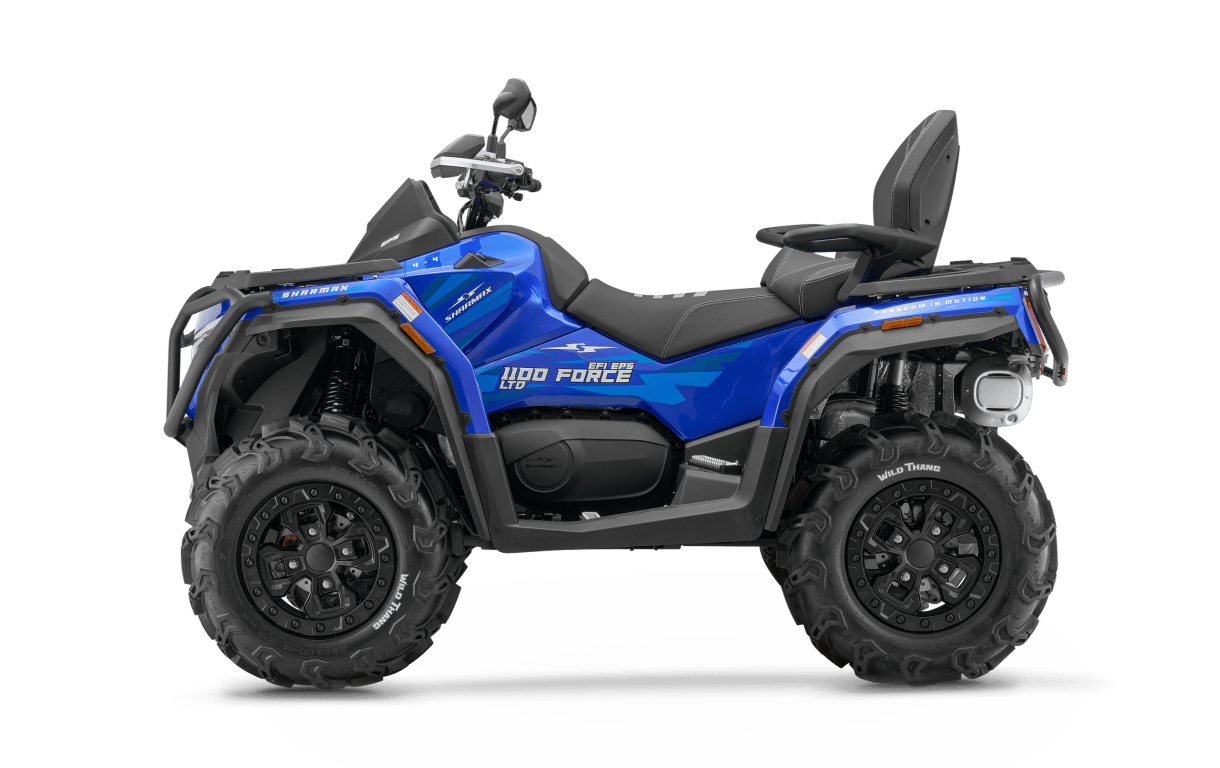
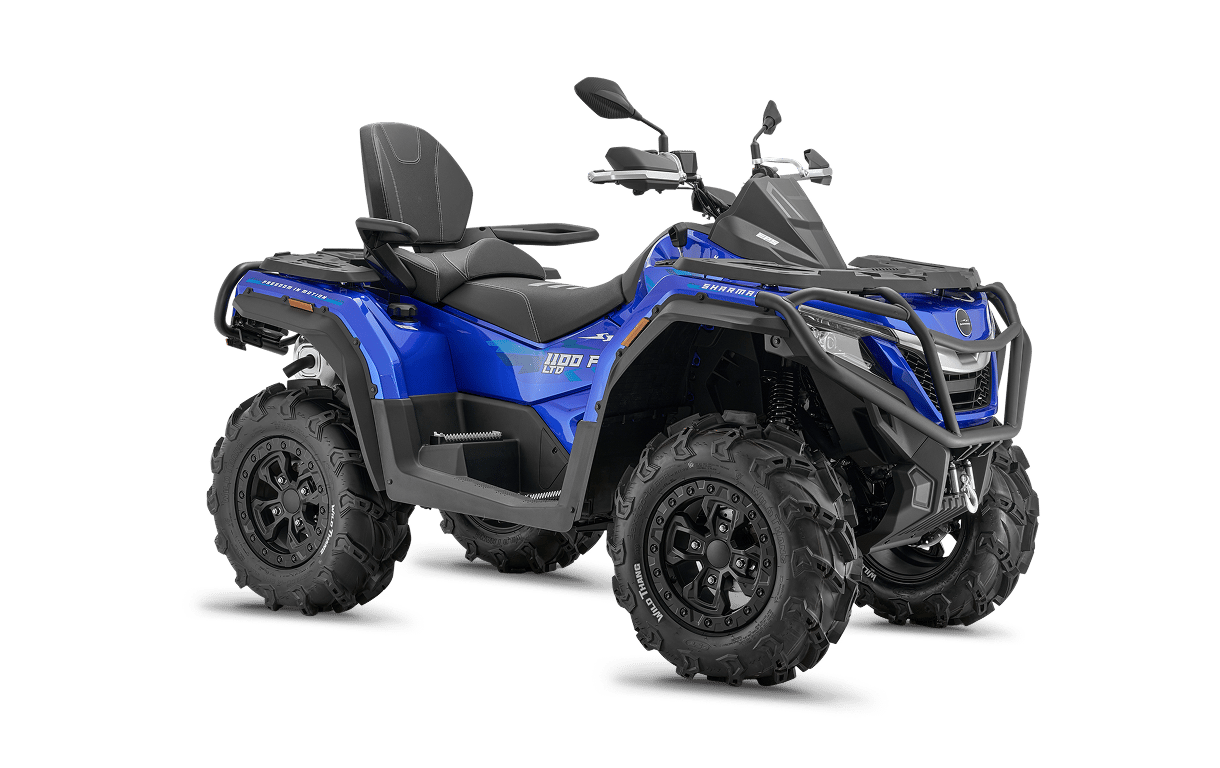
5. Sharmax Force 1100 EFI EPS
The Force 1100 EFI EPS is the top-end choice for heavy-duty farm tasks: strong power, high clearance, and the kind of performance that stays confident under load. If you’re searching the best atv for farm work for serious hauling, deep terrain, and demanding routes, this is the flagship-level option.
Characteristics:
- Power: 92.5 hp
- Engine displacement: 976 cc
- Ground clearance: 340 mm
- Max load: 280 kg
- Cooling: Liquid cooling
- Fuel system: Injector (EFI)
Top Features: Highlights include removable passenger seat, EFI for more efficient fuel delivery, front differential lock for climbs and tricky sections, wheels with beadlocks, and EPS for better control when you’re maneuvering around tight farm spaces with cargo.
Final take
The best ATVs for farm work mainly belong to the utility group, with equipment focused on hauling and practical outdoor tasks. These machines are generally heavier and less agile than sport models, so choose around the work you need to do rather than power alone. Sharmax offers a range of engines and equipment, including models with four-wheel drive and different approved payload and towing limits. Compare the specified capacities and compatible attachments, then choose the setup that suits your farm.
FAQ
Can a farm ATV replace a tractor?
Not fully, it can handle daily tasks like hauling small loads and towing light trailers, but it won’t replace a tractor for heavy fieldwork and serious implements.
What load capacity should I choose?
Add together the rider, any permitted passenger, cargo and additional equipment, then compare that total with the model’s approved payload and rack limits. Assess the required trailer towing capacity separately.
What engine size is best for farm work?
A practical range is 200–300cc for light chores and 400–700cc for regular hauling and towing.
Can you clear snow with a farm ATV?
Some models can operate a compatible snow blade when approved by the manufacturer, but this is not a usual priority for farm work in Egypt. Invest first in hauling and towing equipment that suits your tasks, and stay within the limits of both the attachment and the ATV.
Do I need bumpers on a farm ATV?
For farm quad bikes for real chores, bumpers are worth it because they protect the ATV from accidental impacts around the property.
What extra equipment should I buy?
For farm tasks, prioritize front and rear racks or a cargo box, a compatible tow hitch, a winch and suitable lights for early starts or late finishes. To compare models and equipment, contact Sharmax Egypt on +20 10 4040 4039 or visit the New Cairo showroom on Ain El Sokhna Road.