Scooter vs Motorcycle: Which Suits You?
Compare scooters and motorcycles for daily use in Egypt. Consider transmission, storage, riding position, running costs and your usual journeys.
25 Aug 2026
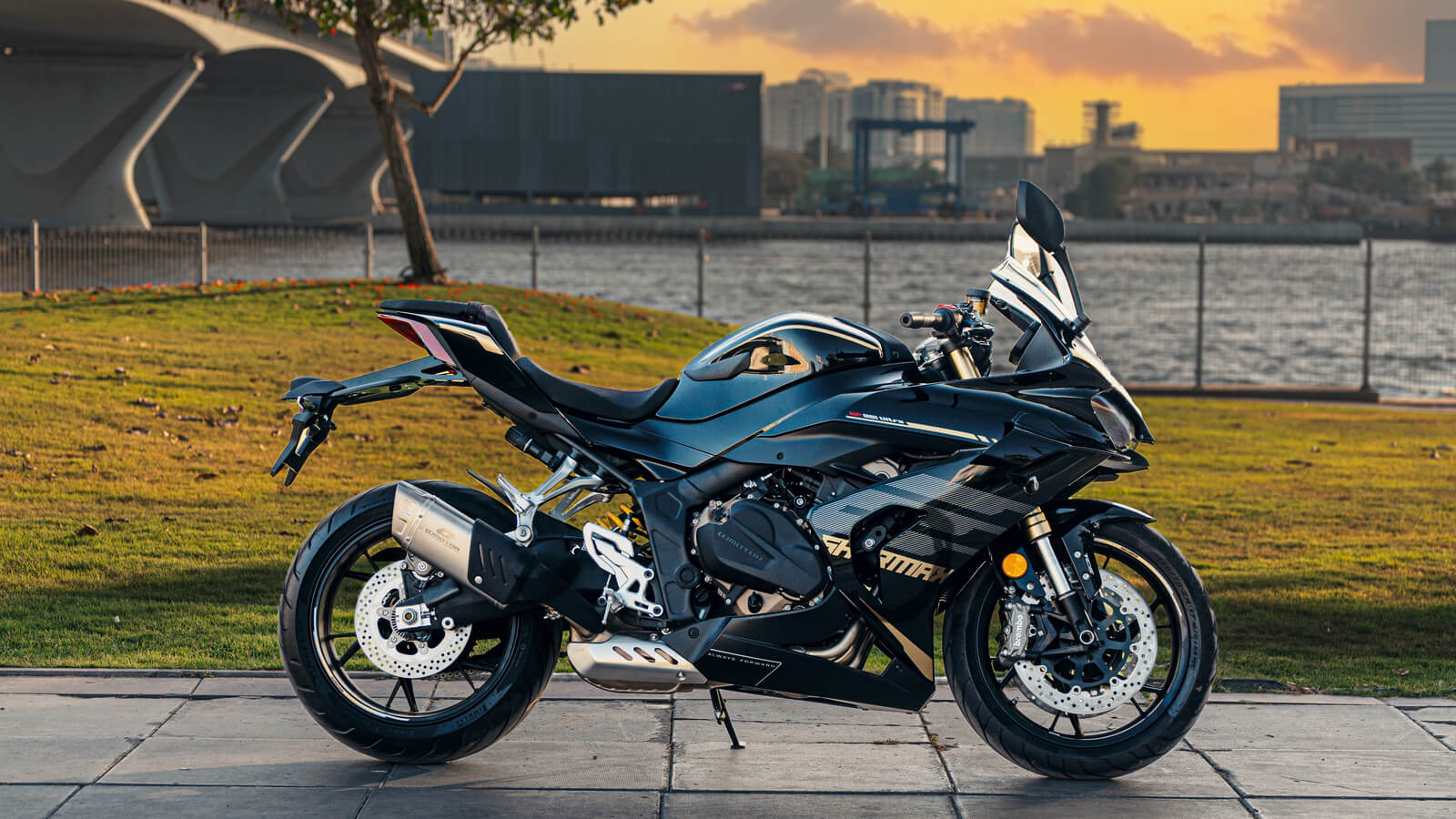
You can tell the difference between a scooter and a motorcycle at first glance. Both are two-wheeled vehicles, but their designs differ in how you sit, control, and use them daily. So, would you choose the simplicity of a scooter or the versatility of a motorcycle? What are the differences in comfort, safety, and cost? Here's a comparison to help you decide.
What are a motorcycle and a scooter?
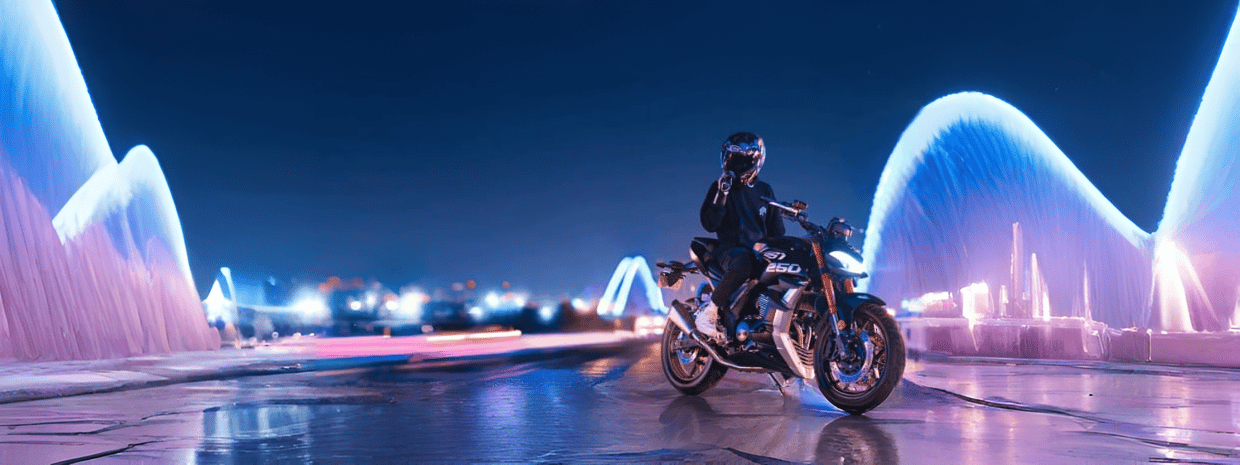
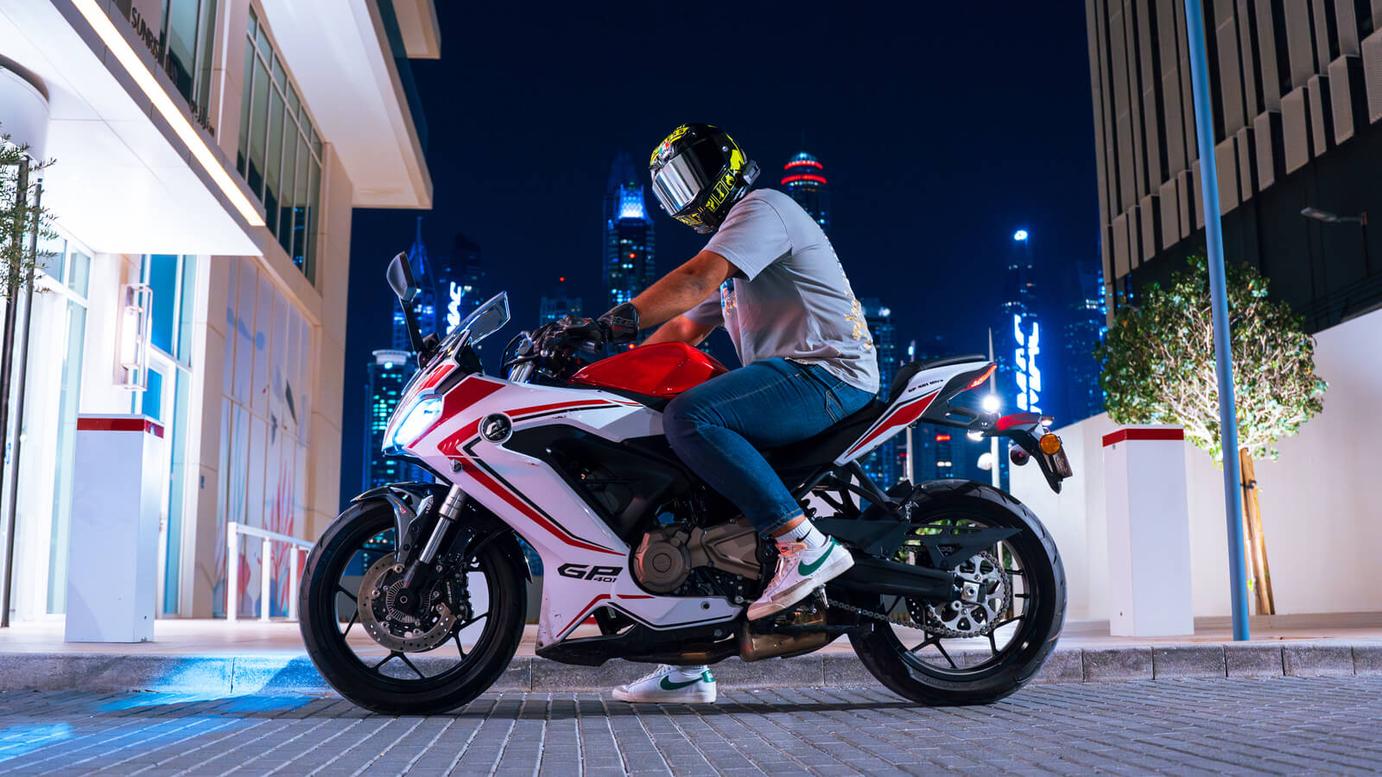
A motorcycle is a two-wheeled vehicle powered by an engine, usually located in the middle of the frame, with the fuel tank in front of the rider. Seating positions vary from upright to sporty, reclined positions, and engine capacities start from small and exceed 1000 cc in some models. Therefore, there is no single character for all motorcycles: some are suitable for daily commuting, while others are designed for touring or off-roading.
Scooters typically feature an easy-to-mount frame, ample foot space, and an upright riding position. Many models use a continuously variable transmission (CVT); you operate the accelerator without manually shifting gears, and the brake levers are located on the handlebars. The 150–300 cc range is a common example, but smaller and larger models also exist.
To determine which is better, a motorcycle or a scooter, see more differences below.
Key differences
The comparison begins with your daily usage: distance, road conditions, parking location, and what you carry. The following specifications then highlight the differences between a scooter and a motorcycle.
A variety of styles
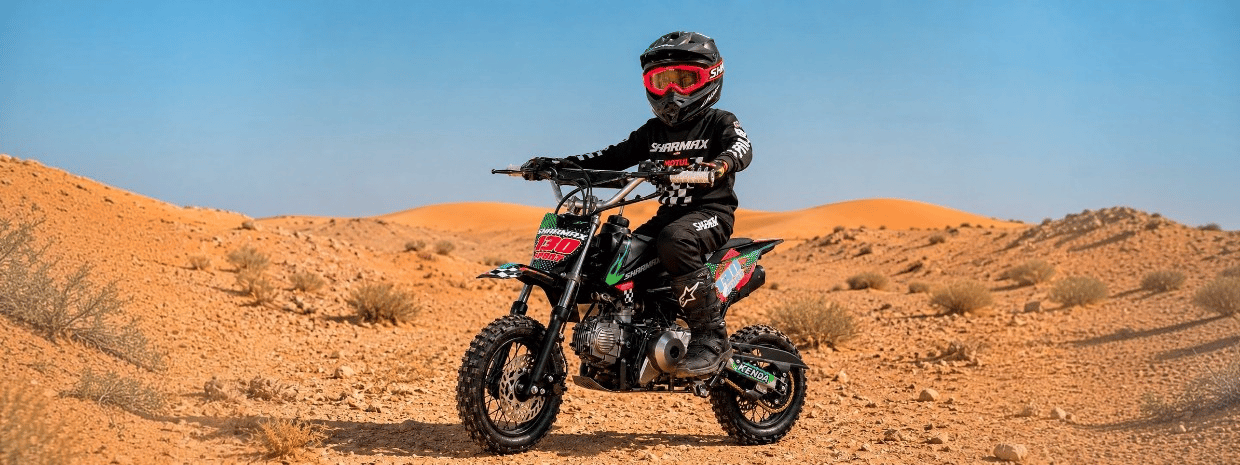
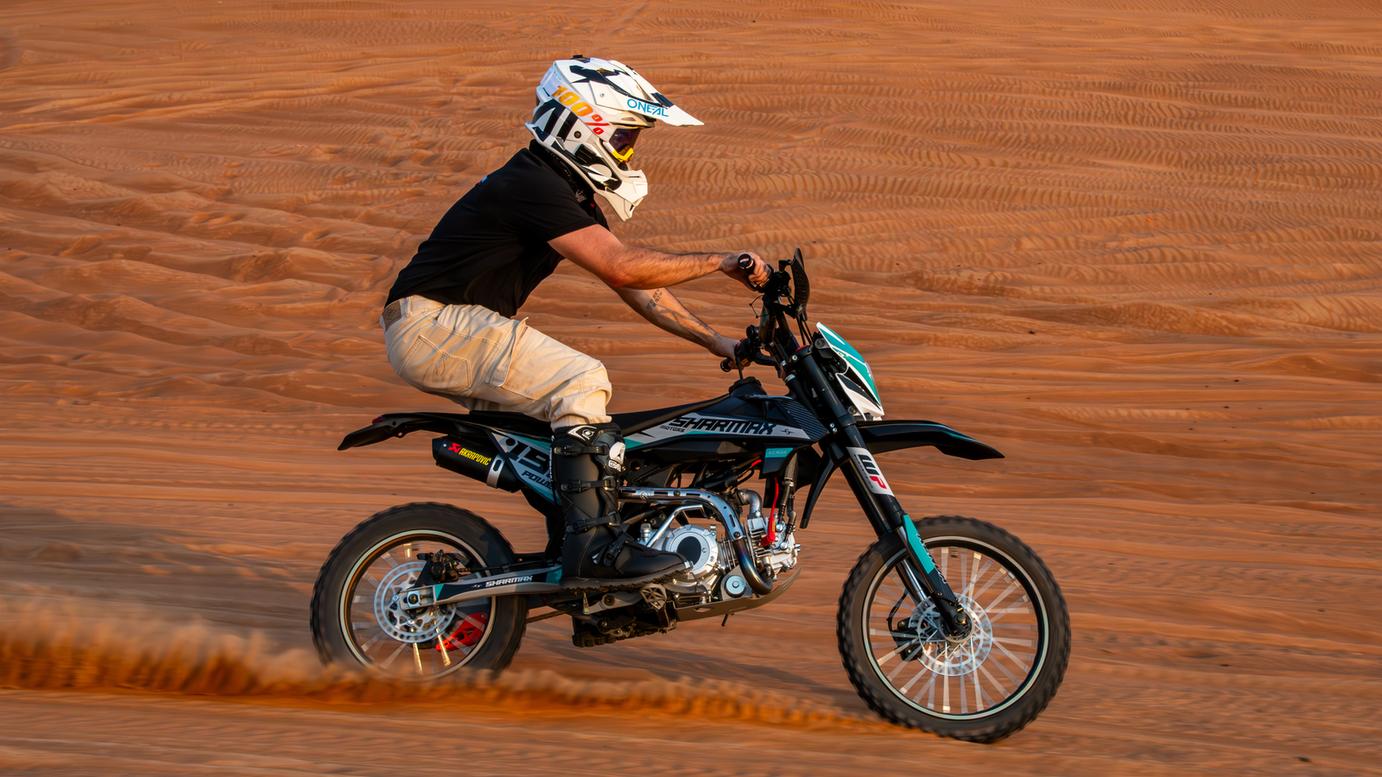
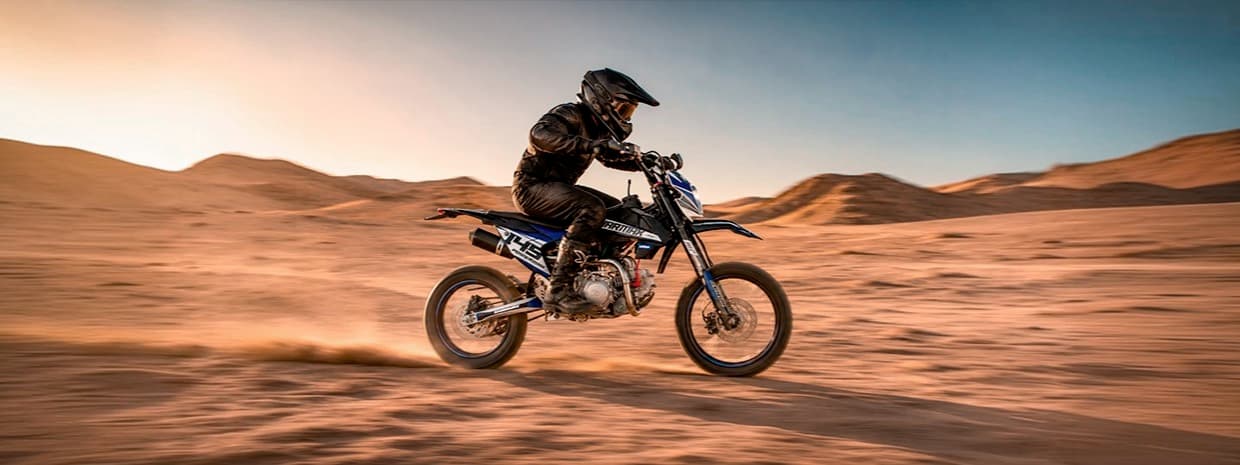
Motorcycles fall into two broad categories: paved roads and off-road. The former includes Naked, sports, cruiser, and touring models, while the latter includes motocross and enduro, with dual-use categories that combine paved roads and unpaved tracks to varying degrees.
In the scooter market, there are lightweight city models and larger, more wind-protected maxi models. Engines range from around 50cc in the smaller models to much larger displacements in some maxi scooters. Most are designed for asphalt; adventure models exist that can handle light trails, but these are not a substitute for an enduro bike on challenging terrain.
A motorcycle offers greater versatility in riding style and terrain, while a scooter focuses on ease of movement and practicality. The choice here is about what you need, not about which category is best for everyone.
Weight and size
Small scooters are often lighter and easier to park: some 50cc models can weigh around 80–100 kg, with the weight increasing with size and features. Maxi scooters, on the other hand, can weigh as much as or even more than a mid-size motorcycle. There are also very light motorcycles and others that weigh over 200 kg; therefore, compare the actual weight of the two models, not just the category name.
The small size makes maneuvering and parking easier in the city, but it doesn't automatically make the scooter safer. Try moving, pushing, and parking it steadily; your body's ease of control and your experience are more important than the impression given in photos.
Wheelbase and wheel size
A shorter wheelbase typically aids maneuverability, while a longer one may offer a greater sense of stability. Many examples of mini-scooters range around 1200–1300 mm, and road motorcycles around 1400–1600 mm, but there is considerable overlap. Steering, suspension, and tire geometry also play a role; control is not solely determined by this number.
Scooter wheels tend to be smaller, with common models measuring around 10–16 inches. Many motorcycles use 17-inch wheels, while some off-road bikes have front wheels as large as 21 inches. A larger wheel can clear some bumps more easily, but frame quality, suspension, and appropriate speed remain crucial factors.
Maximum power and speed
Power varies greatly within each category. Small scooters may produce a few horsepower, while larger models have significantly higher power outputs, and there are also lightweight scooters and others that far exceed 50–65 horsepower. Higher power requires control and gradual learning; it is not necessarily an indication that the vehicle is better or safer for your route.
Design speeds range from around 50 km/h for some smaller models to 90–120 km/h or more in larger categories. These are general examples and not fixed limits for either category, nor are they authorization to drive at these speeds. What matters most is the vehicle's ability to perform your route within road limits and with your usual load.
fuel efficiency
Small scooters often offer economical fuel consumption; practical examples might range from 1.5 to 3 liters per 100 km. Consumption varies depending on the model, load, traffic, and acceleration method, so compare data from similar conditions.
Some 250cc motorcycles may consume around 3–4 liters per 100 km, but there are significant differences between engines. Larger size doesn't always mean higher consumption; calculate fuel costs based on your monthly mileage and factor in maintenance costs.
Ease of use
The global popularity of scooters stems from their simplicity. They often come with an automatic transmission, eliminating the need for manual gear changes. Furthermore, their brakes are integrated into levers on the handlebars (on both the left and right sides), similar to bicycle brakes. All of this makes riding a scooter easier and faster to learn.
On a motorcycle with a manual transmission, you typically control the clutch with your left hand and shift gears with your left foot. The rear brake is operated with your right foot, and the front brake with your right forearm. Coordinating these movements requires practice, and automatic or other types of motorcycles also exist. This is where the advantage of an automatic scooter lies: in the simplicity of its controls.
Ease of learning
An automatic transmission makes things easier for a new rider, but it doesn't eliminate the need for training. Learn balance, braking, maneuvering, and road perception in a suitable environment before entering traffic, and meet local licensing requirements. There isn't a single number of lessons that's enough for everyone.
A manual motorcycle adds clutch and gear coordination skills to the basics. This may take longer, but it doesn't prevent a beginner from choosing a lightweight, progressively more powerful model with good practice. Start by mastering low speeds, not trying to master fast riding.
Comfortable riding positions
Scooters often feature an upright riding position, ample legroom, and easy mounts and mounts. These features are convenient for frequent trips, but test the knee angle and legroom for yourself. Loose clothing can interfere with the moving parts, so choose appropriate riding gear even for short rides.
The riding position on a motorcycle varies depending on the model: sporty, reclined; naked, upright; or cruiser, comfortable. Both scooters and motorcycles require a certified helmet, gloves, a jacket, pants, and riding shoes; protection is not dependent on the vehicle's shape or the length of the ride.
safety
Is a scooter safer than a motorcycle? Not necessarily. A lightweight model that's the right height for you might help you control it when stationary, but safety depends on training, speed, tires, brakes, and visibility. Choose features like ABS when available, and remember that ease of use is no substitute for skill.
A powerful motorcycle responds more quickly to your commands, but this requires experience and gradual progression. Stopping distance isn't solely determined by weight; speed, tire grip, road conditions, braking system, and usage all play a role. A proper comparison would be between two specific models and clearly defined usage conditions.
Cost and maintenance
Small scooters tend to have lower purchase and running costs, but a high-end maxi scooter can be more expensive than a basic motorcycle. Compare local prices in Egypt, including features and warranty, and don't assume that prices from another market will guarantee a price you can get here.
Add to the purchase price the cost of maintenance, tires, brakes, and spare parts. A scooter requires scheduled CVT transmission servicing, while a motorcycle may need chain and drivetrain maintenance. Actual servicing and model design are more important than simply stating that one category is always cheaper.
Examples of Sharmax scooters and motorcycles for comparison
Sharmax offers a variety of classes that can be explored in the catalog: such as the RR 301 Ultra for road use, and the sportier, higher-performance GP 881 Ultra. These are examples of different uses, not a single choice for every rider. Start by considering your type of trip and experience level, then compare the seat, weight, and features.
The Sharmax Scooter Tank 150 is a practical, compact option for getting around town. If you're looking for a wider seat and greater wind protection, consider a maxi scooter like the Sharmax FX 350 Ultra. Instead of focusing solely on engine size, consider the storage space, cargo capacity, and overall suitability of each model for your trips.
Which is the best option for getting around in Egypt - scooters or motorcycles?
If your priorities are getting around town and ease of handling and storage, a scooter deserves a top spot. If you need more versatility, longer journeys, or access to unpaved roads, look into the appropriate motorcycle category. There's no one-size-fits-all option; size, experience, and terrain will determine the best choice.
For intercity travel, choose a model capable of handling your load on the road, with a comfortable riding position and adequate wind protection. Off-road driving requires a vehicle designed for it, not just a bigger engine. To begin, opt for a smooth response and manageable weight, whether it's a scooter or a motorcycle, and practice regularly.
Key points
Scooters:
- Suitable for city streets
- Practical and fuel efficient
- Simple controls, with routine maintenance according to the model.
- A suitable option for beginners when it fits their size and training.
Motorcycles
- Suitable for highway driving and long-distance travel
- The manual model requires learning the clutch and gears; there are classes suitable for beginners.
- Consumption and maintenance vary depending on the engine and equipment.
- Wide price range depending on category and model