Motorcycle Design: Balancing Style & Comfort
Explore how motorcycle proportions, seating, bodywork and colour shape a bike's appeal, and why practical fit matters as much as appearance.
24 Aug 2026
The motorcycle's design is part of the enjoyment of owning it, but it's not separate from its practicality. In Egypt, you need a design that you like and that serves you well: a comfortable ride, details that withstand sun and dust, and features that don't complicate maintenance. Here, we look at the lines, colors, and materials that define a motorcycle's character, and how to choose the right one for you.
Here's how the design has changed, what riders are customizing, and where things are headed next.
How motorcycle design evolves
The impact of technology and rider preferences
Electronics influence the design of many modern motorcycles. Some models have ABS, riding modes, TFT displays and LED lighting, but those features are not standard across every class. Compact lighting and displays can change the front fascia and cockpit layout; the equipment of a particular bike must be established from its specification, not its appearance.
Furthermore, motorcyclists in Egypt demand bikes with a modern design that matches their performance. If a bike has traction control and smartphone connectivity, but its design looks like it's from 2005, most people will ignore it. Ergonomic design elements, phone holders, USB ports, and luggage attachment points have become integral to motorcycle design innovation, not mere afterthoughts.
Global trends shaping modern motorcycles
When people talk about motorcycle design trends, they're often talking about something that started with a few leading brands. Major manufacturers and racing programs experiment first; then everyone else follows suit once riders fall in love with the design.
A prime example of this is the influence of MotoGP and WorldSBK motorcycles on road bikes. After factory racing bikes adopted sharp, aerodynamic designs, winglet-like edges, and ultra-miniature tails, these same features quickly appeared in everyday models from Japan, Europe, and China. Today, we see these same ideas in everything from flagship one-liter bikes to entry-level 300cc motorcycles.
Other major influences include:
- Bold, compact front fascias inspired by MotoGP and WorldSBK racing;
- Shorter tails and hidden exhaust pipes;
- Visible structures and engines showcase engineering prowess rather than conceal it;
- Ultra-modern "high-tech" designs, especially in electric models with sculpted battery covers and futuristic LED lighting.
Electric motorcycles are a prime example of this gradual influence. After some leading manufacturers launched bold, futuristic electric models, smaller brands began adopting similar sharp lines and illuminated logos to signal "future technology," even on more affordable bikes. This minimalist design language—a small front end, sleek rear, exposed frame, and tech-focused surfaces—is now an integral part of many of the world's most prominent motorcycle design trends.
How does the design serve the needs of the Egyptian climate?
Egypt adds its own unique touch to global design. The scorching sun and sand accelerate the fading of plastic, so high-quality paint and UV-resistant finishes are essential. Windshields and guards must also perform effectively on highways and in dusty crosswind conditions.
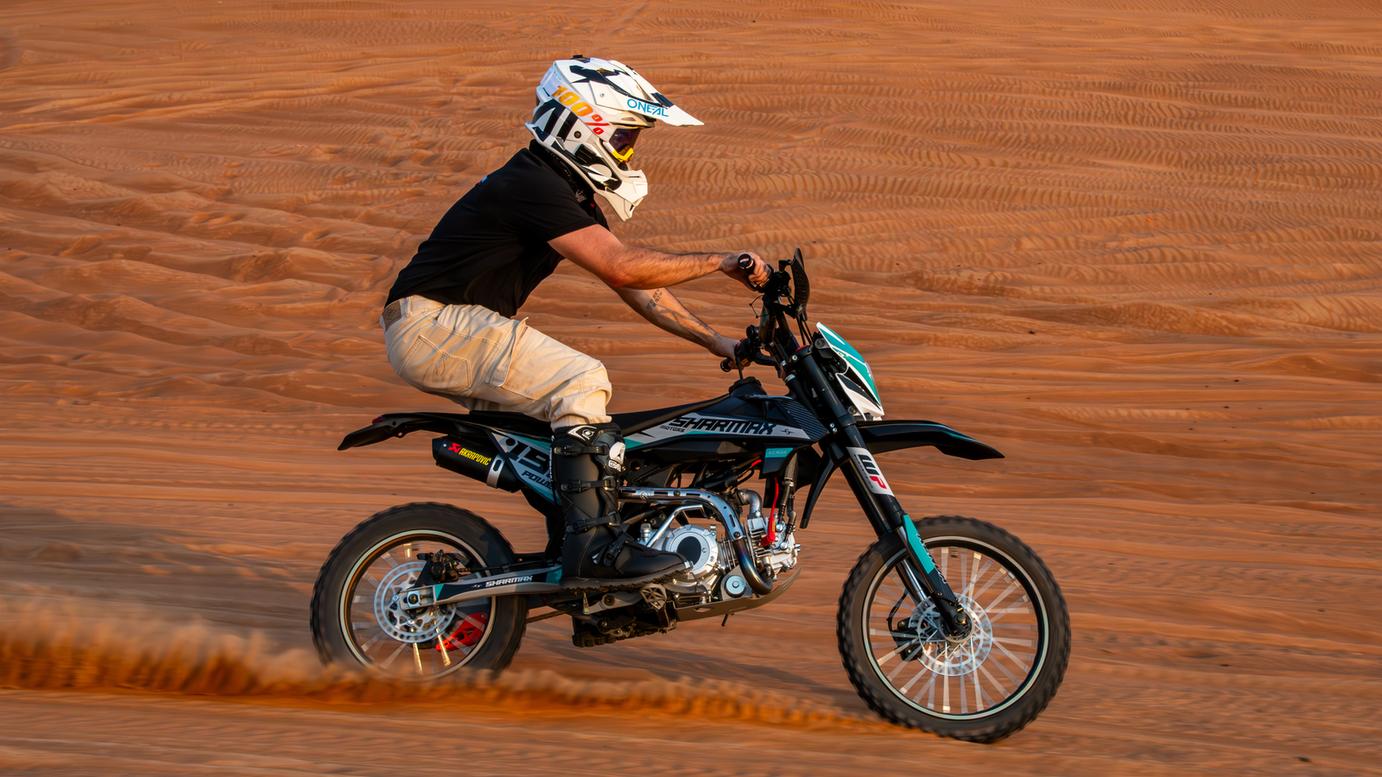
The gold accents and classic design of the Sharmax RR 551 Ultra perfectly exemplify the combination of a warm color and a distinctly roadster character. But when choosing, don't just focus on the color: the quality of the paint, the installation, and the joint protection are practical factors that help it withstand use in the sun and dust.
The Rise of Customisation
Personal expression through design
Many motorcycle enthusiasts treat their bikes as personal projects: touring gear for excursions, cool black for everyday use, or racing colors for track lovers. Small changes to mirrors, control arms, and turn signals can give a bike a distinctive personality while maintaining safety and conformity.
This is where custom motorcycle design trends begin. People don't always build a fully custom bike, but they choose a particular look and focus on it: an ADV-ready desert bike, a minimalist cafe-style bike, a stunt-inspired Naked bike, or a sleek urban sports bike.
Custom painting and accessories
Paint and graphics are the most visible layer. Common custom finishes include:
- Partial covers and distinctive lines to match helmets or cars,
- Dark windshields and black exhaust pipes,
- Color-matched guard bars, brake calipers, or wheel strips.
These relatively minor changes come on top of factory motorcycle color trends, allowing riders to maintain a basic, modern design but add their own personal touch.
Structural and physical modifications
More subtle modifications aren't limited to changing colors; they also include replacing parts: lighter wheels, different subframes, rear-end kits, and aluminum or carbon fiber body panels. In Egypt, motorcyclists often combine practicality with aesthetics; for example, stronger radiator guards or underbody protection panels also add a touch of style.
These changes must be implemented with compatible parts and a well-thought-out design; modifying the wheels or subframe can affect weight, geometry, and handling. Aesthetics do not justify changes that compromise a bike's functionality.
Key elements of visual appeal
Aerodynamic shapes and sharp lines
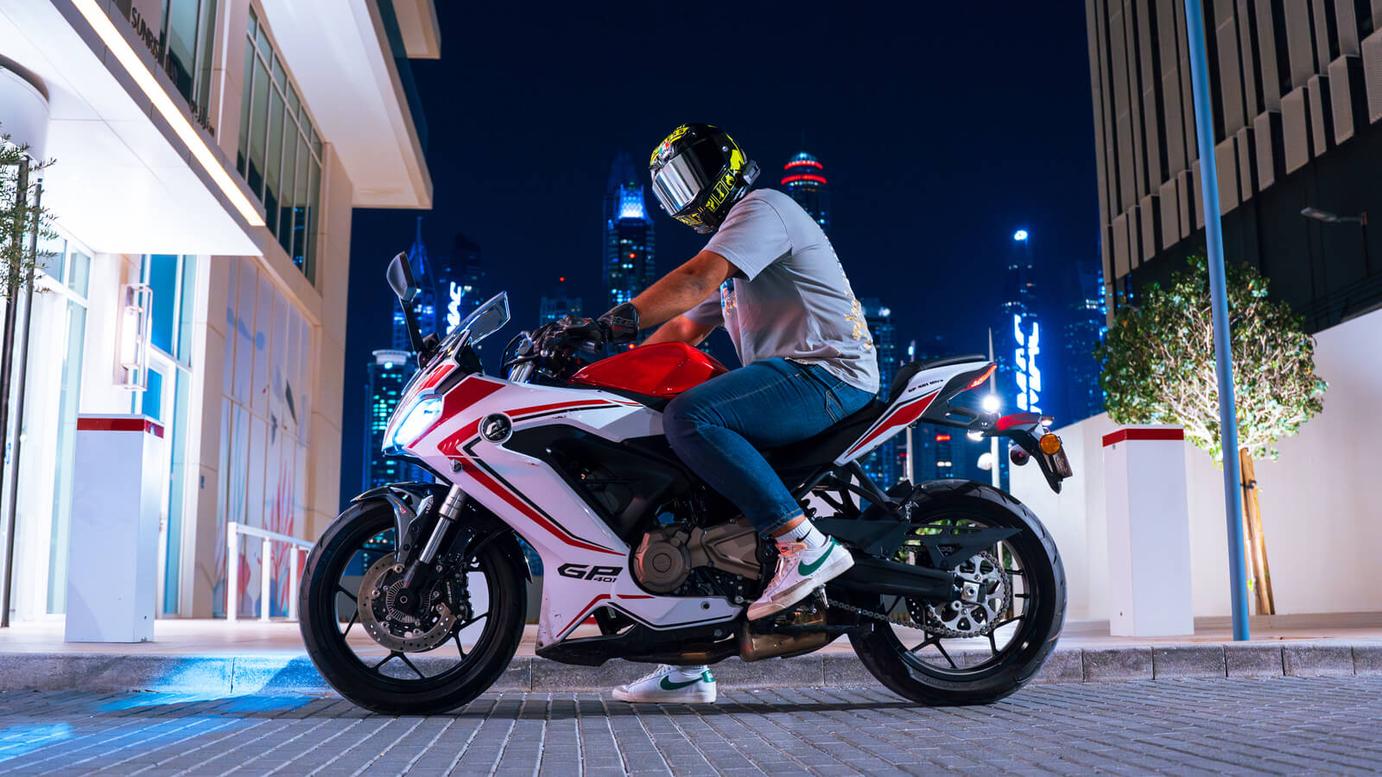
Sport bikes and fast roadsters derive much of their appeal from sleek bodywork, sharp lines, and wing-like details. The shape suggests motion even when the bike is stationary, but practical value is determined by design performance, not just appearance.
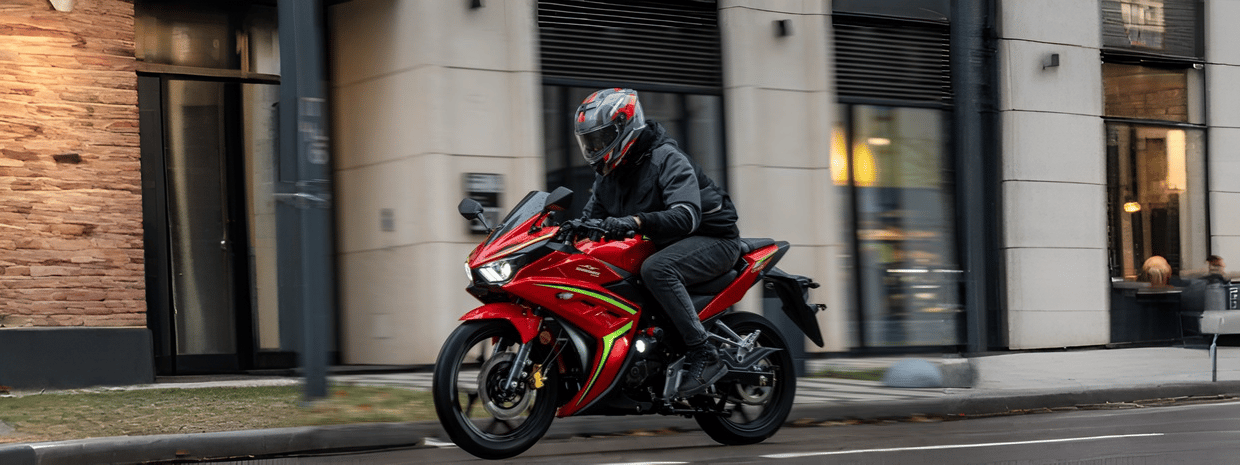
The Sharmax models in the GP series follow this trend: a low front end, prominent side vents, and a compact rear. This gives them a sporty character for those who prefer that style, although the riding position and equipment vary from model to model.
Simple and clean design language
Conversely, some riders prefer clean lines and fewer details. The Sharmax RR series road and cruiser bikes illustrate this point by:
- Simple and sturdy tank designs,
- Neatly arranged back sections without huge protrusions.
- Smooth covers that flow instead of clashing with each other.
This "less but better" approach to motorcycle aesthetics makes the bike look modern and maintain its elegance for longer than a wild and overly complex design.
Naked bikes: highlighting the engine and frame
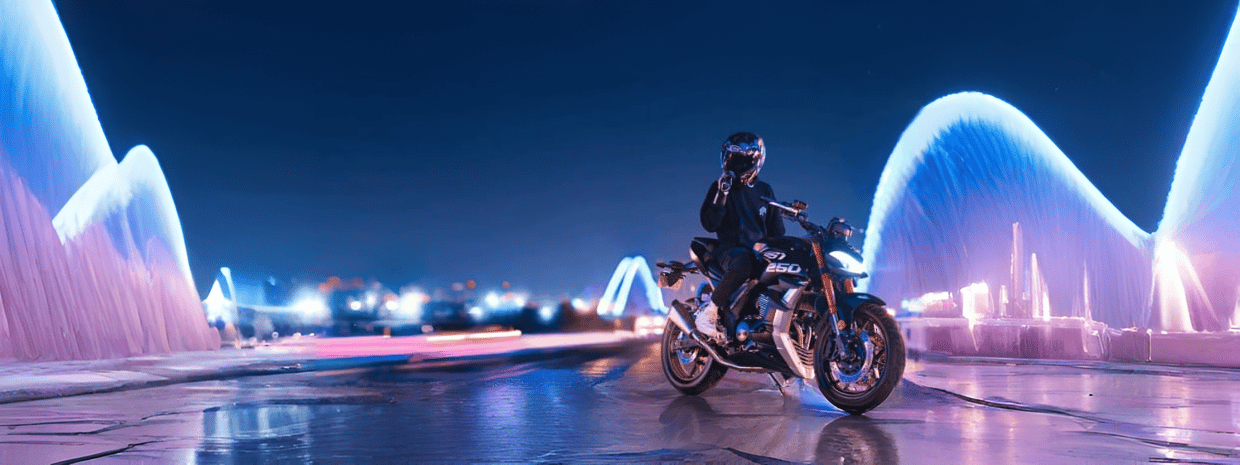
Naked bikes use less bodywork to showcase the engine and frame. A prime example is the Sharmax RST 250 Competition, where exposed mechanical parts, a compact front end, and a short rear end give it a distinctly sporty character.
Seeing the mechanical parts is part of its appeal; it makes the bike look more authentic and sporty, and directly capitalizes on current motorcycle design trends for urban riders.
Design impacts across industries
Inspired by the world of cars and motorsports
High-performance cars and racing motorcycles share design ideas: sharp lines, winglet-inspired details, and distinctive wheel and brake shapes. Not every piece of racing-inspired equipment is equally functional; its role may be primarily aesthetic.
Modern architecture and materials
Modern architecture offers a visual language akin to vehicle design: multi-layered surfaces, sharp angles, and panels that appear to float. Materials like brushed aluminum and carbon fiber add texture and weight, not just color.
The latest trends in motorcycle design
Streetwear and high fashion intertwine with motorcycle design. Matte finishes, muted desert hues, rose gold accents, and sleek black silhouettes all echo trends in sneakers and watches. Seats with contrasting stitching or Alcantara upholstery add a contemporary touch while maintaining a geometric aesthetic, perfectly complementing current motorcycle aesthetics.
Color trends and graphic design
Bold colors and dynamic graphics
On the bolder side of motorcycle color trends, we see bright orange, lime green, yellow, red, racing stripes, number plate graphics, and angular decals. These colors add a striking touch to sport bikes and off-road motorcycles that need to stand out in desert photos or under the city lights at night. The popular Sharmax GP 1100 Ultra sport bike, for example, features a striking red and white color combination and is sure to turn heads on the streets of Cairo.
Subtle colors, classic colors, and luxurious colors
Not everyone wants to use neon colors. Other popular designs include:
- Camouflage schemes: matte black, charcoal, dark blue with small metallic foils;
- Classic color combinations: cream with burgundy, dark blue with gold stripes;
- Luxurious touches: Satin gray with copper or bronze accents, suitable for touring and roadster bikes with a relaxed character.
The Sharmax RR 801 V Ultra exemplifies this trend: contrasting yet subdued colors, restrained graphics, and details that avoid visual clutter. This gives the bike a refined, sporty character that appeals to those who prefer clean lines over excessive ornamentation.
Integrated graphics and branding
Integration is a modern trend in motorcycle design: logos and stripes are integrated into the bodywork rather than added superficially. Tank shapes, side panels, and even wheel designs are planned so that the graphics flow seamlessly onto the motorcycle. This makes the overall design look more luxurious and distinctive.
Future motorcycle design trends in Egypt
Looking ahead, several factors will shape the next wave of motorcycle design trends in the region:
- Electric drive and component distribution: Batteries and motors enable different solutions for structure, storage, charging positions and lighting, with more streamlined lines and distinctive LED signatures.
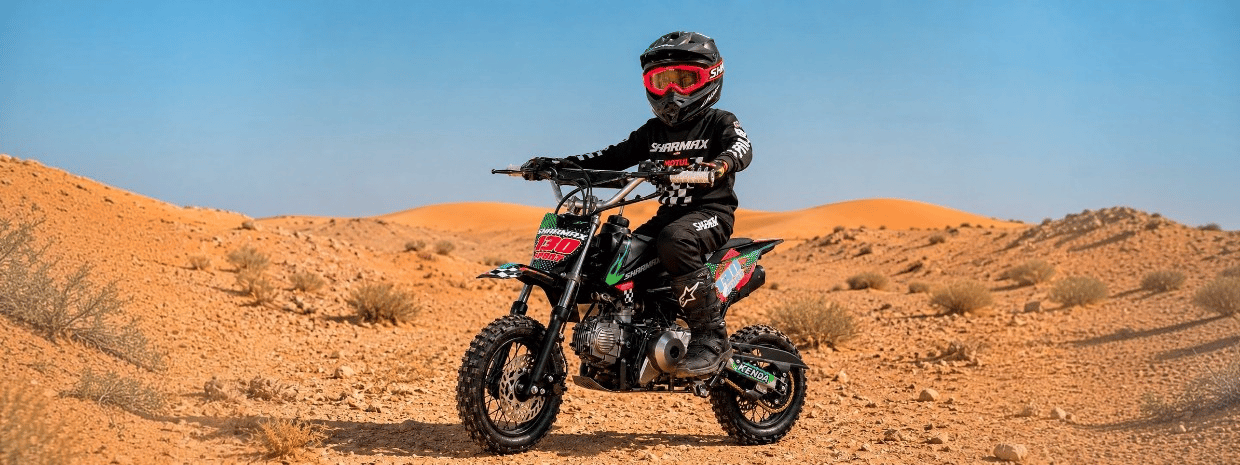
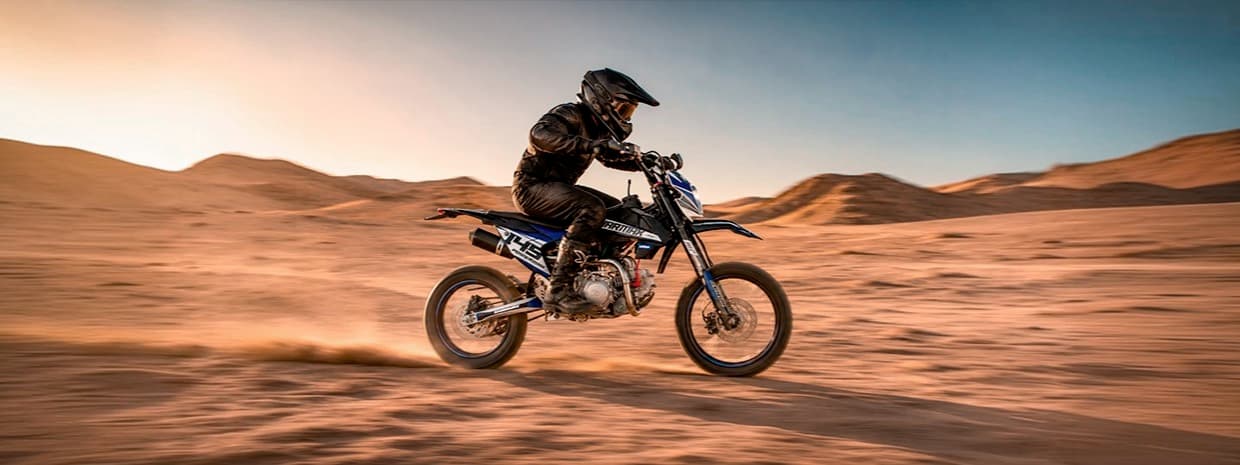
- Interest in desert-friendly designs – such as compact space for guardrails, reinforced luggage racks, and colors that better hide dust – is likely to increase as more people explore off-road trails.
- Smarter, more connected cockpits – larger, app-powered screens will become essential design elements, not just add-ons, changing the look of bars, clips, and covers.
- Sustainable materials and finishes - recycled plastics, environmentally treated leathers and long-lasting coatings - will gradually become part of a distinctive design language.
A successful design combines the look you love with the functionality you need. Choose a color and style that suit you, then consider the riding comfort, the quality of the details, and the ease of maintenance. This way, your motorcycle will look great in photos and be a joy to use in your daily life.