How to Extend Motorcycle Engine Life
Learn how oil care, cooling, service intervals and riding habits affect motorcycle engine life. Follow the maintenance requirements for your model.
31 Aug 2026
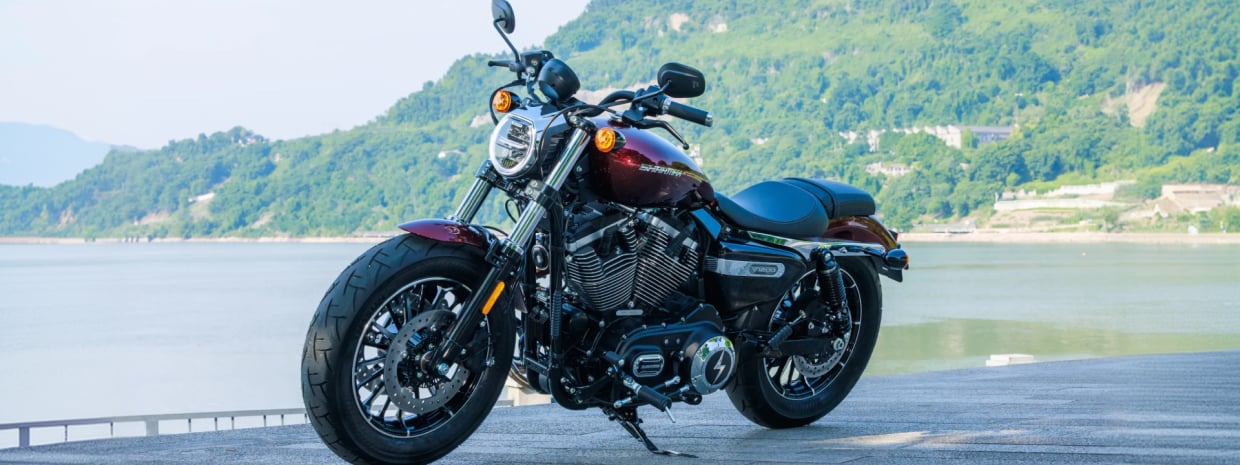
The lifespan of a motorcycle engine depends largely on how it is used daily. Even a high-quality engine—the kind found in many popular motorcycles—wears out more quickly when using poor-quality oil or fuel. Following a regular motorcycle engine maintenance routine helps detect most problems before they worsen and lead to costly repairs.
Taking care of your motorcycle from the start pays off twice: it reduces unexpected breakdowns while you own it, and makes it easier to sell later when you decide to do so. Here are the main factors that affect the lifespan of a motorcycle engine, and the habits that can help extend its life.
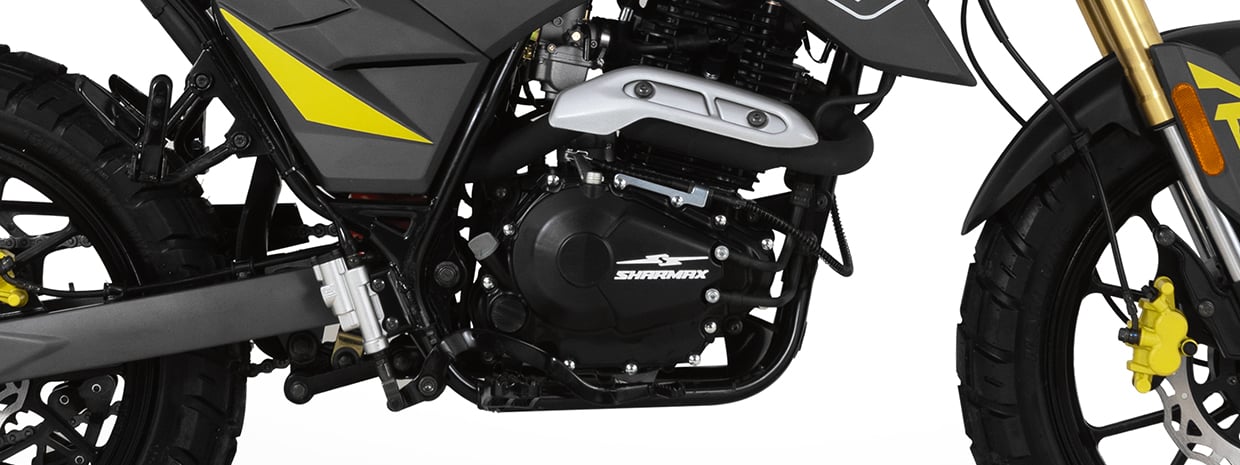
Motorcycle engine detail. Photo: Sharmax.
What is the age of a motorcycle engine and how is it measured?
Mechanics typically discuss engine age in kilometers driven, but engine operating hours are just as important, and sometimes even more so. They tell you how long the engine has actually been operating under load, which can't be measured in kilometers alone. For example, 50,000 kilometers of continuous highway driving and 50,000 kilometers of intermittent driving in city traffic subject the engine to vastly different levels of stress, even if the odometer reads the same.
There is no single lifespan in kilometers that applies to all engines. The outcome varies depending on design, maintenance, load, and operating conditions, and the need for an engine overhaul differs from the need for servicing a specific internal part.
- Sport bikes: They may spend more time at high engine speeds, so service life depends on how hard they are used and how well they are maintained, rather than the sport classification alone.
- Touring and classic motorcycles: They can travel long distances with good maintenance, but the load, heat, and quality of the trips affect the result.
- Enduro and adventure bikes: Distinguish between a touring road bike and a high-performance racing bike. The latter's maintenance may be measured in operating hours and requires more frequent inspections, especially on dusty and rough roads.
- Small bikes for beginners: Their lifespan cannot be estimated by capacity or price alone; maintenance, parts quality, and usage are essential factors.
Instead of relying on overall mileage, keep track of maintenance history, oil consumption, engine performance, and inspection results. A little-used motorcycle may require early repairs if neglected.
Factors affecting the lifespan of a motorcycle engine
Even a reliable power unit can fail quickly if not treated properly. Here are some key factors that affect the lifespan of a motorcycle engine:
High temperature
Operating outside the engine's specified temperature range can damage lubrication and internal components. There is no single threshold, such as 120°C, that applies to all engines or all temperature settings. Follow the warning indicator and model manual, and safely shut down the engine if it overheats.
Using poor quality or unsuitable oil
Using an oil with an unsuitable viscosity can reduce protection within the engine. For example, using 10W-30 oil when the manufacturer recommends 15W-50 may not provide adequate lubrication under load or at high temperatures.
Adulterated or degraded oil is another risk, as it can increase friction and accelerate wear and tear of moving parts.
Hard Riding with a Cold Engine
Aggressive acceleration before the engine oil has warmed up leads to increased wear, especially in high-revving sport bikes.
When the oil is cold, it may not circulate efficiently throughout the engine. This can lead to insufficient lubrication in parts that are subjected to heavy loads during the first few minutes of driving.
Postponement of scheduled maintenance
Extending service intervals can shorten engine life. For example, changing oil at 10,000 km when the manufacturer specifies 5,000 km leaves the engine running much longer on degraded oil.
Valve clearance checks are also important. If they are delayed for too long, engine performance and reliability may be negatively affected.
Using low-quality fuel
Fuel with an octane rating below the manufacturer's requirement can cause detonation, or engine knock. Repeated knock stresses internal components and can cause serious damage.
How to check engine condition: signs of wear
The number of kilometers traveled alone cannot be relied upon to determine the condition of the engine. A motorcycle engine that has traveled less distance may suffer from noticeable wear if it has been subjected to overheating, has not been properly maintained, or has been driven hard when cold.
Some symptoms deserve more attention:
| The sign | Possible cause | Severity of the situation: alert level |
|---|---|---|
| Higher than usual oil consumption | Worn piston rings, valve seals, or loss of external/internal oil | High - check the reason |
| Blue or bluish-grey exhaust smoke | Engine oil enters the combustion chamber | High level - needs diagnosis |
| New knocking or tapping sounds | Potential for corrosion of the valve system, bearings, pistons, or connecting rods | Serious matter - check immediately |
| Low or uneven cylinder compression | Problems with the cylinder, piston rings, valves, or cylinder head gasket | Diagnosis needed before further use |
| New or excessive vibration in idle mode | Combustion defects, engine mount problems, clutch/transmission system wear, or internal imbalance | Moderate — investigate if persistent |
A compression test or cylinder leak test can help assess sealing, but acceptable limits and measurement methods are specified in the service manual. A technician may use an endoscope to inspect the cylinder without extensive disassembly. Do not rely on a general percentage of variation to diagnose all engines.
How to extend the life of a motorcycle engine: Establishing a suitable motorcycle maintenance program
The best way to extend the life of your motorcycle engine is through regular maintenance. Start with your owner's manual; it will tell you the correct type and quantity of oil, and when to change it. The same applies to filters, coolant, and other routine maintenance tasks.
1. Warm Up the Engine Correctly
Follow the operating and warm-up procedures specified in the manual, then begin driving gently and avoid heavy loads and high engine speeds until the engine reaches optimal operating conditions. Do not leave the engine running unnecessarily for extended periods; warm ambient temperatures do not guarantee that the oil has reached operating temperature immediately.
2. Avoid prolonged periods at maximum RPM.
Constantly operating near the engine's maximum RPM increases heat and mechanical stress on internal components—pistons, valves, and bearings—all of which are affected. High-revving sport bikes are particularly susceptible to this, as it's easy to spend more time near the engine's maximum RPM than one realizes. Occasional hard acceleration is fine, but continuous high-revving is what accelerates engine wear.
3. Change the oil in a timely manner.
Adhere to the oil change interval recommended by the manufacturer and do not exceed it. Oil deteriorates over time due to heat, aging, and use, and it also absorbs moisture and fine wear particles. For this reason, a motorcycle that hasn't been used much but has been sitting idle for several months may need new oil. Following the correct oil change schedule is one of the simplest ways to extend the life of your motorcycle engine.
The date for the first service varies depending on the model, so consult the break-in and maintenance schedule instead of using a single number:
- High-performance enduro and motocross bikes: The schedule may specify operating hours.
- Recreational off-road bikes: Follow the model and usage schedule, not the different racing bike schedule.
- Road bikes: Check the date of the first service after break-in in kilometers or time, whichever is specified in the manual.
- Touring bikes: Don't postpone the first service just because the ride was quiet; stick to the scheduled time.
Following a regular motorcycle maintenance schedule supports the life of the powertrain much better than just acting when things already seem critical.
4. Maintain the oil filter on schedule
The oil filter is part of the protection system, and the timing for replacing or cleaning it is determined by the model's instructions.
The filter collects particles and deposits from the lubricant. When it becomes heavily contaminated, it becomes less effective at keeping these materials away from the bearings and other engine surfaces subjected to stress.
If the motorcycle uses a replaceable oil filter, change it within the time period specified in the user manual.
5. Keep the fuel and air systems clean.
Check the fuel system according to the maintenance schedule, and request a diagnostic if starting difficulties or misfiring occur. There is no need to clean the injectors or disassemble the system automatically at fixed mileage intervals without a recommendation or symptoms.
In motorcycles with carburetors, dust can affect the fuel mixture. Injectors can also cause similar problems if they become clogged.
Check the air filter and clean or replace it according to its type. Paper and foam filters are not treated the same way.
6. Check the spark plugs regularly.
Spark plugs can reveal surprisingly much about what is happening inside the engine.
Deposits or electrode corrosion may provide helpful clues, but color alone does not determine the cause of the fault. Check the type, gap, and condition according to the model's manual, and interpret the results in conjunction with the symptoms and other tests.
Detecting a growing problem before it starts affecting other components is one practical solution for how to extend the life of a motorcycle engine.
7. Monitor the oil level
The oil level between service intervals is also important. Check it regularly instead of relying solely on the warning light.
If the oil level is low, add the appropriate amount. If it's too high, drain the excess oil. Overfilling the oil level doesn't provide additional protection for the engine; in fact, it can increase its resistance or contribute to leaks.
Check the oil level as specified in the owner's manual. The motorcycle may need to be parked upright on level ground, and the measurement may require a specific temperature or waiting time depending on the model.
8. Check out more than just the basics
A proper motorcycle engine care routine should include more than just the lubricants themselves.
Depending on the type of motorcycle and its maintenance history, this may include the following:
- Check or replace the air and fuel filters;
- Replace the coolant in liquid-cooled engines when needed;
- Check for leaks in fuel, oil, or coolant;
- Check the engine mounting brackets and bolts;
- Checking valve clearance in four-stroke engines when scheduling inspection;
- The intake and fuel systems were checked for contamination;
- Check the battery terminals and exposed wires.
Not every part needs maintenance every time. The important thing is to follow the complete maintenance schedule instead of changing the oil frequently while neglecting everything else.
9. Use appropriate fuel and consumables.
Use the oil viscosity, coolant, and fuel type recommended in the owner's manual. When choosing engine oil, ensure its specifications meet your motorcycle's requirements, rather than relying solely on brand or price. Using the correct specifications is one of the simplest ways to extend the life of your motorcycle engine.
10. Wash the engine carefully.
Keeping the engine clean makes it easier to spot oil leaks, damaged hoses, and loose connections, but washing it incorrectly can cause other problems. Avoid directing high-pressure water at electrical connectors, seals, the air intake, or any other sensitive areas. Let the engine cool down first, then use a mild cleaner and rinse gently instead of forcefully pumping water to remove dirt.
For a detailed step-by-step explanation, see our guide on how to properly wash a motorcycle.
The most important habit: actually paying attention
Note any persistent changes in performance: a new noise, sputtering, reduced responsiveness, or increased oil consumption. Not every change indicates a major fault, but it's worth investigating before the problem worsens. Record when the symptom appears and what changes occurred during use or maintenance.
If it's time for maintenance or you notice a persistent change in your bike's performance, contact the Sharmax service center in Egypt to arrange for a proper inspection. A description of your symptoms and your maintenance history will help the team begin the diagnosis with clear information.
Frequently Asked Questions
Is synthetic oil always better for the life of a motorcycle engine?
Most importantly, the oil must meet the viscosity and performance specifications specified in the motorcycle's manual, including the requirements for a wet clutch, if applicable. The label "synthetic" or a higher price are not sufficient indicators of choosing the right oil.
Does changing motorcycle oil frequently prolong engine life?
Not necessarily. Changing the oil before the recommended interval usually doesn't harm the engine, but changing it much more frequently than the manufacturer recommends rarely provides any noticeable benefit. Follow the recommended maintenance intervals for your model, and only reduce them if driving conditions warrant it.
Do Sport Bike Engines Have a Shorter Service Life?
Not necessarily. Sport bike engines often run at higher engine speeds, but maintenance and riding style are just as important as the engine type. A well-maintained sport bike can last longer than a poorly maintained classic bike.
What is the most influential factor on the lifespan of a motorcycle engine?
The main factors that affect the lifespan of a motorcycle engine are high temperature, poor lubrication, failure to adhere to maintenance intervals, strenuous driving on a cold engine, and the use of unsuitable fuel or consumables.