Motorcycle ABS: How It Works & Its Limits
Understand how motorcycle ABS helps manage wheel lock during braking, what it cannot prevent and why riding technique and surface conditions still matter.
31 Aug 2026

When a wheel locks up during braking, it stops rotating and begins to skid, making it harder to maintain balance on the bike. ABS is designed to reduce this risk by regulating brake pressure, especially during hard braking or changes in traction. It's an important aid, but it doesn't prevent every skid or fall.
The anti-lock braking system (ABS) helps maintain the motorcycle's stability during braking. It's available on various motorcycle models, but not every model or trim level has it. Before choosing, compare motorcycles and confirm which version of the motorcycle you're considering has this type of system.
Here's what the anti-lock braking system (ABS) actually does, what it's made of, and how it behaves once you're on the road.
What is the Anti-lock Braking System (ABS) in motorcycles: How does the system actually work?
ABS stands for Anti-lock Braking System. The system monitors wheel speed, and when it detects a risk of lockup, it quickly reduces and readjusts brake pressure to help the wheel maintain rotation instead of continuously skidding. You may feel a pulsation in the brake lever or pedal during its intervention; follow the braking technique described in your motorcycle's manual.
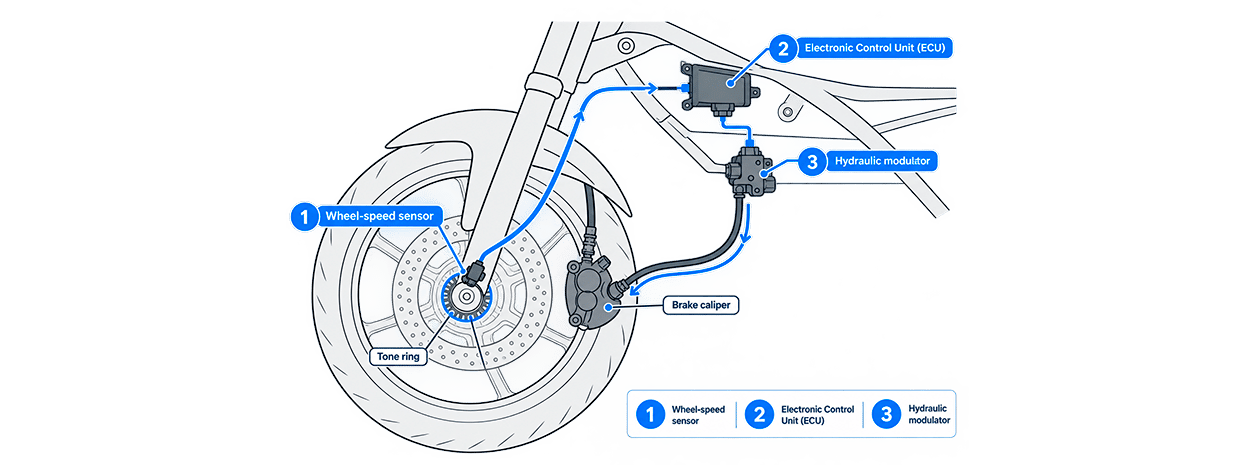
Motorcycle ABS system diagram. Photo: Sharmax.
Wheel speed sensors
Sensors on the wheels constantly measure the rotational speed of each wheel. They typically work with a toothed or perforated ring mounted near the wheel hub.
If you're wondering how the anti-lock braking system (ABS) sensor on a motorcycle works, its primary function is to convert wheel rotation into data that the control unit can analyze. This allows it to detect any sudden drop in wheel speed before the wheel locks up completely.
Electronic control unit
The electronic control unit is the brain of the system.
The system continuously compares information from wheel speed sensors. If one wheel decelerates much faster than expected during braking, the electronic control unit recognizes that it is approaching a lock-up.
Rather than waiting for the tyre to skid continuously, the control unit signals the hydraulic unit to adjust brake pressure.
Hydraulic modulator
The hydraulic pressure regulator actually controls the brake fluid pressure.
Its valves can briefly reduce pressure in the affected brake circuit, then allow it to rise again. This process is repeated continuously whenever the system detects a risk of brake lockup.
How important is the anti-lock braking system (ABS) in motorcycles?
How important is the anti-lock braking system (ABS) in motorcycles in practice, not just in theory? It is a very important system, and in some specific cases, it may be the difference between staying standing and falling.
- Emergency braking, where there is no time to manually adjust the pressure.
- Wet asphalt, where grip drops suddenly and without warning
- Sand, dust, or gravel scattered over the asphalt
- Painted road markings and manhole covers, which become slippery almost immediately
- Sudden braking by less experienced riders, who tend to grip the lever too tightly under pressure.
On Egyptian roads, the surface condition can change from clean asphalt to dust or sand in a short distance. ABS helps when traction changes, but maintaining a suitable speed, a safe following distance, and reading the road ahead remains fundamental to safe driving.
Important: ABS does not create traction where none exists, nor does it compensate for worn tires or improper speed. Furthermore, a conventional system is not necessarily equivalent to cornering ABS.
Important information to know about the anti-lock braking system (ABS) for motorcycles
Independent front and rear control
A dual-channel ABS system monitors both the front and rear wheels and controls the pressure in each circuit separately. A single-channel system typically protects only the front wheel; therefore, don't just look at the word ABS; understand the specific equipment.
There's a good reason for this. Hard braking shifts the weight forward, causing the front tire to bear most of the load while the rear tire becomes noticeably lighter. This means the two wheels are dealing with entirely different conditions simultaneously. The separate control system allows the system to respond to each situation individually, rather than applying the same logic to both.
Cornering ABS
Advanced systems add an inertial measurement unit (IMU) on top of standard wheel sensors, and this changes what the system actually knows.
An inertial measurement unit tracks lean angle and the motorcycle's movement. This gives cornering ABS information a basic wheel-speed-only system lacks: a tyre already using grip to corner has less grip available for braking. The system uses this additional data to adapt its intervention, within the limits of available traction.
It's a much smarter system. It's not a license to slam on the brakes in the middle of a corner and assume everything is fine.
Switchable ABS and Off-Road Modes
Some adventure and enduro bikes offer a special off-road mode that modifies ABS activation, potentially allowing the rear wheel to lock while maintaining front protection. This is a modification to the brakes, not the suspension, and its details vary by model.
These settings cater to specific techniques on soft surfaces and require training and experience. Do not disable ABS on public roads to mimic them; use the appropriate setting for the surface as specified in your bike's manual.
Anti-lock Braking System (ABS) warning light
The ABS indicator typically illuminates during the self-test when the engine is switched on, and may turn off after the vehicle starts moving. The indicator's operation varies between models, so consult your manual; its turning off alone does not negate the need for brake and tire maintenance.
If the light stays on, or comes back on during the journey, this is not something to be ignored - it means that the system has indicated a fault, and it is best to check it before relying on it in an emergency.
Advantages and disadvantages of the anti-lock braking system (ABS) in motorcycles
So, do you really need an anti-lock braking system (ABS) on your motorcycle? Honestly, it's worth considering both sides.
Advantages:
- It helps to maintain the stability of the motorcycle during emergency braking, within the limits of available traction.
- It reduces the risk of falls associated with wheel lockup during braking.
- It supports the rider when strong braking is needed, without being a substitute for training.
Restrictions:
- On soft surfaces such as deep sand or gravel, an anti-lock braking system (ABS) can increase stopping distance, as a wheel briefly locked digs into the ground and forms a wedge that helps it stop.
- It does not operate outside the limits of its design; its effectiveness may vary at very low speeds, during inclination, or with sudden surface changes.
- This adds mechanical complexity, which generally means a higher price.
For road riding in traffic, on highways and in changing conditions, ABS is a valuable safety feature, especially for new riders. It supports controlled braking when events develop quickly, while good braking technique, appropriate speed and sufficient grip remain essential.
Sharmax motorcycles equipped with ABS
The Sharmax range includes models equipped with ABS, such as the following. Specifications and features may vary depending on the year of manufacture and the market; compare them with the version offered in Egypt before purchasing:
RST 422 Ultra
Naked bike with dual ABS on front and rear disc brakes, plus an inverted front fork for added control
RST 750 Ultra
A 698cc Naked motorcycle equipped with ABS in both the front dual-disc and rear disc braking systems.
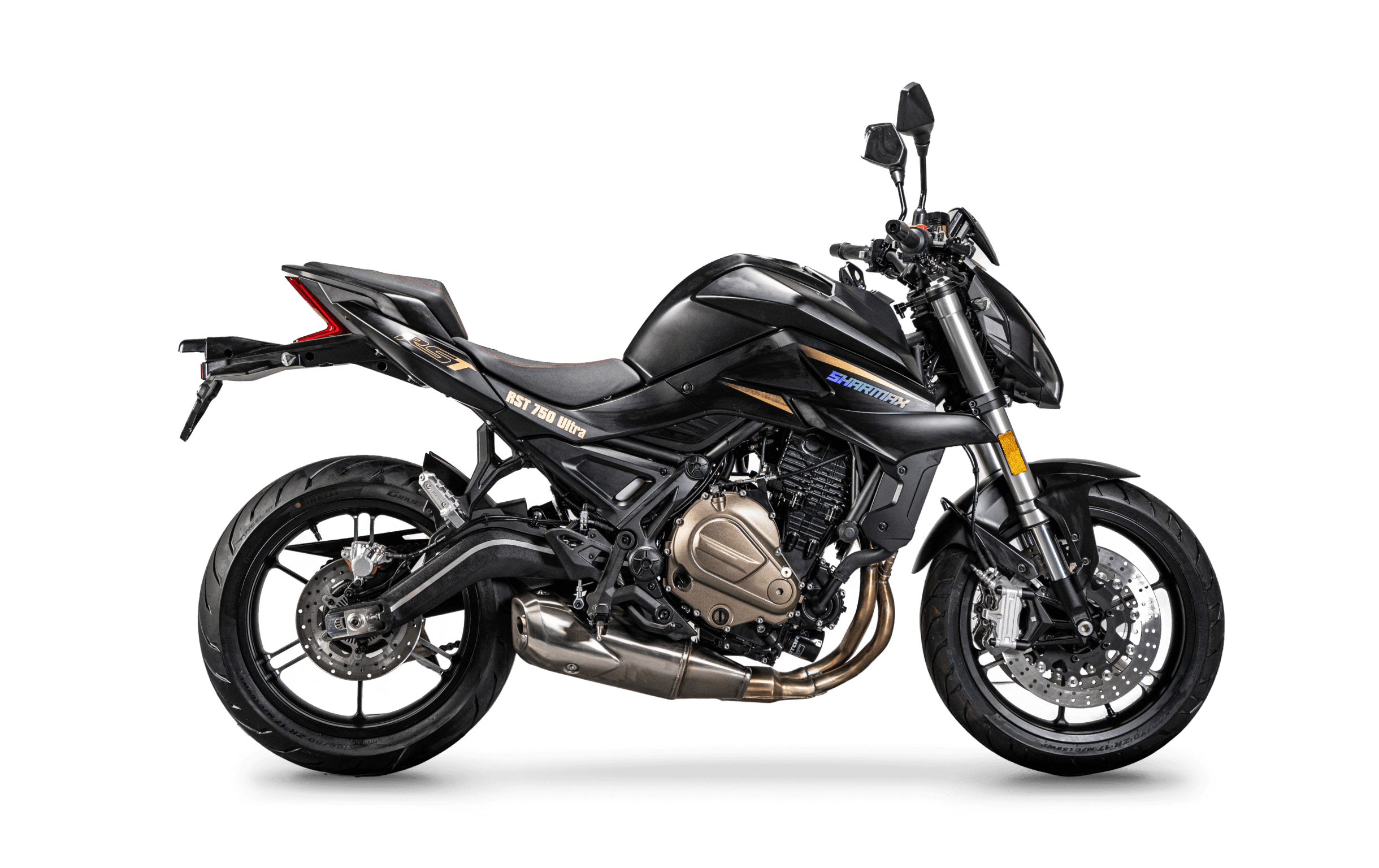
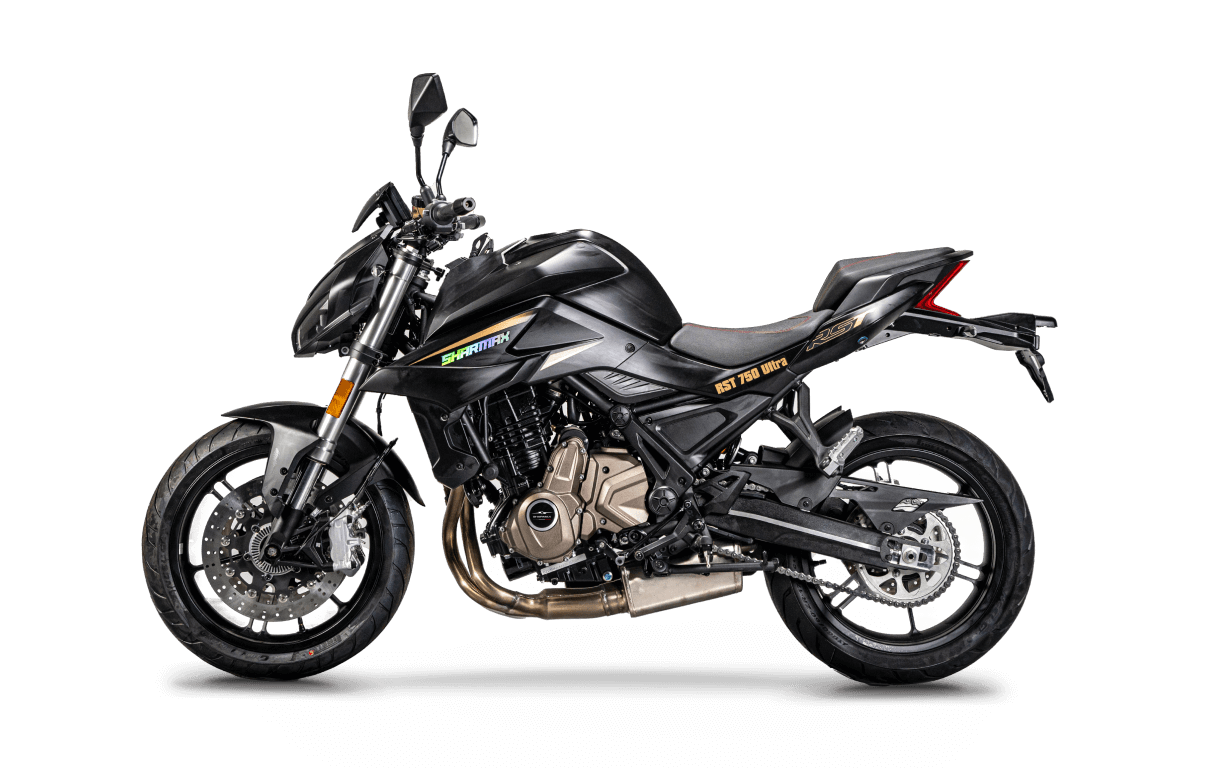
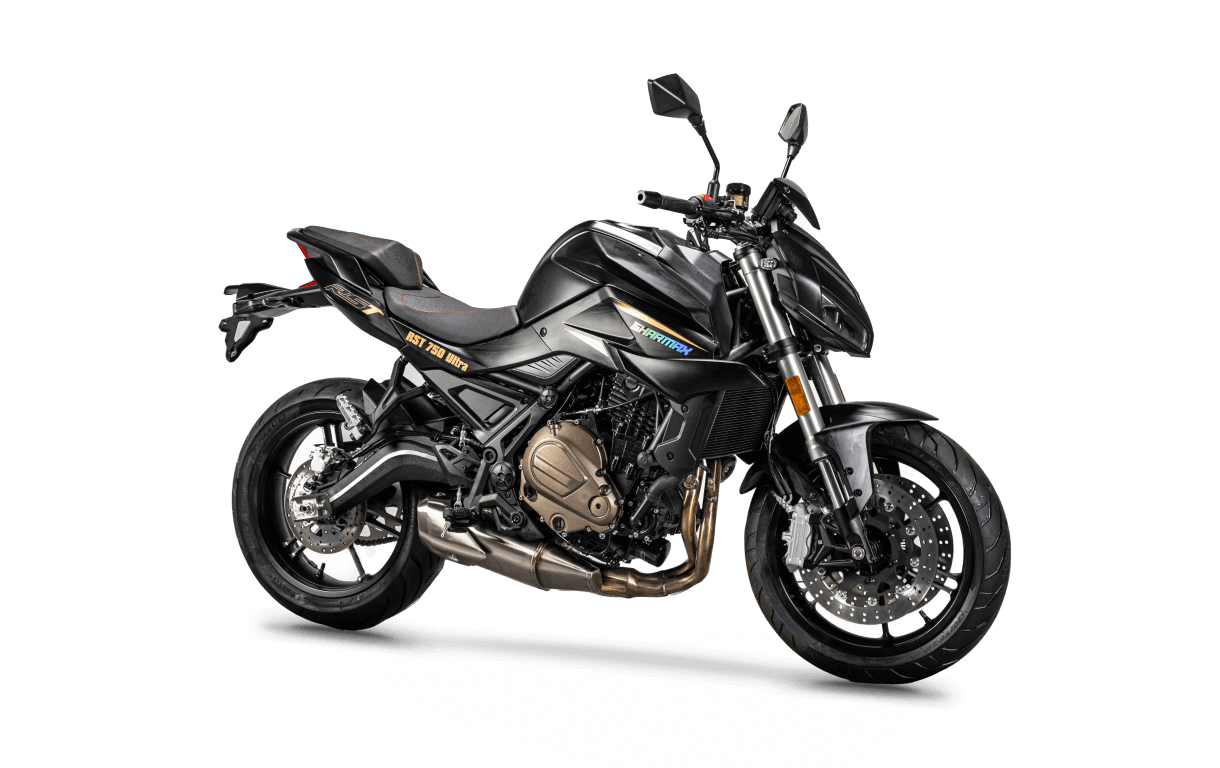
RST 750 Ultra · Photos: Sharmax.
GP 881 Ultra
A high-performance sport motorcycle equipped with hydraulic disc brakes and ABS.
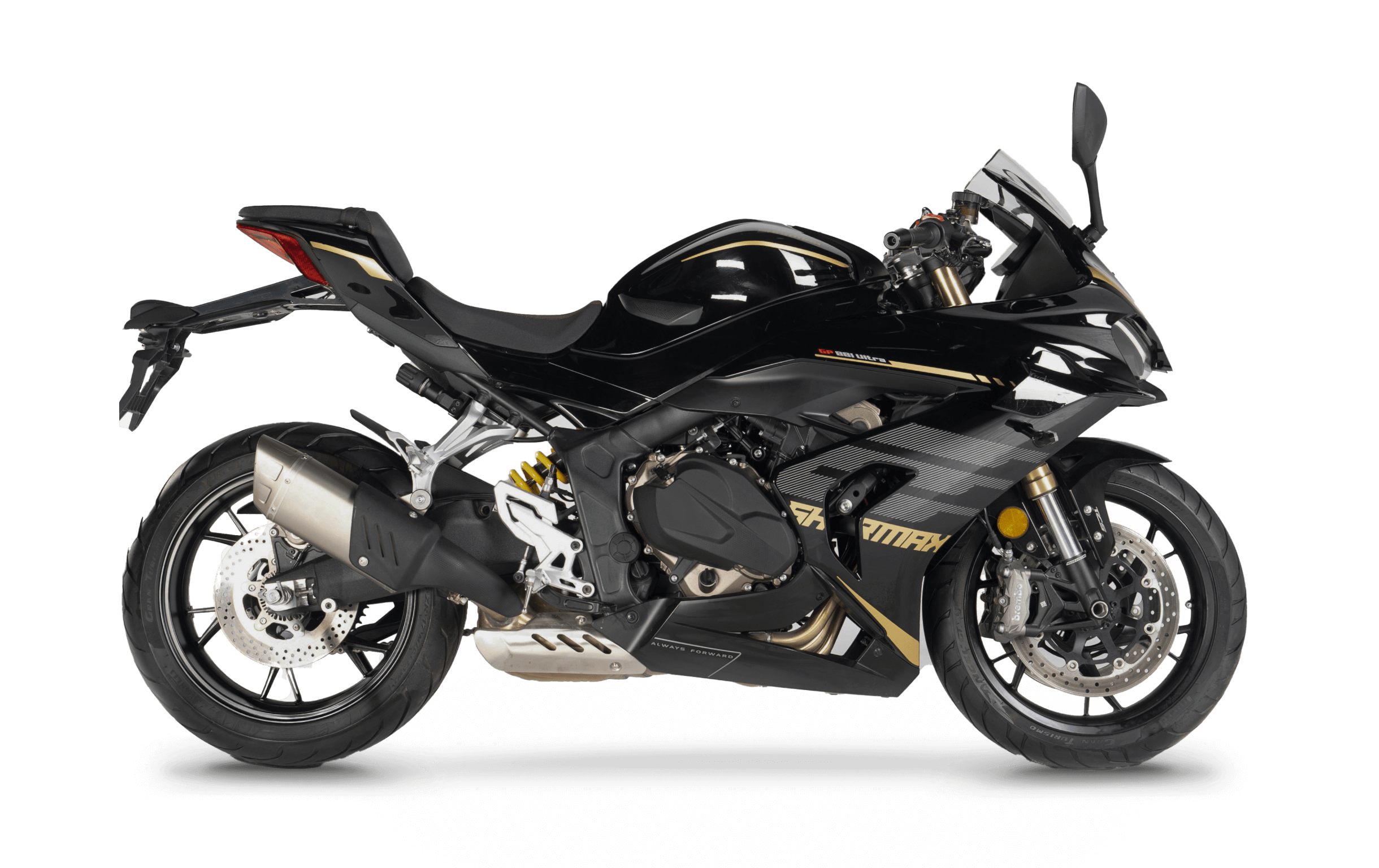
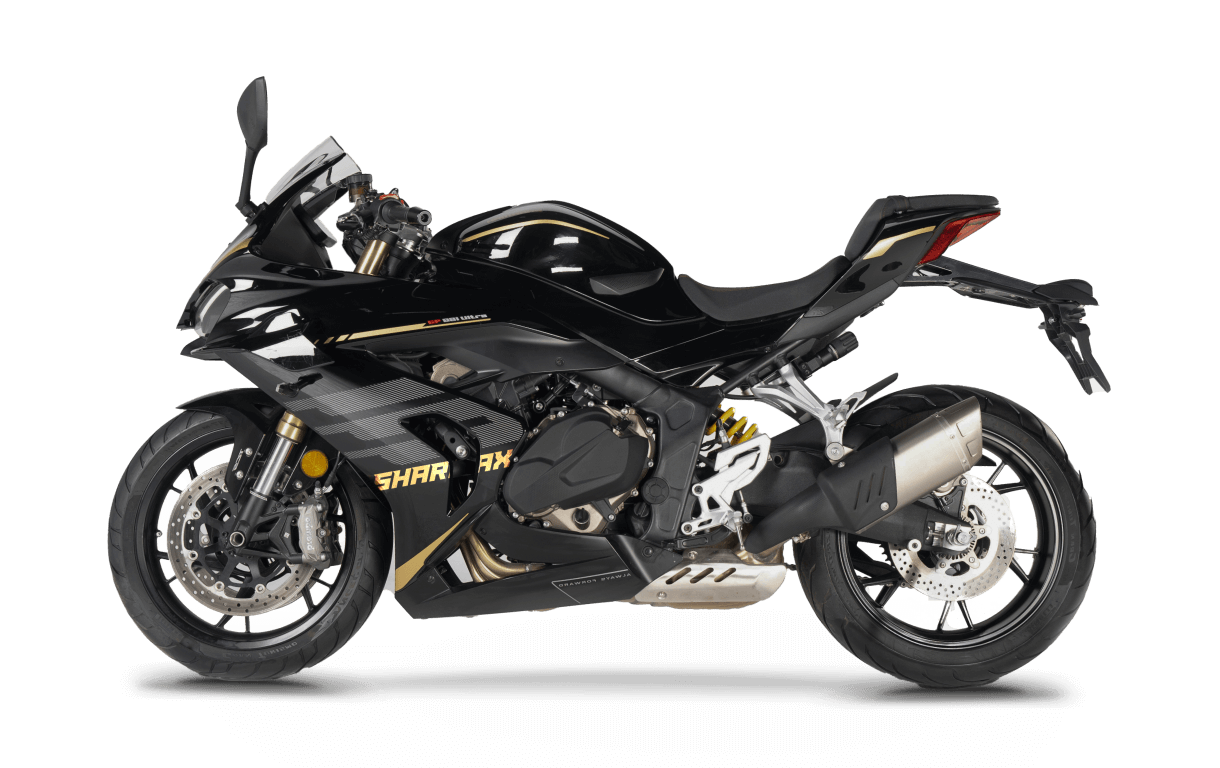
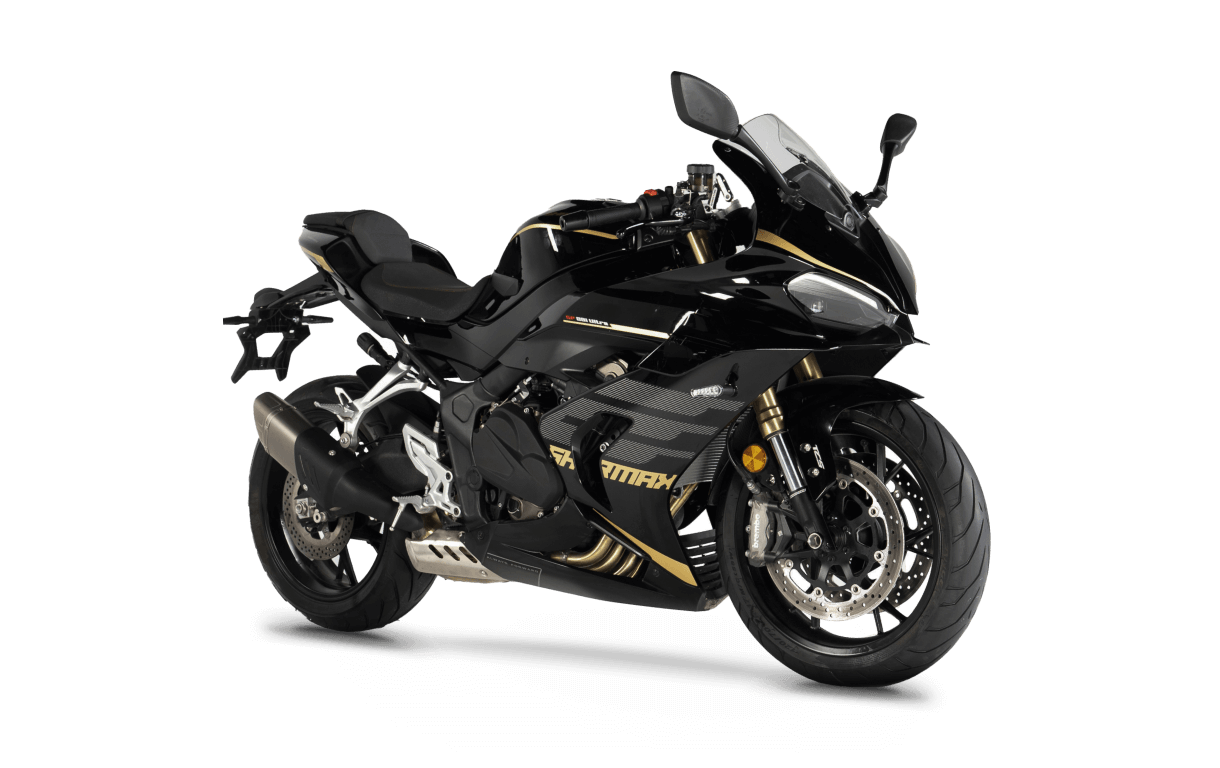
GP 881 Ultra · Photos: Sharmax.
GP 1100 Ultra
A supersport motorcycle with hydraulic disc brakes and ABS, offering another option in the high-performance sport category.
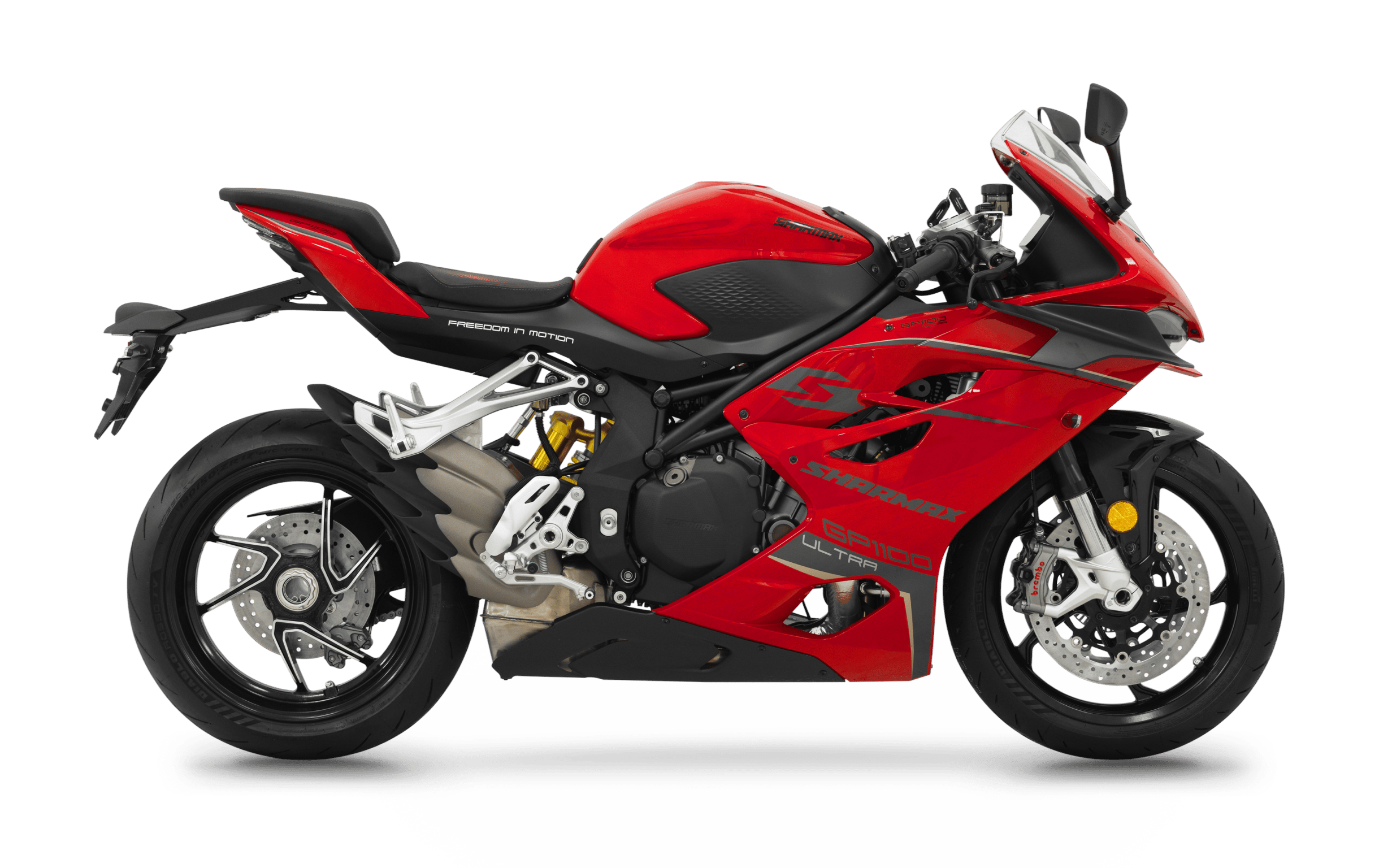
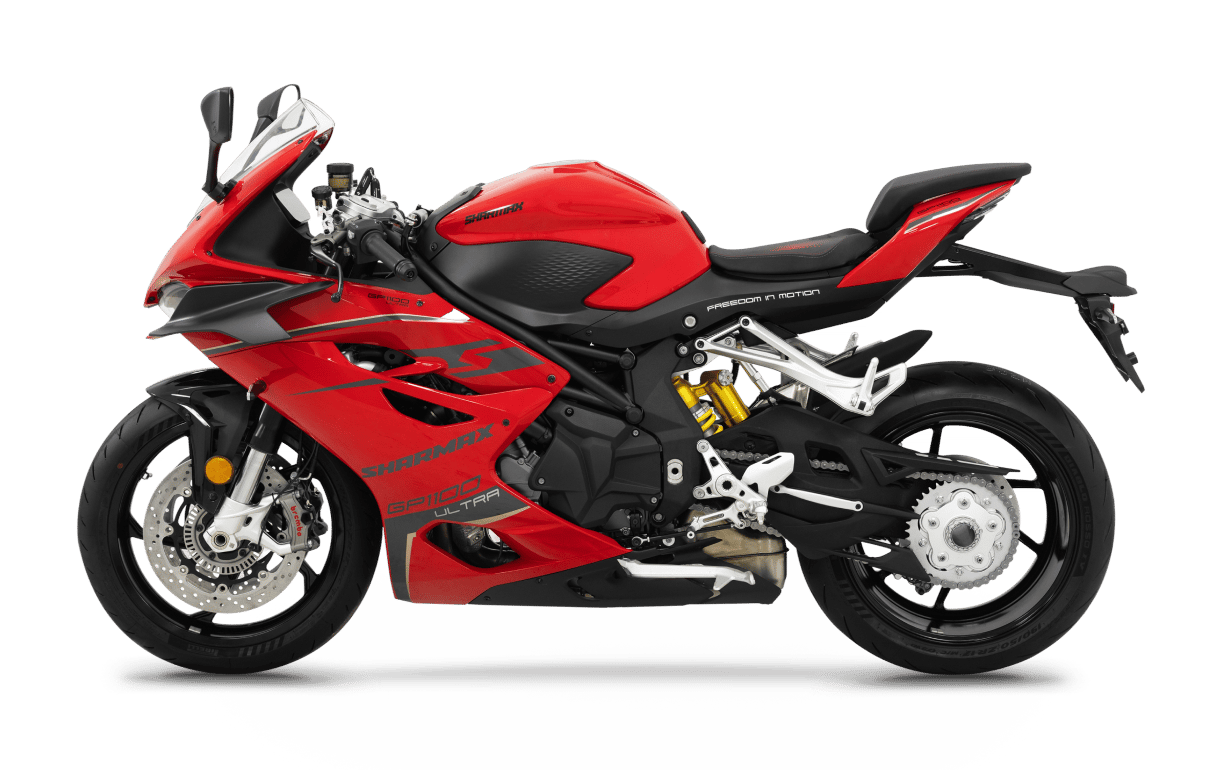
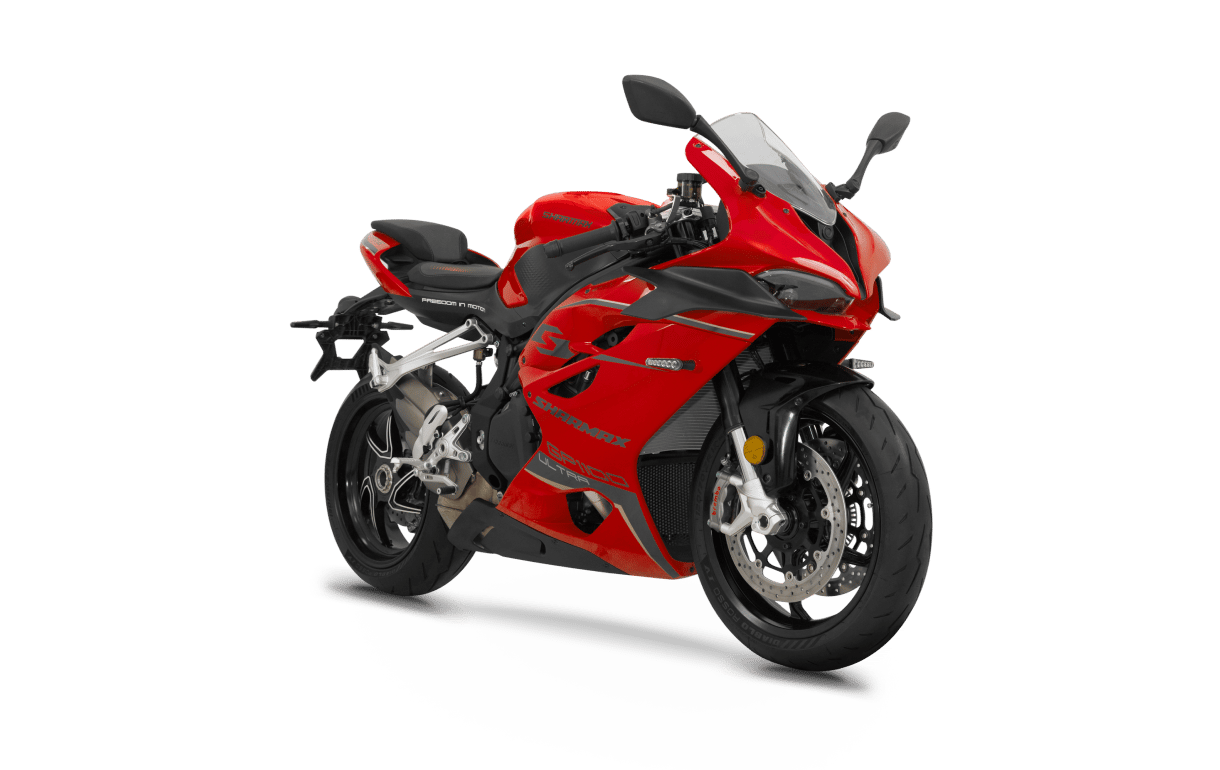
GP 1100 Ultra · Photos: Sharmax.
GL 991 Ultra
The brand's flagship touring bike, equipped with ABS in both the front dual disc setup and rear disc brakes.
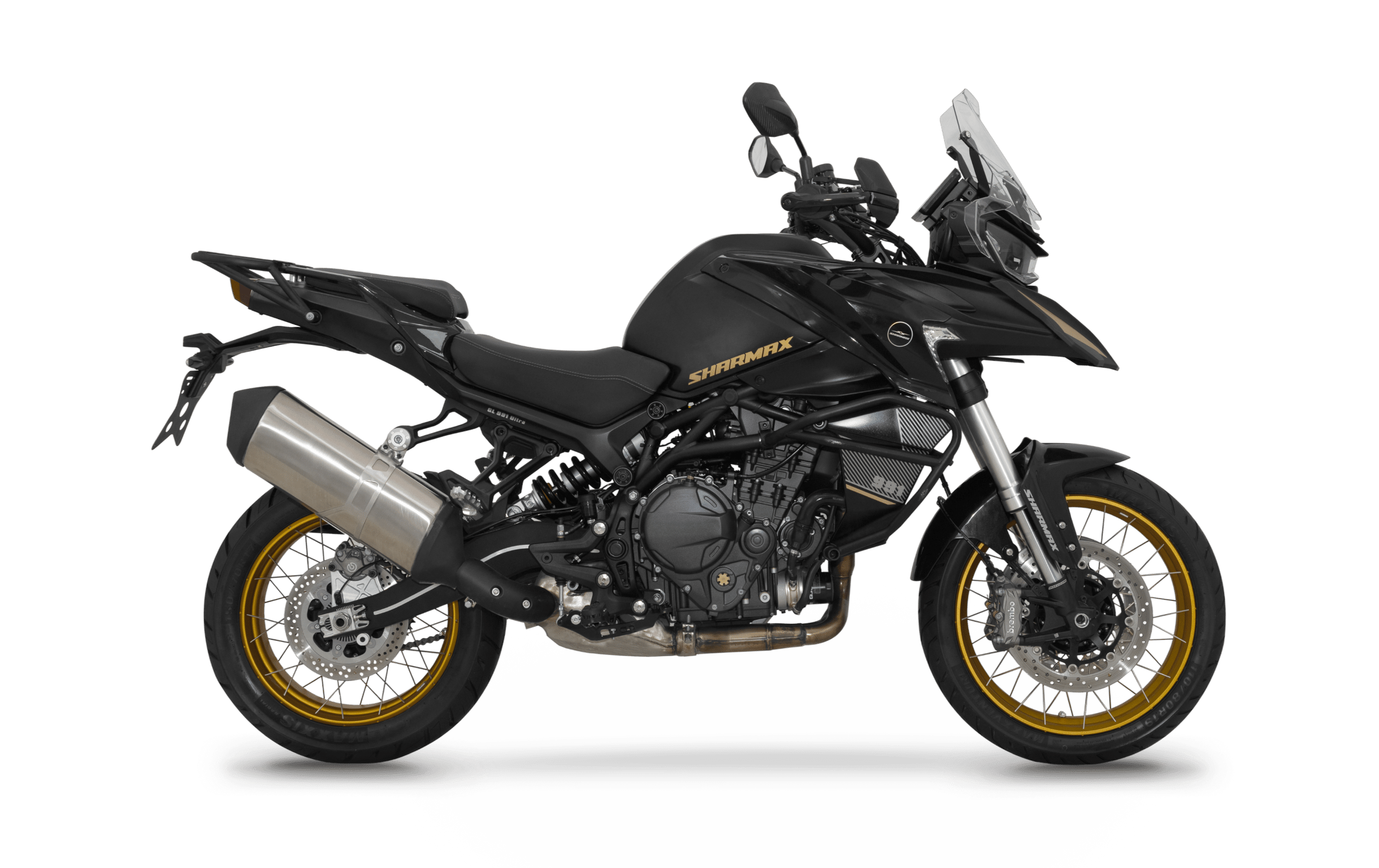
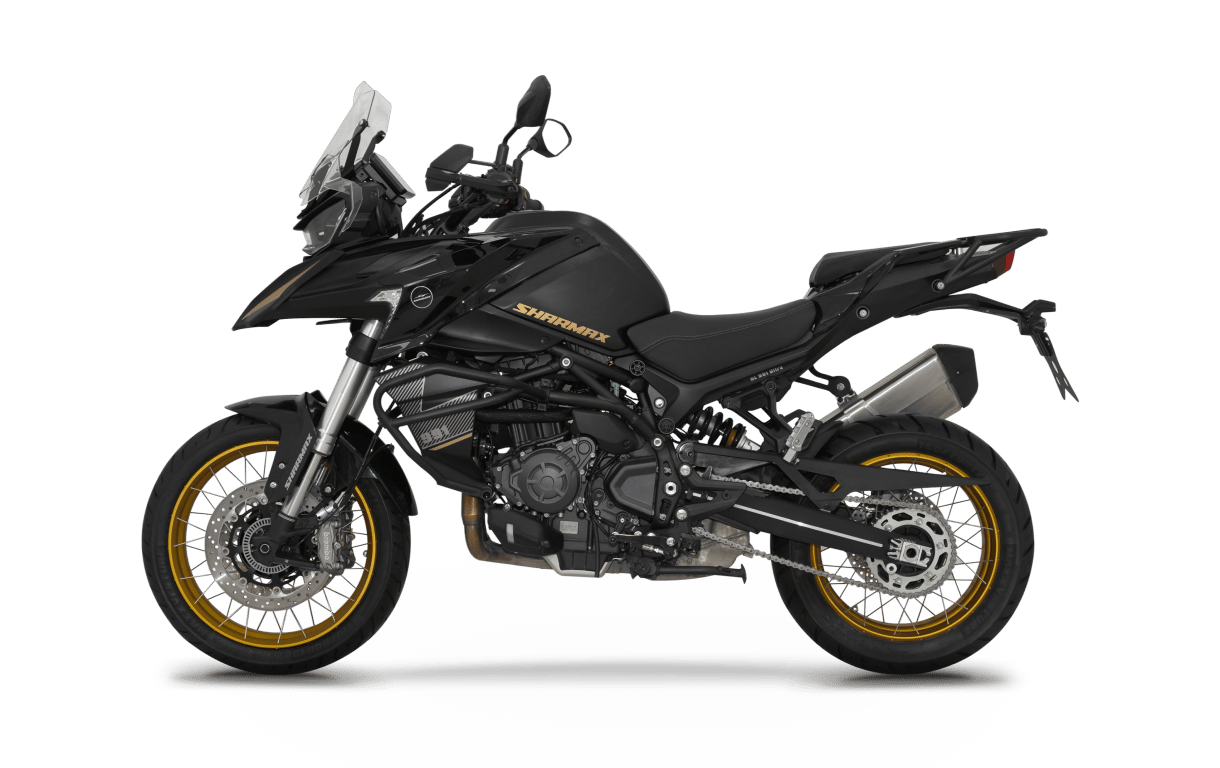
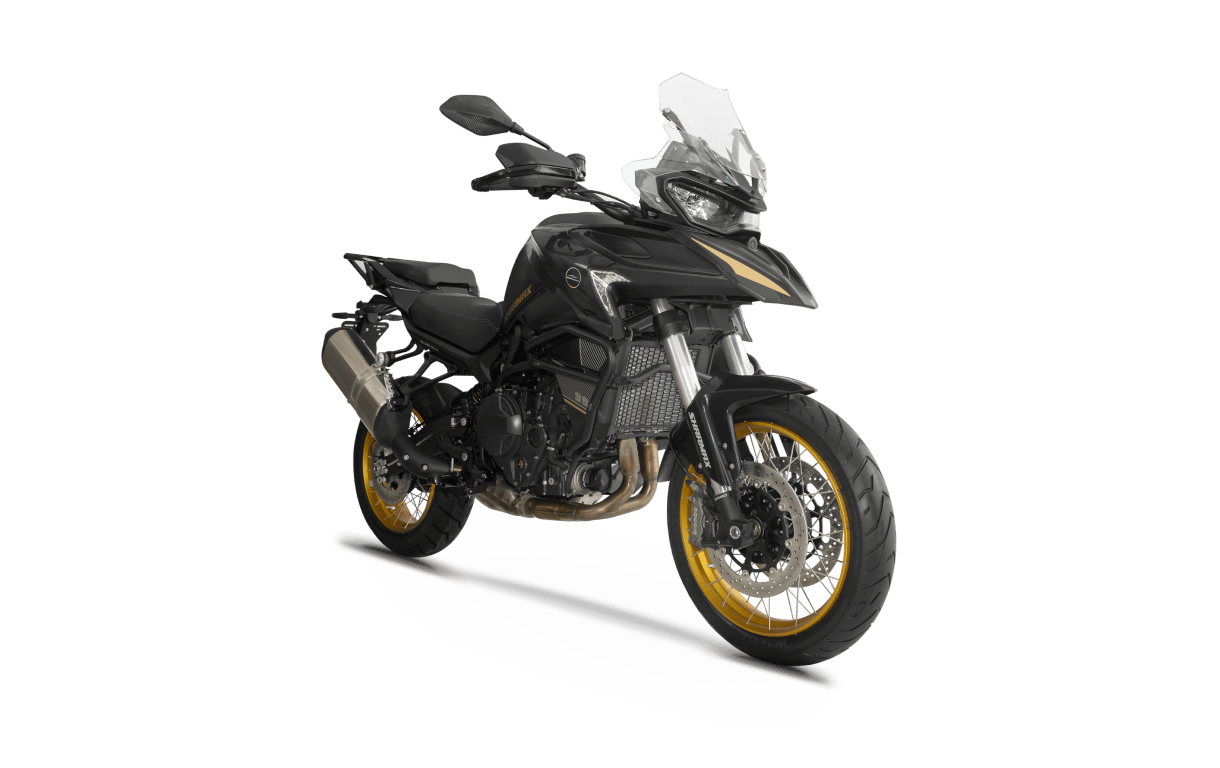
GL 991 Ultra · Photos: Sharmax.
RR 801 V Ultra
Cruiser-style road motorcycle with ABS on its front and rear braking systems; confirm the equipment of the exact Egyptian version before purchase.
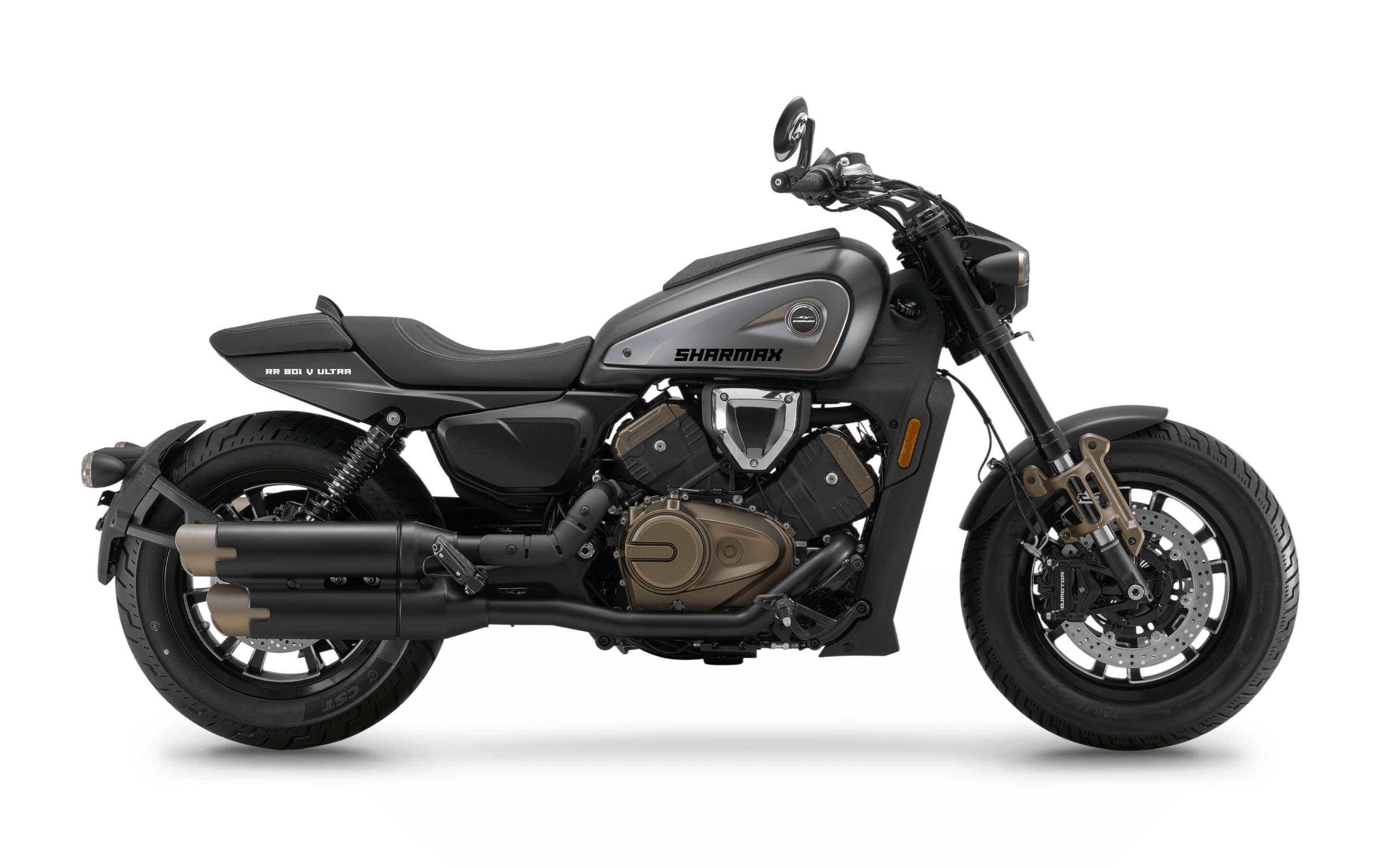
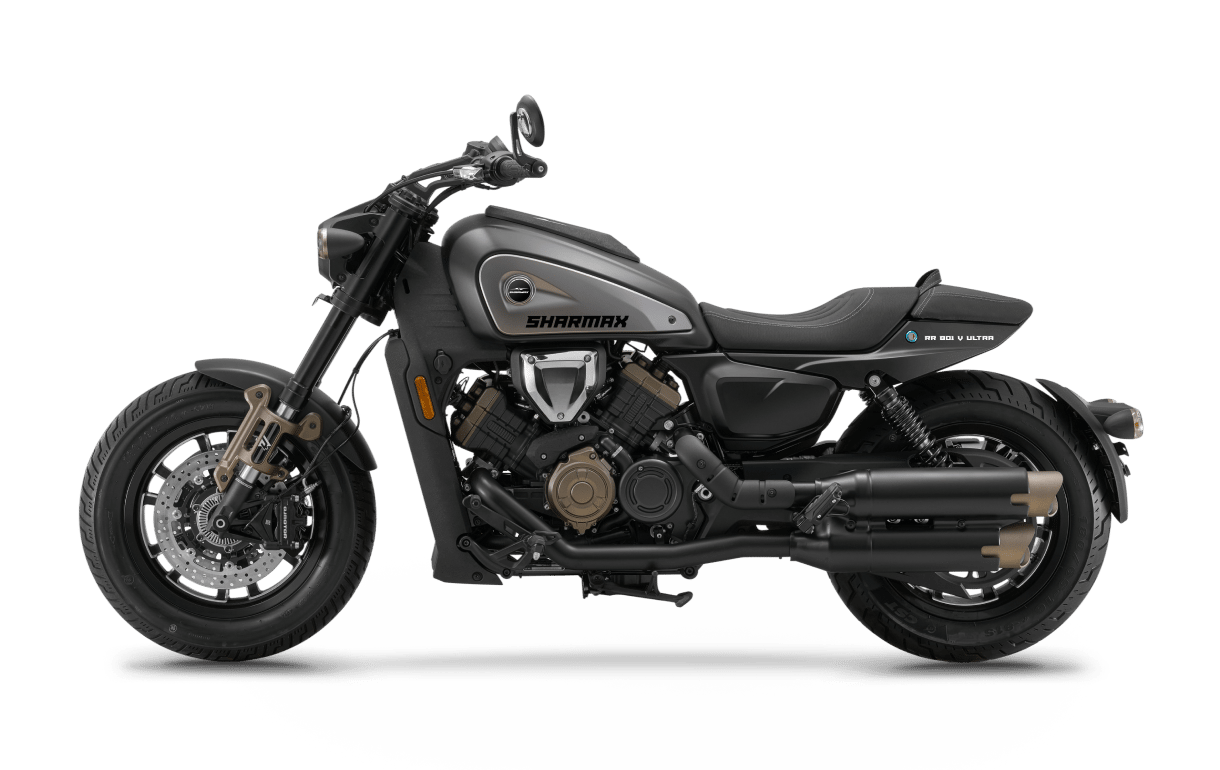
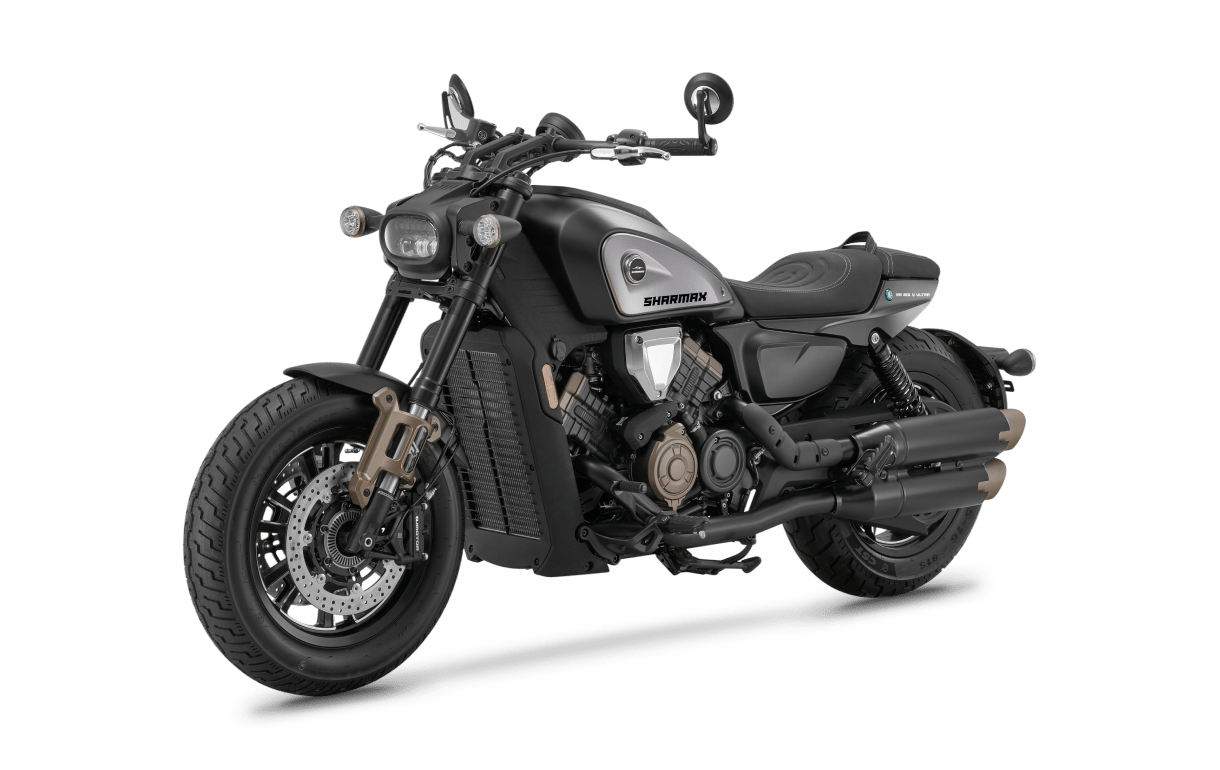
RR 801 V Ultra · Photos: Sharmax.
In general, checking the anti-lock braking system (ABS) is one of the simplest ways to filter out the shortlist - it's a small item on the spec sheet that has a big impact on how the bike behaves the one time you really need it.
Frequently Asked Questions
What does ABS mean in motorcycles?
The anti-lock braking system (ABS) is a system that prevents the wheels from locking up during hard braking by automatically adjusting the brake pressure when the system detects that one of the wheels is about to stop turning.
Do you need an ABS system on your motorcycle?
The anti-lock braking system (ABS) is one of the most important safety systems a motorcycle can have while riding on roads. It is especially valuable during emergency braking or when tire traction suddenly changes due to rain, sand, or debris on the road.
How do I know if a motorcycle is equipped with ABS?
Consult the vehicle's specifications and manual, and have the ABS indicator and system components checked by a professional if necessary. The presence of a ring and sensor on the wheel alone does not guarantee all ABS functions or the number of its channels.
Is an anti-lock braking system (ABS) necessary on motorcycles for experienced riders?
Experience alone does not negate the importance of an anti-lock braking system (ABS). Skilled riders may possess superior braking technique, but ABS remains capable of responding quickly to unexpected changes in traction. It should be considered an added safeguard, not a replacement for the rider's skill.
How does the anti-lock braking system (ABS) sensor work in a motorcycle?
A wheel speed sensor monitors the wheel's rotational speed, typically by reading a toothed or perforated ring near the wheel hub. If the system detects an unusually rapid drop in wheel speed, it can identify impending wheel lockup and adjust the brake pressure accordingly.
Can an anti-lock braking system (ABS) reduce the stopping distance of a motorcycle?
ABS can help achieve strong and stable braking on paved roads, but it doesn't guarantee the shortest stopping distance in all conditions. On gravel or deep sand, the result may differ and the distance may increase, so choose the appropriate speed and setting for the surface.
Is it possible to turn off the anti-lock braking system (ABS) on a motorcycle?
It depends on the model. Some adventure and off-road motorcycles allow the rider to disable the rear wheel anti-lock braking system (ABS) or select an off-road driving mode. Most conventional road motorcycles, however, have the ABS remaining active throughout the motorcycle's operation.