Motorcycle suspension types explained: Which setup is best for your ride in the UAE?
Motorcycle suspension types explained: Which setup is best for your ride in the UAE?
Learn how motorcycle suspension affects comfort, grip and control in the UAE, and compare setups for road, touring and off-road riding.
25 Nov 2026
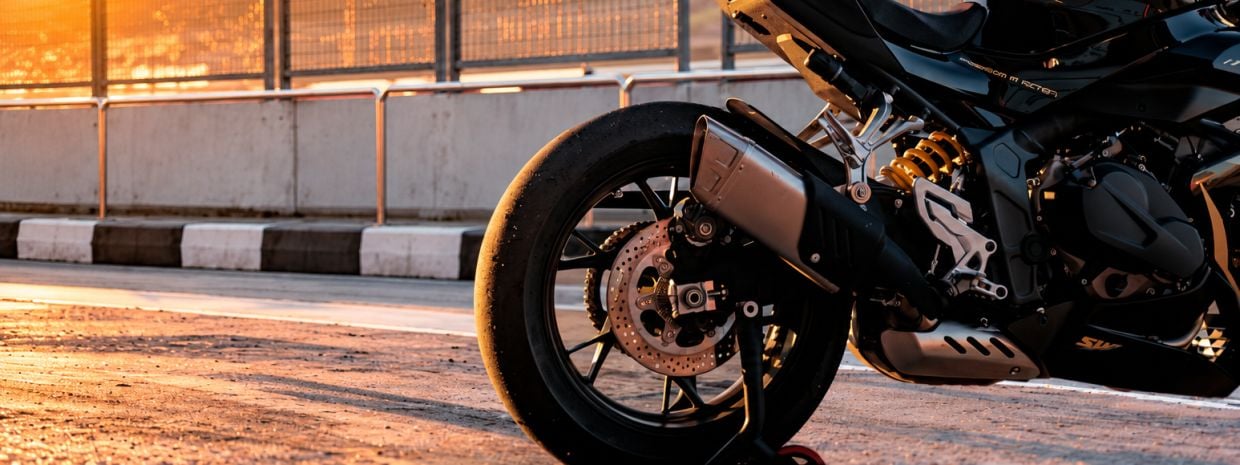
A speed bump on your daily commute and a rocky enduro trail place very different demands on a motorcycle. The suspension helps the bike respond to both, affecting how comfortable and controlled it feels along the way.
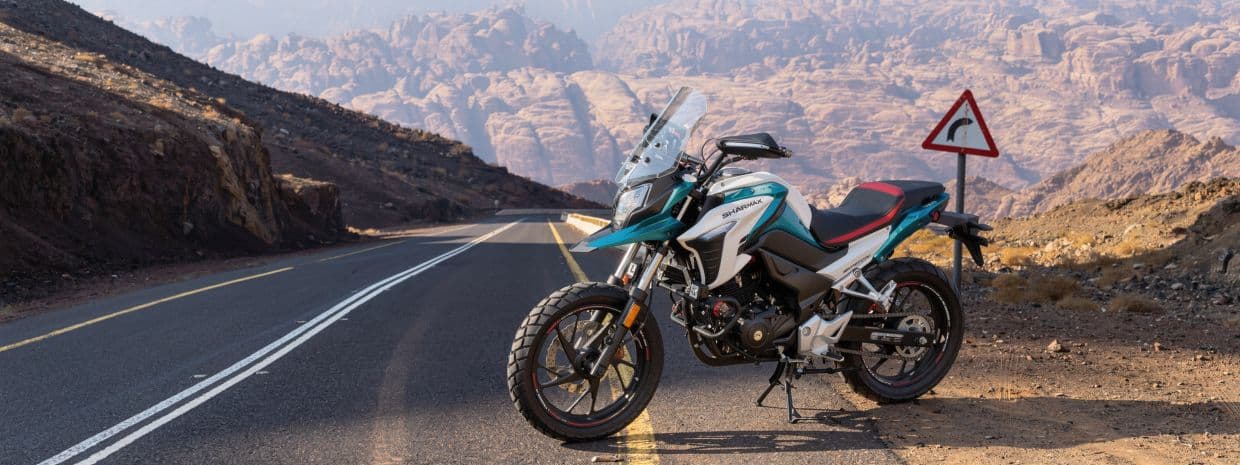
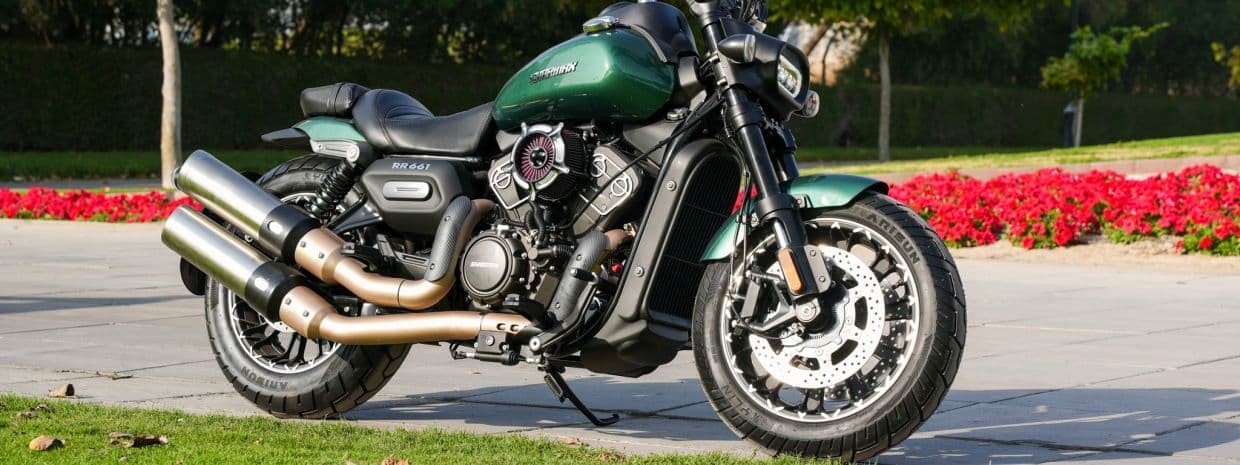
If you’re exploring motorcycles for sale in the UAE, understanding the suspension can help you choose a bike that suits your routes. Here’s how the main types work and what to look for, with examples from the Sharmax range.
What does motorcycle suspension do?
Motorcycle suspension connects the wheels to the rest of the bike. It allows the wheels to move as they meet changes in the surface, while helping control how much of that movement reaches the rider.
A well-matched setup contributes to:
- Comfort: absorbing some of the movement caused by bumps and uneven surfaces.
- Grip: helping the tires follow the surface as the wheels move.
- Control: managing the bike’s movement when braking, accelerating and cornering.
- Rider confidence: helping the motorcycle feel predictable on the routes it’s designed for.
Think about riding over a speed bump: the suspension compresses as the wheel meets it, then extends again as the wheel comes down. On an enduro trail, the same process happens repeatedly as the tires pass over ruts and uneven ground.
Main parts of motorcycle suspension
Springs and damping
The spring supports the motorcycle and compresses when the wheel moves over a bump. Afterward, it extends again.
Damping controls how quickly the suspension compresses and returns. Without enough control over that movement, the bike could continue bouncing after the wheel has passed over a bump.
The two work together: the spring supports the load, while damping helps manage the movement.
Front forks
The front suspension is usually made up of two fork legs connecting the front wheel to the motorcycle. The forks respond to bumps and also compress when you brake.
You’ll encounter two common arrangements: conventional telescopic forks and inverted forks. Both use sliding components, but they are arranged differently.
Rear shock and swingarm
At the back of the motorcycle, the wheel is connected to a swingarm, which moves as the wheel follows the road or trail. One or more rear shocks control that movement.
Some motorcycles have two rear shocks, while others use a single unit called a monoshock.
Types of motorcycle suspension
Conventional telescopic forks
Conventional forks have the narrower tubes at the top and the larger outer sections lower down, near the front wheel. They are a familiar design on many road motorcycles and smaller bikes.
They can provide a comfortable, straightforward setup for everyday riding. As with any suspension, how they feel depends on the motorcycle and its settings—not just the type of fork.
Inverted front forks
An inverted fork, sometimes called an upside-down fork, reverses the arrangement: the larger outer sections sit at the top, with the narrower sections closer to the wheel.
This design is used on many sport, touring and off-road motorcycles. It can provide a rigid front-end setup, but the fork’s construction and tuning also play a major role in how the bike handles.
Twin rear shocks
A twin-shock setup uses two rear shocks, usually positioned on either side of the rear wheel. You’ll often see this layout on classic-style motorcycles and some smaller road bikes.
Twin shocks can suit relaxed everyday riding and are a recognizable part of the look of many traditional motorcycles.
Rear monoshock
A monoshock setup uses one rear shock, usually positioned near the center of the bike. You’ll find it across many motorcycle classes, including sport bikes, touring motorcycles and enduros.
The shock’s settings and the way it connects to the swingarm vary by model. An enduro monoshock and a sport-bike monoshock may share the same basic layout, but they are set up for different conditions.
Suspension types at a glance
| Suspension type | Position | Where you may find it | Main role |
|---|---|---|---|
| Conventional telescopic fork | Front | Road bikes and smaller motorcycles | Controls front-wheel movement |
| Inverted fork | Front | Sport, touring and off-road bikes | Controls front-wheel movement in a different fork arrangement |
| Twin shocks | Rear | Classic-style and some road bikes | Control rear-wheel movement using two shocks |
| Monoshock | Rear | Sport, touring and off-road bikes | Controls rear-wheel movement using one shock |
The best setup depends on the whole motorcycle—its suspension design, travel, settings and intended use—not simply whether it has an inverted fork or a monoshock.
What do suspension travel and adjustment mean?
Suspension travel
Suspension travel is the distance the suspension can move between being fully extended and fully compressed. More travel gives the wheel more room to move over a larger bump before the suspension reaches the end of its movement.
For a general comparison, some road motorcycles have around 100–130 mm of front suspension travel, while dedicated enduro motorcycles can have around 250–300 mm or more. The exact figure depends on the bike and its purpose.
On a city ride, the suspension might deal with speed bumps and uneven pavement. An enduro bike may need more movement to handle deeper ruts and rougher ground. More travel can also contribute to a taller motorcycle, so it’s worth checking that you can balance the bike comfortably when stopped.
Preload
Preload changes the initial compression of the suspension spring. It affects how much the motorcycle settles under the rider’s weight, known as sag.
For example, if you regularly carry a passenger or luggage, the bike may sit lower under the extra load. Where the motorcycle allows it, adjusting preload can help set the ride height for that load.
Preload doesn’t change the spring’s stiffness. Start with the settings and load limits in your motorcycle’s manual, and ask the service team for help if you’re unsure.
Compression and rebound damping
These terms describe two directions of suspension movement:
- Compression damping controls how quickly the suspension compresses when it meets a bump or the bike’s weight shifts.
- Rebound damping controls how quickly it extends again afterward.
On a rough trail, for example, the suspension needs to recover after one bump before meeting the next. The right settings depend on the motorcycle, the rider and the terrain.
Not every bike offers the same adjustments. For a closer look at off-road settings, read our guide to adjusting enduro suspension.
Sharmax motorcycles with different suspension setups
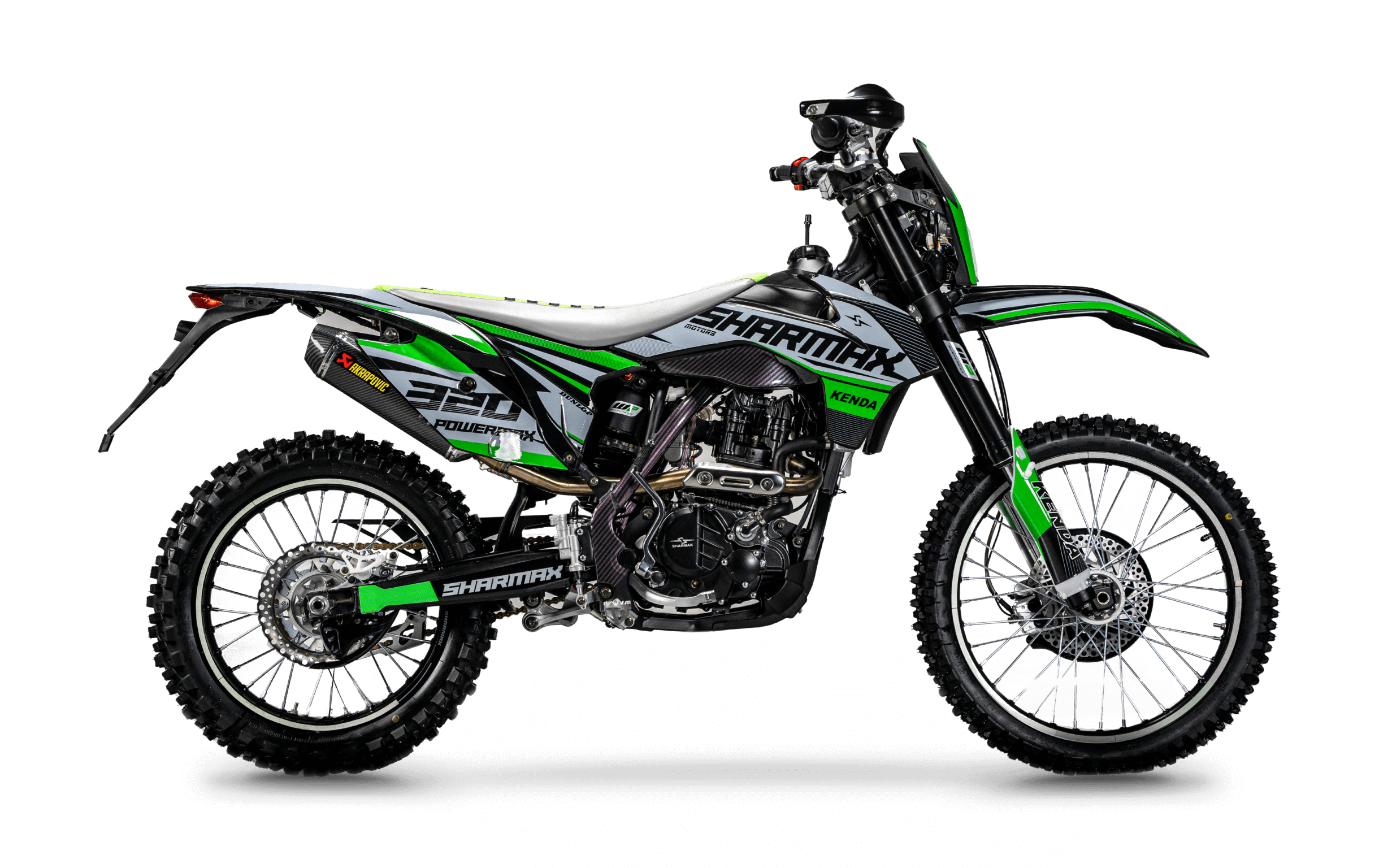
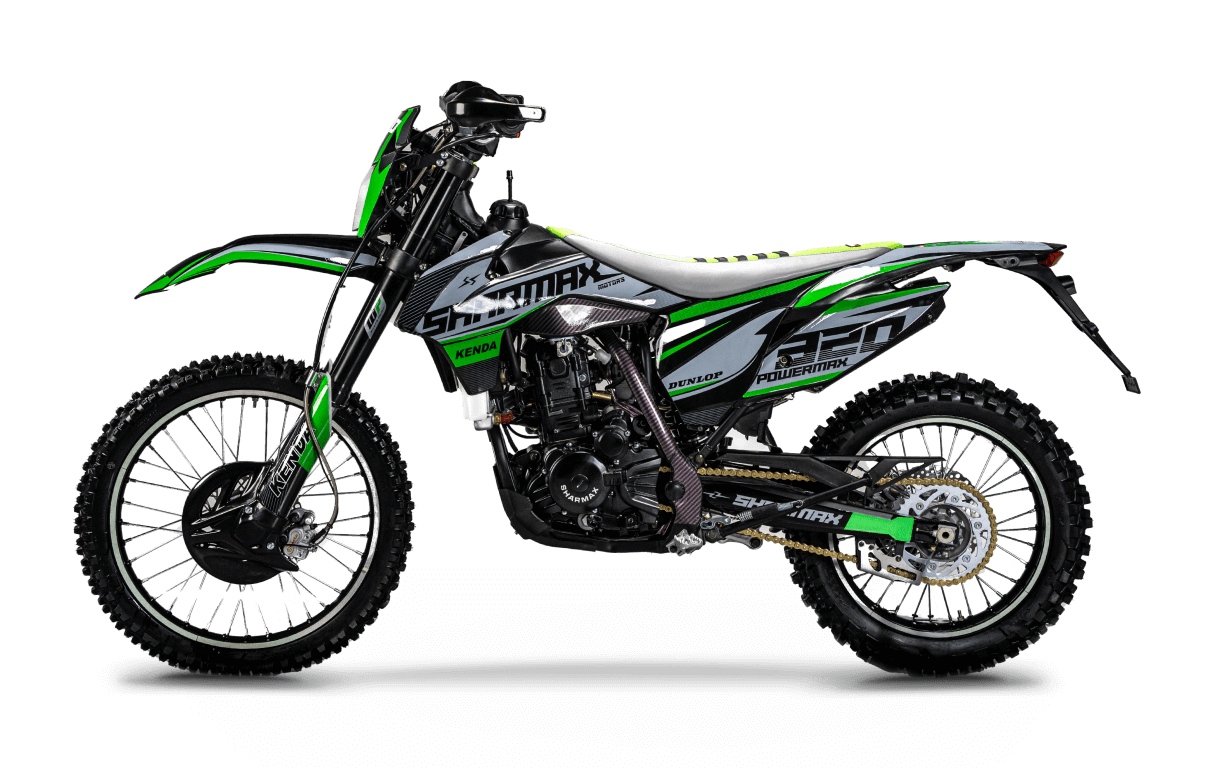
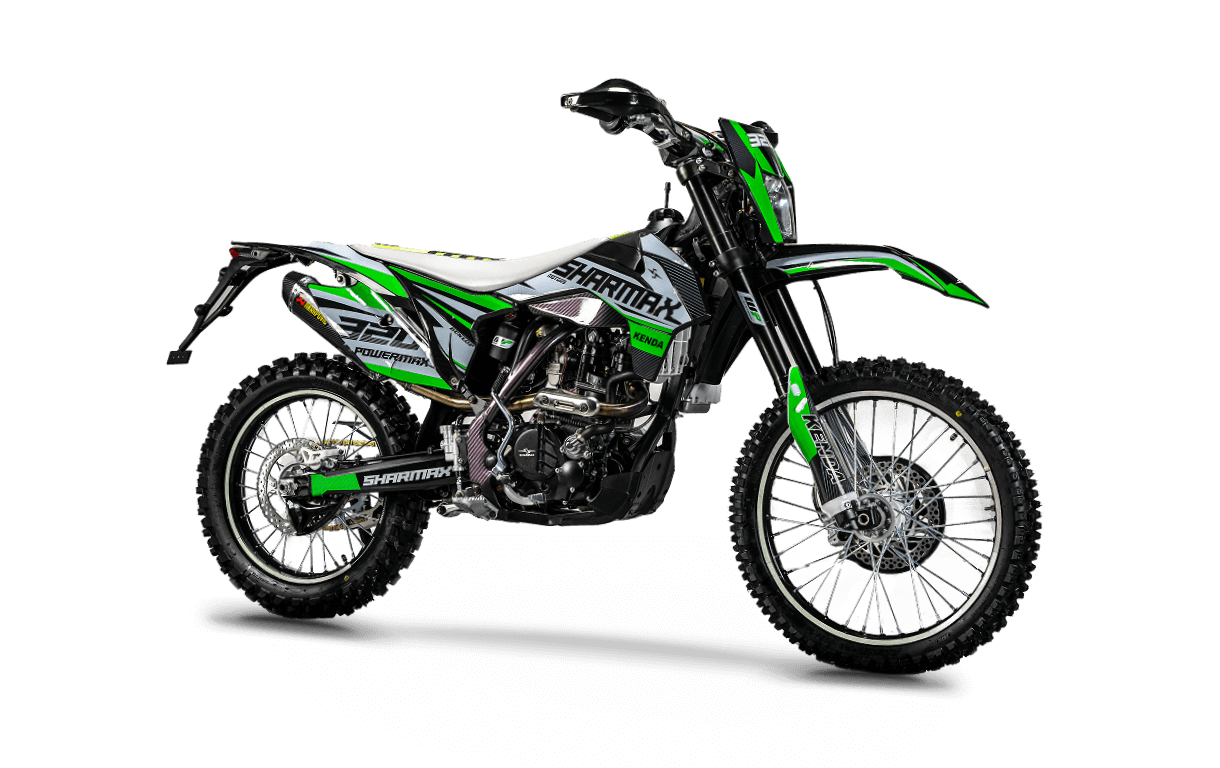
Power Max 320
Adjustable suspension for off-road routes
The Power Max 320 is a full-size enduro for riders who want to explore more demanding off-road terrain. Its front suspension offers compression and rebound damping adjustment, giving riders options for adapting the fork’s response.
That makes it a useful example of why adjustability matters on an enduro: a smoother track and a route with repeated bumps can place different demands on the motorcycle. Start with the recommended settings and make changes gradually as you learn what works for your riding.
Rear suspension travel (mm)
280
Front suspension travel (mm)
270
Seat height (mm)
890
GP 881 Ultra
A sport-focused road setup
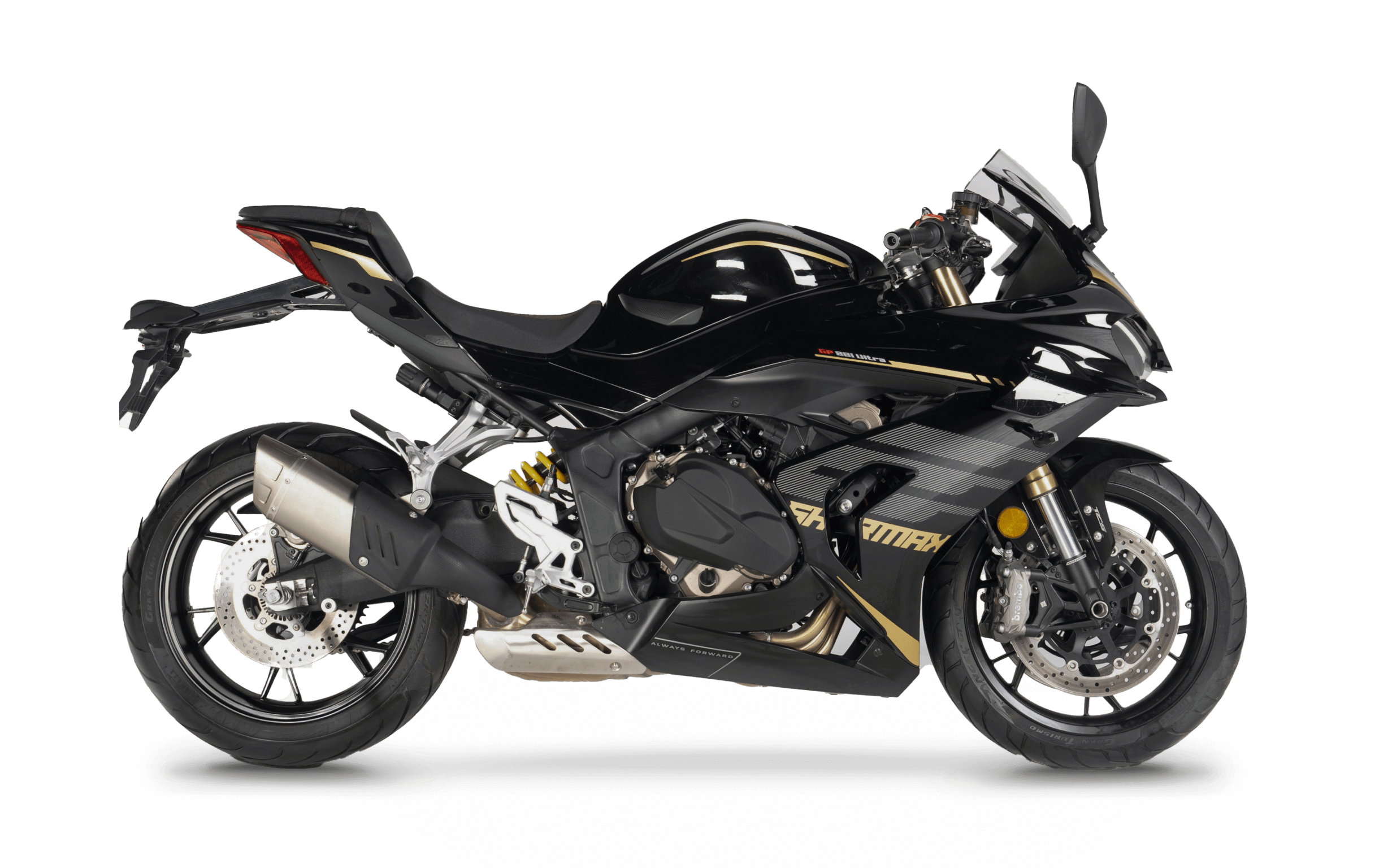
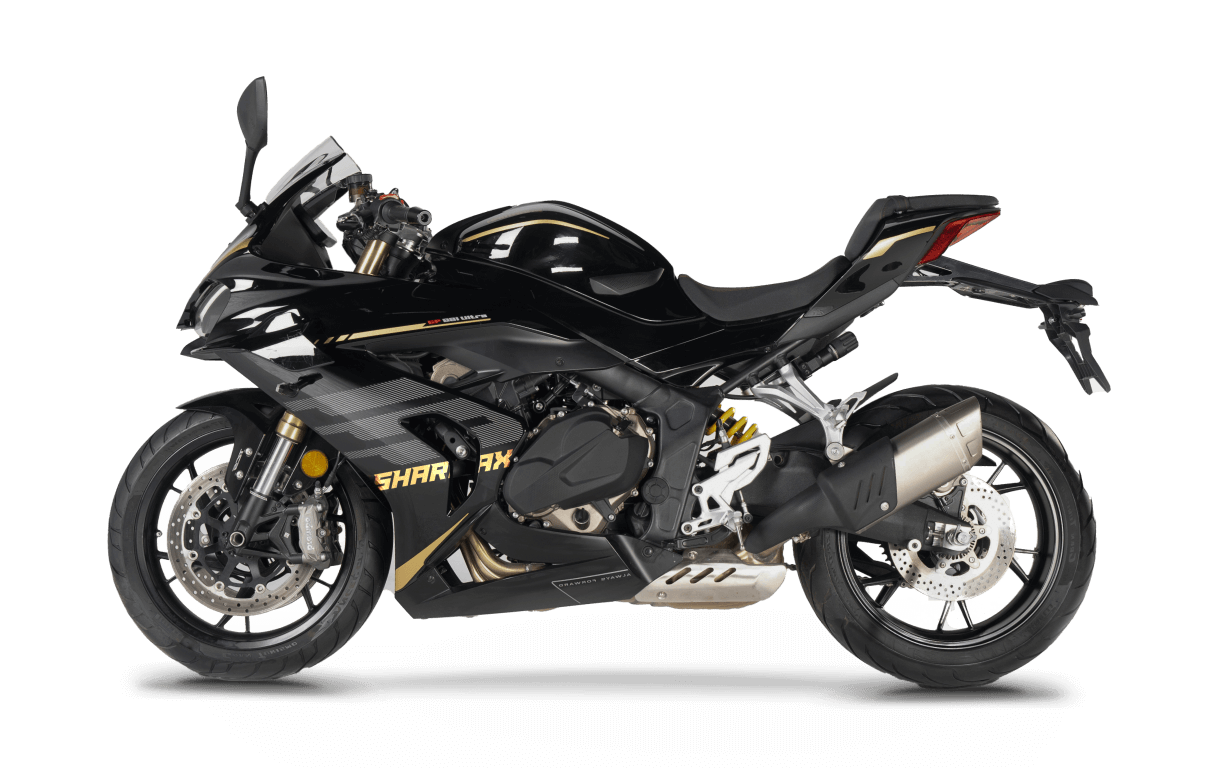
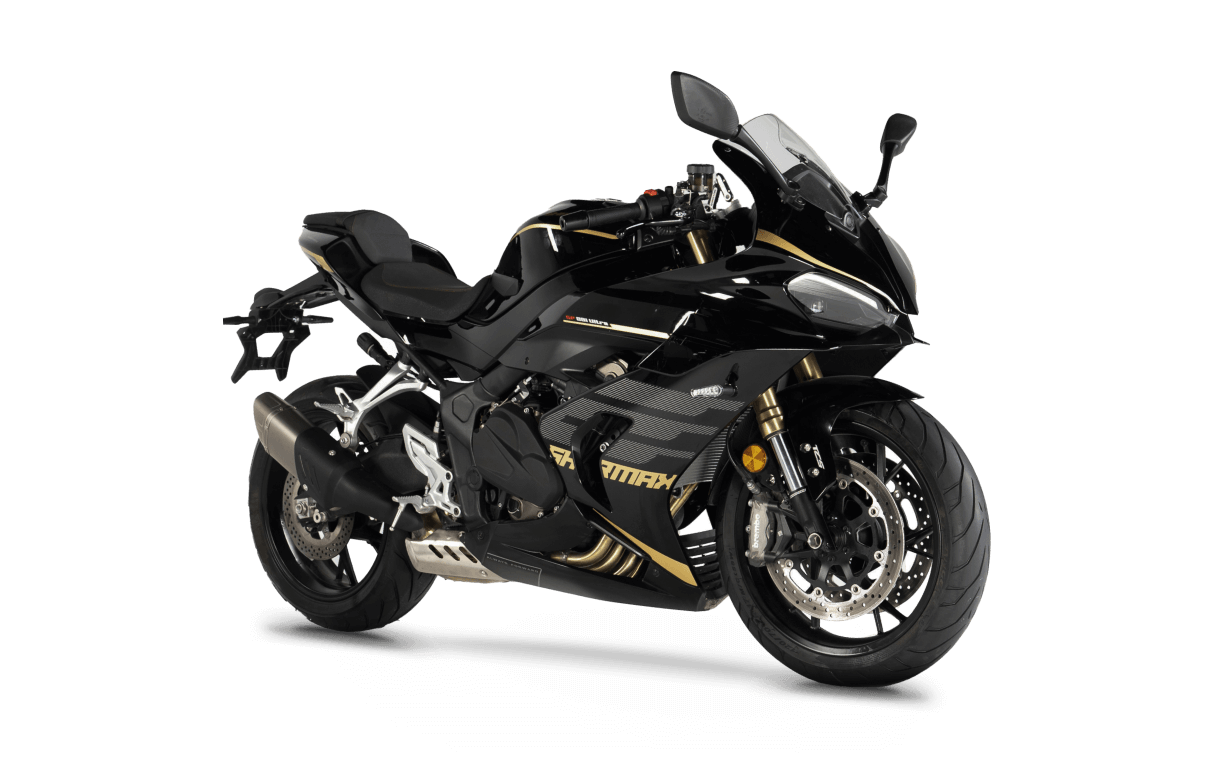
The GP 881 Ultra combines an inverted front fork with an adjustable rear shock. Its suspension supports the engaged riding experience riders expect from a supersport motorcycle.
The rear preload adjustment is particularly useful when setting the bike up for the rider and the load it carries. Alongside the riding position and brakes, the suspension contributes to how the GP 881 Ultra feels during braking and changes of direction.
You can read more about the technology in our article on Marzocchi suspension in Sharmax road motorcycles.
Rear suspension
Hydraulic rear shock absorbers with manual preload adjustment
Front suspension
Upside-down telescopic fork
Seat height (mm)
810
GL 770 Ultra
Suspension for longer road trips
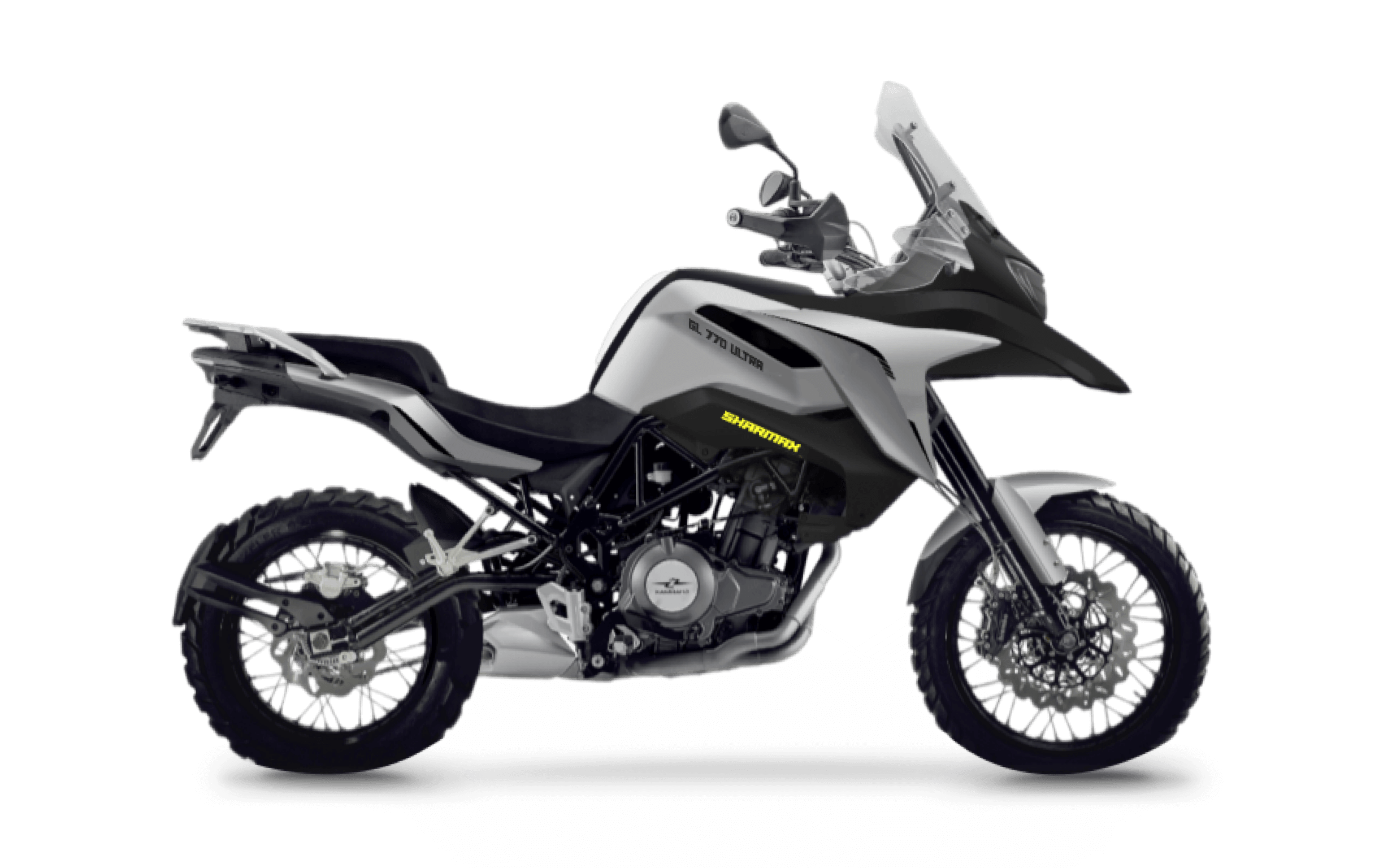
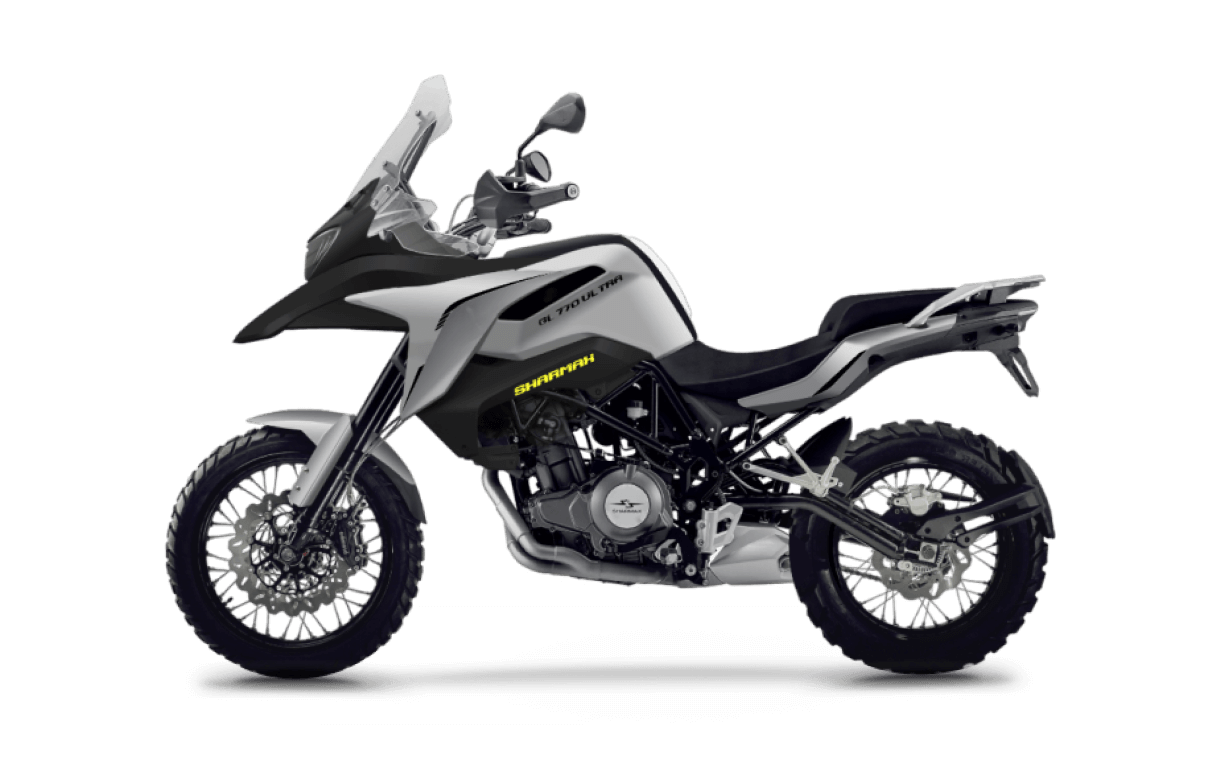
The GL 770 Ultra takes a touring-focused approach. It pairs an inverted front fork with a rear monoshock and is designed for riders who spend more time on open roads and longer journeys.
If you often ride between emirates, the GL 770 Ultra is worth considering for its road-focused setup. Its suspension works alongside its touring riding position and wind protection to make longer trips more comfortable.
Rear suspension
Swingarm with monoshock
Front suspension
Upside-down telescopic fork
Seat height (mm)
795
Sharmax suspension setups compared
| Model | Motorcycle type | Suspension features | Best considered for |
|---|---|---|---|
| Power Max 320 | Enduro | Front compression and rebound damping adjustment; rear suspension adjustment | Off-road riders who want to adapt the setup to their terrain |
| GP 881 Ultra | Supersport | Inverted front fork and preload-adjustable rear shock | Experienced riders who enjoy a sport-focused road bike |
| GL 770 Ultra | Touring | Inverted front fork and rear monoshock | Riders planning longer road journeys |
The Power Max 320 is the choice for off-road riding and adjustable trail performance. The GP 881 Ultra suits a more active sport-riding style, while the GL 770 Ultra focuses on the demands of longer road trips.
Signs your motorcycle suspension needs attention
Suspension needs regular inspection and servicing, just like the rest of your motorcycle. Have it checked if you notice:
- Oil around a fork leg or rear shock.
- Unusual bouncing after riding over a bump.
- A harsh ride or suspension repeatedly reaching the end of its travel.
- A change in handling or steering feel.
- Visible damage to suspension components.
Follow your motorcycle’s service schedule, especially if you ride frequently in dusty conditions. If the bike’s handling changes suddenly or you find a leak, have it inspected before continuing to ride.
Final thoughts
Motorcycle suspension does more than soften bumps: it also affects how your bike responds to the road, your load and your riding style. A sport bike, an enduro and a touring motorcycle may use similar types of components, but their setups are designed for different journeys.
Ready to compare your options? Explore the Sharmax motorcycle range or visit a motorcycle showroom near you to find a bike that suits your rides in the UAE.