What to wear for desert safari in Wahiba Sands
Bruises, sunburns, and scratches on your arms and legs. Definitely not the kind of souvenirs you want to bring from your dream trip. For someone who is totally unprepared, this adventure, beloved by so many tourists, can turn into a nightmare. No worries, we are here to instruct you on what to wear on a desert safari in Oman. Following our tips, you will still look stylish and nice in your pictures, yet fully protected and feeling comfortable. So, let’s get started.
12 Jan 2026
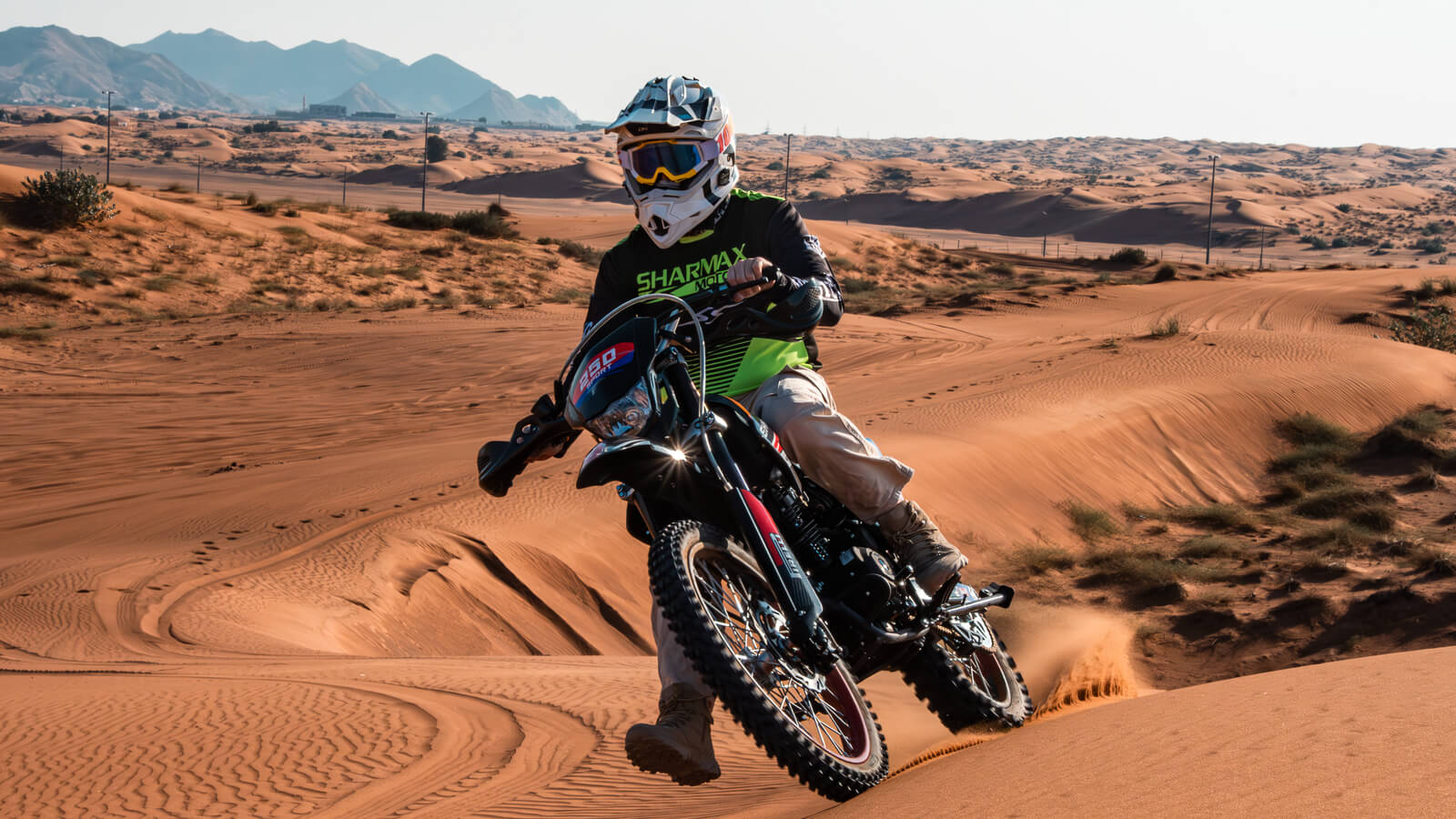
Desert safari dress code: comfort, style, and cultural respect
Climate considerations: day and night temperatures
You are packing your suitcase while checking the weather forecast for the next two weeks in Oman. Be ready to see temperatures that you may probably have never seen before in your life. The weather can be described as hot, hotter and unbearably hot. What is more, during summer months, the humidity levels could reach almost 93% while the temperature can go up to as high as 50°C. Just imagine this combination: you can hardly stay outside for longer than 3 minutes. The hottest time is between June and September and the mildest weather is observed between December and February. So choose your trip accordingly.
With this in mind, the best advice on what to wear in desert safari is: keep your outfit light and bright. Choose breathable clothing made of natural materials. Try to avoid synthetics and thick materials like jeans. Always think about the ways to protect your skin and head from a sun stroke.
Cultural aspect: respect to local traditions
The United Arab Emirates is a Muslim country with a certain dress code. The region is highly multicultural and tourist-oriented, with respect to diversity and freedom. At the same time, the country expects visitors to be respectful to its traditions and religion. No one will force you to wear abayas and be covered from head to toe, but following some basic etiquette and dressing modestly will help you stay in line with cultural norms and be respectful.
The general guidelines are the following: avoid wearing tight clothes that expose your body. Something too short may also be viewed as inappropriate. Short skirts and dresses, tops with low-cuts should also be avoided. Swimwear in public places is a strict no.
So when choosing the clothes to wear in desert safari, please keep the cultural aspect in mind alongside practicality and comfort.
Recommended fabrics for desert safari: material to wear and to avoid
Choosing the right fabric is the foundation of a comfortable desert safari outfit, especially in Oman’s heat.
Fabrics that will be your best friend:
- Cotton: If you are wondering what to wear for a desert safari in Wahiba Sands, cotton should be at the top of your list. The superhero of desert dressing. Soft, natural, and a moisture-absorbing champ. It’s also super easy to wash and dry (because let’s face it, desert dust is inevitable). Plus, with so many colors and styles, you can find something that screams “adventure chic.”
- Linen: Linen is like cotton’s cooler cousin. It’s lightweight, breathable, and practically a desert pro at keeping your body temperature regulated. What is more, it’s dirt-resistant and durable, so you won’t look like you rolled down a sand dune (even if you did). Plus, linen has that effortless “I’m stylish without even trying” vibe.
- Silk: Feeling fancy? Bring in the silk. Not only is it smooth and luxurious, but it’s also surprisingly practical. It keeps you cool when it’s hot and warm when it’s chilly. Plus, silk adds a touch of glamour to your outfit—because who says desert safari outfits can’t have a little red carpet energy?
Fabrics you’ll regret wearing:
- Polyester: Oh, no please avoid it. It traps heat, sticks to your skin, and basically turns you into a walking sauna. Add static cling and wrinkles to the mix, and you’ve got a recipe for disaster.
- Denim: Denim may be rugged and cool, but not in the desert. It’s heavy, stiff, and about as breathable as a plastic bag. Plus, it takes forever to dry, so one splash of water and you’re doomed. Save the jeans for your post-safari dinner.
- Wool: Unless you’re preparing for a snowstorm in the Sahara (unlikely), leave the wool at home. It’s bulky, itchy, and way too warm for desert temperatures. Plus, who wants to lug around a suitcase full of winter gear in the middle of the desert?
Now you’ll think twice before tossing your favorite jeans into your suitcase, won’t you?
Chic desert safari outfit ideas
The general advice for both men and women sounds like this: long sleeves and lightweight long trousers is the best outfit for desert safari and probably the most universal choice for several reasons. They will keep you protected from the sun and will keep you warm when the temperature drops at night. It’s very simple and almost everyone has a pair of long pants and a basic shirt for outdoors. Of course, there can be variations and different styling, but we suggest you take this as a core set of your outfit. Play with colors and accessories to add a chic fashion flair, if you wish, and your best safari set is ready.
These practical examples cover what to wear in a desert safari for ladies and men, balancing style with real desert conditions.
Outfit ideas for ladies
If you are wondering what to choose for a female desert safari outfit, focus on breathable fabrics and relaxed contours:
- Wide-leg culottes or long linen pants – breezy and perfect for the desert heat.
- Beige top with a cotton white shirt – light, breathable, and effortlessly stylish.
- Fancy leather belt – adds a polished touch to the outfit.
- Sneakers or summer sandals – comfy enough for walking on sand without regrets.
Outfit ideas for men
A well-chosen desert safari outfit for male should feel practical and effortless rather than heavy or restrictive. This could be:
- Khaki linen shirt with pockets or a checked shirt– breathable, stylish, and practical.
- Lightweight trousers – because nobody wants sunburned legs.
- Waist bag – keep your essentials handy without stuffing your pockets.
- Light boots or sneakers – something sturdy for walking on sand.
What about a lovely dress? – girls may ask. Sure, you can take one with you to change there for a photoshoot. Yet, it's better to avoid wearing long dresses on a desert safari ride. Loose fitting parts can be dangerous as they can get stuck in the vehicle, get caught on things, or flap wildly in the wind during the ride, especially if you are on a quad bike tour.
Some of you may wonder why shorts, the most popular summer clothes, are missing from the list. While shorts are great for hot weather, you’d better avoid wearing them on a safari ride because they leave your legs exposed to sunburn and scratches. At least, opt for knee-length models as anything shorter might leave you wishing you hadn’t.
Seasonal outfit tips in Oman
When it comes to choosing clothes for a desert safari in Wahiba Sands, no matter the season, think of it as a strategic fashion game. You’ll need layers you can peel off or pile on depending on the mood of the weather.
What to wear in desert safari during summer
A quick recap from what we’ve discussed above – the best clothes to wear in desert safari during summer are:
- Long-sleeve cotton shirt
- Long and light trousers
- A hat or a bandana to protect your head
- Close-toed shoes
What to wear in desert safari during winter
As surprising as it may sound, the desert can get pretty chilly in the evenings, especially in winter. So, if you are wondering what to wear on a desert safari during the winter, grab a poncho or a hoody with you. Remember we talked about layers? That’s where they step in. You will feel much more comfortable and cozy, sitting by the evening fire, watching the show while wrapped up in your soft shawl or a warm hoodie.
Footwear for desert safari
If you are wondering what shoes to wear in a desert safari, practical support matters more than style. From the experience of many travelers, light boots, hiking shoes or a pair of comfortable sneakers are the best way to go. Closed-toe shoes will protect your feet and ensure sand won’t stick to them. Additionally, you will feel more stability and balance when walking in the sand.
Besides sneakers, sturdy safari sandals with adjustable straps can also be a good option. They provide breathability while keeping your feet secure, making them a comfortable alternative for walking on sand without worrying about them slipping off.
Avoid flip flops and sandals. You’ll be doing a lot of walking and probably a camel ride, so these shoes are more likely to slip off, fill with sand, or leave your feet unprotected from the heat.
We hope it goes without saying that any high-heeled shoes must be avoided during your safari trip.
Accessories and essentials
A desert is not a shopping mall. Once you are out there, there are no kiosks, no pharmacies, and definitely no last-minute fixes. Along with your desert safari outfit, a few smart accessories will save you from discomfort and regrets.
Hats, sunglasses, and scarves
A hat or light scarf is a must when deciding what to wear in a desert safari. It protects your head from the sun and keeps windblown sand out of your face. Scarves also double as photo-friendly accessories, which never hurts.
Sunglasses are not just for style points. They protect your eyes from harsh sunlight and sand glare, especially during a desert safari in Wahiba Sands where the sun does not play gently.
Bags and other must-have items
Water comes first. Even if your tour includes drinks, bring an extra bottle. The desert air is dry, sneaky, and very good at dehydrating people who “feel fine.”
A small backpack or crossbody bag works best. It should fit water, wet wipes, a light layer, and other basics without bouncing around while you walk on sand. Practical beats fashionable here, every time.
Sun protection and safety tips
Sunscreen is not optional. SPF 50 is your best friend and a core part of clothes to wear in a desert safari, even if they are technically not clothes. Add lip balm with SPF unless cracked lips are part of your travel goals.
Skip sharp, heavy, or pointy accessories. Dune rides can get bumpy, and nobody wants an accidental elbow-versus-necklace situation. Keep it simple, safe, and desert-appropriate.
Frequently asked questions
Can I wear jewelry or watches on a desert safari?
You'd better not. In the heat, they’ll quickly be covered in sweat. Besides, if you are planning activities like camel or quad bike riding, this might be unsafe to wear.
How to adapt safari outfits for children or teens?
For kids and teens, the same rules apply. Keep their body parts covered with long clothes, protect the head and generously apply sunscreen.
What clothing is best for desert safari photography sessions?
Depends on your photoshooting theme. For ladies, any flowing long dress works beautifully, especially in bright colors that contrast against dunes.
Are there recommended outfits for early morning or evening desert safaris?
For these trips, we recommend having something warm like a poncho or a scarf that you can easily take off when heat arrives.
Bottom line: your perfect desert safari outfit
Let’s sum it up. Your best desert safari set should be light in both color and material. Natural fabric will save you from sweat and skin irritation. But light does not mean your clothes should be revealing – mind the cultural aspect too. In case of a night safari trip, take a long-sleeve jacket or a hoodie. Take necessary accessories and wear closed shoes. Never forget the sunscreen.
Dress smart, stay comfortable, and you will be safe, confident, and photo-ready from start to finish. Enjoy your Wahiba Sands desert safari in the right fit!