Motorcycle market in Oman: key trends and insights to consider
Unlike other GCC countries with vibrant automotive markets, Oman’s motorcycle scene is still in an early-growth phase. The adventure and powersports industry is largely dominated by quad bikes and other 4x4 machines rather than two-wheelers. At the same time, this imbalance signals high growth potential and a small but increasingly attractive motorcycle market.
13 Feb 2026
Unlike other GCC countries with vibrant automotive markets, Oman’s motorcycle scene is still going through the early-growth phase. The adventure and powersports industry is largely dominated by quad bikes and other 4x4 machines rather than two-wheelers. At the same time, such a state of things signals high growth potential and a small but increasingly attractive motorcycle market.
This overview is useful both for riders who want to understand what is happening on two wheels and for people who are quietly thinking about opening a showroom or investing in the local motor market.
Overview of the motorcycle market in Oman in 2025-2026
In the global motorcycle market, analysts expect steady growth over the next decade, with the Middle East gradually increasing their share of overall sales. Oman follows this curve on a smaller scale, but with its own flavour: more about touring and exploration, less about dense city commuting.
Although Oman is one of the smaller Gulf countries by population, its two-wheeler segment is growing faster than many regional peers. Research estimates the value of the Oman motorcycle market at only a few tens of millions of US dollars today, but with growth rates of about 7–8% in the mid-2020s, peaking at around 10–11% per year before gradually slowing toward the end of the decade.
Within the wider Middle East and GCC, where overall motorcycle and scooter sales are projected to grow by roughly 5–7% annually to 2030, Oman remains a small in volume but above-average in growth niche. This combination of modest size, strong percentage expansion and a clear tilt toward leisure, touring and off-road riding is exactly what makes Oman interesting for focused brands, tour operators and investors rather than mass-market commuter players.like.
Why Oman is a paradise for motorcycle lovers
Predominantly dry weather with no rain or snow makes Omani roads ideal for riding all year round. The unique blend of city infrastructures and the proximity of deserts and mountain trails make adventure riding especially appealing in Oman. Yes, summer temperatures can touch 45°C, but the long cool season more than compensates and keeps the local motorcycle market focused heavily on leisure.
Developed road and transport infrastructure also helps. Highways are modern, petrol stations are frequent, and malls have structured parking where bikes can usually squeeze into good spots.
Fuel is relatively affordable, roads between Muscat, Nizwa, Sur and Sohar are generally well maintained, and hotels used to serving 4x4 tourists are increasingly open to bike groups too. Tour operators already promote “Oman on two wheels” experiences that combine Muscat, the Hajar mountains and desert tracks, and these factors together explain many motorcycle market trends in Oman, from the popularity of adventure and touring models to the growing demand for guided rides.
Popular motorcycle types and trends
If you walk through large showrooms or scroll Oman’s classifieds, a few segments clearly stand out.
🔹Adventure and touring bikes: This is the heart of the scene. Mid- and big-capacity adventure machines and tourers are ideal for Muscat–Nizwa–Jebel Shams loops, Wahiba Sands edges and even long runs down to Salalah. Riders want one bike that can cruise on the highway and still cope with gravel, so the adventure motorcycle segment grows faster here than in many neighbouring countries.
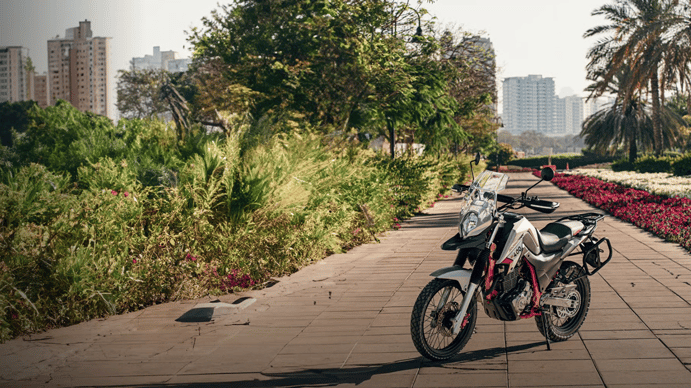
🔹Off-road and dual-sport machines: The off-road motorcycle market in Oman is unusually important. Enduro and dual-sport bikes are used for rocky tracks in the Hajar mountains, wadi crossings and desert rides, often alongside ATVs and buggies. For many owners, these are “weekend tools” rather than daily transport, which pushes the market toward higher-spec, better-suspended models instead of bare-bones commuters.
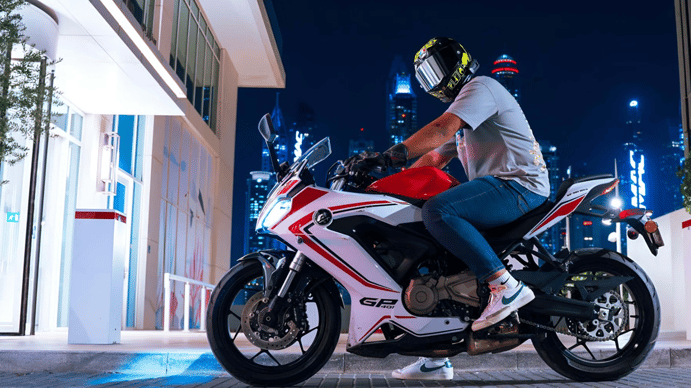
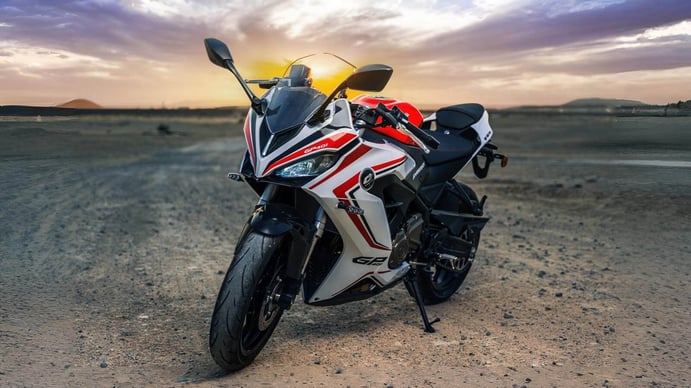
🔹Roadsters, sport and supersport bikes: Naked road bikes and a smaller pool of supersports cover riders who mainly stay on tarmac between Muscat, Sohar and the UAE border. Full-power 600–1000 cc sportbikes exist, but they form a thinner layer than in the UAE or Saudi: licensing rules, cost and the lack of big-city nightlife strips mean fewer people buy a bike purely to show it off.
🔹Small commuters and delivery bikes: There is a modest but visible layer of 150–300 cc commuters and delivery bikes in Muscat and Sohar, used for food, parcels and short hops. Unlike Cairo, Istanbul or Dubai, they do not dominate the streets; cars and pickups still rule daily mobility, so this segment supports the market rather than defining it.
🔹Scooters, electric and niche formats: Scooters are present mainly in dense districts and around certain businesses. The electric motorcycle market and e-scooters are still experimental – a few fleets and early adopters testing routes and charging – but they align well with Oman’s long-term EV and sustainability plans.
Best-selling brands and models in Oman
There is no public scoreboard, but the picture is familiar. Japanese brands such as Honda, Yamaha, Kawasaki and Suzuki still form the backbone of the road and touring categories. European names like BMW, KTM, Ducati and Triumph show up more in premium touring and adventure roles.
At the same time, regional brands such as Sharmax Motors are building a loyal base with adventure, on-road and off-road machines that are specced for GCC conditions and friendlier on the wallet. Chinese manufacturers are also gaining presence in entry-level and commuter segments, especially for riders hunting for maximum value per rial.
Seasonal trends and peak buying periods
The main buying and upgrading season tracks the good weather. From late September to early winter, many riders either buy their first machine or replace an older one before the best months hit. Another smaller wave appears around the end of the year, when promotions and holiday moods line up.
Summer is quieter for new sales, but service departments stay busy preparing bikes for big trips, fixing heat-related issues and refreshing machines that have seen a lot of off-road abuse.
Market insights for motorcycle enthusiasts and investors
Recent motorcycle market analysis for Oman suggests the country is a small but fast-growing niche within the wider GCC. The GCC motorcycles market as a whole is valued at around USD 716 million. Oman's share is measured at below USD 20 million, with the off-road segment alone estimated at about USD 15 million thanks to strong adventure and recreational demand.
Forecasts for the national motorcycle market point to annual growth starting at roughly 7.3% in 2026, peaking near 10.8% in 2027 before easing toward the end of the decade, which means Oman is small in absolute volume but clearly above average in growth compared with several other Middle East markets.
Growth opportunities for dealerships and brands
For riders, more choice is always good. For investors, the question is where that choice is still missing. In Oman you can clearly see space for:
mid-capacity adventure and touring bikes aimed at real Muscat–interior–Salalah distances,
practical commuters that survive heat, dust and occasional rough roads
structured rental, training and guided-tour businesses that help visitors experience the country on two wheels.
Because the market is relatively small, one focused, well-run dealership in a specific niche often has more potential than three generic showrooms trying to sell “a bit of everything”.
Emerging niches and innovations
Many global ideas arrive in Oman with a short delay: connected bikes with smartphone integration, improved rider-assist systems, smarter ABS and traction control on mid-priced models. Local demand then turns these features into practical advantages for long downhill sections, unexpected gravel or bad weather.
Another interesting niche is fleet and corporate use: adventure-touring bikes for tour operators, robust commuters for companies that need quick staff mobility between sites, or electric scooters for short-range urban logistics. The line between “riders” and “users” will slowly blur as more businesses start to see two wheels as a tool, not just a toy.
Forecast for the next 5 years in the Omani motorcycle market
Regional research on the Middle East two-wheeler sector points to solid growth toward 2030, driven by urbanisation, congestion and the need for efficient transport. Within that regional framework, Oman is expected to grow from a small base, helped by tourism, youth demographics and continuous road projects. Specific studies on Oman forecast steady increases in unit sales and note the potential of electric and customised bikes over the coming decade.
Globally, both the adventure and off-road motorcycle market are expanding as riders seek experiences rather than pure commuting; analysts project off-road machines alone to grow from around USD 8.3 billion in 2024 to USD 12.5 billion by 2032, and the adventure motorcycle market to almost double between 2025 and 2035. These global motorcycle market trends favour destinations like Oman that combine paved roads with serious gravel and desert routes.
Investment tips for entering Oman motor market
Because volumes are limited, investors need a clear strategy instead of a generic “bike shop” approach.
Practical entry routes include:
Partnering with an existing regional brand such as Sharmax or a mid-tier international marque that lacks representation
Focusing on adventure and off-road fleets for tours and rentals
Building a specialist service centre that supports multiple brands and tour operators
Targeting the early electric motorcycle market with scooters and light e-motos for delivery use.
Location matters: a visible showroom in Muscat or Nizwa, combined with a workshop in a cheaper industrial area, often makes more sense than a single expensive city-centre site.
Strong online presence, multi-language communication and the ability to offer finance or leasing will further differentiate any entrant in the Omani motor market.
Sharmax Motors: The growing name in the Oman motorcycle market
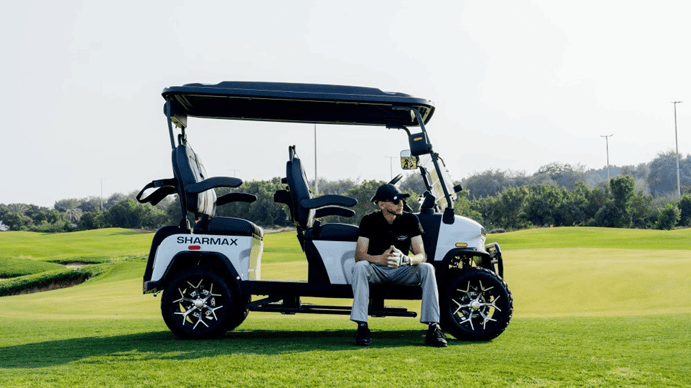
Within all of this, Sharmax Motors plays the role of a regional specialist rather than a generic import brand. In Muscat, the showroom brings together on-road, off-road, adventure bikes, ATVs, buggies and golf carts, all designed with GCC heat, distances and terrain in mind.
For a first-time buyer, Sharmax often offers that “my first serious bike” point of entry: proper specifications, three-year warranty and pricing that doesn’t immediately compete with a new car. For more experienced riders, Sharmax can be a practical second machine: an off-roader for weekends, a commuter that takes the pressure off a premium tourer, or a workhorse for business use.
From an investor’s perspective, Sharmax is a real-world example of how a regional brand can position itself inside the Omani motorcycle market by combining local presence, relevant products and clear value.
For investors, Sharmax can be:
an alternative to very high-priced global brands for first-time buyers,
a partner for rental fleets and tour operators who need robust, easy-to-maintain machines, and
a base for corporate and government projects that require fleets of off-road or utility vehicles.
As the global motorcycle market shifts toward diversified, experience-oriented offerings instead of just single flagship models, this kind of flexible product range is increasingly attractive.
Frequently asked questions
How does the global motorcycle market impact local trends?
The global market vector definitely shapes the local scene but to a limited extent. When Japanese or European brands launch new models, they usually reach Oman showrooms within a few months. If shipping gets more expensive or currencies move, you feel it here as higher prices or longer waiting times.
What role do electric motorcycles play in the future of Oman's market?
For now, electric bikes and scooters are still a niche: you mostly see them in delivery fleets or with a few tech-loving early adopters. But as charging stations multiply and EV projects grow, electric two-wheelers will slowly move from “interesting experiment” to a normal option for city use and last-mile deliveries. For anyone watching the motos market, it’s a small segment today, but an important one to keep an eye on.
What factors influence motorcycle demand in Oman?
A bit of everything: low fuel prices compared to many countries, strong incomes, all-year-round tourist flows, growing number of expats, and how safe and convenient people feel. On top of that, riding culture matters a lot, and in Oman, it is vibrant and diverse.
Which brands and models are growing fastest in Oman?
Even without exact percentages, the direction is clear. Mid-capacity adventure and naked bikes from Japanese and European brands are getting more popular year by year: they’re easier to live with than 1000 cc superbikes, but still exciting. At the same time, regional and Chinese manufacturers are winning slices of the commuter and off-road segments by offering simpler, more affordable machines. For anyone following motorcycle market news or thinking about a new dealership, these two movements are the ones to watch.
Final thoughts: is investing in motorcycles in Oman worthwhile?
Looking at the motorcycle market in Oman, it’s clear this is not a “bikes everywhere” country like parts of Asia – but it is a place where each rider and each deal tends to be higher value. For anyone treating this as a motorcycle market analysis for Oman rather than just a travel daydream, the picture is mixed in a good way.
➡️On the attractive side, growth is real. Various regional reports suggest that two-wheeler and light mobility segments in the Gulf can grow in the mid-single to low-double digits over the next few years, with some forecasts for electric and urban mobility niches in Oman reaching around 10–11% annually in the middle of the decade. That’s healthy by regional standards. The strong focus on tourism and outdoor recreation fits perfectly with an off-road motorcycle market and adventure motorcycle market: wadis, mountains and coastal routes attract riders who are willing to pay for tours, rentals and quality equipment rather than just the cheapest transport. Add ambitious sustainability and EV policies, and Oman becomes an early test ground in the Gulf for the electric motorcycle market, delivery fleets and other “green mobility” pilots.
➡️The limits are just as important to keep in mind. The overall motor market in Oman is small compared with Saudi Arabia or the UAE; the motorcycle slice is smaller still. Import duties, logistics and a relatively modest population cap how many new units you can realistically sell each year. This is not the place for a high-volume, low-margin commuter strategy based on selling thousands of budget scooters.
➡️So the bottom line is simple: Oman is unlikely to make sense if your plan is “stack ’em high, sell ’em cheap”. But for adventure and off-road brands, specialist tour operators, fleet and rental businesses, and EV-focused projects that are happy with fewer units but higher value per customer, it can be a very interesting niche. If you understand the terrain, the tourism strategy and the pace of local motorcycle market trends in Oman, investing here can be less about chasing mass numbers and more about building a focused, profitable corner of the wider global motorcycle market.