Custom Motorcycles in Oman: Crafting Personalized Motorbikes
Customization is an art. For some riders, it is a way to express themselves, for others, it is an expensive hobby and a chance to stand out. Custom motorcycles can be both built from scratch and purchased ready-made, although the latter is a completely different experience. Let’s find out together where you can find a custom motorcycle for sale in Oman and learn more about the world of customization.
08 Oct 2025
The art and soul of a custom motorcycle
A non-standard approach, the expression of individuality taken to extremes is what lies at the heart of this concept. The aspects of custom motorcycle art are diverse and captivating to explore, so, let’s dive in.
The evolution of custom motorcycles
The custom trend that we see today stems from the times of the Second World War when armed forces in the UK and US had to adapt bikes to their military needs. This was when the first bobbers saw light. After the war, in the time of reemerging economy, riders were looking for ways to find affordable machines that suit them fully and don't cost a fortune. So, first cafe racers emerged in the UK during the 1950s and 60s. From the 90s and onward, Harley-Davidson helped shape modern custom culture into what it is today. In many ways, the global scene of custom motorbikes still follows the American lead.
What makes a motorcycle “Custom”
In a very strict sense, a custom model is a unique piece that only exists in a single copy. Most of the time, they are built on the base of factory-produced motorcycles. In some extreme cases, the bike can be built from zero like a constructor. Modifications come in three levels:
- Minimal adjustments: The bike’s initial form remains largely the same, but for some details. A straight-through exhaust can be added, a seat reupholstered or fitted with a passenger backrest.
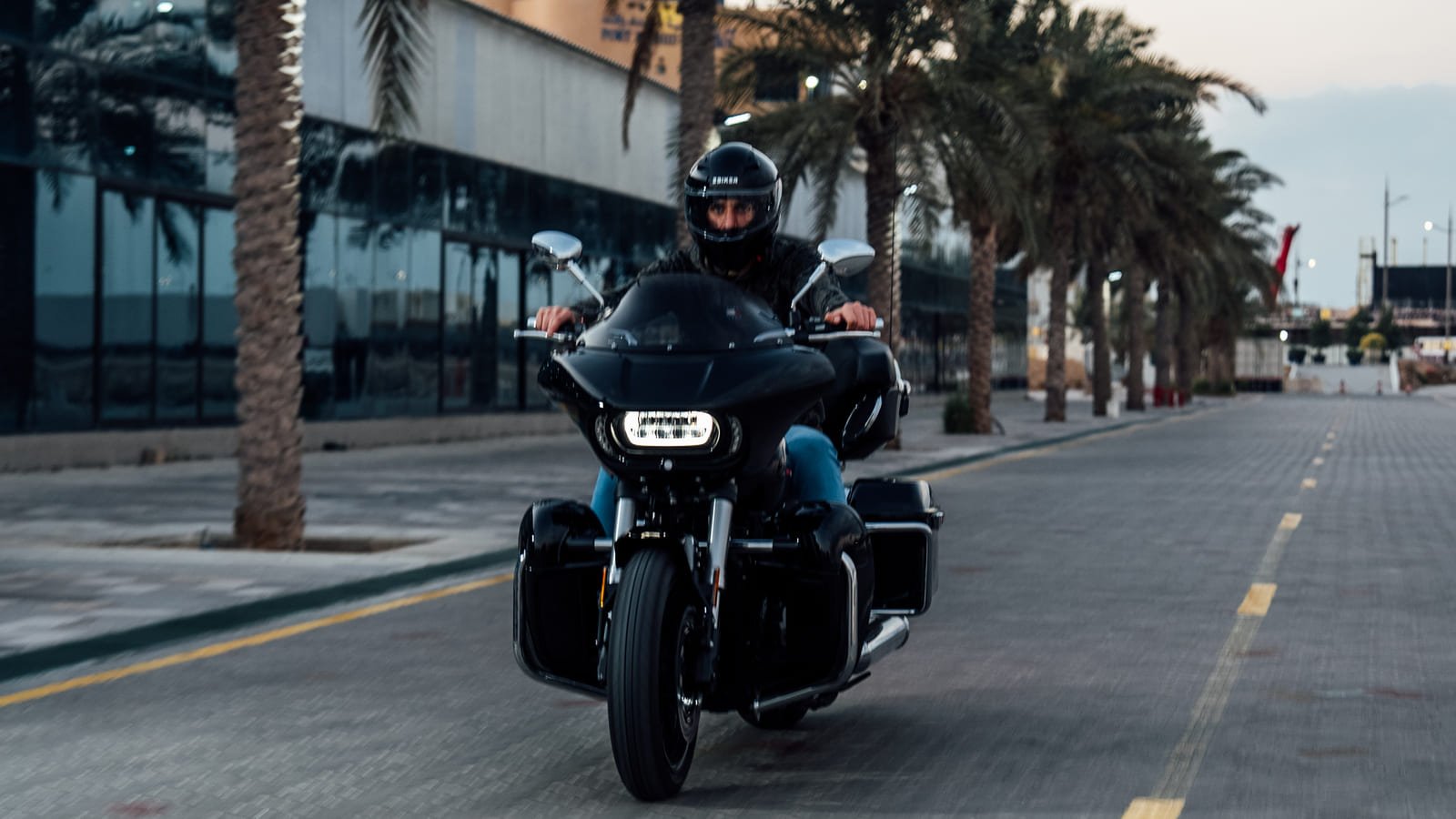
- Mid-level mods: This stage includes luggage racks and panniers, tall windshields, crash bars, auxiliary lights, or heated grips. Stickers and aerography also come at this level.
- Hard-core customization: Now things are getting real. The frame gets chopped, the tank reshaped, and the whole bike rebuilt from scratch. This is the stage where low-slung choppers or stripped-down bobbers are created.
A true customized motorbike vs a factory-made custom
Let’s differentiate the two. There are custom motorbikes that are built or modified manually from scratch in a special garage or workshop. They are assembled individually on request and are exclusively made for one person. However, vehicles for mass production can also be called custom if they are limited or have some distinct features. For example, some manufacturers include the word “custom” in the name of the model if it has been lightly modified at the buyer’s request, such as fitted with chrome details or special accessories. These options are more affordable compared to the hand-made pieces.
Popular custom styles
Among custom motorcycles for sale, you will most often see several common groups. The most recognizable categories are bobbers and choppers. Their overall look pays tribute to the classic motorcycles of the 1940s and 50s, often referred to as the old-school style. They are rebuilt from cruisers and differ from their prototype by the following features:
Bobbers – minimalistic and tough
- Shortened rear fender: often cut very short or removed completely.
- Rigid frame (hardtail): no rear suspension, the ride is tough, but the look is clean and minimalistic. Modern bobbers sometimes use softail frames that imitate the hardtail style.
- Minimal components: everything unnecessary is stripped away: no front fender, no extra gear or bulky headlights, and definitely no panniers or luggage racks.
- Simple powertrain: usually powered by old-school V-Twin engines, though other types can be used as long as they’re reliable and easy to maintain.
- Low stance: the trademark “drag-style” riding position with feet stretched forward or in a neutral setup and a high, wide handlebar.
Choppers – stretched and low stance
- Extended fork (rake): the most recognizable feature of a chopper. The front fork stretches far forward and increases the distance between the wheels.
- Ultra-low seat: thanks to the long fork and stretched frame, the bike practically hugs the asphalt.
- Forward-set foot controls: often replaced with full platforms for a laid-back riding position.
- High handlebars (“ape hangers”): sometimes reaching almost shoulder height — or higher — giving that unmistakable “hands-up” riding posture.
- Custom frame: frequently reworked or even hand-built to achieve the perfect geometry and stance.
- No front fender: choppers keep it clean and raw, emphasizing form over function.
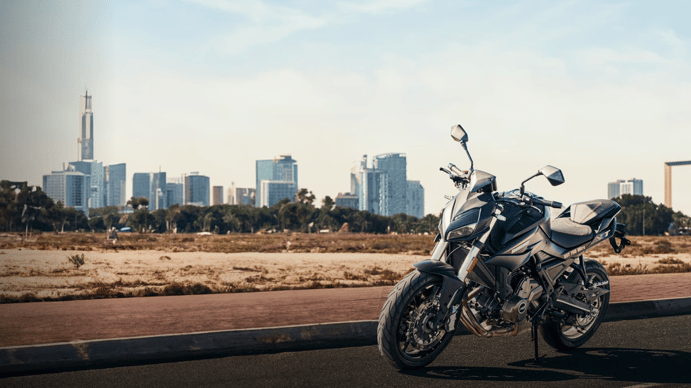
A great visual example of a modern custom bike that combines both bobber and chopper styles is the Sharmax Custom 1000 RST Roadster. On top of the elegant matt-black styling, iconic V-twin engine, and a titanium alloy exhaust pipe, it has all modern tech like ABS, Electronic Suspension Adjustment, and a TFT LCD display. Its signature feature is a fat tire of 360 mm at the rear which gives it a muscular look.
Customization techniques
We can divide the techniques into those that change the looks and aesthetic of the bike and those that modify its performance and function. Performing all these modifications in custom motorcycle shops requires a custom artist to have serious technical mastery and a strong artistic vision.
Adding your personal style to bike exterior
This aesthetic modification covers everything from bright painting, airbrushing, and vinyl wraps to stickers, accessories, and added parts. Swapping stock parts for chrome alternatives also belongs here. Sometimes clients come to the workshop with an idea that builders take to the next level. For example, a customer wants a headlight shaped like a human skull. The custom artist develops the concept further and makes 3D-printed skeletal shapes on the fuel tank and paints the entire body in matte black, thus creating a true statement bike.
Enhancing its power and performance
This type of work focuses mainly on the mechanical side of custom motorcycle art – engine tuning and exhaust systems. Custom builders often design and craft stainless-steel exhausts tuned for that perfect sound to make aggressive growl or a deep, steady rumble. They also install high-flow air filters and upgraded intake systems to boost performance. Customizers sometimes go even further, taking on complex technical modifications to individual components. For instance, they might construct a completely new fuel tank for a sportbike, tailored for both function and aesthetics.
Oman Custom Scene
The enthusiastic audience of Oman, many of whom are true lovers of vintage and exclusiveness, has eagerly embraced the trend of bike customization. Over the past few years, custom motorbike culture has grown rapidly across the Middle East region, giving rise to a number of specialized workshops and studios.
Riders can find a growing number of motorcycle custom shops in Oman, although most of them operate on a small scale. For factory made custom models in Muscat, riders can visit Fairtrade Auto Services or Sharmax Motors. For smaller workshops, check out local biker groups or classifieds where custom artists share their work.
Custom motorbikes for sale in Oman become accessible
No secret, customization is an expensive hobby, and someone who orders a custom bike treats it like a piece of art and is ready to pay a solid sum for something truly unique. Premium parts and materials, plus the work itself, may cost anywhere from USD 5,000 to USD 20,000.
However, market players have adjusted to the demand, and some manufacturers, and even some custom motorcycle shops, have rolled out ready-made motorbikes that still carry the custom nature in them. These models are definitely more affordable but still catch the eye with their sharp design and unmistakable character. What is more, they come with a manufacturer’s warranty, unlike customized models that lose it after modifications are done. Thus, Sharmax Motors offers the Custom 1100 RR Limited, a heavyweight tourer with a timeless classic exterior. The model is available exclusively by preorder.
Frequently asked questions
What is the average cost of a custom motorcycle?
The complexity of the work influences the price. If you want just minor upgrades like exhaust tuning or paint jobs, it may cost you around $1,000 -$2,000. Changing frames, rebuilding the model, adding complicated design is much more expensive and can go up to $50,000.
How long does it take to build a custom motorbike?
Again, this is a highly individual process, every project is different. Ordering or finding or even making the right parts may take months. Doing complex design, working through every detail requires focus and time. Get ready for at least six months of work in complicated cases.
Where is the best place to buy a custom motorbike?
If you are not ready to wait and pay a fortune, custom motorbikes for sale in Oman are here at your service. Many shops offer ready-made models and advertise them online. The best place is where flexible payment options and warranties are offered together with a wide choice and a personalized approach.
Do custom motorbikes require special maintenance?
To some extent, yes. The paint work and some parts may require special handling. You can't treat such a bike as a normal vehicle. The bad news is that when modified, a custom bike loses a warranty from the manufacturer. So, for future servicing, you will need to find a workshop experienced in custom motorcycle sales.
Final Tips for Beginners in the World of Customization
1. Start with the right base.
It’s much easier, and cheaper, to work with a bike that’s already close to your desired style. Choose a model that fits your goal and your body type. Sometimes a slim rider dreams of owning a massive cruiser, but the key is harmony — both in how the bike feels in the saddle and how it looks from the outside
2. Consider your budget and skills.
Building complex choppers or highly modified bikes requires professional tools, experience, and serious investment. Bobbers and scramblers, on the other hand, are often simpler and more forgiving projects for newcomers.
3. Look for inspiration, not copies.
Study the work of experienced builders and classic examples, but always add your own touch. Your bike should reflect your personality, not someone else’s idea.
4. Start small.
Don’t rush into creating an extreme chopper right away. Begin with small changes — every modification teaches you something new.
5. Function over form.
A chopper with a two-meter fork might look cool but will handle terribly, and a café racer with low clip-ons can destroy your back. Balance style with comfort and safety.