How to prepare your motorcycle for the riding season in the UAE
A practical return-to-riding checklist: inspect the parked bike, review its service history and use RR 661 Ultra and Power Max 320 tyre examples to identify the right setup.
17 Nov 2026
Start before turning the key
A motorcycle that starts after storage still needs the rest of its checks. Before your first trip, look at the tyres, brakes, controls, lights and visible condition of the bike, then compare its service record with the work that is due.
Whether your break lasted a few weeks or a long summer, work in that order: parked-bike inspection, any required maintenance, then a return to riding. Finding a problem while the motorcycle is parked gives you time to deal with it before a journey.
Work through the parked-bike check
Use the Motorcycle Safety Foundation’s T-CLOCS checklist to organise your inspection, alongside your motorcycle’s instructions.
Tyres and wheels
Look for damage, bulges, embedded objects and unusual wear. Check pressures when the tyres are cold, using the recommendation for your exact motorcycle, fitted tyres and load. Michelin’s pressure guide distinguishes road, off-road and track recommendations; they are not interchangeable settings.
Brakes and controls
Check the visible condition and normal movement of brakes and controls. Leaks, sticking controls, unexpected brake feel or damaged components need attention before riding.
Lights and electrics
Check the fitted lights, brake light, indicators and horn. Look for damaged wiring and loose fittings; starter operation does not check this equipment.
Fluids and the ground beneath the bike
Look for leaks on the bike and beneath it. Review the fluid-service history; use the model’s procedure for level checks and replacement work.
Drivetrain, chassis and stands
Look for damage or loose and missing parts on the fitted drivetrain, chassis and stand. Use the applicable instructions for adjustment, lubrication and fastener work.
Review the battery, stored fuel and service history
Identify the battery before choosing charging equipment
If starting is slow or the battery appears discharged, establish its condition and exact type. GS Yuasa’s battery-selection guidance explains why specification and technology matter. The battery currently fitted may also differ from the original equipment.
Match charging equipment to the battery and follow the battery, charger and motorcycle instructions. If those details are uncertain, have the battery identified and tested before choosing a charging procedure.
Check what happened during storage
Note how long the bike was parked, whether the fuel was prepared for storage and whether the battery was maintained. A fuel leak or strong fuel smell is a reason to leave the engine off and arrange an inspection. For fuel left unused, follow the procedure for your exact fuel system rather than improvising a draining or starting routine.
Check dates as well as distance
Review the last service date, mileage and operating hours where used. Establish which scheduled work is due before returning to regular riding. There is no single fluid-change interval that can be applied to every motorcycle just because it has been parked.
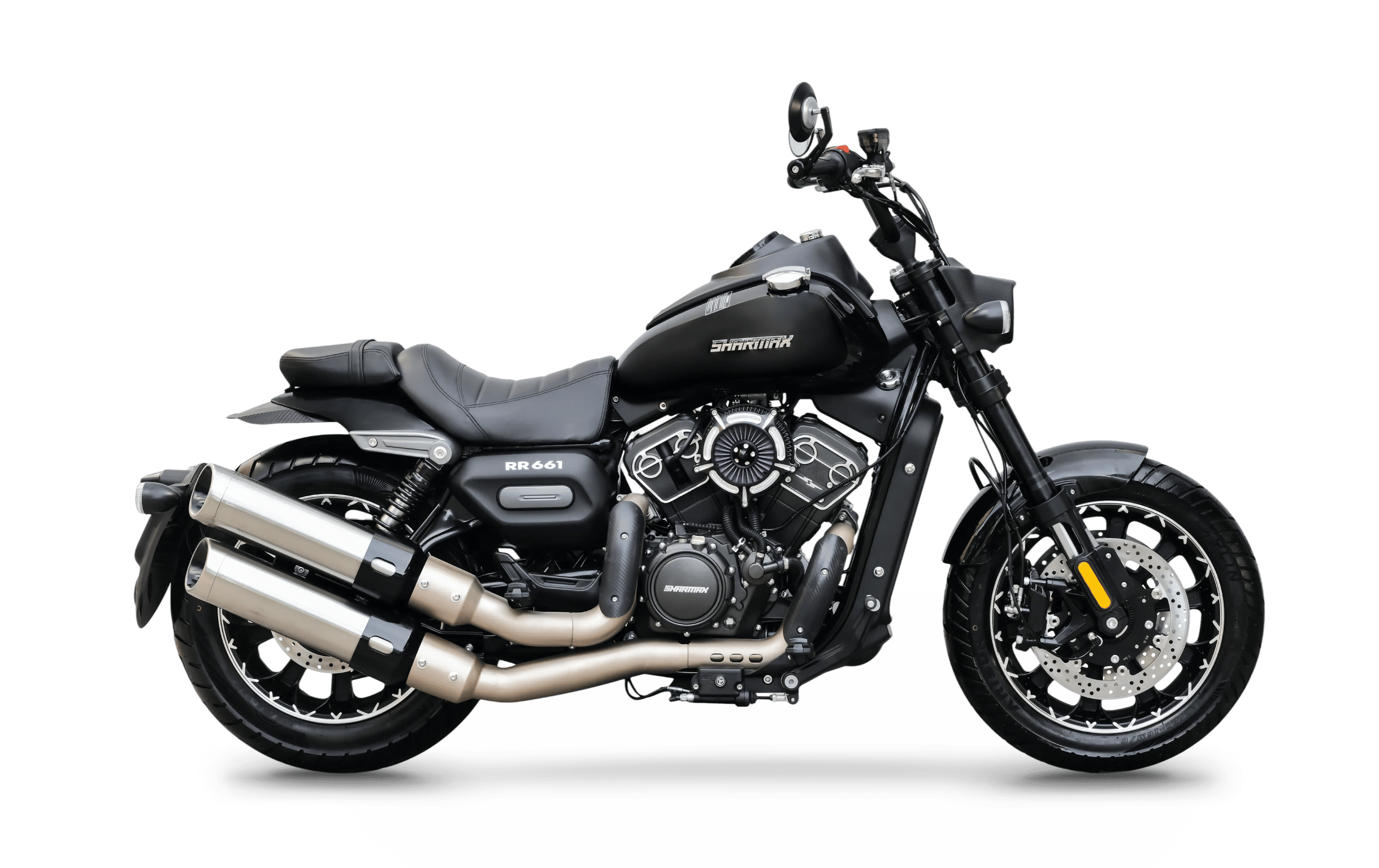
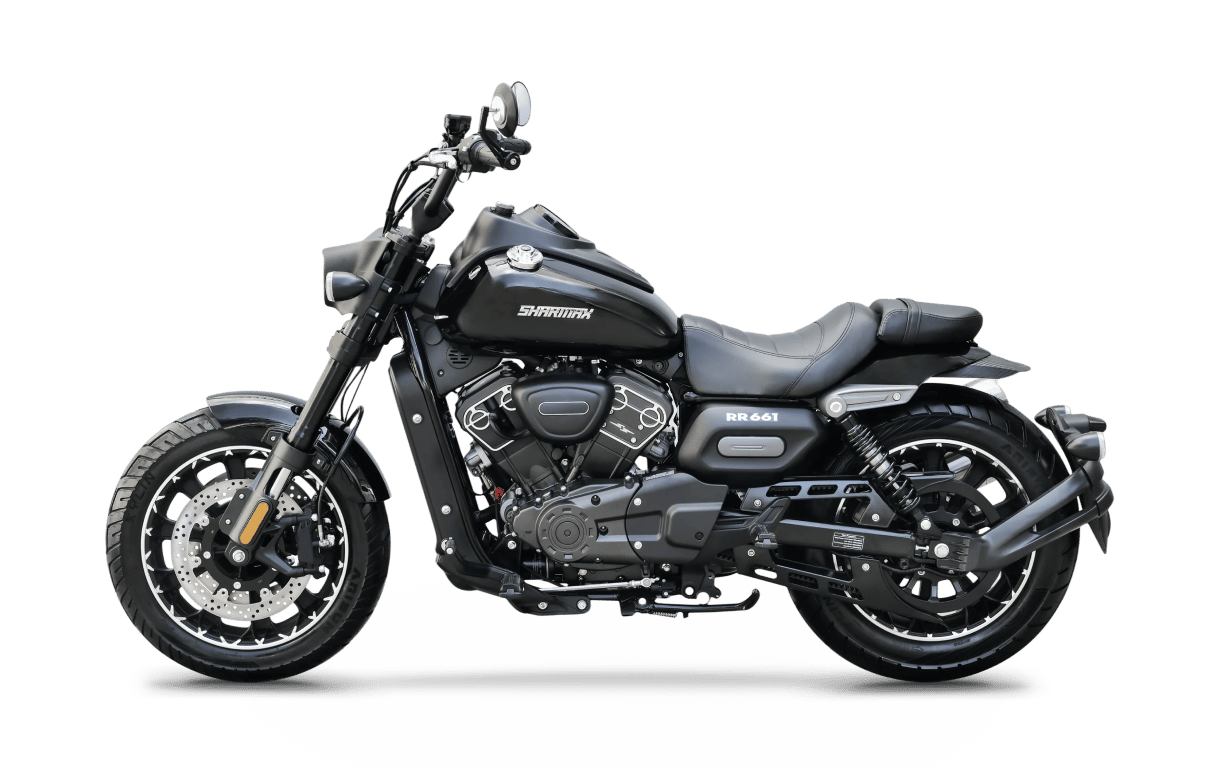
RR 661 Ultra: identify the road-bike tyre fitment
The current UAE card for the Sharmax RR 661 Ultra lists 16-inch wheels at both ends, with a 120/80-16 front tyre and 150/80-16 rear tyre. These figures help you identify the catalogue fitment when preparing the motorcycle.
Compare them with the tyres actually fitted to your bike and its documents. The front and rear specifications differ, and a size marking does not give you the correct inflation pressure. Record the complete markings before discussing a replacement or pressure recommendation.
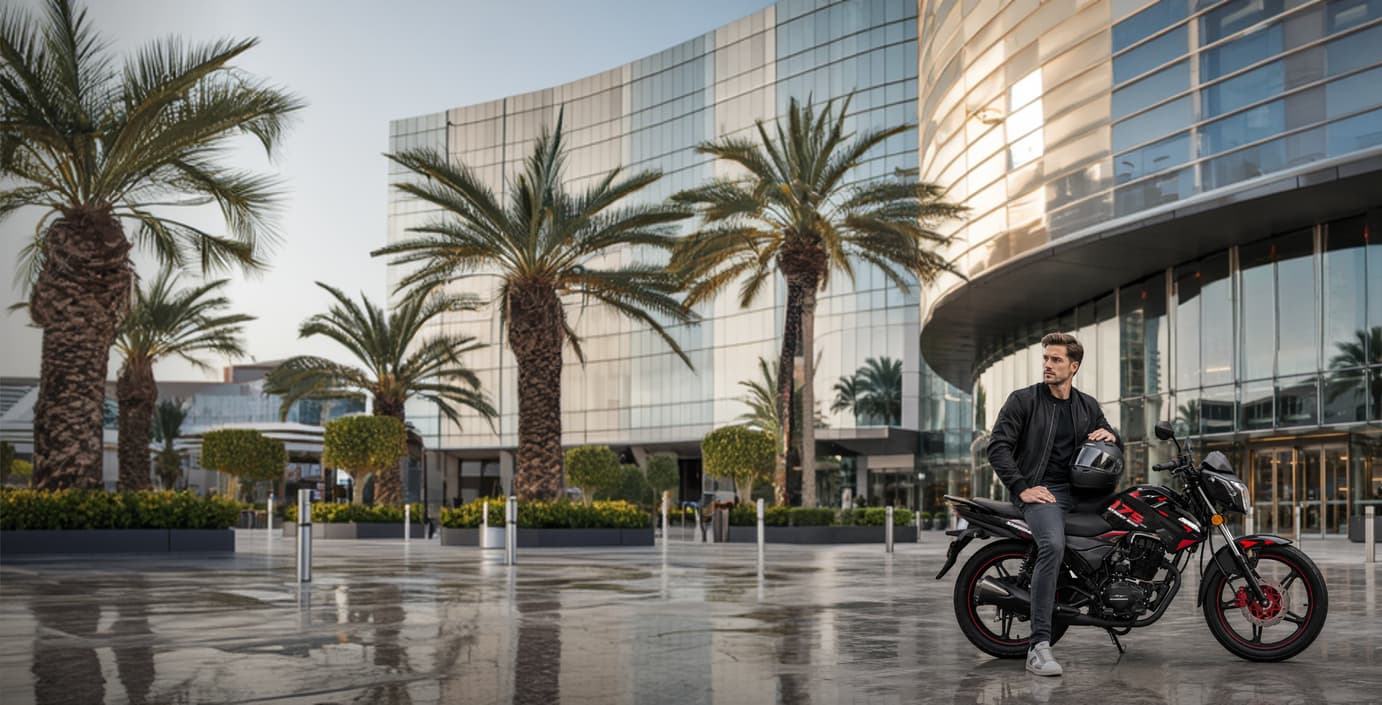
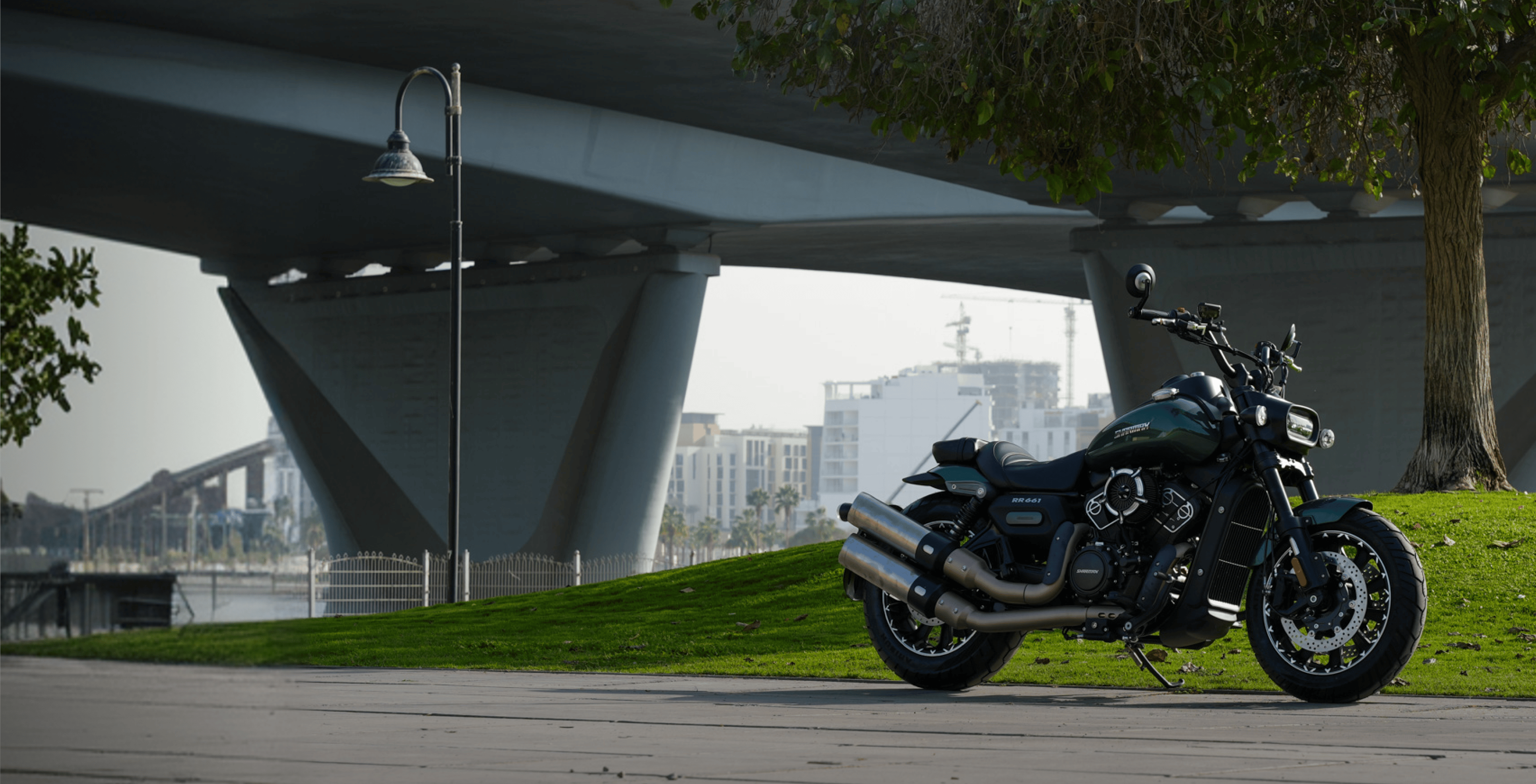
Pictured: RR 661 Ultra.
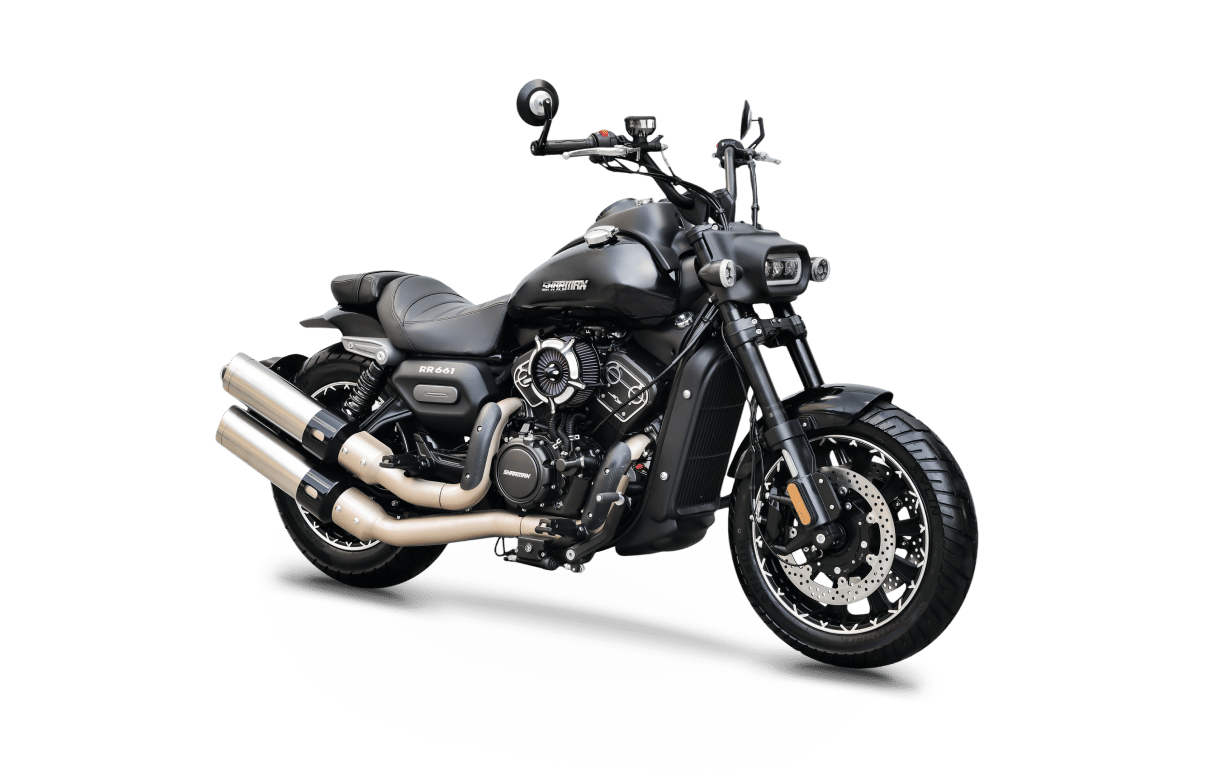
Front tire
120/80-16
Rear tire
150/80-16
Wheel size (inch)
16/16
Power Max 320: keep the off-road setup separate
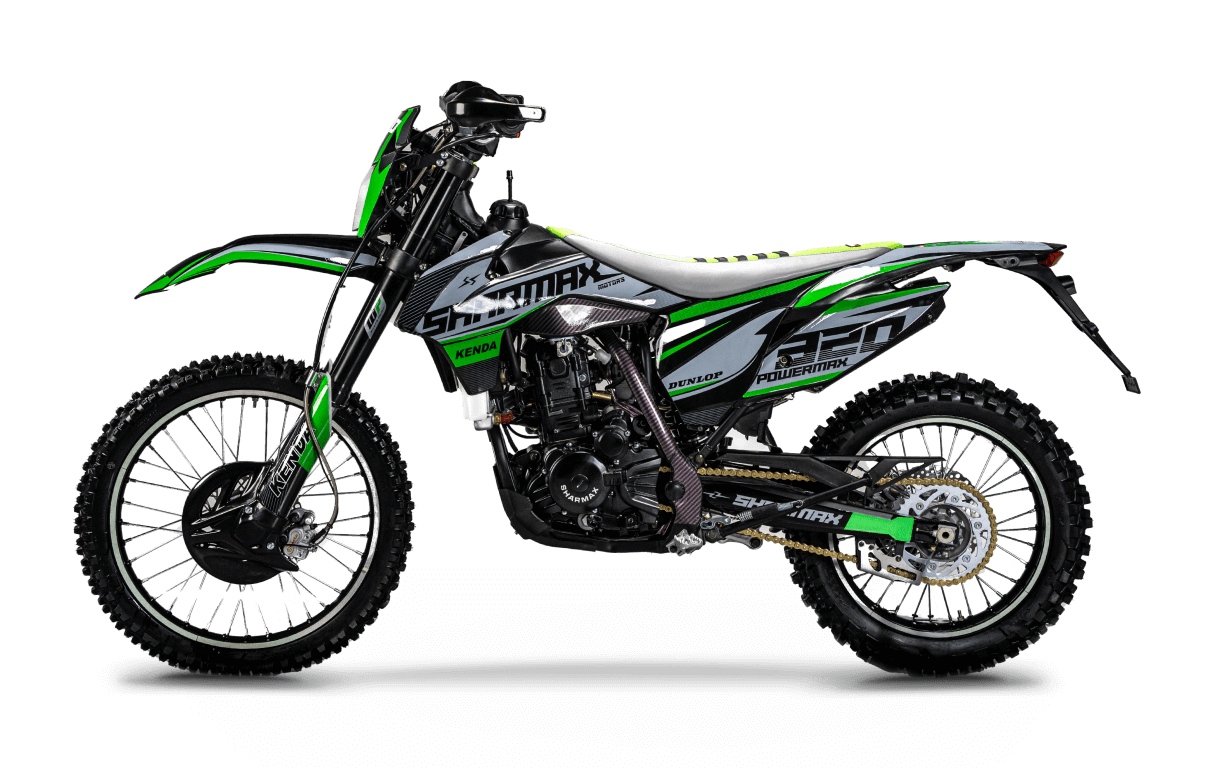
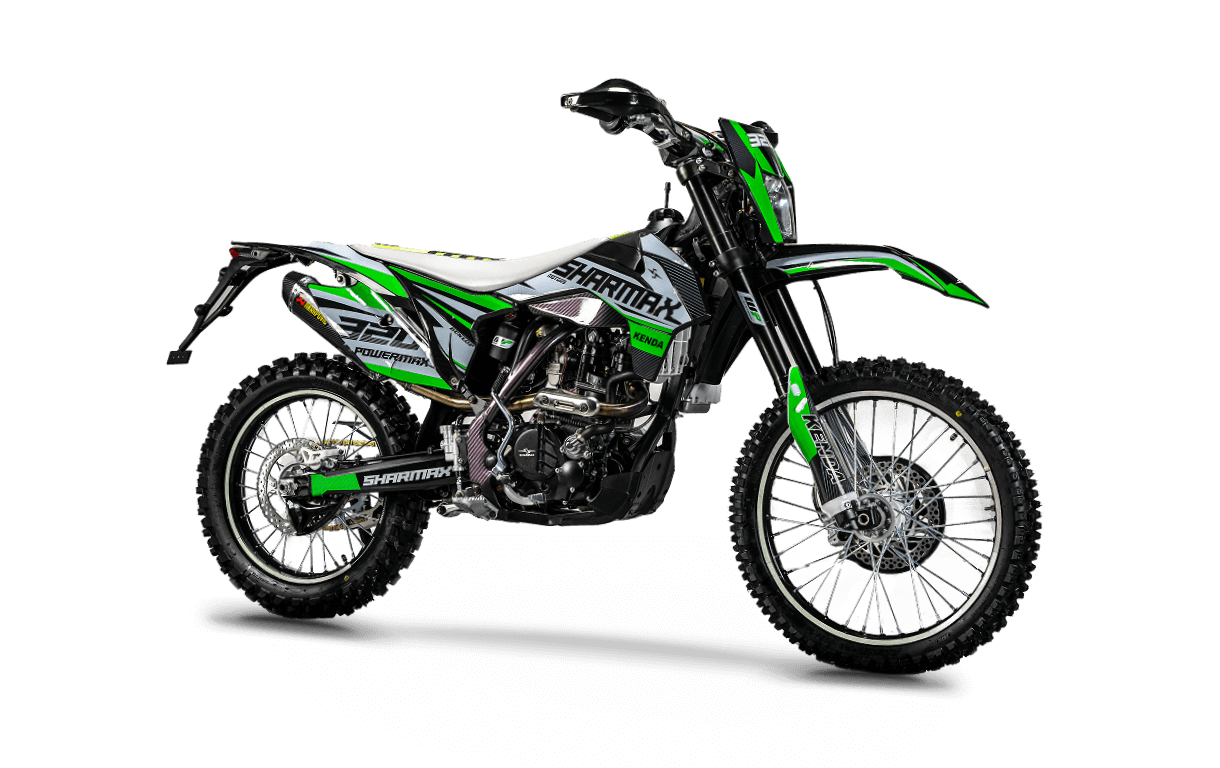
The Power Max 320 has a different catalogue arrangement: a 21-inch front wheel and 18-inch rear wheel, with 80/100-21 and 110/90-18 tyres on its current UAE card. A pressure or tyre choice copied from the RR 661 would not follow from those specifications.
If the enduro was put away after off-road riding, include the condition of its air filter, chain, suspension and protective parts in the return-to-use assessment. Follow the applicable maintenance instructions for the actual work. Bring the bike’s service record and details of its last use when arranging an inspection.
These tyre figures were checked on 17 November 2026. They describe the two UAE catalogue examples, not every motorcycle carrying a similar model name.
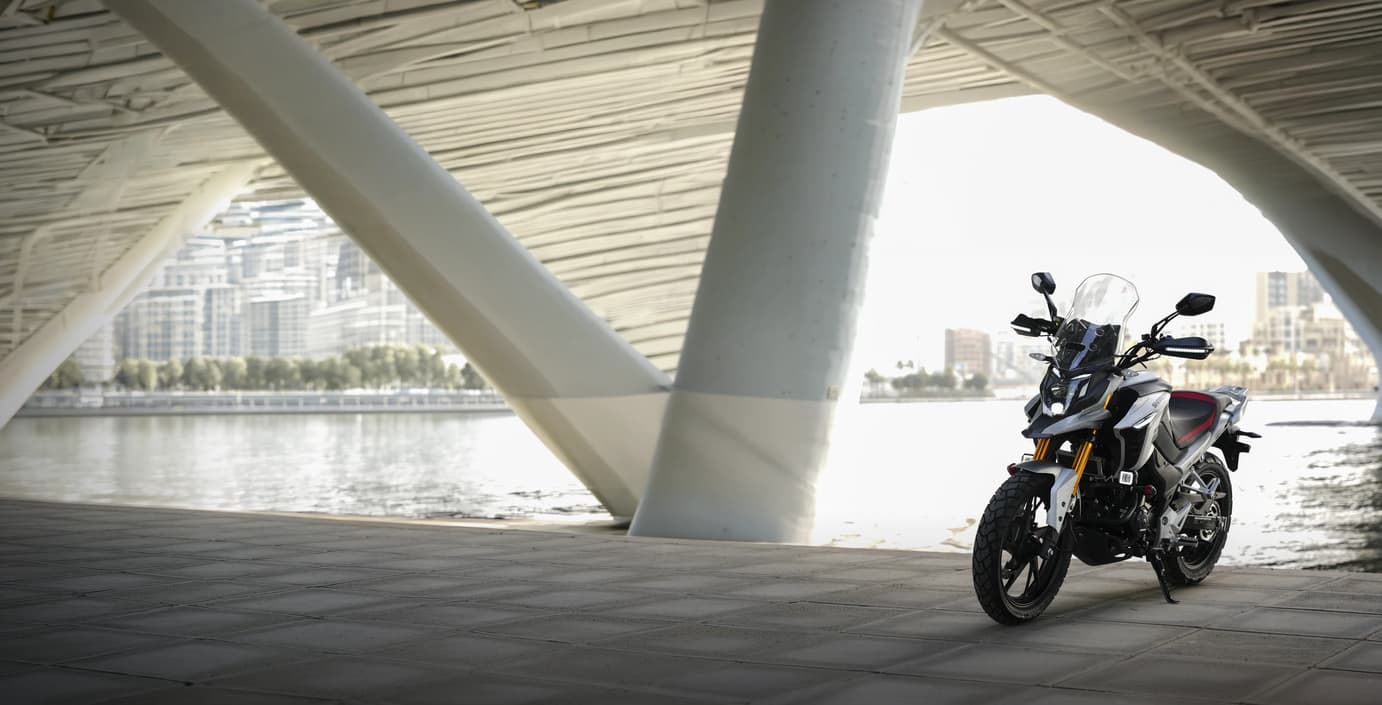
Pictured: Power Max 320.
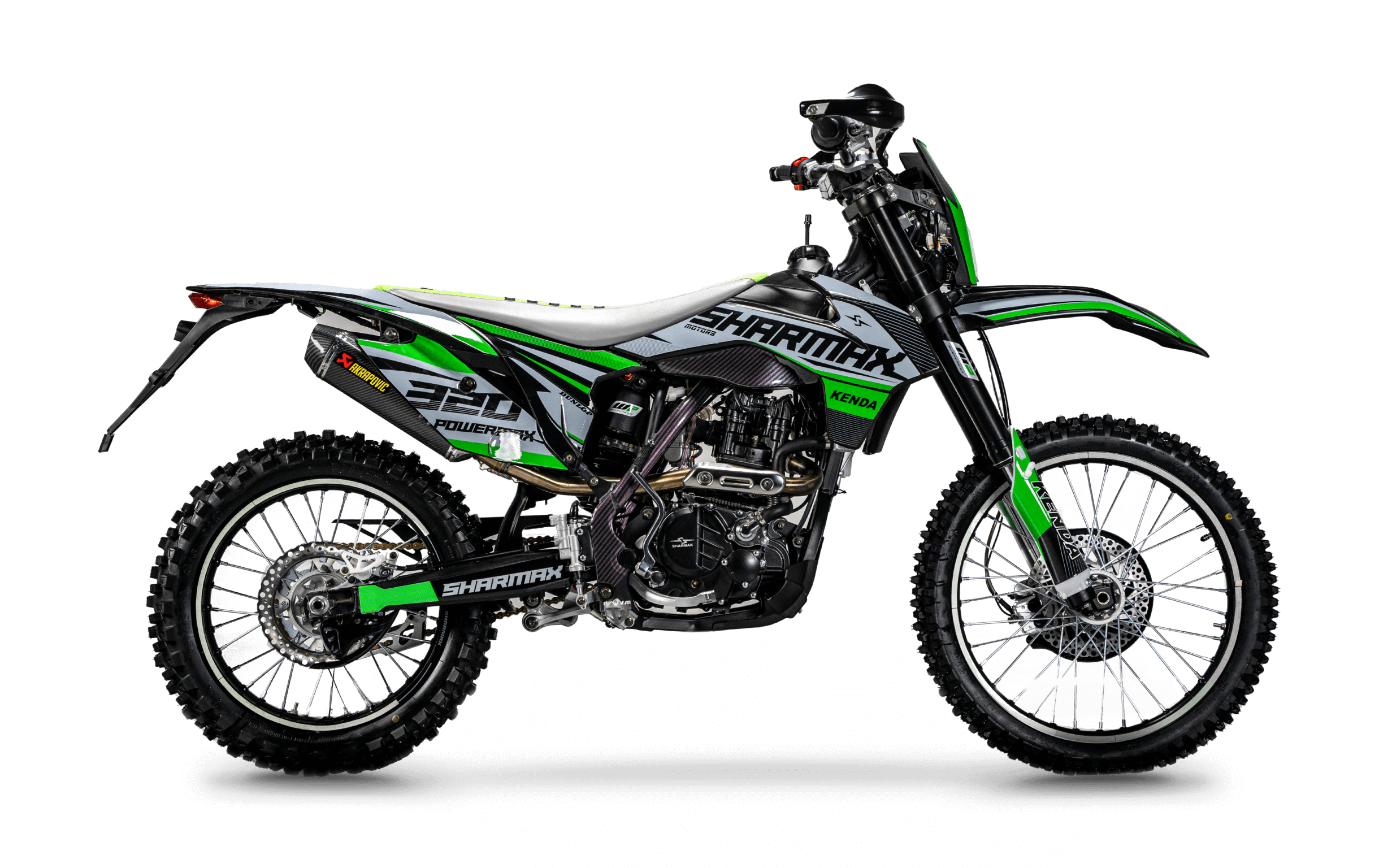
Front tire
80/100-21
Rear tire
110/90-18
Wheel size (inch)
21/18
Resolve problems before planning the first trip
Arrange an inspection before riding if you find a tyre defect, fluid leak, damaged part, abnormal brake feel or sticking control. If the service history is unclear, establish what maintenance is due before treating the motorcycle as ready for regular use.
Prepare a short service request: exact model and version, time in storage, mileage or hours, last recorded service and the symptoms you noticed. This gives the team a clearer starting point than asking for an unspecified seasonal service.
Use the Sharmax service-centre information and locations directory to discuss the work and arrangements available for your area. After the necessary checks and work are complete, begin with a familiar, manageable outing and reassess anything that feels different.