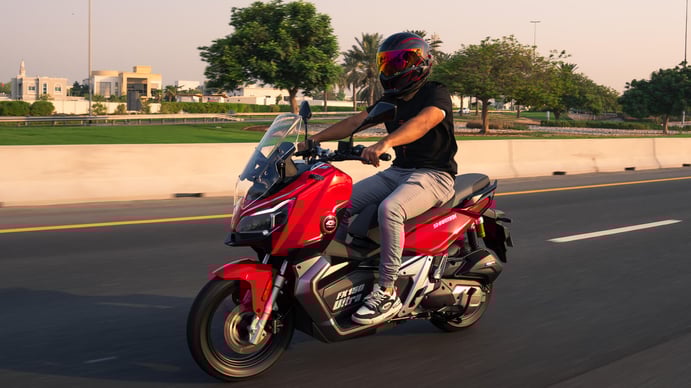
Motorcycle market in the UAE: key trends and insights to consider
The UAE is a vibrant business hub that is constantly evolving in all directions. The automotive industry is particularly lively in the region. Although its motorcycle market is not the biggest in the world, it is definitely one of the richest and fastest growing.
13 Feb 2026
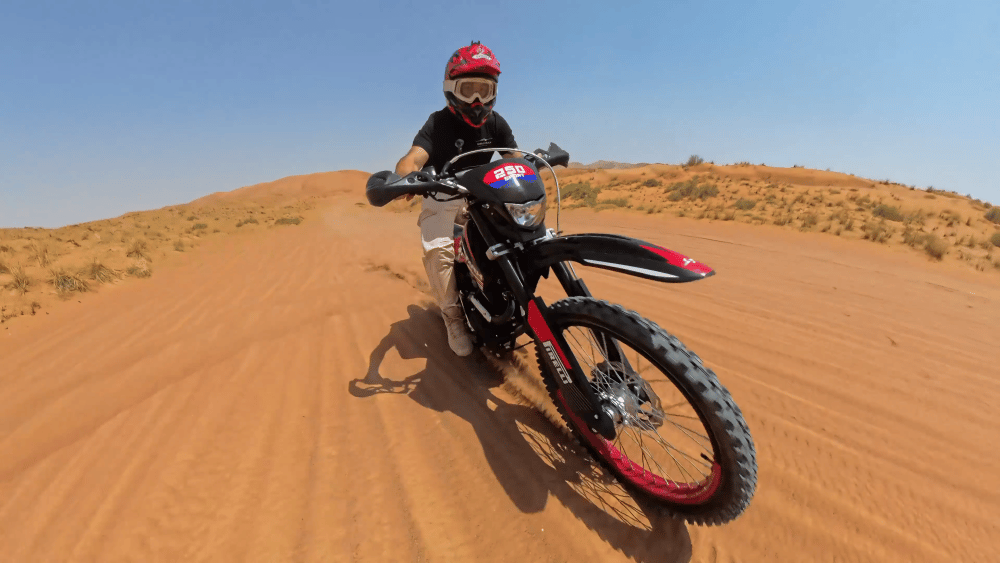
This market analysis can be useful for two major groups: riders who want to understand where the UAE scene is heading and investors or future dealers who are watching motorcycle market news and wondering if now is the time to enter.
Overview of the motorcycle market in the UAE in 2025-2026
The UAE motorcycle scene has some distinct features most of which present a field of opportunities for business and riders alike.
Why the UAE is a paradise for motorcycle lovers
Predominantly dry weather with no rain or snow makes UAE roads ideal for riding all year round. The unique blend of city infrastructures and the proximity of deserts and mountain trails make the adventure riding very appealing. Riders have quick access to the desert and mountains in under two hours from major cities. Yes, summer temperatures can touch 50°C, but the long cool season more than compensates and keeps the local motorcycle market focused heavily on leisure.
Developed road and transport infrastructure also helps. Highways are modern, petrol stations are frequent, and malls have structured parking where bikes can usually squeeze into good spots. Add in track days at Dubai Autodrome and Yas Marina, plus community meets and events, and it’s easy to see why many riders describe the country as a compact playground shaped by motorcycle market trends in the UAE rather than by pure necessity.
Major events like Middle East Car & Bike Week keep the calendar busy and constantly generate fresh motorcycle market news for enthusiasts to follow.
Popular motorcycle types and trends
If you walk through large showrooms or scroll UAE classifieds, a few segments clearly stand out.
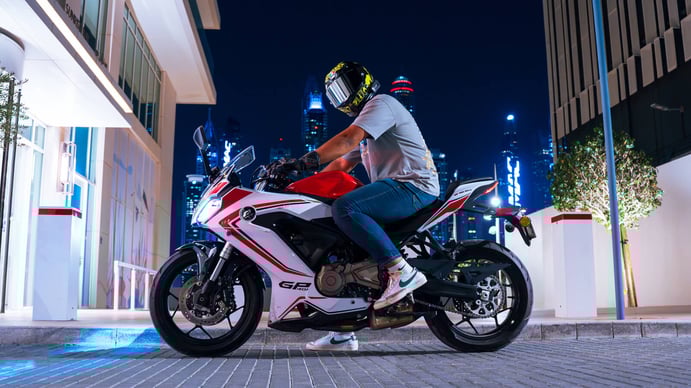
🔹Sport and supersport bikes are still the posters on many garage walls: 600–1000 cc machines inspired by MotoGP and WorldSBK. They look perfect in Dubai Marina parking, but between insurance, licence requirements and raw power, they are mostly a playground for experienced riders.
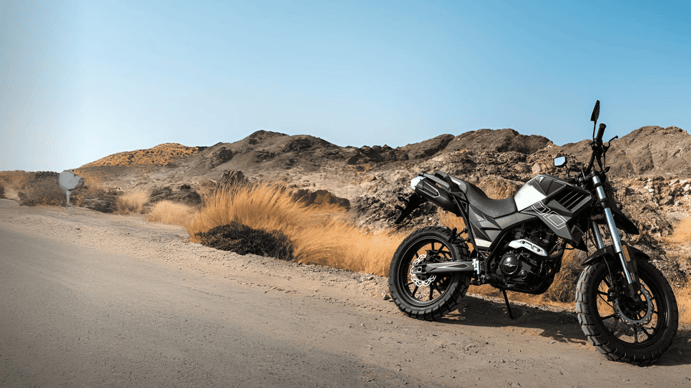
🔹The adventure motorcycle market is growing fast. Mid-size and big ADVs are ideal for weekend trips to Oman or Saudi, and for riders who want one bike that can commute during the week and tour on holidays.
🔹The off-road motorcycle market thrives around dunes and desert areas like Al Badayer, Sweihan, Liwa and inland trails; motocross and enduro bikes share the sand with ATVs and buggies in the same ecosystem.
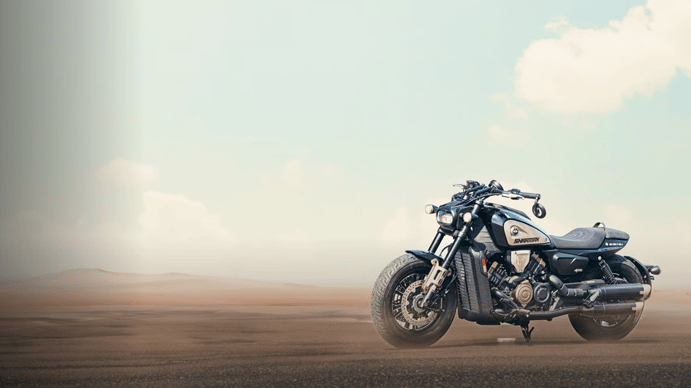
🔹At the very top, there is a small but visible segment of custom and luxury motorcycles – heavily customised cruisers, high-end Italian machines and bespoke builds. These bikes are less about commuting and more about lifestyle, design and collectors who are ready to pay supercar money for something unique on two wheels.
🔹On the opposite end of the spectrum, delivery bikes quietly keep the country moving. Thousands of 125–200 cc commuters do food and parcel runs every day in Dubai, Abu Dhabi and Sharjah. For them, reliability, low fuel consumption and easy servicing matter more than horsepower figures, and they form an important backbone of the local motorcycles market.
🔹Scooters and small commuters form another practical layer for riders who want simple city transport without the cost and parking drama of a car.
🔹The electric motorcycle market is still small but slowly growing: e-scooters and a few electric commuter bikes are appearing in fleets and projects focused on sustainability, especially in last-mile delivery and smart-city initiatives.
Best-selling brands and models in the UAE
Exact market share figures are usually hidden in paid reports, but showrooms and road sightings tell a clear story. Japanese brands such as Honda, Yamaha, Kawasaki and Suzuki still form the backbone of the on-road scene, from small commuters to litre-class superbikes.
European brands occupy the premium and enthusiast corners. Ducati sells high-end sport and adventure machines. BMW Motorrad is very visible in touring and adventure categories. KTM is strong both in off-road and sharp “ready to race” nakeds.
Alongside these giants, regional brands such as Sharmax Motors are gradually building a base with more affordable adventure, street and dirt models tailored to GCC conditions. They are particularly interesting to study in any motorcycle market analysis UAE because they compete on value rather than pure brand image.
Seasonal trends and peak buying periods
The UAE has a clear “riding season” and a “survival season” that differ from that in Europe or the US. Real-world riding, and therefore real buying, cluster between October and April when temperatures and humidity stay moderate.
Summer is quieter for new sales. Although it doesn’t kill the motorcycle market sales entirely, it changes the focus. When the thermometer sits at 45–50°C, fewer people decide to buy their first supersport. Yet it is prime time for servicing, custom work and upgrades: riders leave their bikes at workshops for big jobs while they escape the heat.
Promotions often follow the calendar and fall into the winter and spring season. New Year and Christmas deals, Dubai Shopping Festival, Ramadan offers present the most lucrative time for both sellers and buyers. For investors, this means a dealership must plan cash flow around the rhythm of the climate.
Market insights for motorcycle enthusiasts and investors
Recent motorcycle market analysis UAE reports for the period between 2020 and 2025 put the GCC two-wheeler segment at around USD ~700 million. The annual growth of the market is expected to hit 5–6% through 2030. The UAE is not the biggest market by volume, but it is one of the most valuable per bike sold thanks to a strong luxury segment and high purchasing power of market participants.
Growth opportunities for dealerships and brands
For investors, the UAE is a small but premium node in the wider GCC motor market. Riders here can often afford more than “bare minimum transport”, and they are willing to pay for brands and quality service.
Interesting gaps that can evolve into something bigger include:
- mid-capacity adventure and touring bikes for city trips and adventure outings into the wilde
- affordable yet reliable commuters for residents who don’t want a car
- women-friendly riding schools, gear and community spaces
- electric two-wheelers aimed at fleets and last-mile delivery
Because the country acts as a regional showcase, getting things right in the UAE can influence neighbouring markets too.
Emerging niches and innovations
Three areas are especially worth watching for anyone tracking motorcycle market news and innovation:
- Connected and smart bikes – with smartphone integration, GPS tracking, service reminders and even fleet management tools for rental or delivery companies.
- Experience-based services – guided tours to Oman, off-road training parks, track-day schools and corporate “experience days” are turning bikes into part of the entertainment industry, not just transport.
- Electrification and hybrid mobility – as infrastructure expands, the electric motorcycle market and e-scooters will become more attractive to both riders and businesses looking to cut running costs and emissions.
Forecast for the next 5 years in the UAE motorcycle market
Over the next five years, the region’s two-wheeler scene is expected to grow, not explode – but in a steady, healthy way.
Analysts estimate the Middle East & Africa motorcycle market was at around USD 5.5 billion in 2024, with projections of roughly USD 9.4 billion by 2033, which implies something close to 6–7% annual growth across the region. The UAE is one of the higher-value contributors within that pie thanks to its income levels and strong leisure segment.
A reasonable, data-driven outlook for the UAE motorcycle market over the next five years looks like this:
Growth pace: Expect something in the 5–7% CAGR range in value, broadly in line with wider Middle East & Africa motorcycle trends.
Segment winners:
- Adventure and touring models should grow fastest, driven by cross-border trips (Oman/Saudi) and riders “trading up” from pure sportbikes.
- The off-road motorcycle market around Dubai/Abu Dhabi desert areas should stay strong, tied to tourism and weekend leisure.
- The electric motorcycle market will likely remain small in absolute numbers but post double-digit growth from a low base, helped by broader EV policies and things like Dubai’s battery-swapping and green-mobility initiatives.
Risk factors: Macroeconomic slowdowns in MENA (IMF currently sees regional growth easing to around 2.6–3% in the mid-2020s) could soften premium sales, but the UAE’s diversification and tourism strategy still support leisure spending.
Investment tips for entering the UAE motor market
New players should think carefully about which role they want to play instead of trying to “do everything at once”. Some may aim to be exclusive representatives of a single brand; others may open multi-brand showrooms, specialise in off-road, or focus on used-only sales, service and accessories.
A few practical guidelines help reduce risk:
- Location is a strategy. Lifestyle-oriented showrooms work near popular café areas or waterfronts, while heavy service centres and storage facilities fit better in industrial zones with easier truck access.
- Service quality is critical. Riders in the UAE often keep bikes for several seasons and are willing to pay for proper maintenance. A strong workshop can stabilize revenue when new unit sales fluctuate.
- Build a strong digital presence: an online-first motor market approach with configuration tools, finance calculators and service booking works well in the UAE’s highly connected environment.
- Mid-capacity segments (roughly 250–700 cc) are often a safer starting point than ultra-premium superbikes: they match local incomes, license levels and real-world riding needs.
Sharmax Motors: A growing name in the UAE motorcycle market
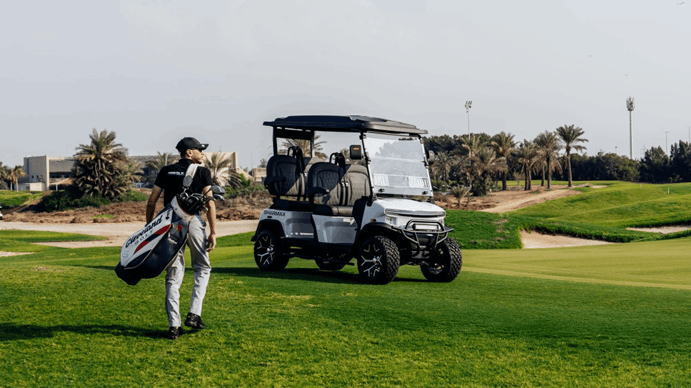
Within the UAE motorcycle market, Sharmax occupies the “serious but accessible” zone. The brand focuses on adventure vehicles of all kinds: on-road and off-road machines, ATVs, buggies and golf carts. The company has operating branches in Dubai, Abu Dhabi and Sharjah along with new showrooms opening gradually in other GCC countries such as Oman, Qatar, and Saudi Arabia.
Sharmax Motors focuses on value-for-money vehicles designed with GCC conditions in mind. Long-travel suspensions, practical fuel ranges and cooling systems ready for desert heat make their adventure and enduro bikes suitable for real local use. Their competitive edge lies in extended warranty of up to three years, a versatile product portfolio in an affordable price range, and industry-proven quality with components from leading manufacturers. Swift delivery across the GCC region makes their products even more accessible.
What is more, participation in big industry events like Middle East Car & Bike Week, ADNEC shows and regional rallies helps keep the name visible and positions Sharmax as part of the established local scene, not just another anonymous import.
For investors, Sharmax can be:
- an alternative to very high-priced global brands for first-time buyers,
- a partner for rental fleets and tour operators who need robust, easy-to-maintain machines, and
- a base for corporate and government projects that require fleets of off-road or utility vehicles.
As the global motorcycle market shifts toward diversified, experience-oriented offerings instead of just single flagship models, this kind of flexible product range is increasingly attractive.
Frequently asked questions
How does the global motorcycle market impact local trends?
The global market vector definitely shapes the local scene but to a limited extent. When Japanese or European brands launch new models, they usually reach UAE showrooms within a few months. If shipping gets more expensive or currencies move, you feel it here as higher prices or longer waiting times.
What role do electric motorcycles play in the future of the UAE market?
For now, electric bikes and scooters are still a niche: you mostly see them in delivery fleets or with a few tech-loving early adopters. But as charging stations multiply and EV projects grow, electric two-wheelers will slowly move from “interesting experiment” to a normal option for city use and last-mile deliveries. For anyone watching the motos market, it’s a small segment today, but an important one to keep an eye on.
What factors influence motorcycle demand in the UAE?
A bit of everything: low fuel prices compared to many countries, strong incomes, all-year-round tourist flows, growing number of expats, and how safe and convenient people feel. On top of that, riding culture matters a lot, and in the UAE, it is vibrant and diverse.
Which brands and models are growing fastest in the UAE?
Even without exact percentages, the direction is clear. Mid-capacity adventure and naked bikes from Japanese and European brands are getting more popular year by year: they’re easier to live with than 1000 cc superbikes, but still exciting. At the same time, regional and Chinese manufacturers are winning slices of the commuter and off-road segments by offering simpler, more affordable machines. For anyone following motorcycle market news or thinking about a new dealership, these two movements are the ones to watch.
Final thoughts: is investing in motorcycles in the UAE worthwhile?
The UAE will never match Asia’s huge volumes, but that’s not the point. This is a lifestyle-driven, premium-leaning corner of the global motorcycle market where value per unit is high and customers care about experience as much as about horsepower.
For riders, that means more choice, better events, and steadily improving products – from off-road toys to long-legged tourers. For investors and future dealers who understand the climate, culture and seasonality, the UAE offers a focused, growing niche rather than a quick speculative bet.
Put simply: if you combine realistic expectations, solid motorcycle market trends in the UAE research, and a long-term view of service and community-building, the local bike scene can reward both your balance sheet and your inner enthusiast.