Charging time of an electric motorcycle for a trip in the UAE
Learn how long it takes to charge an electric motorcycle in the UAE, key factors affecting charging time, and tips to charge faster in hot climates.
24 Apr 2026
How long does it take to charge an electric motorcycle for riding in the UAE
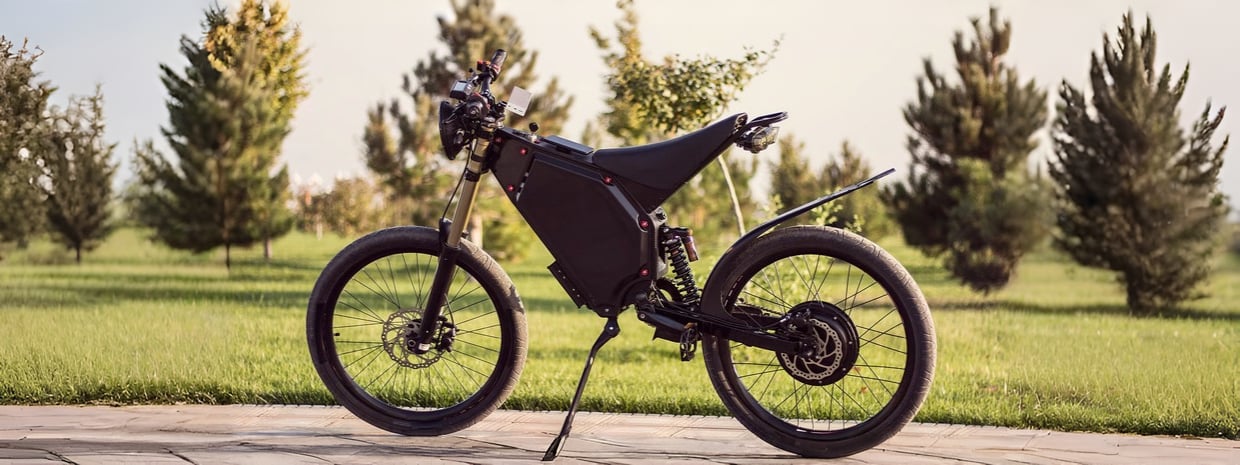
When riders consider transitioning to EV bikes, they often forget that with quiet and fumeless operation comes some downtime needed to recharge the bike. Unlike old-school petrol motorcycles that refuel in a few minutes, these modern two-wheelers need a “plug-in” break of at least one hour, which can be a turn-off for some riders. But is the electric motorcycle charging time such a dealbreaker? Let’s look into details together.
Understanding battery charging levels
To make sense of electric motorcycle charging time, it helps to understand the three charging “levels” you will hear about. They are basically just different power speeds, and your bike will only charge as fast as it is built to accept.
- Level 1 (slow AC): a regular wall socket, usually around 1.4–2.3 kW. For many adult electric motorcycles, this often means overnight charging.
- Level 2 (faster AC): a dedicated wallbox at home or a public AC post. These can offer 3.3–22 kW, but the bike sets the limit, and many models accept around 3.3–7.2 kW.
- DC fast charging (Level 3): car-style fast chargers, often 20–150+ kW. It is fast only if the motorcycle supports DC charging, and many electric motorcycles are still AC-only, so they cannot use DC fast charging at full speed.
What else affects electric motorcycle charging time
Small changes in hardware and conditions can add hours of recharging. In the UAE, electric motorcycle charging time can range from about 60 minutes (20–80% on Level 2 AC) up to about 8 hours (0–100% on Level 1 / wall socket), depending on the bike and the setup.
Battery capacity and size
Battery capacity is usually measured in kWh, and it directly affects the plug-in time. As a rough map: a 5 kWh pack is often ready within the same evening, while 10–17 kWh is usually an “overnight” case unless you have stronger charging support. A good way to think about motorcycle battery charging time is “bigger battery = more hours”, unless the charger is also bigger.
Charger type and power output
Most bikes are limited by their onboard charger, not by the wall socket. In simple terms, even if your home wallbox can deliver 7 kW, a motorcycle that only accepts 3.3 kW will still charge at 3.3 kW. That is why two bikes plugged into the same outlet can have very different electric motorcycle charging time.
State of charge
Charging time depends a lot on how empty the battery is. If the battery is close to 0%, the bike can usually charge at a stronger pace at the start, then slow down as it approaches full. That is why many brands show both “top-up” time and full charge time.
Temperature and climate conditions
Heat can slow charging because the battery management system may reduce power to protect cells. In UAE summer, that “protective slowdown” is more likely if the bike is parked in direct sun and you plug in immediately after riding. Charging later in the evening or in shade often helps the system stay closer to its best speed.
Battery age and condition
As batteries age, they can charge a little slower, and the usable capacity can change. If your motorcycle battery takes a long time to charge, it is often a mix of heat, an older pack, or a limited onboard charger. It can also be a sign the bike is throttling charge speed due to temperature or health checks.
Charging options available in the UAE
UAE charging is generally good for EVs, but motorcycles vary a lot in what they can actually use. Many electric motorcycles are AC-only, so they can’t take advantage of the fastest DC stations. Your real-world experience depends on what your bike supports.
Home charging setups
Home charging is the most predictable option, usually using a normal socket or an AC wallbox. Many bikes will happily charge from standard household power, but the speed is still capped by the bike’s onboard charger. If you ride daily, “plug in at night, ride in the morning” is the easiest routine.
Public charging stations
Dubai’s DEWA EV Green Charger network includes multiple charger types: 22 kW AC wall-box, 2×22 kW AC public chargers, 43 kW AC / 50 kW DC fast chargers, and 150 kW DC ultrafast chargers. Your motorcycle will only benefit from these if it supports the connector type and the charging mode (AC vs DC).
Workplace and private chargers
Workplace charging is underrated in the UAE because it fits the climate. A shaded parking spot plus a few hours on AC can cover most city riding needs. This is especially convenient for riders who cannot install home charging in an apartment building.
Availability of fast charging infrastructure
When people ask about fast charging standards for electric motorcycles in the UAE, it helps to look at the real infrastructure first. Dubai has a well-developed public charging network, but it is still not “on every corner.” DEWA’s EV Green Charger network had grown to more than 1,860 charging points across Dubai by the end of 2025. And charging is no longer free: from January 2025, public tariffs are typically around AED 0.70/kWh for AC.
How long does it take to charge different types of EV motorbikes
Charging time depends heavily on whether the bike is a light commuter, a full-size road machine, or an off-road toy you top up between rides. The numbers below are “typical ranges,” with real model examples where specs are published. Use them to estimate before you fall in love with the design.
Entry-level electric motorcycles
Smaller, budget-friendly models often have 3–6 kWh batteries. On a normal plug, charging is commonly around 4 hours, but it can reach 8–9 hours on bikes with slower chargers.
Mid-range commuter models
This class often targets “daily usability,” so AC Level 2 charging becomes more relevant. A mid-range commuter with a roughly 7–12 kWh battery can often recharge in 2–6 hours on a decent AC setup, depending on onboard charger limits.
High-performance electric bikes
High-performance bikes often carry larger packs (commonly 14–20+ kWh) and can still be “overnight” on basic charging. The key is whether they accept higher Level 2 power or have optional fast charging modules.
Electric dirt bikes and off-road models
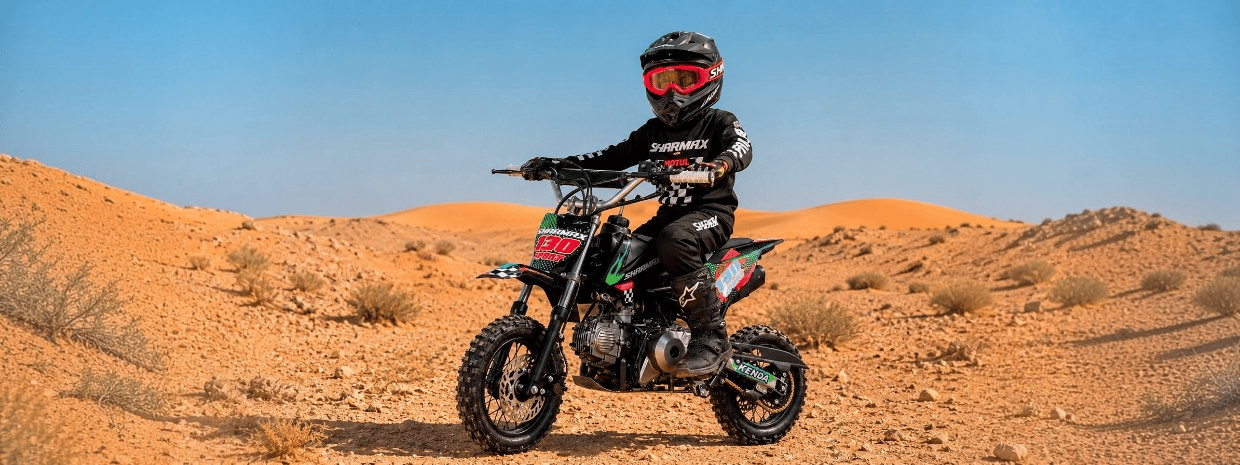
Off-road electrics usually have smaller batteries and shorter charge times, because they are built for sessions, not highway range. For example, the Sharmax X5 Pro Electro features a fast 10A charger that brings the full charging time to 1.5 hours (for 20–80% charge) or 3 hours (for 100% charge).
Real-world charging time in the UAE conditions
In UAE summer, heat can change the pace. If the battery is already hot from riding or sitting in the sun, the bike may slow charging to protect the cells, which means longer electric motorcycle charging time than the brochure suggests. The easiest fix is timing: charge in the evening, park in shade, and avoid plugging in straight after a hard ride if you want the fastest, most consistent charging.
How to charge your EV motorcycle faster
Using higher-capacity chargers
A higher-capacity charger simply means more kW going into the battery, so the hours drop. For example, if your bike can accept 3.3 kW, a 10 kWh battery typically needs about 3–4 hours from low to near-full. If your bike can accept 7.2 kW, the same 10 kWh battery can drop closer to 1.5–2 hours in ideal conditions. The key detail is that the bike’s onboard charger sets the limit, so buying a stronger wallbox only helps if your motorcycle can actually use it.
Optimizing charging habits
Charge when the bike is cooler if possible, especially in summer. Many riders aim for 70–90% for daily use because it avoids the slow final stretch near 100%. If you want a quick estimate, use a motorcycle battery charge time calculator rule: time (hours) ≈ battery kWh ÷ charge kW, then add extra for losses and the slow final phase.
Avoiding full discharge cycles
Do not treat your battery like a petrol tank you “empty” on purpose. Regularly running to 0% can increase stress and can trigger more conservative charging behavior in hot conditions. Top-ups are normal, and for city riding they are usually smarter.
Maintaining battery health
If you are new to EV bikes, the “how to charge a motorcycle battery for the first time” tip is simple: use the manufacturer charger, plug into a stable outlet, and let it complete calmly without constant unplugging. Charging a motorcycle battery for the first time is also a good moment to check heat management: if the charger or plug gets unusually hot, stop and investigate.
Frequently asked questions
What is the average charging time for e-motorcycles?
A common daily-life average is 4–8 hours on a normal socket and 2–6 hours on Level 2 AC, depending on battery size and onboard charger.
Is fast charging safe for the battery?
Occasional fast charging is generally fine if the bike is designed for it, but heat is the limiting factor in the Gulf. Many systems slow down automatically to protect the pack, especially at higher state of charge. If you ride hard in summer, let the bike cool a bit before you plug into higher power.
Can I charge an electric motorcycle overnight?
Yes, and many riders do exactly that because it is the simplest routine. Overnight charging is also gentler if your bike is AC-only and you are using moderate power. Just use a stable outlet and avoid sketchy adapters.
How often should I charge my e-motorcycle?
Charge based on routine, not on fear. If you commute, topping up daily is normal and keeps your schedule predictable. If you ride occasionally, plug in after rides so you start the next session ready.
Final thoughts: is charging time a dealbreaker?
Charging time is only a dealbreaker if it doesn’t fit your life. If you have easy home parking and a predictable routine, most bikes feel simple to live with. If you rely on public charging and your bike is AC-only, check that reality before you buy—because the electric motorcycle charging time you can actually achieve depends on access as much as technology.