How to extend the life of your motorcycle engine in Qatar
Learn how to extend motorcycle engine life in Qatar. Discover maintenance tips, oil care, servicing habits, and long-term reliability practices.
18 Sep 2026
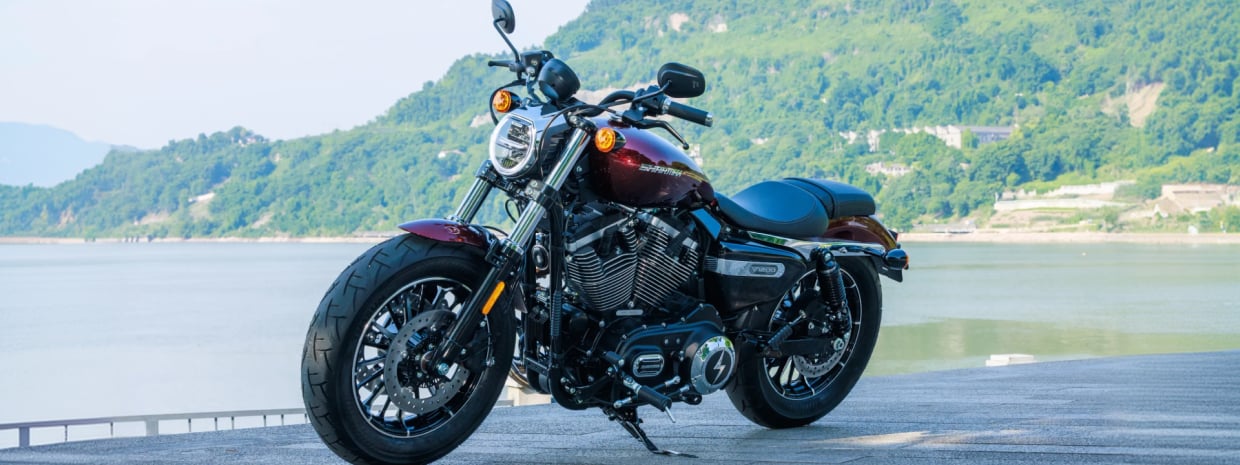
Motorcycle engine life mostly comes down to how the bike gets treated day to day. Even a genuinely well-built engine — the kind you'll find on plenty of popular motorcycles for sale — wears out faster on degraded oil or low-quality fuel. A consistent motorcycle engine care routine catches most of the problems before they turn into real repair bills.
Getting this right early pays off twice over: fewer surprise repairs while you own the bike, and an easier sale down the line when it's time to move on. What follows are the main factors that actually drive motorcycle engine life and the habits that help a bike’s heart hold up longer.
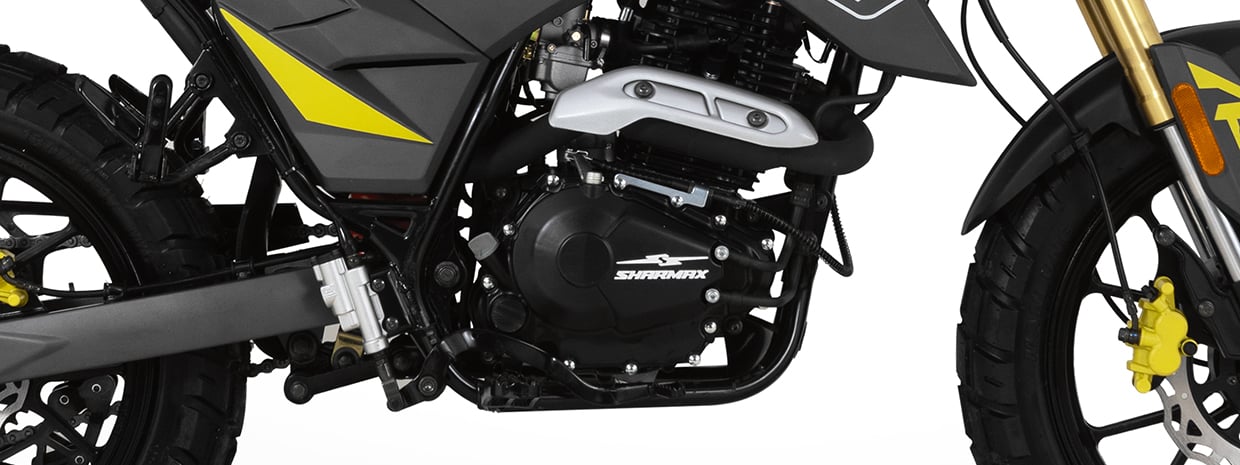
What is motorcycle engine life and how is it measured?
Mechanics usually talk about engine life in mileage, but motor hours matter just as much, sometimes more. They tell you how long the engine has actually been working under load, which mileage alone can't. For example, 50,000 km of steady highway riding and 50,000 km of stop-and-go city traffic put very different amounts of stress on an engine, even though the odometer reads the same.
You won't find an exact number from any manufacturer — nobody publishes a real motorcycle engine life expectancy. What riders and mechanics actually go by is rougher, built from real-world experience across different types of bikes:
Sport bikes tend to land around 80,000–120,000 km under hard riding, though that number climbs a lot if the engine's cared for and not constantly redlined
Touring bikes and cruisers often push 150,000–300,000 km — these engines spend most of their life at steady, moderate loads, which is easier on internal wear than constant acceleration and braking
Enduro and adventure bikes sit somewhere around 100,000–200,000 km, but that range shrinks fast for anything ridden hard off-road; those bikes need closer, more frequent inspection
Entry-level motorcycles are more realistically 30,000–70,000 km, though build quality varies enough between models that this one swings the most
None of these numbers are guaranteed. A neglected motor can fail well short of its expected range, and a well-maintained one can blow right past it.
Factors affecting motorcycle engine life
Even a reliable power unit can wear out quickly if it is treated poorly. These are some of the main factors affecting motorcycle engine life:
Overheating
Motorcycle engines, especially air-cooled ones, are sensitive to excessive heat. Running above roughly 120°C for even a short period can contribute to piston deformation or cylinder scoring.
Using poor-quality or unsuitable oil
Oil with the wrong viscosity can reduce protection inside the engine. For example, using 10W-30 where the manufacturer specifies 15W-50 may not provide the correct lubrication under load or at high temperature.
Counterfeit or degraded oil is another risk. It can increase friction and accelerate wear on moving parts.
Hard riding on a cold engine
Strong acceleration before the engine oil has warmed up increases wear, especially on high-revving sport bikes.
When the oil is still cold, it may not circulate as effectively through all parts of the engine. That can leave heavily loaded components with less lubrication during the first minutes of riding.
Delaying scheduled maintenance
Extending service intervals can shorten motorcycle engine life expectancy. Changing oil at 10,000 km when the manufacturer recommends 5,000 km, for example, means the drivetrain spends much longer running on degraded lubricant.
Valve-clearance checks also matter. If they are delayed for too long, engine performance and reliability can suffer.
Using low-quality fuel
Fuel below the octane rating required by the manufacturer can cause knocking or detonation. Repeated detonation puts extra stress on pistons and connecting rods and can eventually lead to serious damage.
How to check engine condition: signs of wear
Mileage alone cannot tell you whether an engine is healthy. A lower-mileage motorcycle can still have significant wear if it has been overheated, poorly serviced, or ridden hard from cold.
Some symptoms deserve closer attention:
| Sign | Possible cause | How serious it is: level of alert |
|---|---|---|
| Higher than usual oil consumption | Worn piston rings, valve seals, or external/internal oil loss | High — check the cause |
| Blue or blue-grey exhaust smoke | Engine oil entering the combustion chamber | High — needs diagnosis |
| New knocking or tapping sounds | Possible valvetrain, bearing, piston, or connecting-rod wear | Serious — check immediately |
| Low or uneven compression | Cylinder, piston-ring, valve, or head-gasket problems | Moderate – Requires further checks |
| New or excessive vibration at idle | Misfire, engine-mount issues, clutch/drivetrain wear, or internal imbalance | Moderate – Check if it continues |
Note: compression test can flag uneven wear early. If the reading differs by roughly 10% or more between cylinders, that's worth digging into further. A leak-down test narrows down where the pressure is actually escaping, and a borescope lets a mechanic look directly at the cylinders and pistons without pulling the engine apart to do it.
How to extend motorcycle engine life: build a proper motorcycle service routine
The most reliable way to prolong motorcycle engine life is regular maintenance. The owner's manual should be the starting point. It tells you which oil to use, how much of it is required and when it should be changed. The same applies to filters, coolant and other scheduled work.
1. Warm up the engine properly
Let your bike idle for about 1–2 minutes before you move off, then ride gently for the first 5–10 minutes rather than settling straight into your normal pace. Avoid hard acceleration until the engine's fully up to temperature. This matters even more in a hot climate, where the temptation is to assume the engine's already "warm enough" just because the air outside is.
2. Avoid long periods at maximum RPM
Constantly running near the rev limiter increases heat and mechanical stress on internal components — pistons, valves, bearings all take the hit. High-revving sport bikes are especially prone to this, since it's easy to spend more time near redline than you realize. The occasional hard pull is fine; sustained high-RPM riding is what actually wears an engine down faster.
3. Change the oil on time
Stick to the manufacturer's oil-change interval — don't push past it. Oil degrades on its own over time, from heat, age, and general use, and it picks up moisture and tiny wear particles along the way. That's exactly why a bike that's barely been ridden but has sat around for months can still need fresh oil. Following the correct oil-change schedule is one of the simplest ways to prolong motorcycle engine life.
As a rough guide, the first oil change is often due at:
5–15 engine hours — performance enduro and motocross bikes
10–20 engine hours — recreational off-road motorcycles
500–1,000 km — many road motorcycles after the break-in period
Around 1,000 km — some touring and lower-stressed road bikes
A consistent motorcycle service schedule supports the life of the powertrain much better than acting only when things already look critical.
4. Replace the oil filter together with the oil
Changing the oil while leaving an old filter in place undermines much of the benefit.
The filter collects particles and deposits from the lubricant. Once heavily contaminated, it becomes less effective at keeping those materials away from bearings and other loaded engine surfaces.
If the motorcycle uses a replaceable oil filter, change it at the interval specified in the manual.
5. Keep the fuel and air systems clean
Inspect or clean the fuel system around every 20,000 km, or earlier if the bike starts poorly.
On carbureted bikes, dirt can affect the fuel mixture. Injectors can cause similar issues if they become clogged.
Keep the air filter clean too. It helps stop dust and debris from entering the engine.
6. Check the spark plugs regularly
Spark plugs can reveal a surprising amount about what is happening inside the engine.
A consistently dark deposit may point toward an overly rich mixture, while a very pale plug can indicate a leaner condition. Oily deposits can suggest that the oil is entering the combustion chamber.
Spotting a developing problem before it starts affecting other components is one of the practical answers to how to make a motorcycle engine last longer.
7. Monitor oil level
The oil level between services matters too. Check it regularly instead of relying only on the warning light.
If the level is low, top it up with the correct oil. If it is too high, remove the excess. Overfilling does not give the engine extra protection and can create additional resistance or contribute to leaks.
Always check the level the way the owner's manual recommends. The bike may need to be upright, on level ground, and either warm or cold depending on the model.
8. Check more than the basics
A proper motorcycle engine care routine should cover more than the lubricant itself.
Depending on the motorcycle and its service interval, this can include:
checking or replacing the air and fuel filters;
replacing coolant on liquid-cooled engines when required;
checking for fuel, oil or coolant leaks;
inspecting engine mounts and fasteners;
checking valve clearances on four-stroke engines when scheduled;
inspecting the intake system and fuel system for contamination;
checking battery terminals and visible wiring.
Not every item needs attention at every service. The point is to follow the complete maintenance schedule rather than repeatedly changing the oil while ignoring everything around it.
9. Use the correct fuel and consumables
Use the oil viscosity, coolant, and fuel grade recommended in the manual. When choosing engine oil, make sure its specification matches the requirements of your motorcycle rather than choosing by brand or price alone. Following the correct specifications is one of the simplest ways to prolong motorcycle engine life.
10. Wash the engine and do it carefully
Keeping the engine clean makes it easier to spot oil leaks, damaged hoses, and loose connections, but washing it the wrong way can cause problems of its own. Avoid directing high-pressure water at electrical connectors, seals, the air intake, or other sensitive areas. Let the engine cool first, use a mild cleaner, and rinse gently rather than blasting dirt away.
For a fuller step-by-step approach, see our guide on how to wash a motorcycle properly.
The habit that matters most: actually pay attention
Beginners tend to say, "it still starts, so it's fine" and let the issues slide and accumulate. But in fact, even the slightest change in the bike’s behavior – a rough idle, a new sound, slightly weaker acceleration — means that the engine is telling you something is off, and the best practice to extend your motorcycle engine life is to actually pay attention to it.
At Sharmax, we run a dedicated service center for exactly this kind of ongoing care. We handle routine checks that catch problems while they're still small and cheap to fix. If it's been a while since your last service, or something about the bike just feels slightly different lately, that's worth a visit before it becomes something bigger.