Motorcycle horsepower vs torque: What matters for your ride in the UAE?
Learn how horsepower, torque and rpm affect motorcycle performance in the UAE, and what to consider when comparing bikes for road, touring and off-road riding.
25 Nov 2026
When you compare motorcycles, you’ll often see two figures in the specifications: horsepower, shown as hp, and torque, usually shown in Nm. Both tell you something about the engine, but what do they mean when you’re actually riding?
If you’re looking at motorcycles for sale in the UAE, understanding these numbers can help you choose a bike that suits your experience and the routes you enjoy.
What is horsepower on a motorcycle?
Horsepower measures engine power: how quickly the engine can do work. On a motorcycle, it helps describe the performance available at a particular engine speed.
A bike with more power has greater potential to accelerate and maintain speed against resistance, but the horsepower figure alone doesn’t tell you exactly how fast it will feel. The motorcycle’s weight, gearing, aerodynamics and engine speed all play a part.
For example, a lightweight enduro and a heavier touring motorcycle may have different horsepower figures, but they’re also designed for different kinds of riding.
What is torque on a motorcycle?
Torque is the twisting force produced by the engine. It’s usually measured in newton meters, or Nm.
When you open the throttle, the engine produces torque that passes through the transmission to help turn the rear wheel. The amount of torque available changes with engine speed, and the gearbox changes how that force is delivered to the wheel.
You might notice torque when pulling away, climbing a slope or accelerating with a passenger. How strong the bike feels in each situation also depends on the gear selected, its weight and how the engine delivers its power.
Horsepower vs torque: The main differences
| Horsepower | Torque | |
|---|---|---|
| What it measures | How quickly the engine can do work | The engine’s twisting force |
| Common unit | hp | Nm |
| What to look at | Peak power and the rpm at which it is produced | Peak torque and the rpm at which it is produced |
| Why it matters | Helps describe the engine’s performance potential | Contributes to the pull available at a given engine speed |
Horsepower and torque are connected: power depends on both torque and engine speed. Instead of choosing one figure over the other, look at how the two fit the motorcycle’s purpose.
Why rpm and power delivery matter
You may see a specification written as 51 Nm at 5,500 rpm. The first number is the engine’s peak torque; the second tells you the engine speed at which that peak is reached.
Rpm means revolutions per minute—how quickly the engine is turning. Torque and horsepower change as rpm changes, so it helps to look at when an engine produces its figures.
Low- and mid-range response
When riding through traffic or coming out of a slower turn, you may use the lower and middle part of the engine’s rev range. On a road bike, for example, a rider might spend time around 3,000–6,000 rpm, depending on the motorcycle, gear and speed.
An engine that responds well in the range you use most can make everyday riding feel easier. For example, the GL 570 Ultra reaches its peak torque of 51 Nm at 5,500 rpm. Its response at any other engine speed depends on the shape of its torque curve and the gear selected.
Performance at higher rpm
Some motorcycles reach their peak power at a higher engine speed than their peak torque. For example, the GL 570 Ultra’s torque peaks at 5,500 rpm, while its maximum power of 48 hp is reached at 7,500 rpm.
A rider who enjoys a more active style may use more of the rev range and change gears to keep the engine responsive. How high an engine can or should rev varies by model, so follow the tachometer and the manufacturer’s guidance.
Peak figures and the whole ride
A peak figure is useful, but it describes the engine at one point in the rev range. For example, knowing that a bike produces 51 Nm at 5,500 rpm doesn’t tell you how much torque it produces at 3,000 or 4,000 rpm.
That’s why two motorcycles can have similar peak figures yet feel different in use. The torque curve, gearing and motorcycle weight all affect the result. Use the specification as a starting point, then consider how the bike responds at the speeds and in the gears you use most.
Sharmax motorcycles: Horsepower and torque in practice
Let’s look at three Sharmax motorcycles designed for different kinds of riding. Their figures show how engine performance varies across an enduro, a cruiser and a touring bike.
Expert Pro 320
Controlled performance for off-road riding
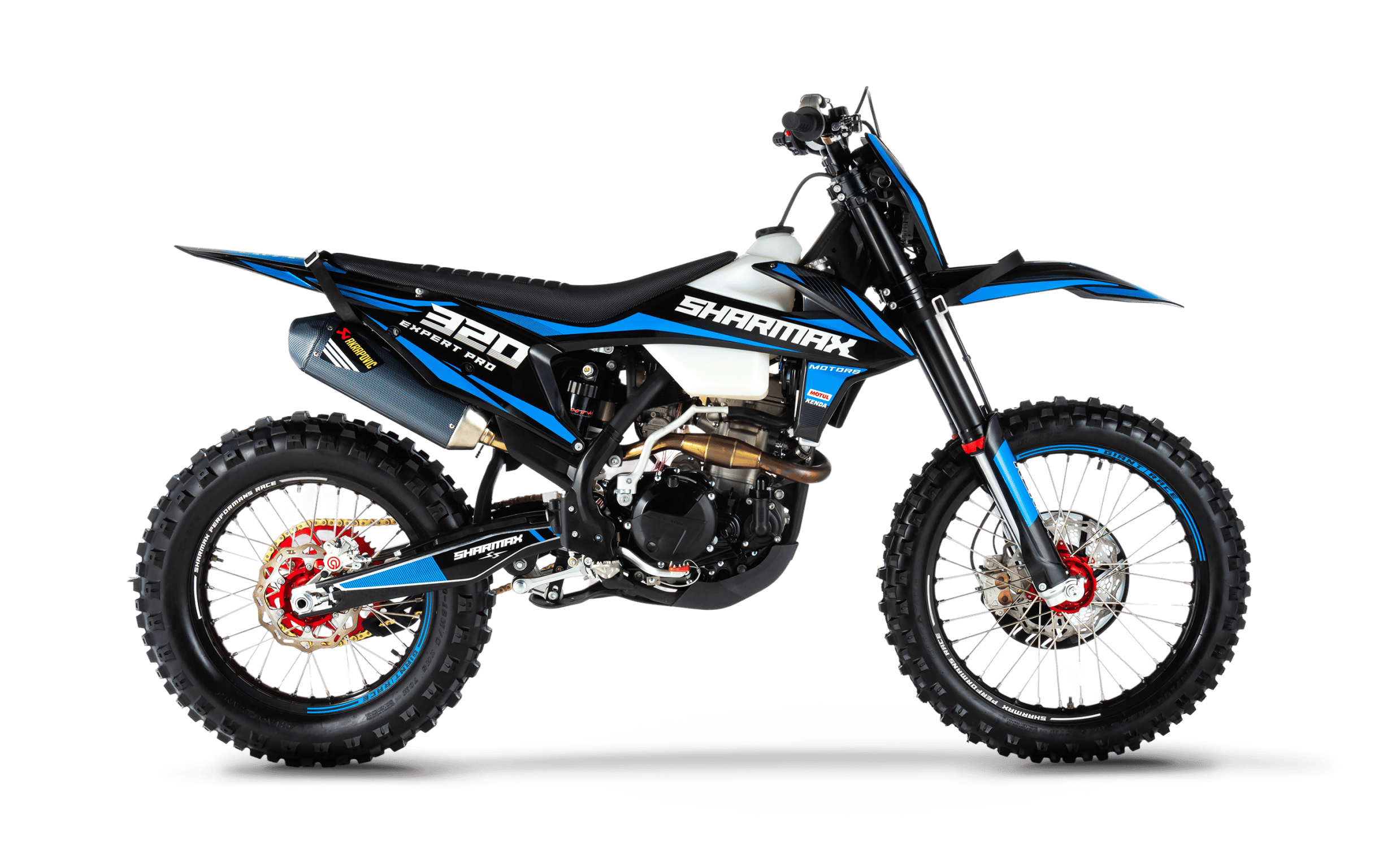
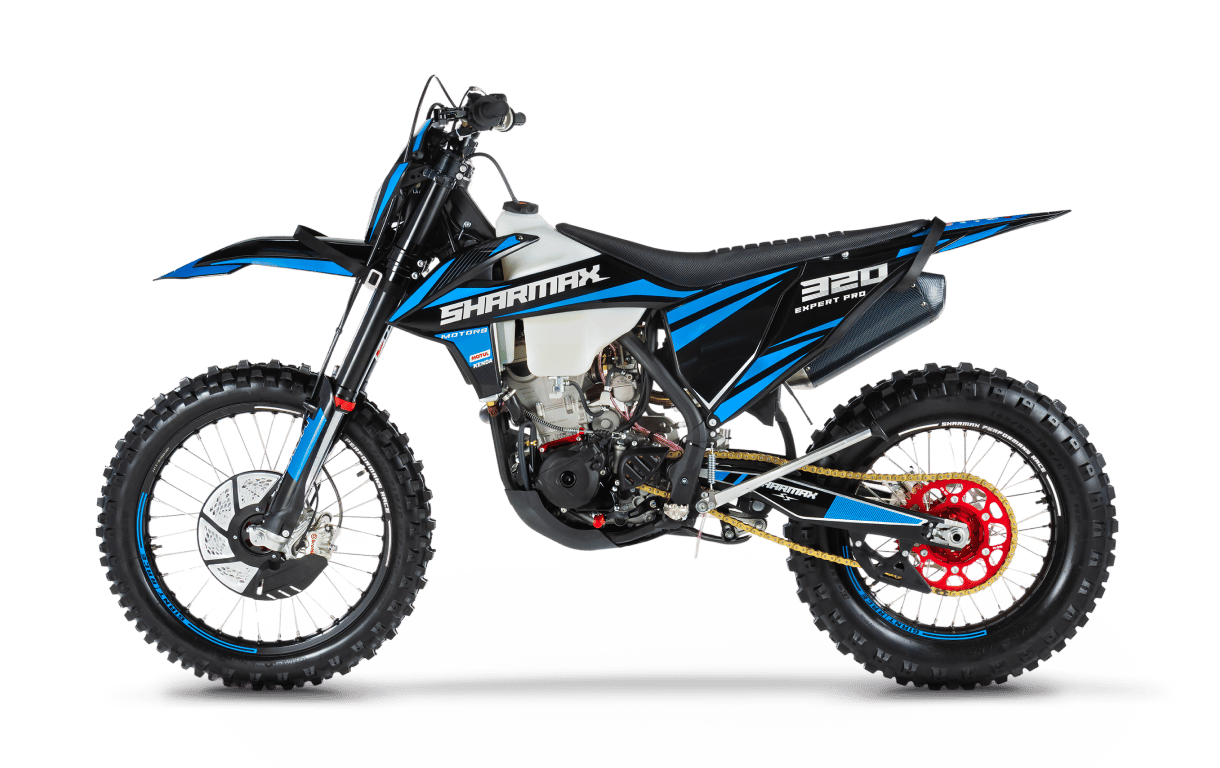
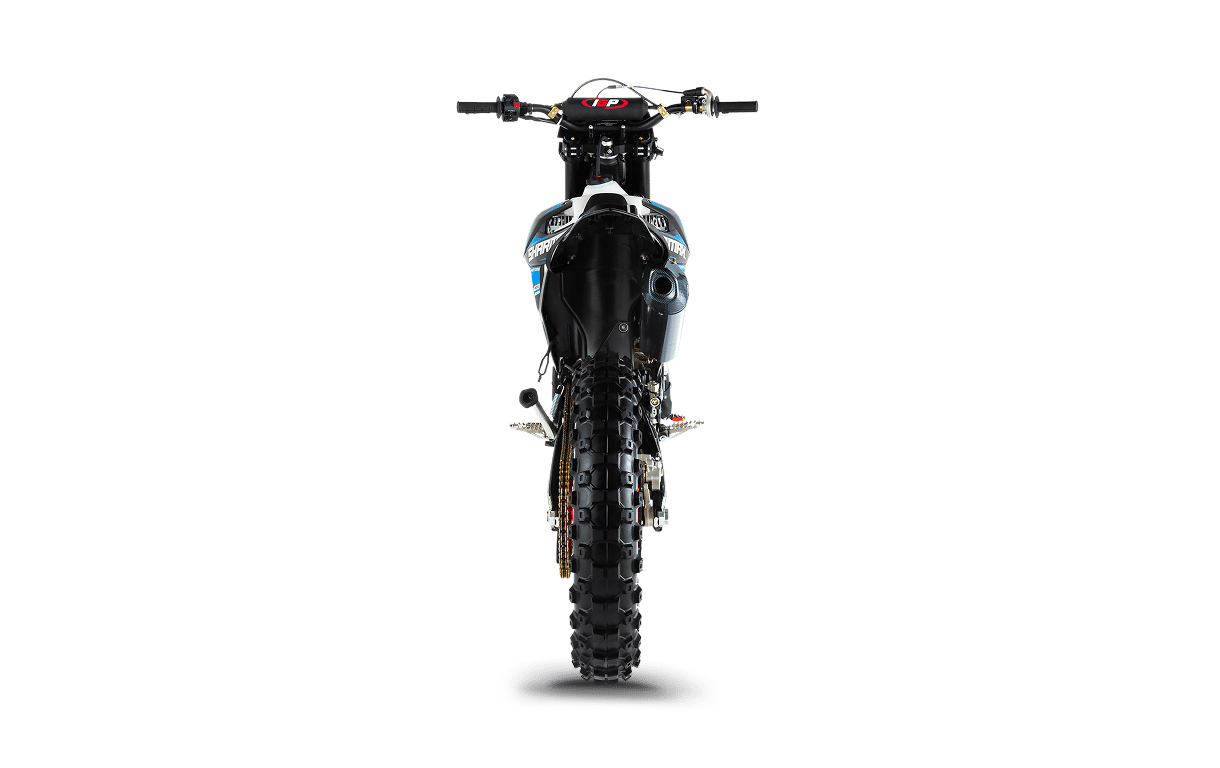
The Expert Pro 320 is a full-size enduro designed for experienced riders who enjoy demanding off-road terrain.
Its 300cc engine produces 37 hp, with peak torque of 25 Nm at 7,000 rpm. On a trail, that performance works alongside the bike’s gearing, suspension and off-road design.
Rather than focusing on the numbers alone, consider how confidently you can control the throttle and maneuver the bike on the routes you plan to ride.
Best for: Experienced off-road riders looking for a responsive enduro for technical trails and challenging terrain.
Power (hp)
37
Displacement (cc)
300
RR 661 Ultra
Relaxed cruiser character
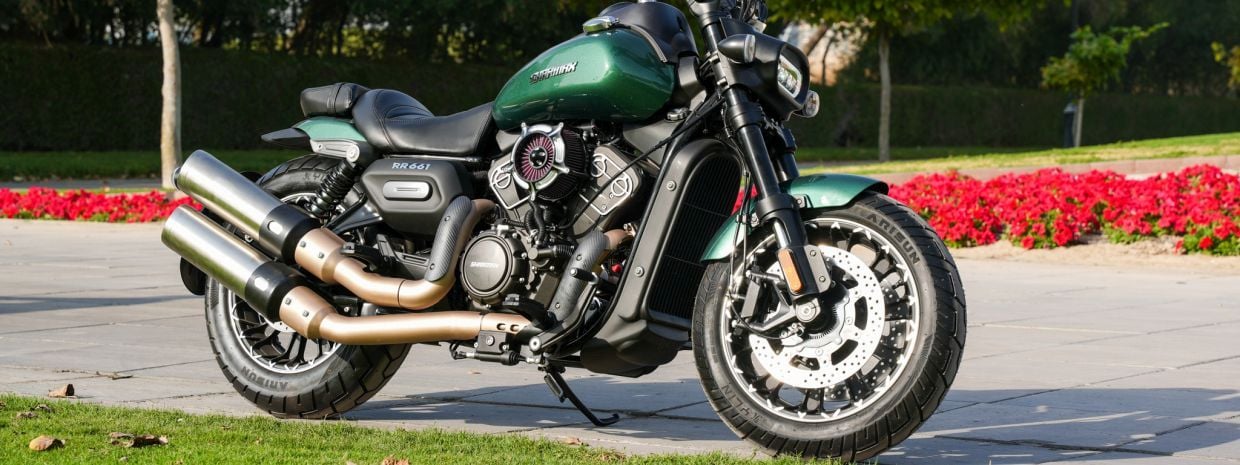
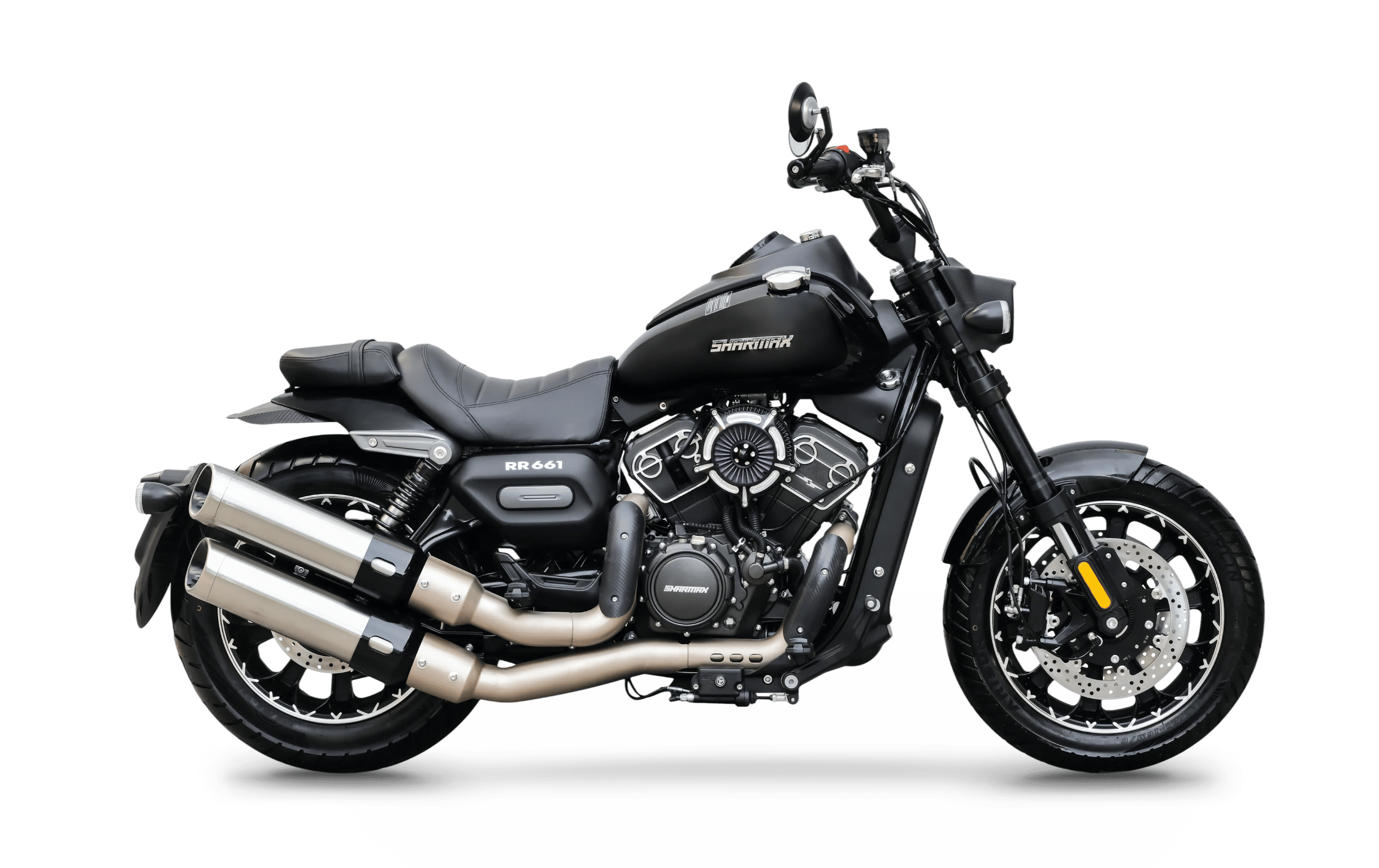
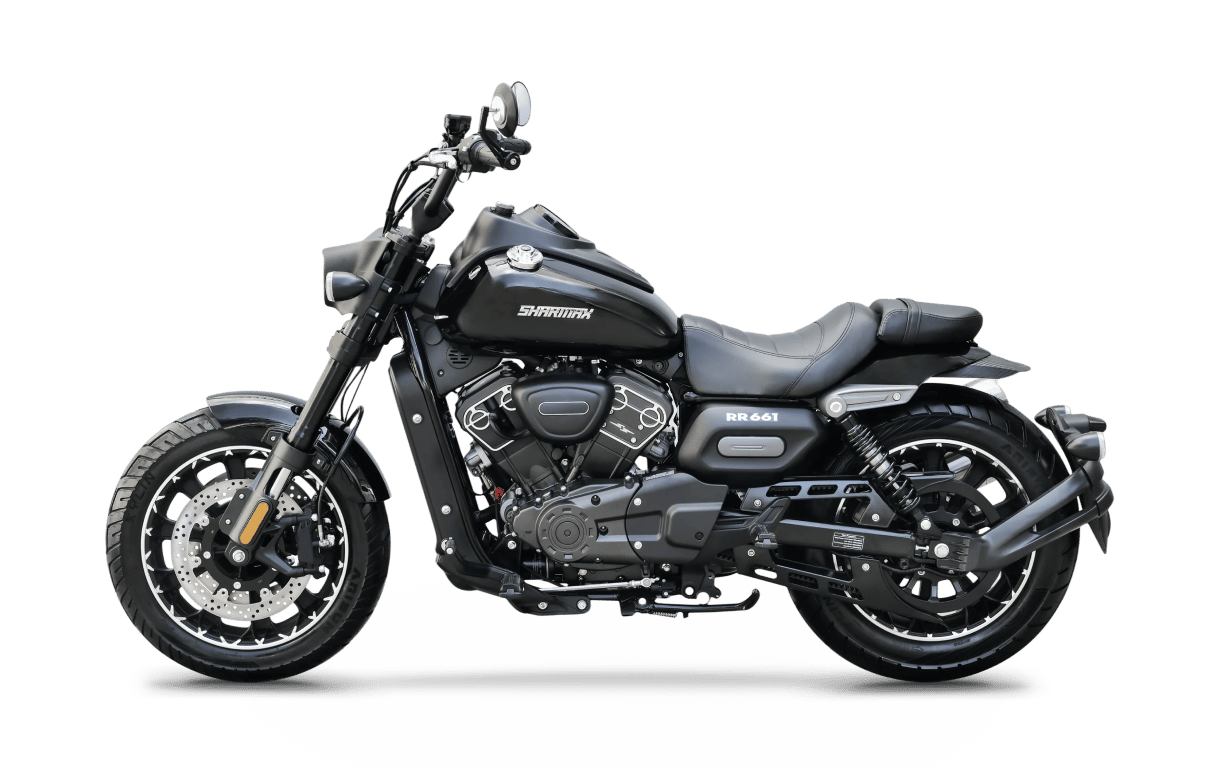
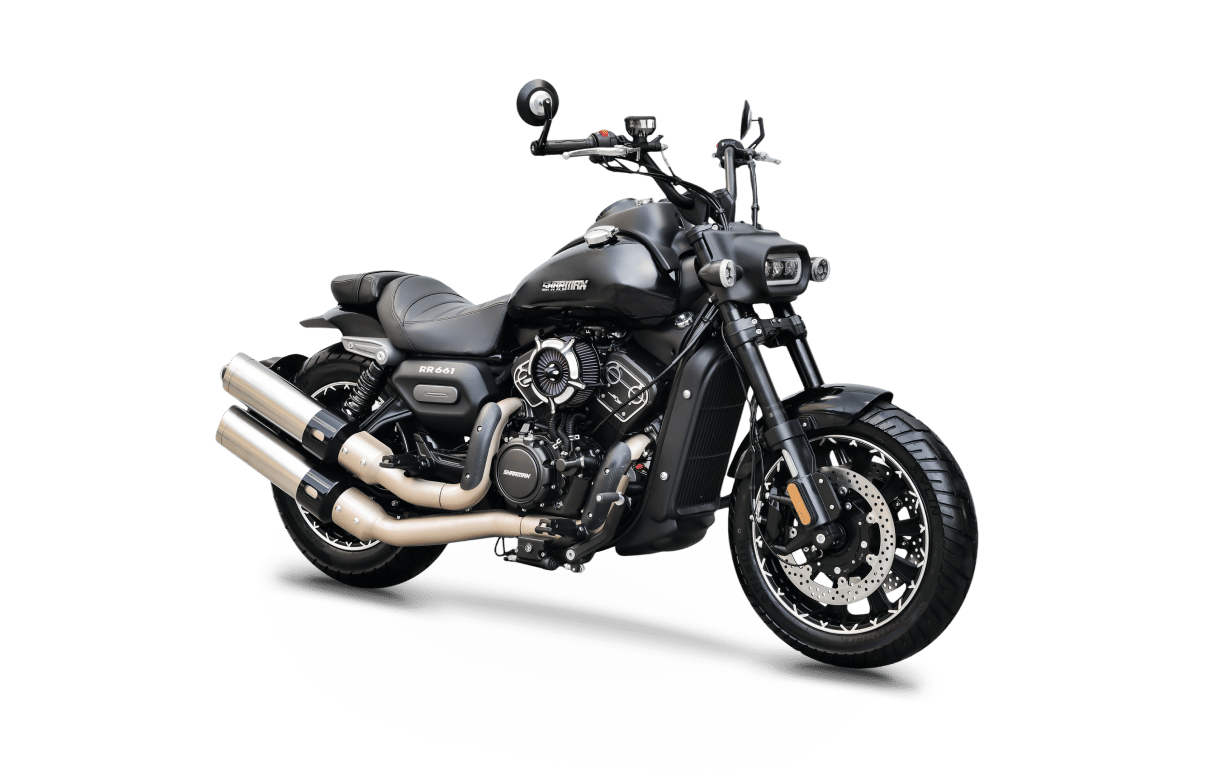
The RR 661 Ultra is a cruiser-style road motorcycle for riders who enjoy a more relaxed riding position.
Its 465cc V-twin engine produces 36 hp and 45 Nm of peak torque at 6,000 rpm. It offers a different combination of power, torque and riding position from the Expert Pro 320, reflecting its road-focused purpose.
The RR 661 Ultra is worth considering if you want a substantial cruiser for regular road rides and trips outside the city.
Best for: Riders who prefer cruiser styling and a relaxed road-riding experience.
Power (hp)
36
Displacement (cc)
465
Engine speed at max power (rpm)
8000
Gearbox
Automatic
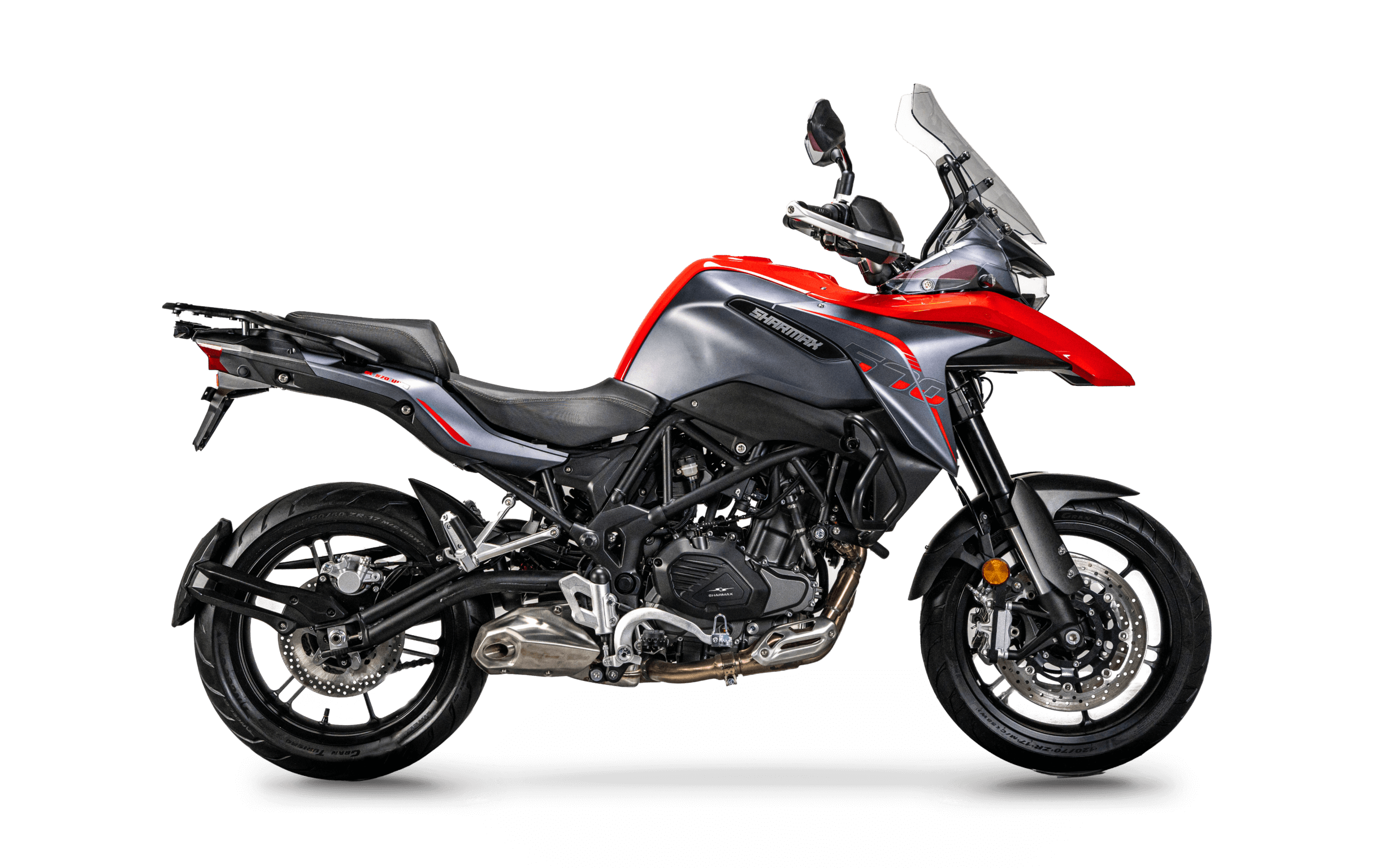
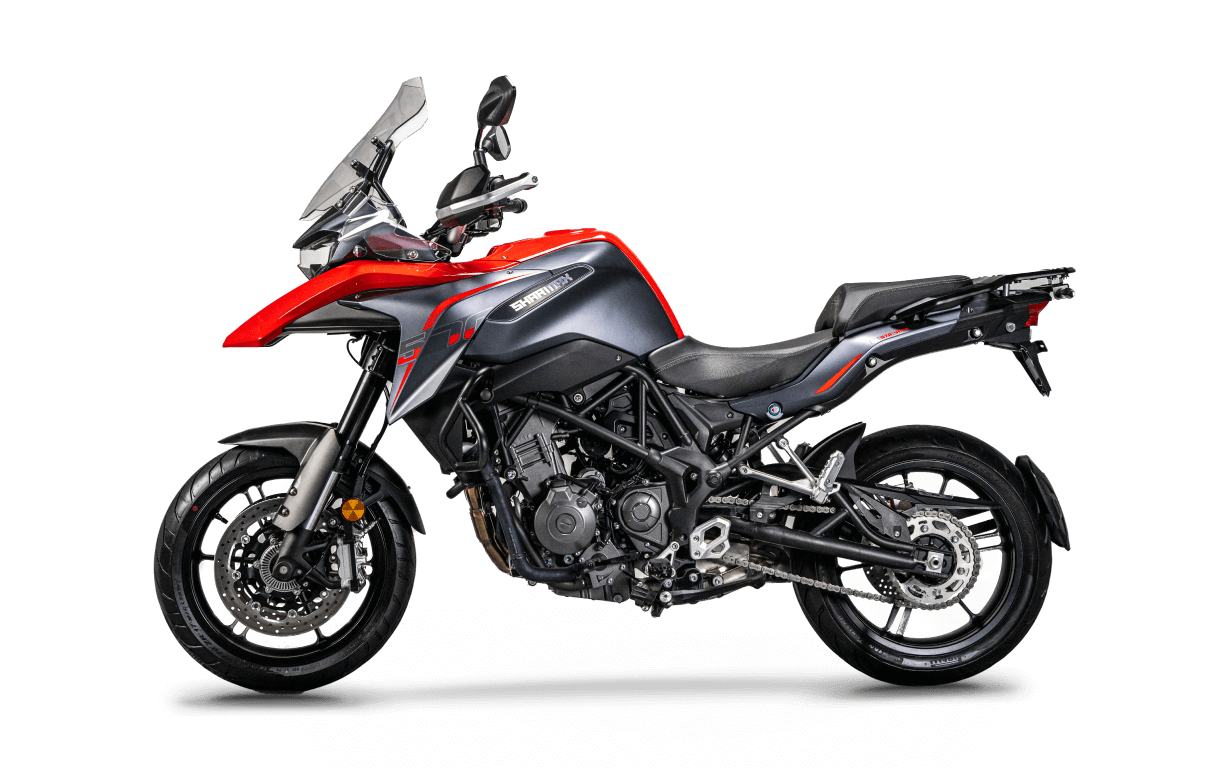
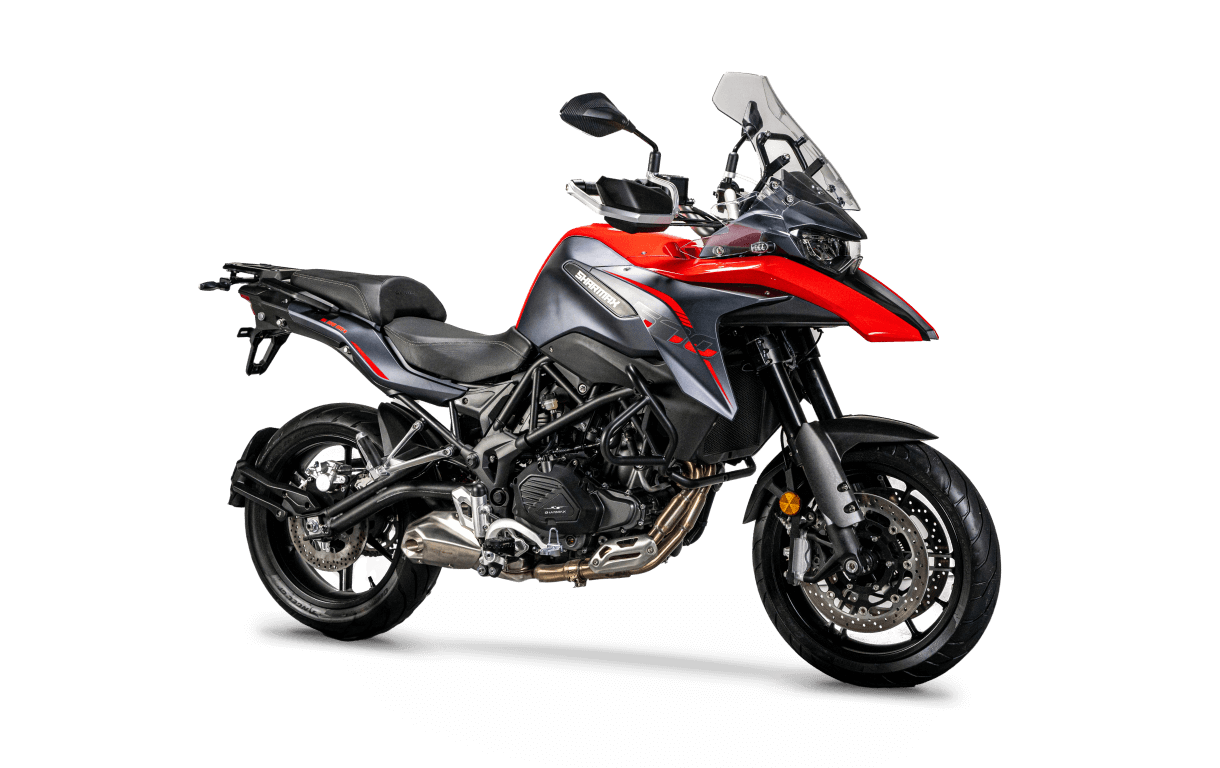
GL 570 Ultra
Performance for longer journeys
The GL 570 Ultra is a touring motorcycle for riders who want to spend more time on the road.
Its 554cc engine produces 48 hp and 51 Nm of peak torque at 5,500 rpm. Those figures are part of a package designed for longer journeys, where seating comfort, wind protection and luggage needs also influence the choice.
If you regularly ride between emirates or plan to travel with luggage, the GL 570 Ultra is worth comparing with the cruiser and other touring models.
Best for: Riders looking for a touring motorcycle for longer paved-road trips.
Power (hp)
48
Displacement (cc)
554
Max torque (N·m)
51/5500
Engine speed at max power (rpm)
7500
Gearbox
Manual, 6-speed
Sharmax models compared
| Model | Motorcycle type | Engine | Power | Peak torque |
|---|---|---|---|---|
| Expert Pro 320 | Enduro | 300cc | 37 hp | 25 Nm at 7,000 rpm |
| RR 661 Ultra | Cruiser | 465cc | 36 hp | 45 Nm at 6,000 rpm |
| GL 570 Ultra | Touring | 554cc | 48 hp | 51 Nm at 5,500 rpm |
The Expert Pro 320 is designed for active off-road riding, while the RR 661 Ultra and GL 570 Ultra serve different road-riding preferences. Their peak figures are useful to compare, but they don’t show the full torque curve or tell you how each bike will accelerate in a particular gear.
Power and torque in everyday riding
City traffic
In stop-and-go traffic, smooth throttle response and manageable weight can be just as useful as a high horsepower figure. You’ll want a motorcycle that feels comfortable when pulling away, moving slowly and changing direction.
Open roads
For longer rides between emirates, consider whether the motorcycle has enough performance for your route, expected load and riding experience. Wind protection, seating comfort and fuel range matter too.
A passenger and luggage
Extra weight changes how much effort the engine needs to accelerate and climb. If you frequently ride two-up or carry luggage, compare the bike’s performance and permitted load with what you intend to take.
Hills and off-road trails
On a climb or an uneven trail, smooth, controllable power can be more useful than chasing the highest peak figure. Tire grip, gearing, rider technique and the surface all influence how effectively the motorcycle moves forward.
How much motorcycle power do you need?
There’s no single horsepower figure that suits every rider. A smaller road motorcycle producing around 15–30 hp may be enough for someone building confidence or mainly making shorter trips. A motorcycle with 40–70 hp or more may appeal to an experienced rider looking for a larger road or touring bike.
Those are broad examples, not rules. Before choosing, consider:
- Your experience: Are you comfortable managing the throttle and weight of the bike?
- Your usual routes: Will you mainly ride in city traffic, travel longer distances or explore off-road tracks?
- Your load: Will you often carry a passenger or luggage?
- The bike’s weight and gearing: A heavier motorcycle with more horsepower won’t necessarily feel like a lighter one.
- Riding position and fit: Can you reach the controls comfortably and maneuver the motorcycle at low speed?
The best choice is one that offers the performance you want while still feeling comfortable and manageable.
Final thoughts
Horsepower and torque both help describe a motorcycle’s engine, but neither number tells you everything on its own. The best way to use them is to consider when the engine delivers its performance, how much weight the bike carries and where you plan to ride.
Ready to compare motorcycles in person? Explore the Sharmax motorcycle range or visit a showroom near you to find a model that suits your riding style.