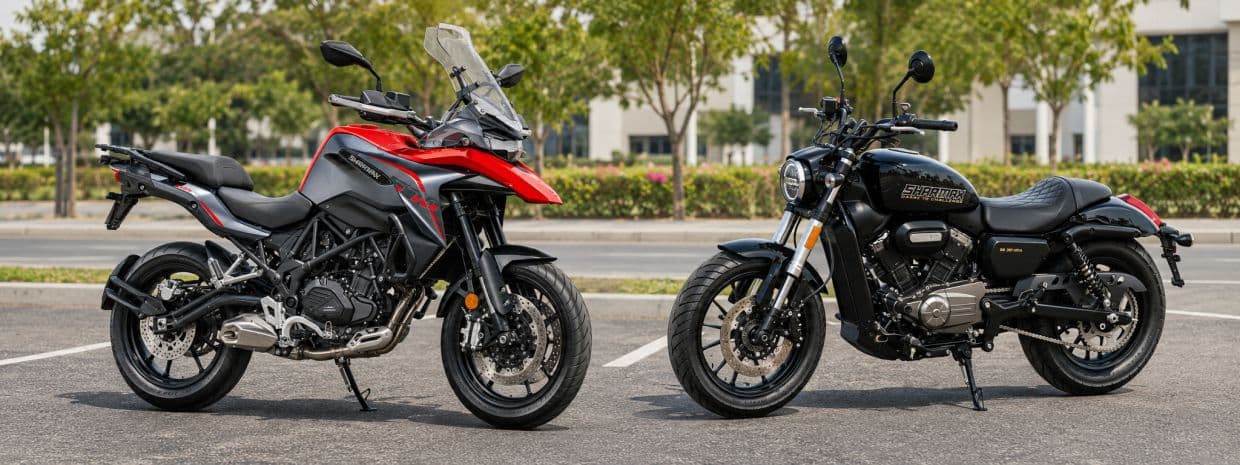
Motorcycle cooling systems explained: Air, oil and liquid cooling in the UAE
Air, oil, or liquid cooling? See how motorcycle cooling systems handle UAE riding conditions and what each setup means for performance and maintenance.
23 Nov 2026
A motorcycle riding through slow city traffic faces different conditions from one moving along an open road or climbing a dusty trail. In each situation, the engine produces heat that needs to be managed.
If you’re comparing motorcycles for sale in the UAE, understanding the cooling system can help you choose a bike that suits your routes and maintenance preferences.
Why does a motorcycle engine need cooling?
A running engine produces heat as it burns fuel and its internal components move. The cooling system helps carry that heat away and keeps the engine operating within its intended temperature range.
Managing heat matters for:
- Performance: The engine needs to operate at a suitable temperature for the conditions.
- Engine components: Excessive heat can put additional strain on internal parts.
- Riding comfort and confidence: A bike in good condition is better prepared for traffic, longer journeys and demanding routes.
- Maintenance: Keeping oil, coolant and cooling components in good condition helps the system do its job.
The three main approaches you’ll see are air cooling, air/oil cooling and liquid cooling.
Air-cooled motorcycle engines
An air-cooled engine releases heat into the surrounding air. Many have metal fins on the outside of the engine that increase the surface area exposed to airflow.
As the motorcycle moves, air passes over the engine and helps carry heat away. The design is relatively straightforward because it does not need a liquid-cooling radiator, coolant hoses or a coolant pump.
Air cooling can be a practical choice for motorcycles designed for everyday road use or recreational riding. It still needs regular care: the engine oil must be maintained, and the fins should be kept clean so air can reach them.
In slow traffic or on a technical off-road trail, there is less airflow over the engine than on an open road. That makes it important to use the motorcycle within its intended conditions and pay attention to signs of overheating.
Oil-cooled and air/oil-cooled motorcycle engines
Engine oil lubricates internal components and also carries heat away from them. In an air/oil-cooled setup, oil contributes to heat management alongside air flowing over the engine.
Some motorcycles also use an oil cooler: oil passes through it, and airflow helps remove heat before the oil continues circulating. The exact design depends on the motorcycle.
This type of setup gives the engine additional help with heat management while retaining air cooling as part of the system. Regular oil changes, the correct oil level and a clean oil cooler—where fitted—are important parts of maintenance.
Liquid-cooled motorcycle engines
A liquid-cooled engine uses coolant to carry heat away from the engine to a radiator. Air passing through the radiator helps remove the heat; many motorcycles also have a fan that operates when additional airflow is needed.
A radiator fan can be useful when the motorcycle is moving slowly or waiting in traffic. Liquid cooling is also used on many motorcycles designed for sustained engine loads.
The system has more components to maintain, including coolant, hoses, a radiator and a pump. Riders should follow the service schedule and check for issues such as leaks or a blocked radiator.
Air vs oil vs liquid cooling: A quick comparison
| Feature | Air cooling | Air/oil cooling | Liquid cooling |
|---|---|---|---|
| How heat is managed | Heat passes from the engine into the surrounding air | Air cooling is assisted by circulating engine oil | Coolant carries heat from the engine to a radiator |
| Main components | Engine fins and airflow | Engine oil and, on some bikes, an oil cooler | Coolant, radiator, hoses and pump; often a fan |
| Maintenance focus | Clean engine surfaces and regular oil servicing | Correct oil level and condition; clean cooler where fitted | Coolant level, radiator, hoses and fan |
| At low speed | Less air moves over the engine | Airflow is still important, including over any oil cooler | A fan can provide airflow through the radiator when fitted |
| Design | Relatively straightforward | Adds oil’s heat-carrying role to the cooling setup | Uses additional cooling components |
Each system can work well when the motorcycle is designed for the intended use and maintained properly. Cooling type is one part of the decision, alongside the engine, riding conditions and overall bike.
Cooling systems in UAE riding conditions
City traffic and frequent stops
In slow traffic, there is less air moving over the motorcycle than when it is travelling on an open road. This matters for an air-cooled engine and for the radiator of a liquid-cooled bike.
A liquid-cooled motorcycle with a working fan can move air through its radiator when the bike is stationary or moving slowly. An air-cooled bike can still be suitable for city use when it is designed and maintained for those conditions.
If most of your riding involves commuting, our guide to choosing a motorcycle for daily riding in the UAE heat covers other useful features to compare.
Open-road riding
On an open road, steady airflow passes over the engine or through the radiator. This helps all three cooling approaches release heat.
The engine still works under load, particularly at higher road speeds, on climbs or when carrying luggage. The right motorcycle is one whose performance and cooling setup suit the journeys you regularly make.
Off-road trails and slow riding
A dirt bike may move slowly over an uneven trail while its engine works hard. Sand and dust can also collect around cooling fins, an oil cooler or a radiator.
After a dusty ride, inspect the cooling surfaces and clean them as recommended. If the bike has a radiator, check that it is not blocked by dirt or debris.
Longer rides with a passenger or luggage
A passenger and luggage add load, which can make the engine work harder—especially on climbs or during long stretches in hot weather.
Before setting off, check the oil level and, if your motorcycle is liquid-cooled, the coolant level using the procedure in its manual. Stay within the bike’s approved load limit and allow for breaks on longer journeys.
Sharmax motorcycles with different cooling systems
The Sharmax range includes motorcycles with different cooling setups for off-road practice, everyday road riding and more powerful street use.
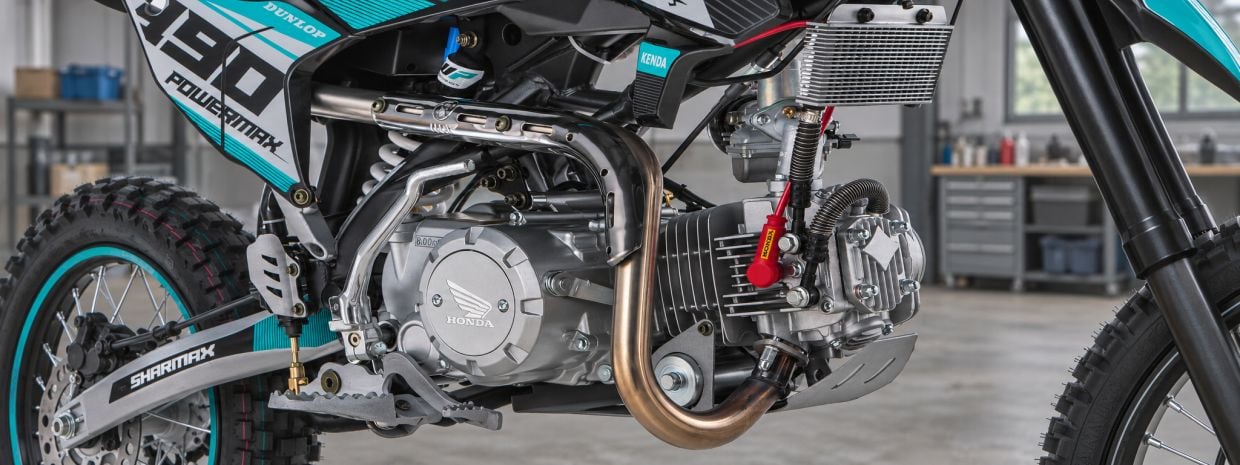
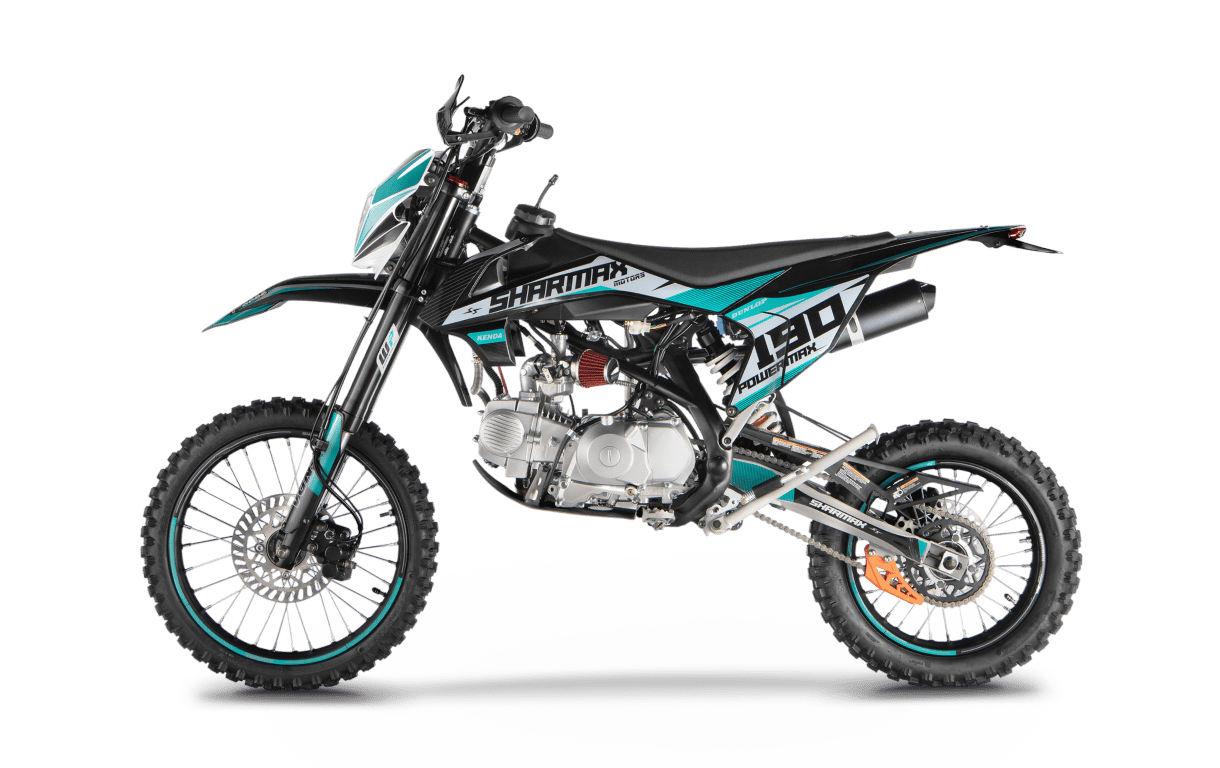
Power Max 190
– air/oil-cooled pit bike
The Power Max 190 is a compact pit bike for riders developing their off-road skills. Its air/oil-cooled engine supports a straightforward off-road setup for practice and recreational rides.
After riding on dusty tracks, check that the engine and cooling areas are clean. Regular oil checks and scheduled changes are also part of looking after the bike.
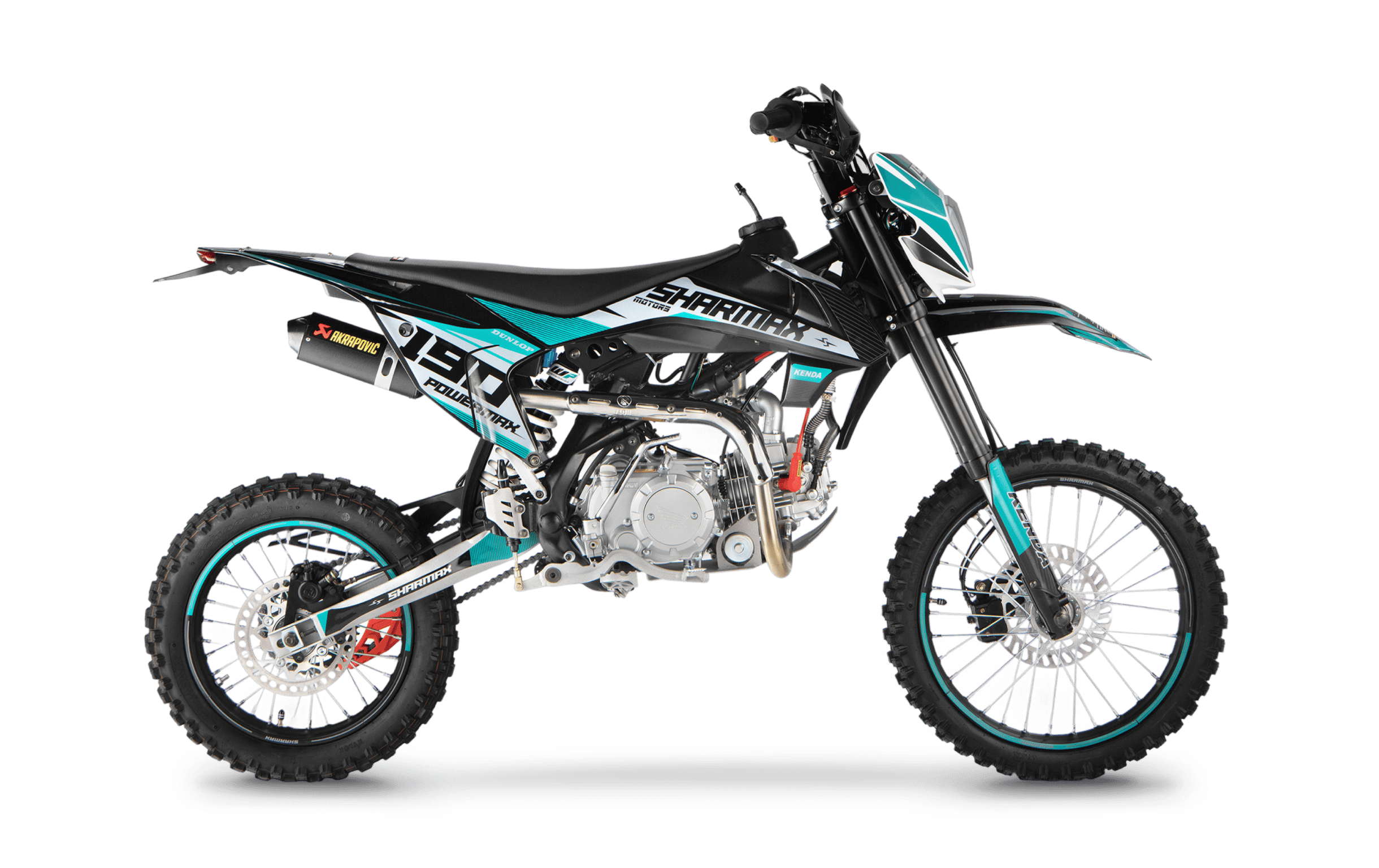
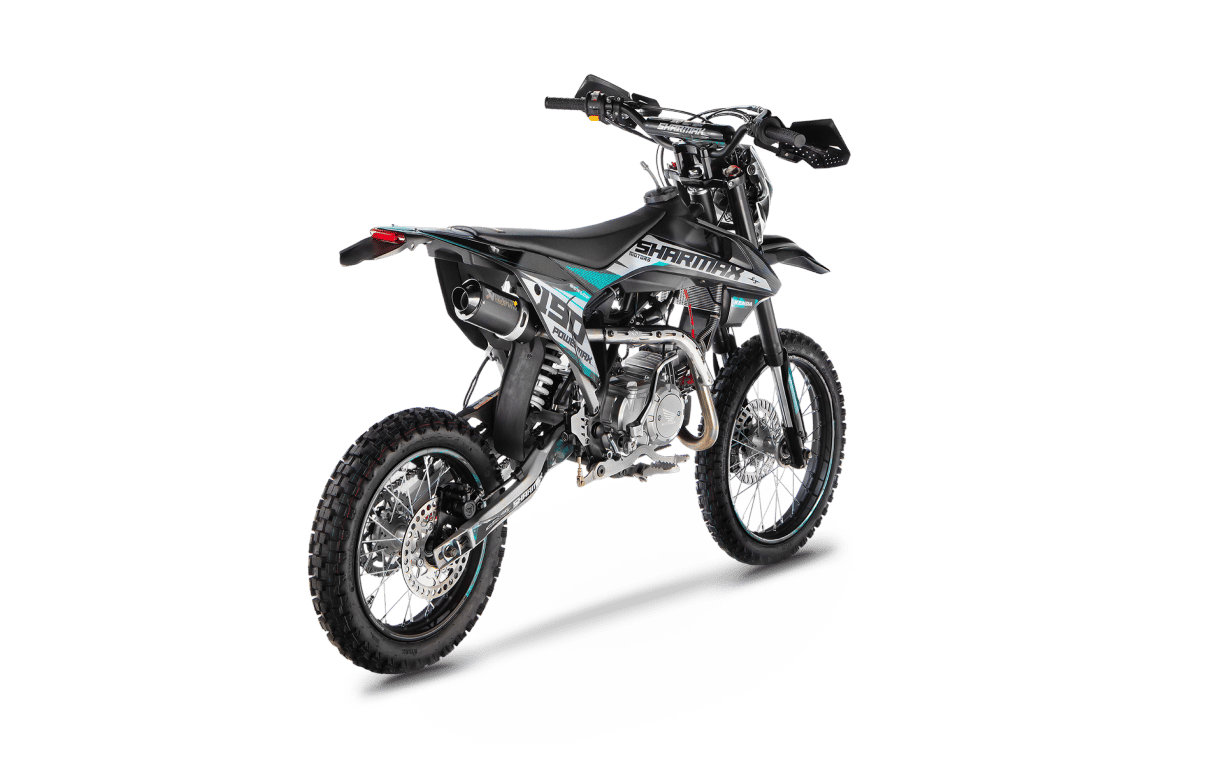
Displacement (cc)
140
Cooling system
Air-oil
Off road bikes models
Pitbike
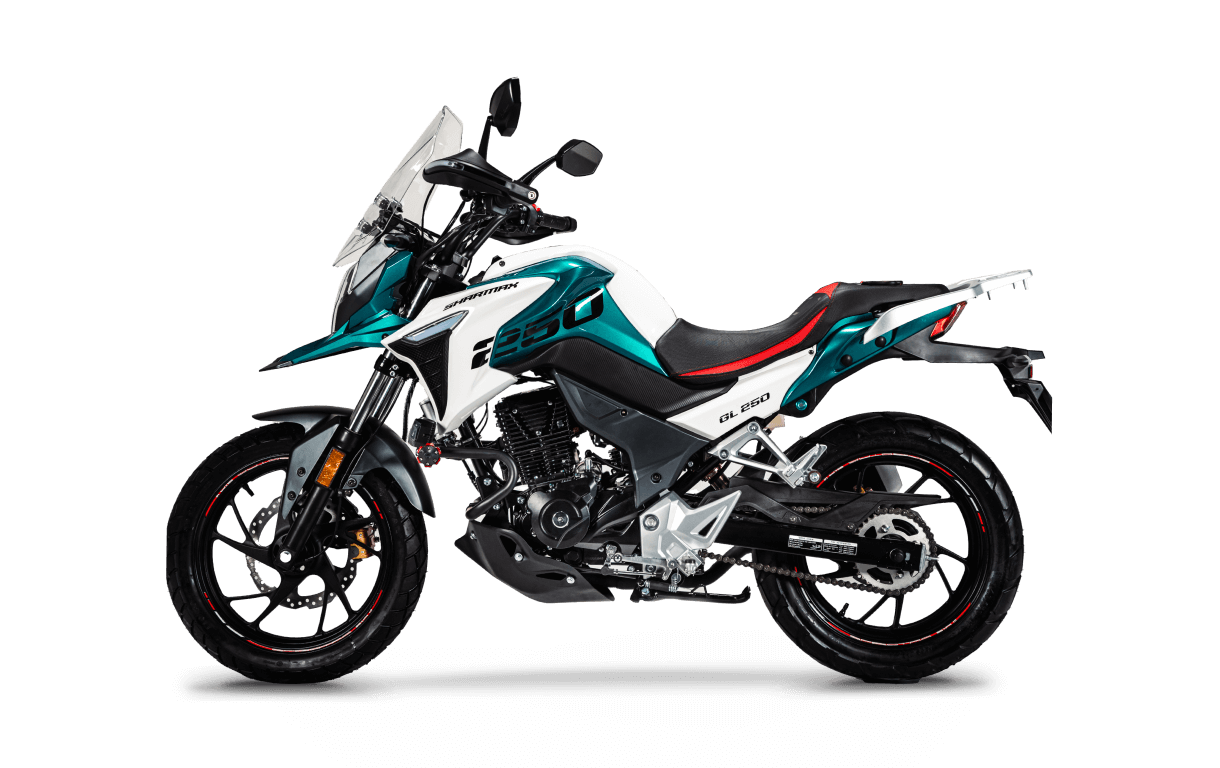
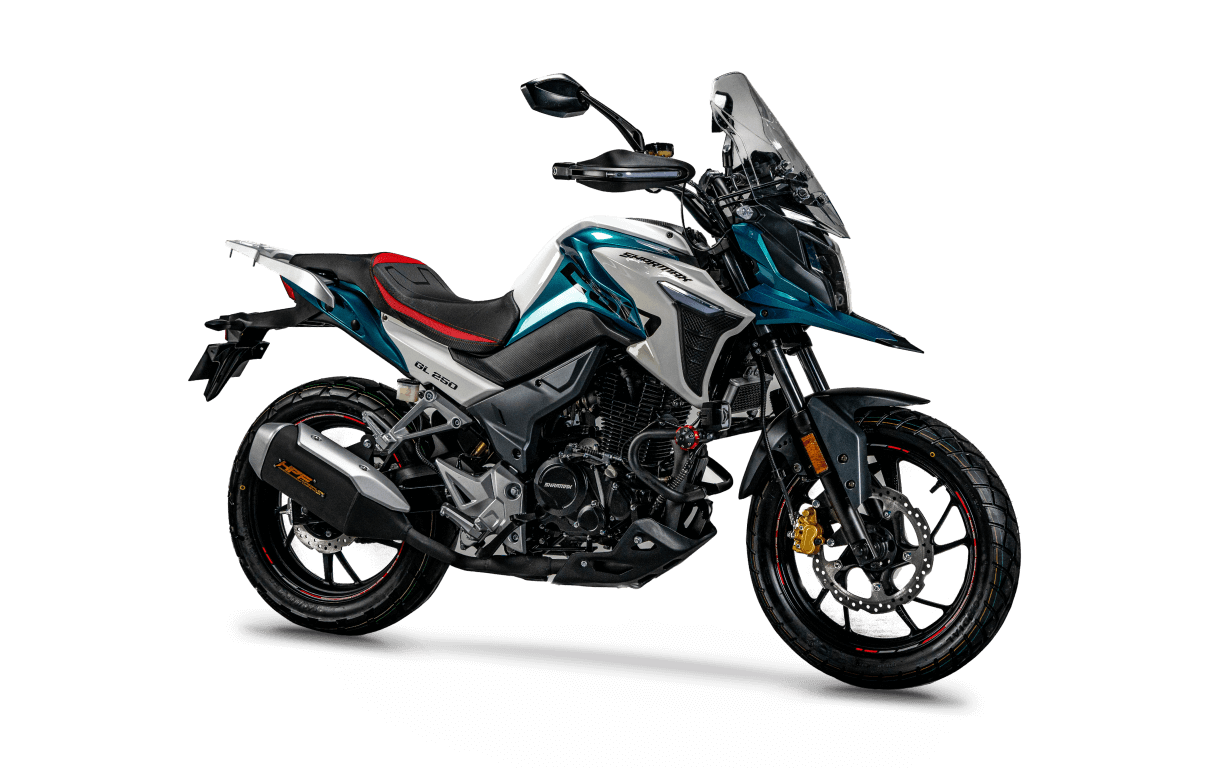
GL 250 Dubai
– air-cooled touring motorcycle
The GL 250 Dubai is an air-cooled touring-style motorcycle for riders who want a bike for commuting and occasional longer road trips.
Its 250cc engine and manageable size make it an option to consider if you’re entering the touring category. Keep the cooling fins clean and follow the recommended oil-service schedule, particularly if your routes include frequent city traffic.
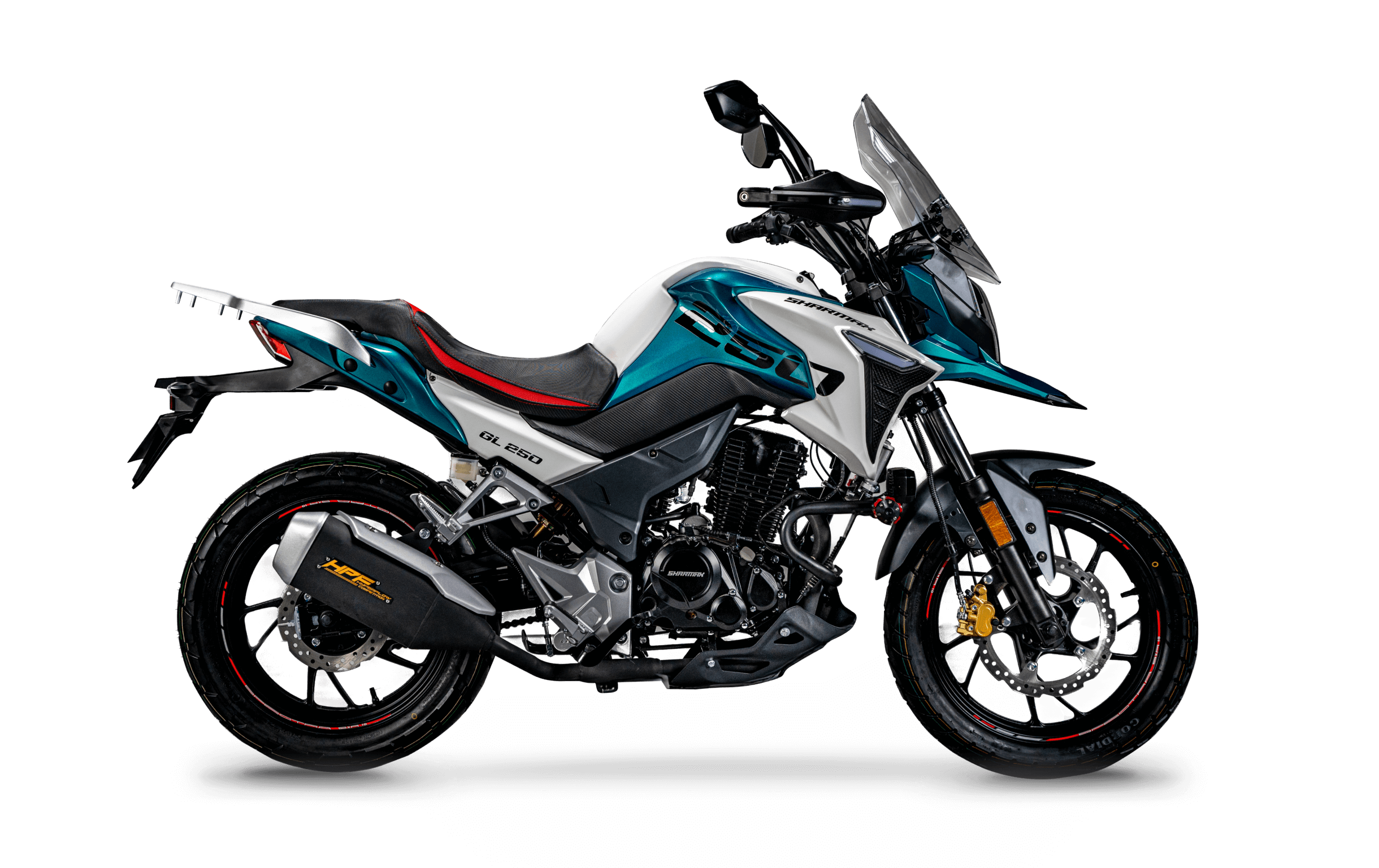
Displacement (cc)
250
Cooling system
Air-cooled
On-road bike type
Touring Bike
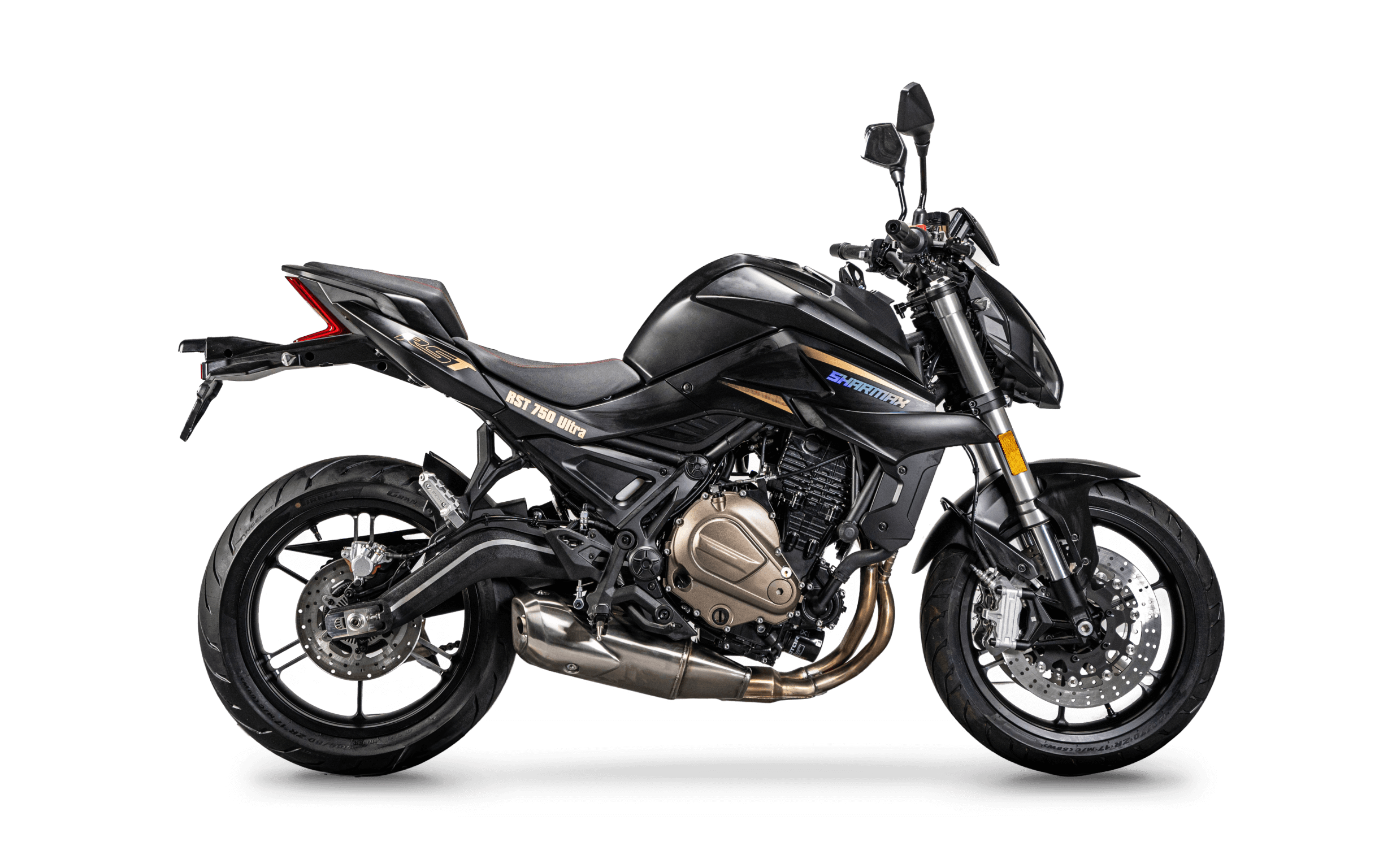
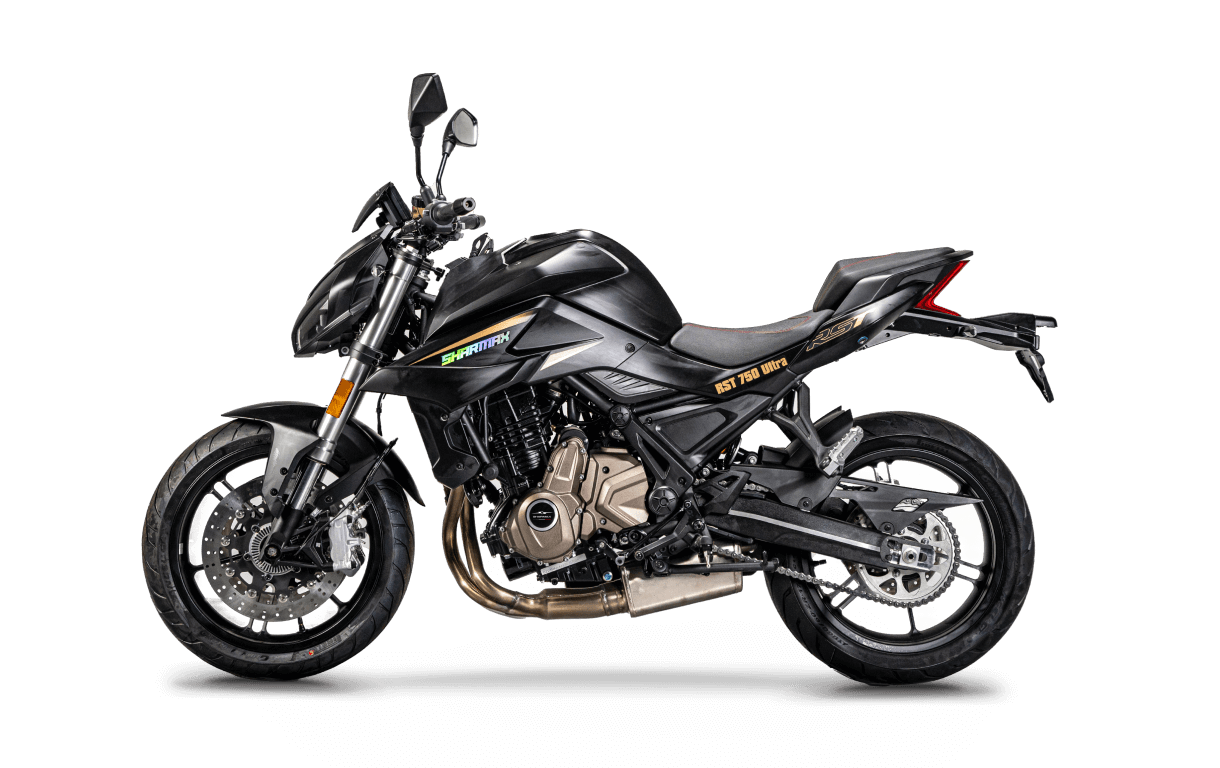
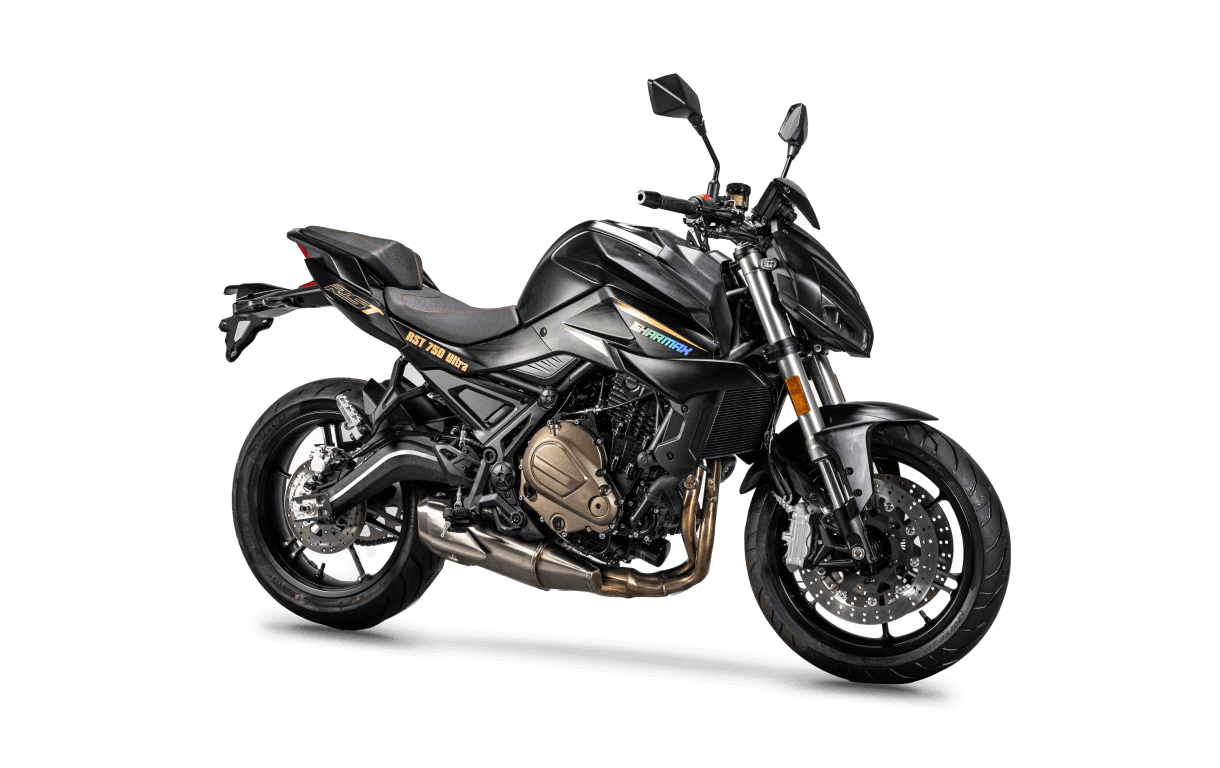
RST 750 Ultra
– liquid-cooled naked motorcycle
The RST 750 Ultra is a liquid-cooled naked bike for riders who want stronger road performance. Its upright layout suits riders who enjoy an exposed, street-focused motorcycle design.
The liquid-cooling system uses a radiator and coolant to help manage engine heat. As with any liquid-cooled motorcycle, keeping the radiator clean and following the coolant service schedule are important.
Displacement (cc)
698
Cooling system
Liquid cooling
On-road bike type
Naked bike
Sharmax cooling systems compared
| Model | Motorcycle type | Engine | Cooling system | Typical use |
|---|---|---|---|---|
| Power Max 190 | Pit bike | 140cc | Air/oil-cooled | Off-road practice and recreational trails |
| GL 250 Dubai | Touring motorcycle | 250cc | Air-cooled | Commuting and road trips |
| RST 750 Ultra | Naked motorcycle | 698cc | Liquid-cooled | Road riding for experienced riders |
The Power Max 190 offers a compact off-road setup for riders developing their skills. The GL 250 Dubai is the smaller road option for commuting and occasional trips, while the RST 750 Ultra suits experienced riders looking for a more powerful naked bike.
Their cooling systems differ, but so do their engines and intended uses. Choose the motorcycle that fits your riding first, then consider the maintenance its cooling setup requires.
Which cooling system is right for your riding?
Think about the conditions you face most often:
- Short recreational rides: An air-cooled or air/oil-cooled bike can offer a straightforward setup when it suits the terrain and rider.
- Frequent city traffic: Compare how the motorcycle manages heat at low speed, including whether a liquid-cooled model has a radiator fan.
- Off-road riding: Consider dust, sand and the amount of time you spend riding slowly under load.
- Longer road trips: Look at the complete motorcycle—comfort, engine performance, luggage and maintenance—not just the cooling type.
Neither air cooling nor liquid cooling makes a motorcycle immune to overheating. The design, condition of the system and way the bike is used all matter.
How to maintain a motorcycle cooling system
Air-cooled and air/oil-cooled bikes
Keep the engine’s cooling surfaces clear of heavy dirt and debris so air can reach them. Check the oil level as directed and use the correct oil and service interval for your motorcycle.
If the bike has an oil cooler, inspect it for damage or leaks and keep its cooling surfaces clean.
Liquid-cooled bikes
Check the coolant level using the procedure in the owner’s manual. Inspect the radiator and hoses for visible damage, leaks or blocked airflow, and make sure the fan is working as intended.
Never open a radiator cap while the engine is hot. Allow the engine to cool and follow the manufacturer’s instructions before checking the system.
Warning signs to watch for
Have the motorcycle checked if you notice:
- A temperature warning light or an unusually high gauge reading.
- Coolant or oil leaking from the bike.
- An unusual hot smell or steam.
- A radiator fan that does not operate when expected.
- A noticeable change in engine performance.
For more ways to prepare your bike for hot conditions, read our motorcycle maintenance tips for summer in the UAE.
Where to buy motorcycles in the UAE
You can explore the Sharmax motorcycle range online or visit a showroom to compare road and off-road models.
Sharmax has showrooms in Dubai, Abu Dhabi, Sharjah and Ras Al Khaimah. Find your nearest branch on the locations page and ask the team about the cooling and maintenance requirements of the bike you’re considering.
Final thoughts
Air-cooled, air/oil-cooled and liquid-cooled engines manage heat in different ways. The best choice depends on the motorcycle’s design, the routes you ride and the maintenance you’re comfortable with.
Whether you want a compact pit bike, a touring motorcycle or a powerful naked bike, explore Sharmax motorcycles for sale or visit a showroom to compare your options.