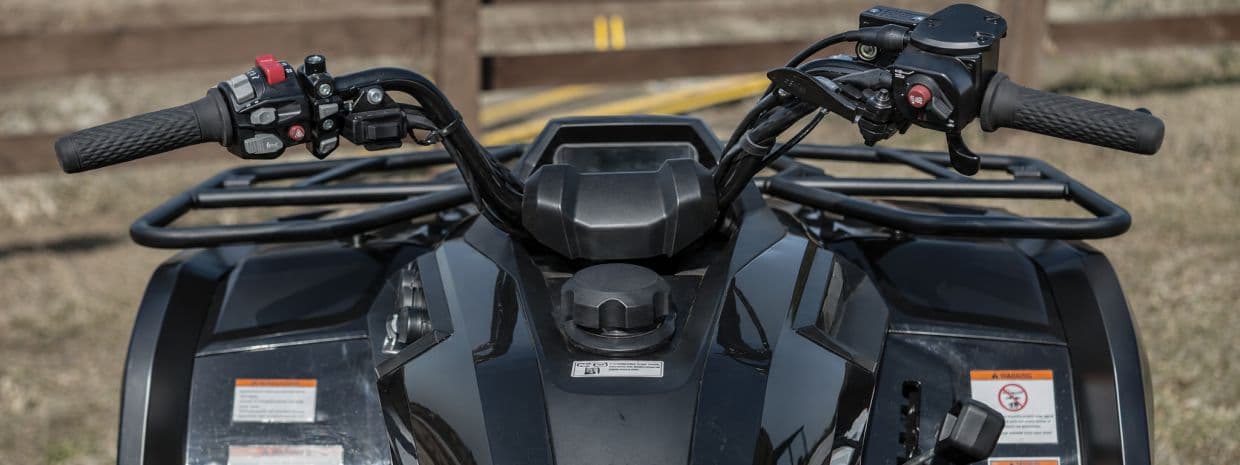
Motorcycle clutch systems explained: How does a smart clutch make riding easier?
Learn how manual and Smart Clutch systems work, where clutch assistance can make riding easier, and how Sharmax motorcycles use the technology.
26 Nov 2026
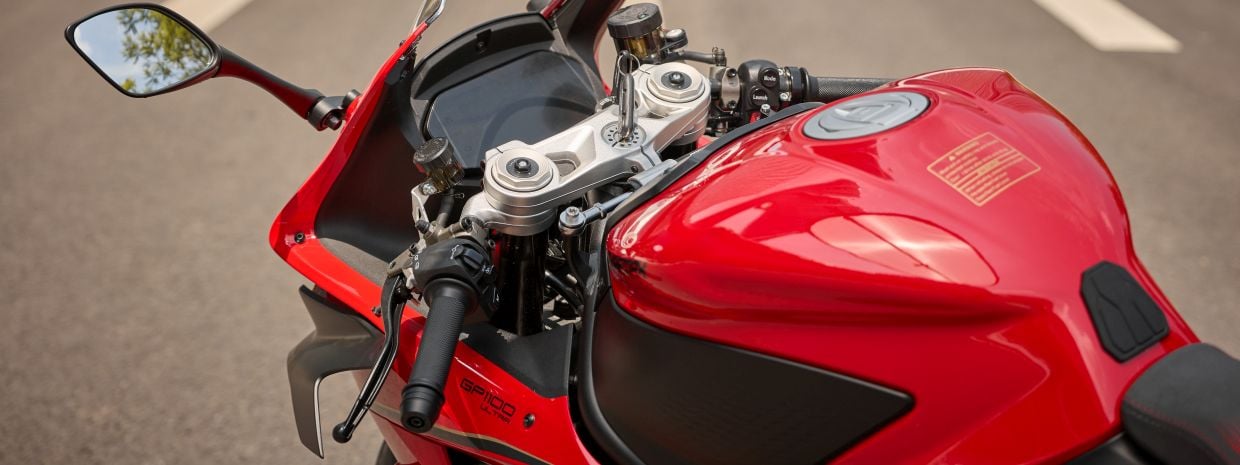
If you’ve ever ridden through stop-and-go traffic, you know how often your left hand reaches for the clutch. Pulling away, changing gears and coming to a stop all involve clutch control—and it can take time to get used to.
When exploring motorcycles for sale in the UAE, you may come across different clutch systems, including technology designed to make some of that work easier. Let’s look at what a clutch does, how a conventional setup works and where Sharmax Smart Clutch fits in.
What does a motorcycle clutch do?
The clutch controls the connection between the engine and the gearbox. It allows you to temporarily separate them when you need to stop or change gear, then reconnect them to deliver power to the rear wheel.
Think of pulling away from a traffic light. With a manual clutch, you gradually release the lever while applying the throttle. This allows power to reach the wheel smoothly and gets the motorcycle moving.
When you stop, you pull the clutch lever in again to prevent the engine from stalling while the motorcycle is stationary.
How a conventional manual clutch works
On a motorcycle with a conventional manual clutch, the rider uses the clutch lever on the left handlebar and selects gears with the foot lever.
Pulling away and stopping
To pull away, you select first gear, gradually release the clutch lever and add throttle. As the clutch engages, the motorcycle begins to move.
The timing takes practice. Releasing the lever too quickly can cause the bike to jerk or stall, while keeping it partially engaged for too long creates unnecessary wear.
When slowing to a stop, you pull the clutch in to separate the engine from the gearbox. This lets the engine continue running while the motorcycle is stationary.
Changing gears
A conventional gear change involves closing the throttle, pulling in the clutch lever, selecting the next gear and releasing the lever smoothly.
With practice, these actions become familiar. Still, frequent changes can mean a lot of clutch work during a busy ride through Dubai, Abu Dhabi or Sharjah.
If you’re comparing different transmission setups, our guide to manual vs automatic motorcycles in the UAE looks at how they differ and who each option may suit.
What is a smart clutch?
A smart clutch system assists with clutch operation electronically. It can manage clutch engagement when the rider pulls away, stops or changes gear, reducing the need to operate the clutch lever repeatedly.
Sharmax Smart Clutch, or SSC, keeps the manual gearbox: you still select gears with your foot. The clutch lever also remains functional, so you can use it when you want to.
The system uses sensors and an electromechanical mechanism to monitor riding inputs and adjust clutch engagement. You can read more about the technology in our Sharmax Smart Clutch guide.
Manual clutch vs Smart Clutch: The main differences
| Riding situation | Conventional manual clutch | Sharmax Smart Clutch |
|---|---|---|
| Pulling away | The rider operates the clutch lever and throttle | The system assists with clutch engagement |
| Coming to a stop | The rider pulls in the clutch to help prevent stalling | The system manages clutch engagement as the bike slows |
| Changing gear | The rider selects the gear and operates the clutch | The rider selects the gear; the system assists with the clutch |
| Using the clutch lever | The rider controls the clutch manually | The lever remains available for manual control |
Both setups let you choose your own gears. Smart Clutch reduces the amount of lever work involved, while retaining the feel of a manual motorcycle.
Where Smart Clutch makes riding easier
Stop-and-go traffic
In slow traffic, a rider may need to pull the clutch in and release it again every few meters. Over a long commute, that repeated movement can become tiring.
Smart Clutch helps manage engagement during starts and stops, so you can spend less time working the lever while keeping control of your gear choice.
Hill starts and low-speed riding
Pulling away on an incline requires smooth coordination between the clutch and throttle. The same applies when maneuvering slowly through a tight parking area.
By assisting with clutch engagement, Smart Clutch can make these movements feel more manageable and help reduce the risk of stalling.
Longer rides
A long journey may include open highways, town centers, traffic lights and winding roads. While you may not use the clutch constantly on the highway, the repeated stops and slower sections can add up.
Reducing some of that clutch work can help make the journey more comfortable, especially when riding a larger motorcycle.
Uneven and technical routes
At low speeds on uneven ground, riders need to pay attention to their line, balance and throttle control. Clutch assistance can help manage engagement as the motorcycle moves over a climb or through a slower section.
You still choose the gear and control the motorcycle’s direction and speed. The system simply assists with one part of the process.
Sharmax motorcycles with Smart Clutch
Smart Clutch can support different riding styles, from relaxed cruiser trips to more dynamic road riding. Here are three motorcycles mentioned in the Sharmax Smart Clutch range.
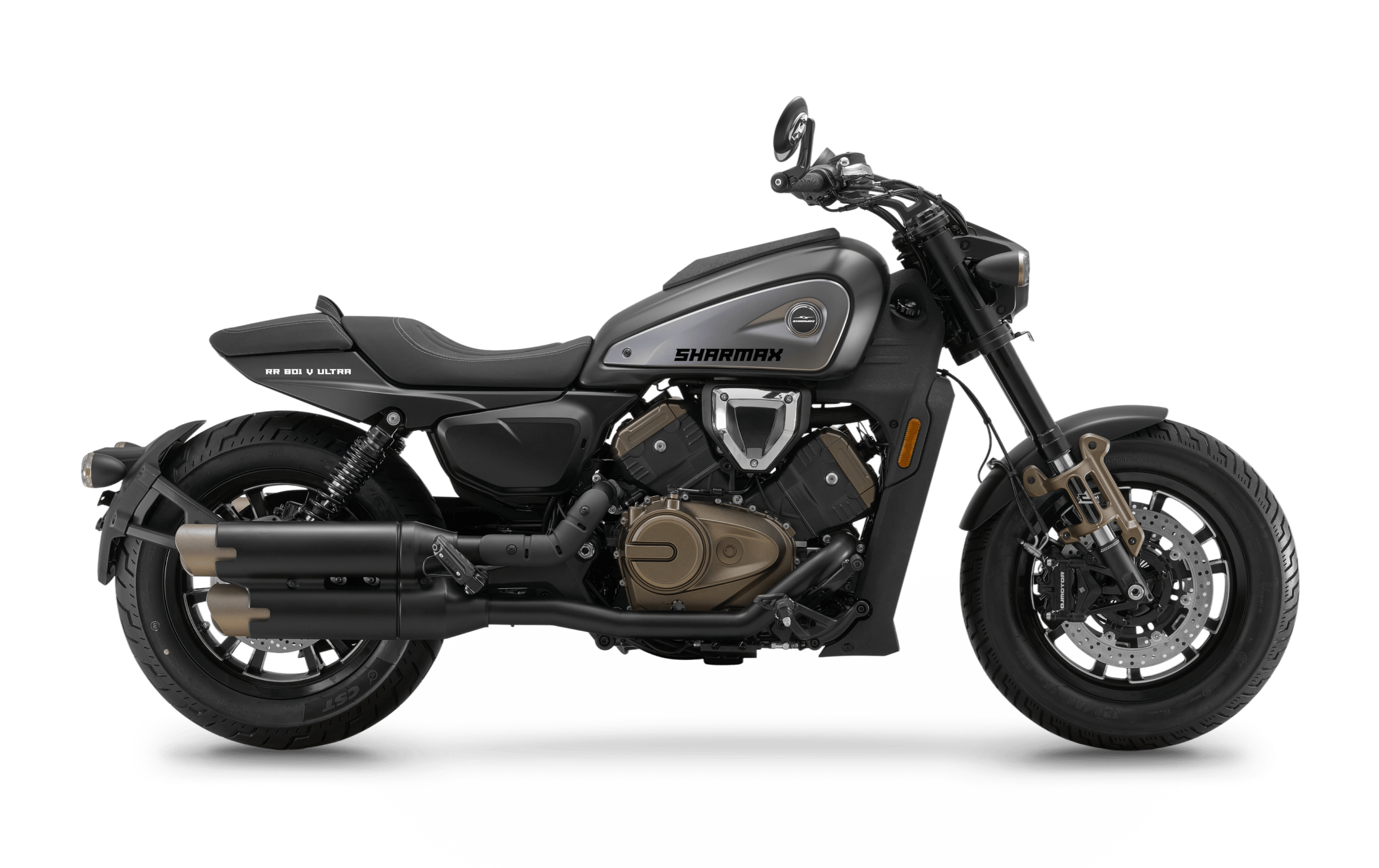
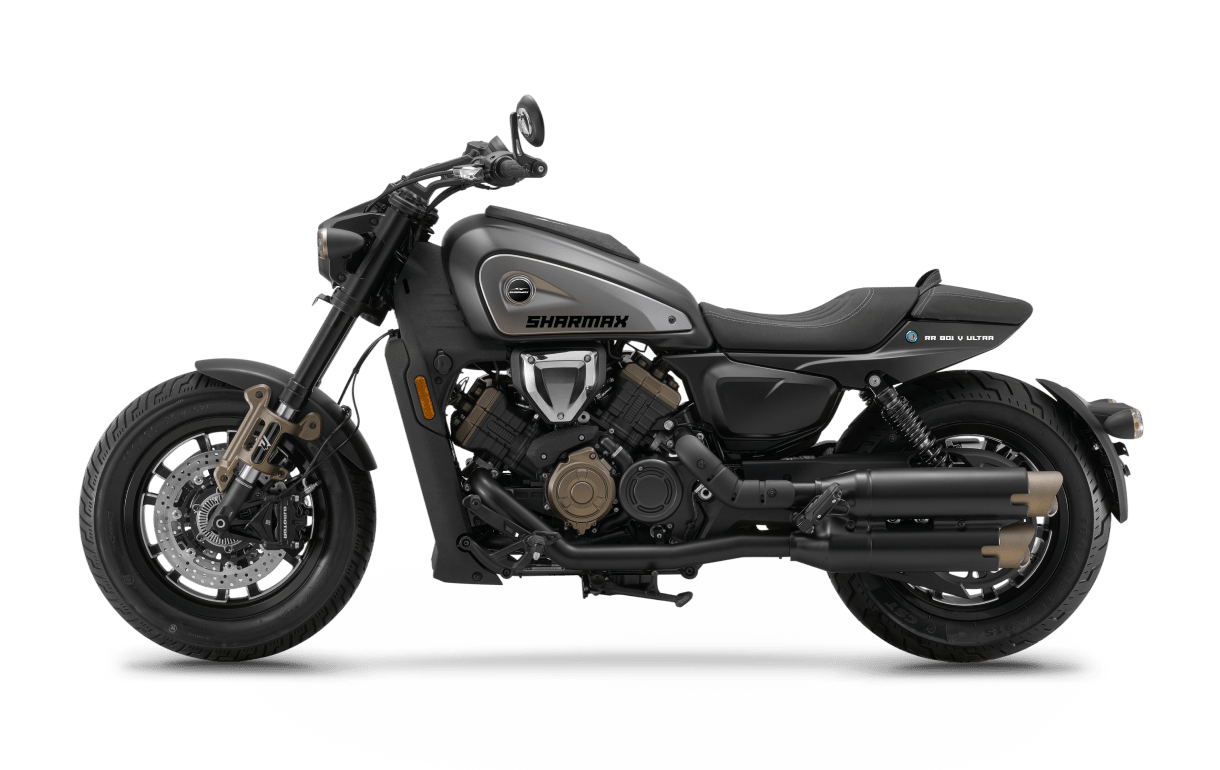
RR 801 V Ultra
The RR 801 V Ultra is a cruiser for riders who enjoy a relaxed road-riding position and a substantial motorcycle feel.
On a larger bike like this, Smart Clutch can be particularly useful in traffic and during low-speed maneuvering. It helps reduce repeated clutch operation while allowing the rider to keep choosing gears.
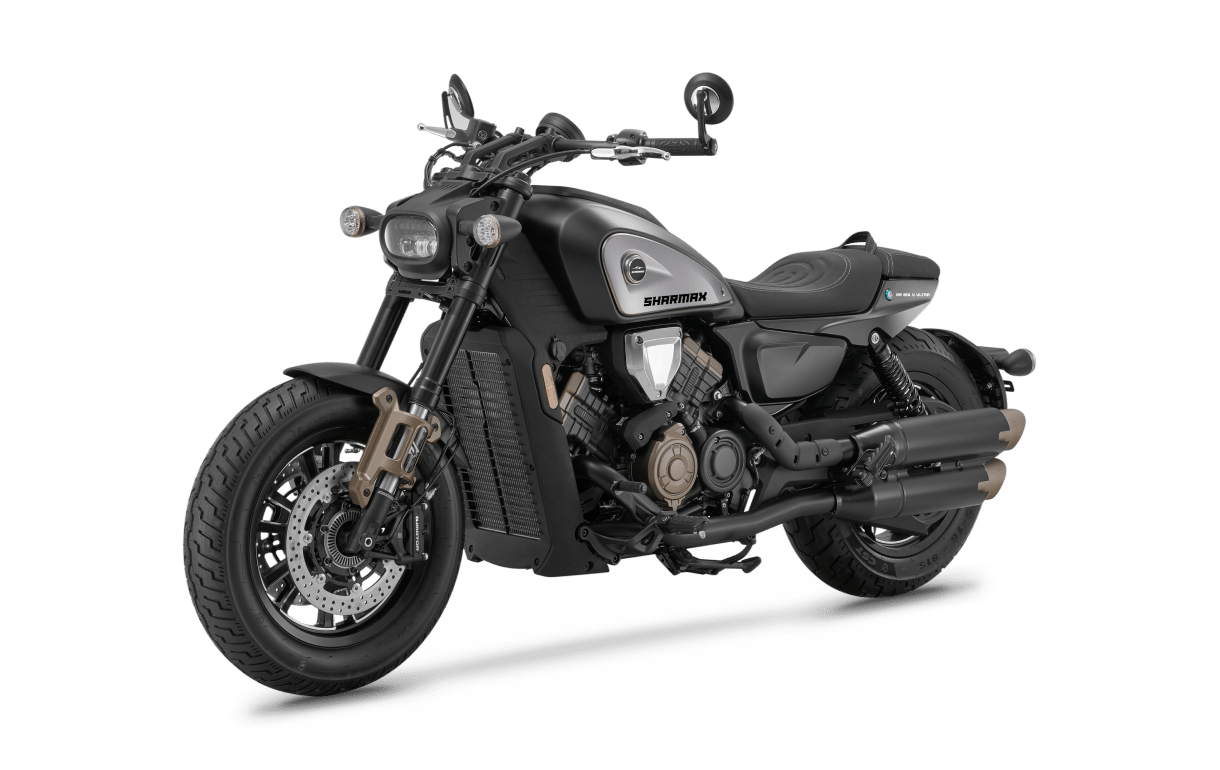
Power (hp)
68
Displacement (cc)
561
Drive type
Belt
Clutch
Wet multi-plate
Seat height (mm)
720
Gearbox
Manual, 6-speed
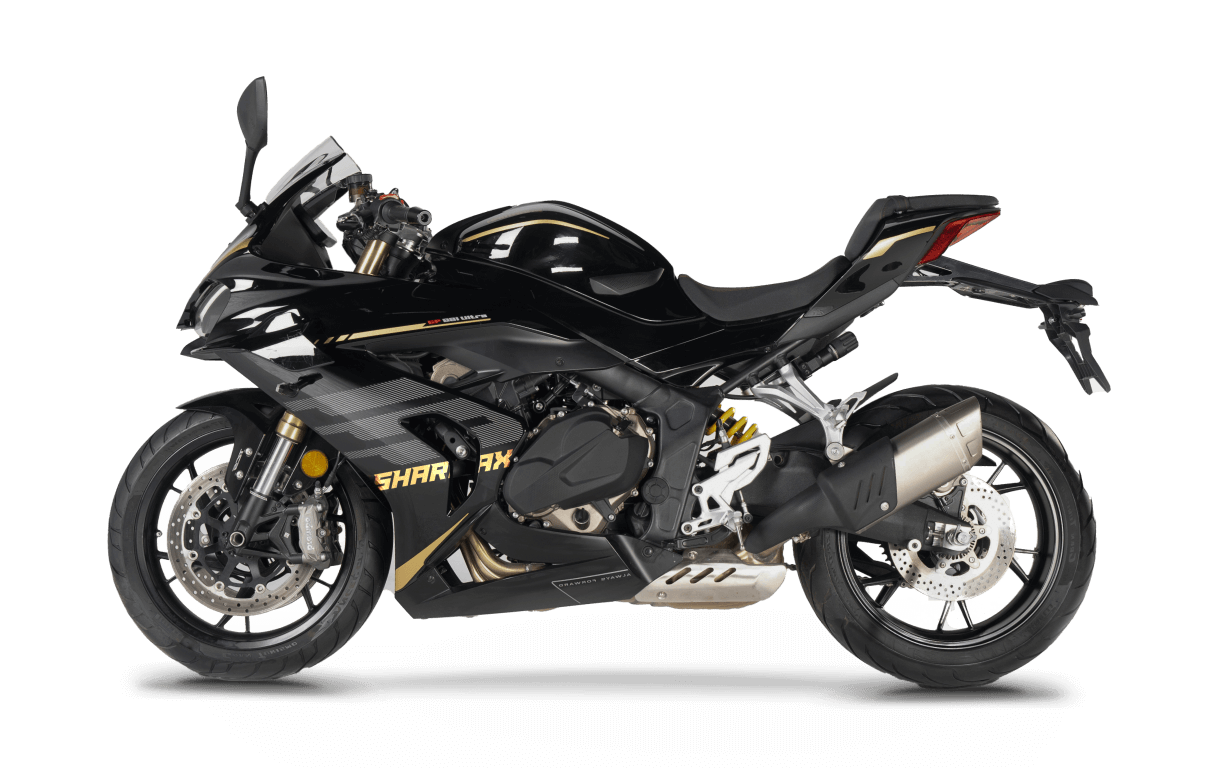
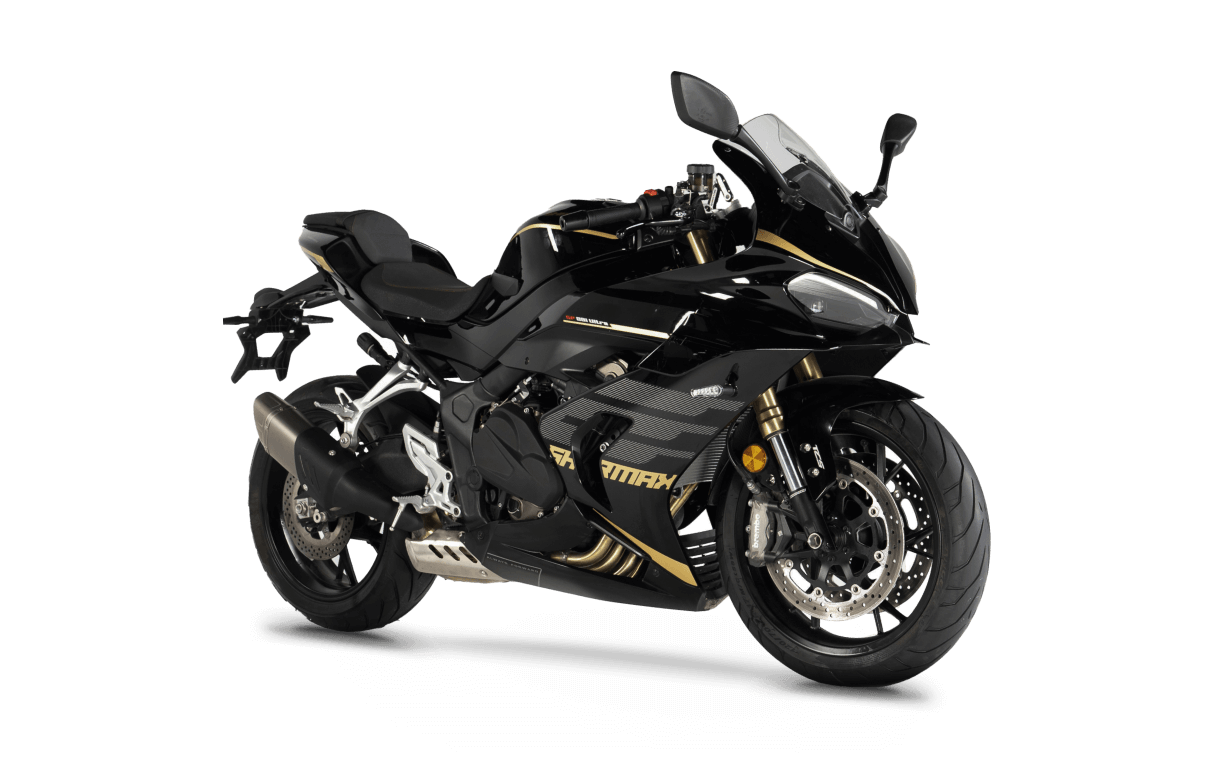
GP 881 Ultra
The GP 881 Ultra brings a more focused sport-bike character to the road. It’s an option for riders who enjoy a responsive motorcycle and an involved riding experience.
Smart Clutch supports smoother starts and gear changes while leaving gear selection with the rider. That can be useful when a sport ride also includes city traffic and frequent stops.
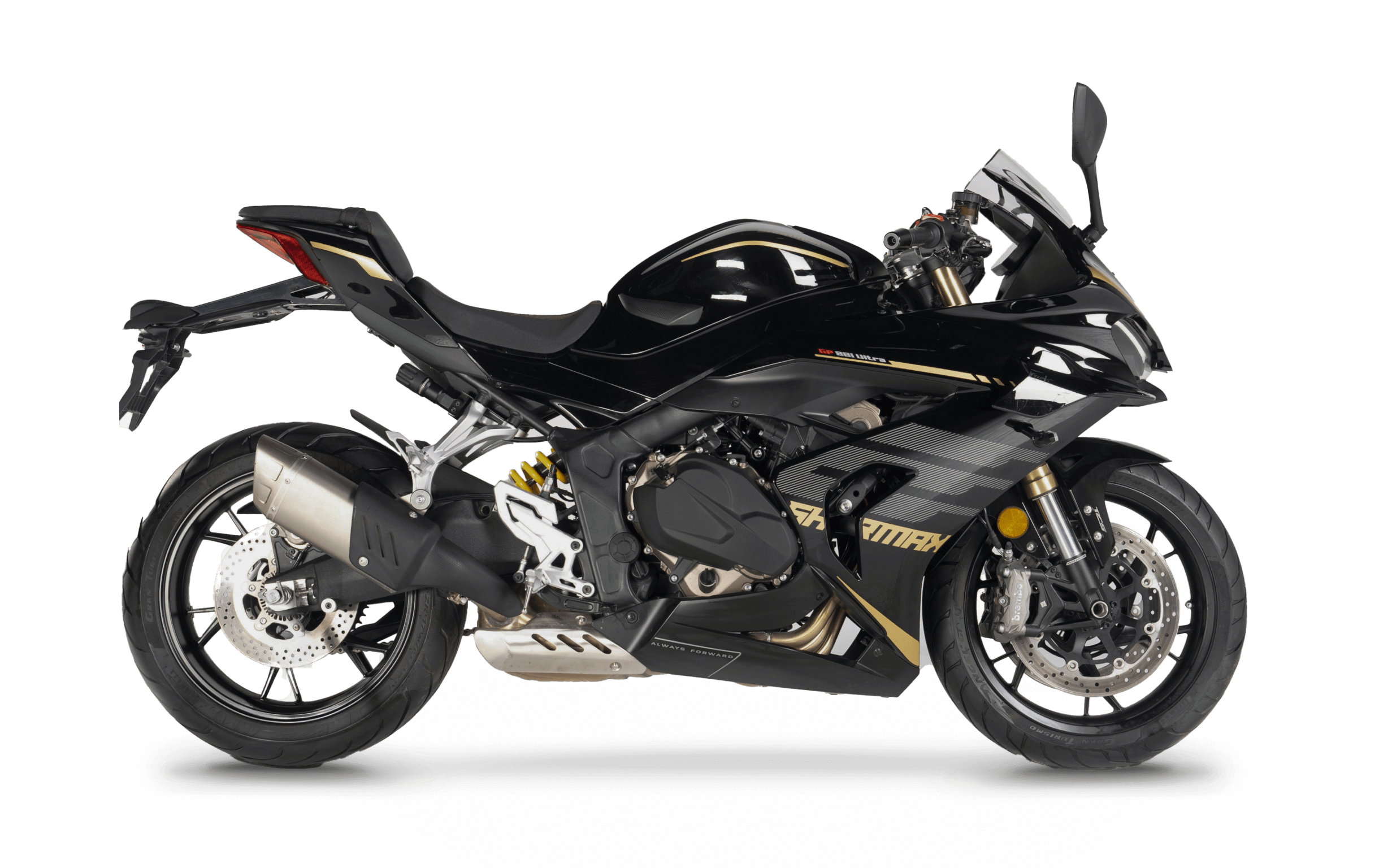
Displacement (cc)
778
Drive type
Manual, 6-speed
Clutch
Multi-plate, wet
Seat height (mm)
810
Power (hp)
95
Gearbox
Manual, 6-speed
GP 1100 Ultra
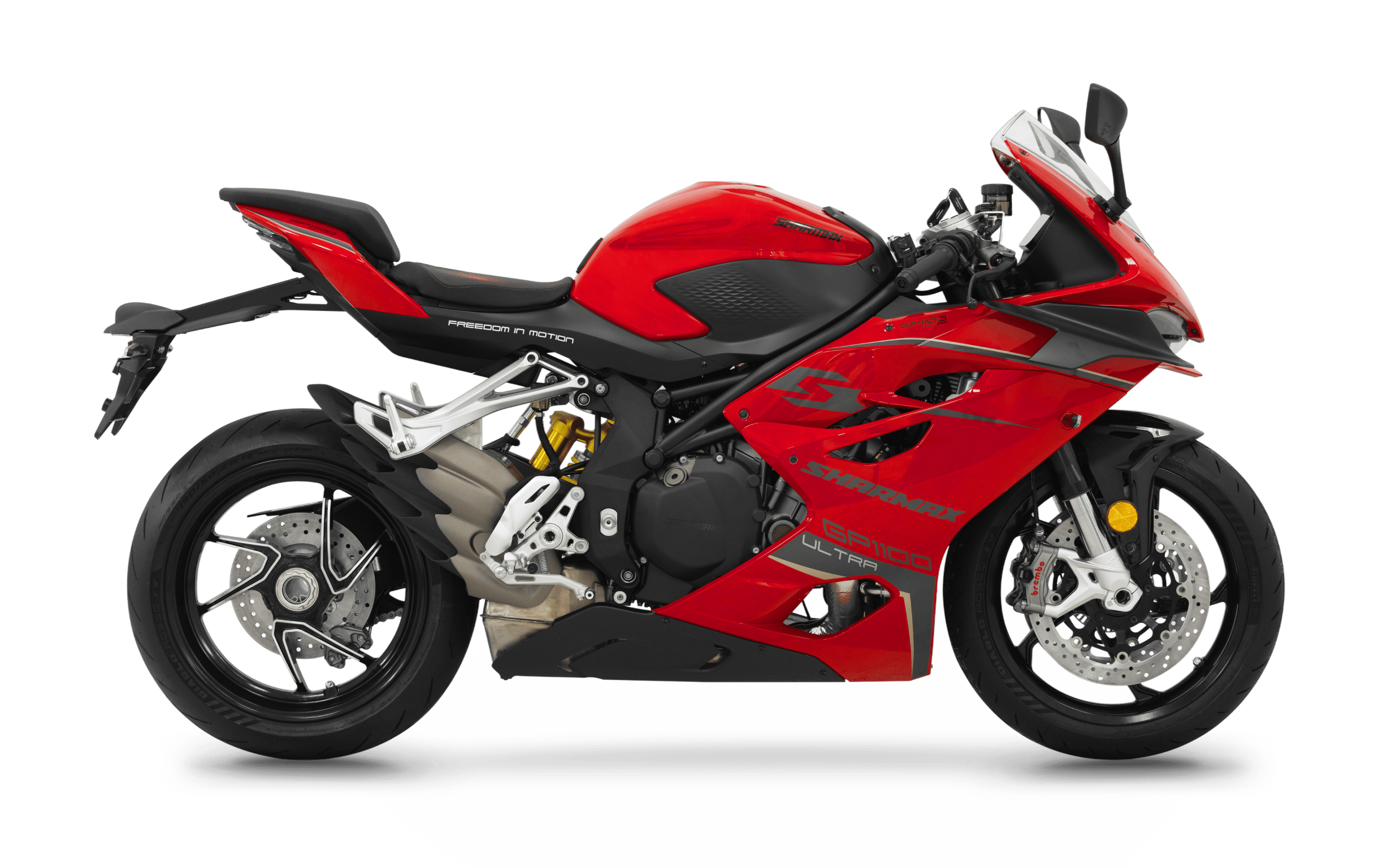
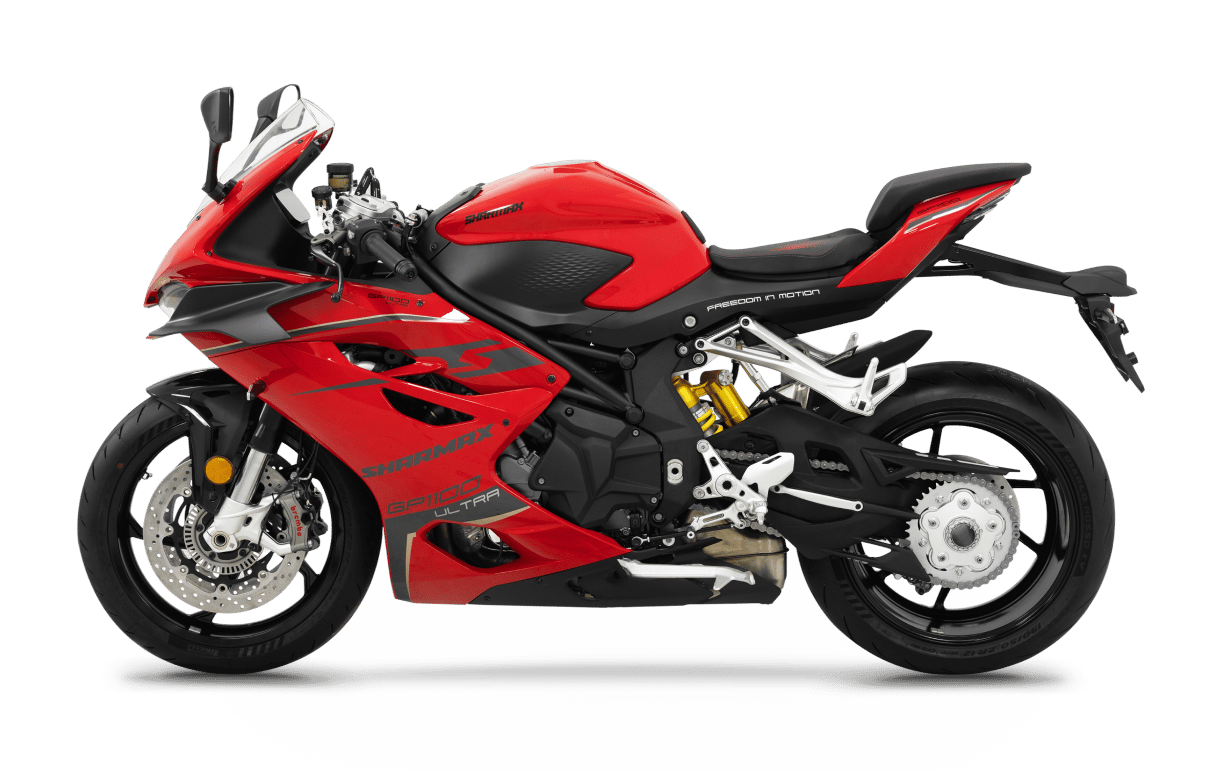
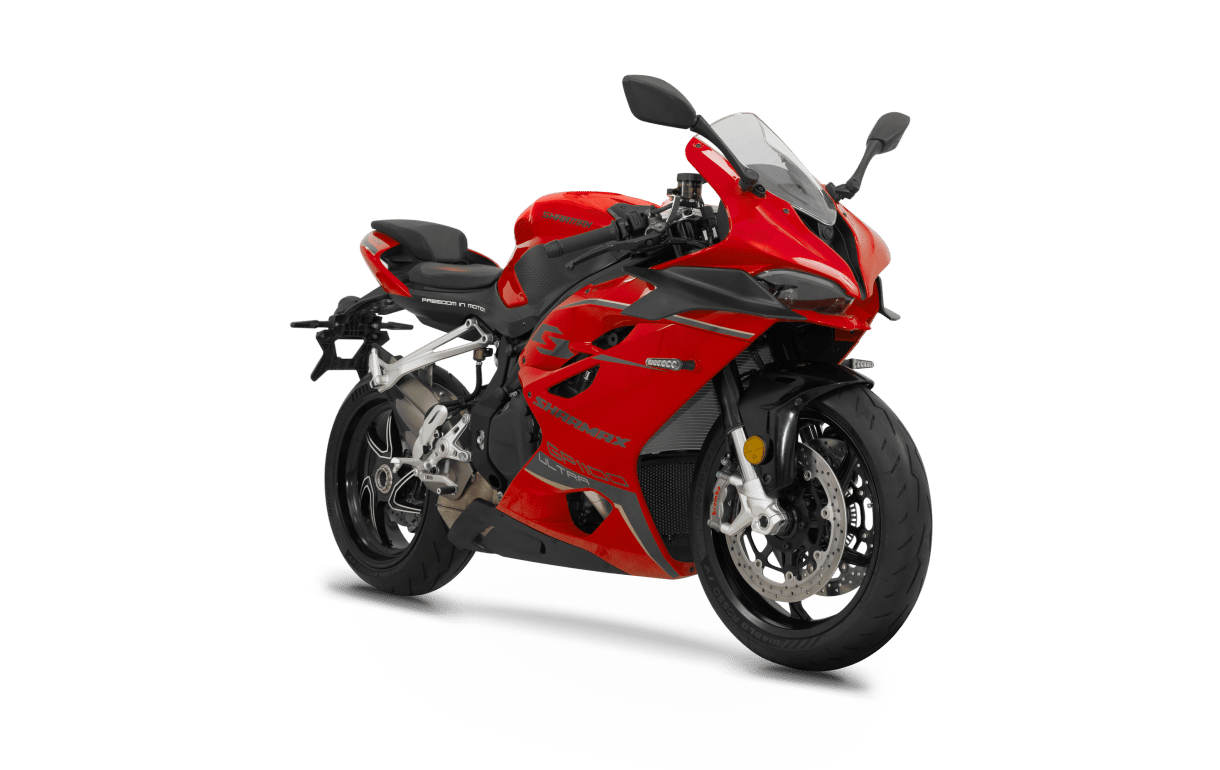
The GP 1100 Ultra is a flagship supersport motorcycle designed for experienced riders who want high-performance road riding.
Its Smart Clutch system is intended to reduce some of the repeated clutch work that comes with everyday situations, such as traffic lights and slow-moving queues. The rider still chooses when to shift, keeping the direct involvement of a manual gearbox.
Displacement (cc)
987
Drive type
Chain
Clutch
Multi-plate, wet
Seat height (mm)
835
Power (hp)
123
Gearbox
Manual, 6-speed
Who might appreciate Smart Clutch?
Smart Clutch is worth considering if you:
- Ride regularly in traffic and want less repeated clutch-lever work.
- Enjoy a manual motorcycle but would like assistance when starting, stopping and shifting.
- Ride a larger bike and want smoother control at low speeds.
- Spend long days on the road and appreciate features that can reduce fatigue.
- Want to retain manual control, including the option to use the clutch lever.
Final thoughts
The clutch plays a part in every start, stop and gear change. A conventional manual setup gives the rider direct control, while Smart Clutch assists with clutch operation and keeps gear selection in the rider’s hands.
If you’re interested in the technology, explore the Sharmax motorcycle range or visit a Sharmax showroom to take a closer look at the motorcycles and discuss which setup suits your riding style.